What are Fasteners: Essential Tools for Every Project
Imagine building a sturdy bookshelf or assembling a sleek piece of furniture without using screws or nails. Sounds impossible, right?
That’s because fasteners are the unsung heroes in the world of construction and manufacturing. They hold things together, literally. But how much do you really know about them? Whether you’re a DIY enthusiast or someone who frequently deals with tools and equipment, understanding fasteners can transform how you approach your projects.
So, what exactly are fasteners, and why are they so crucial? Dive in as we unravel the fascinating world of fasteners and discover how they can make your life easier and your projects more successful. Keep reading to unlock insights that could save you time and effort on your next task!
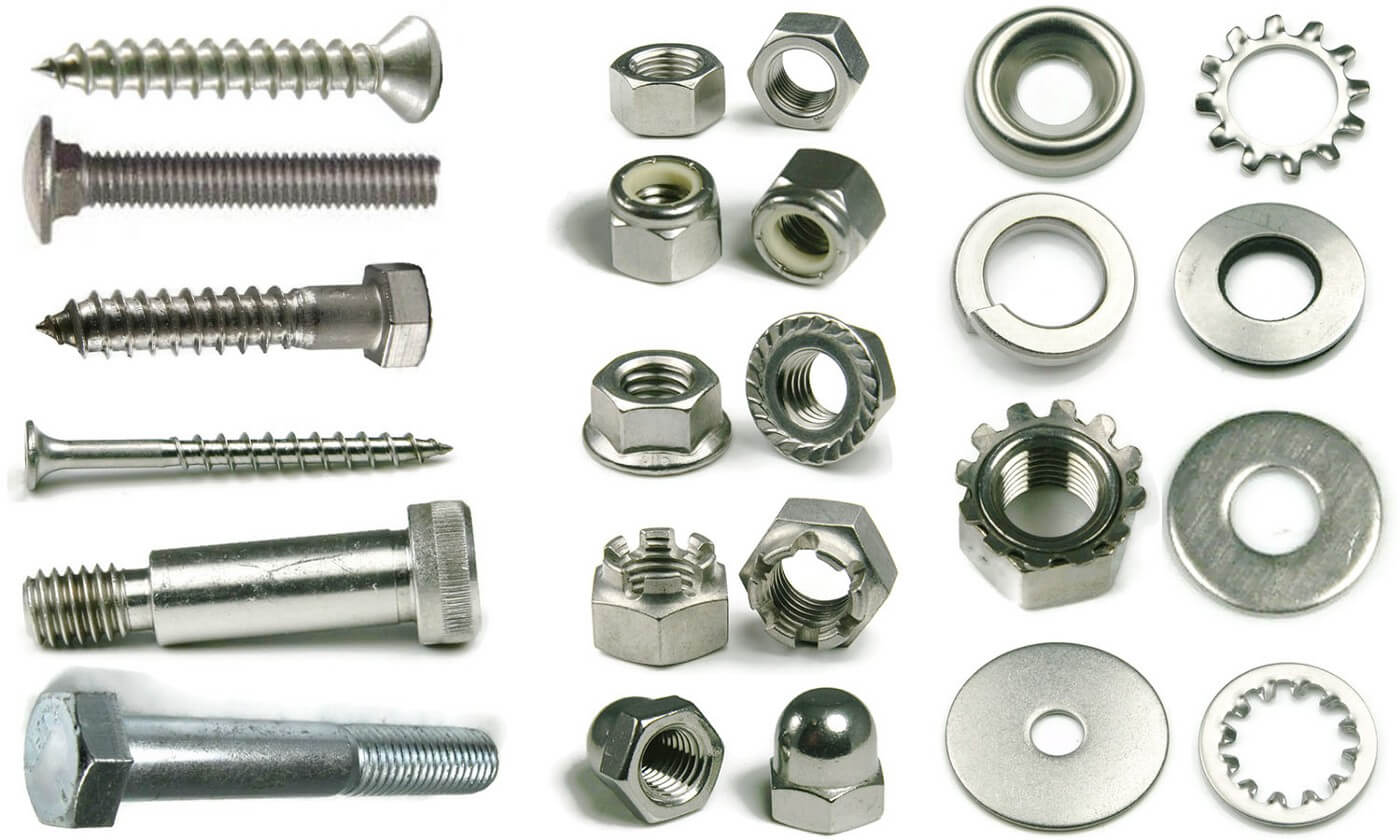
Credit: www.3erp.com
Types Of Fasteners
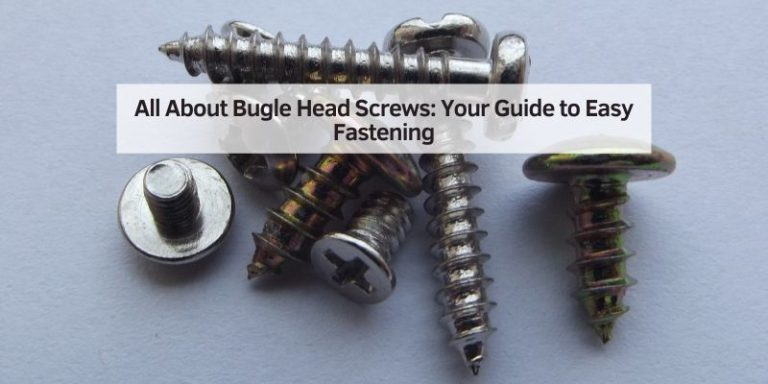
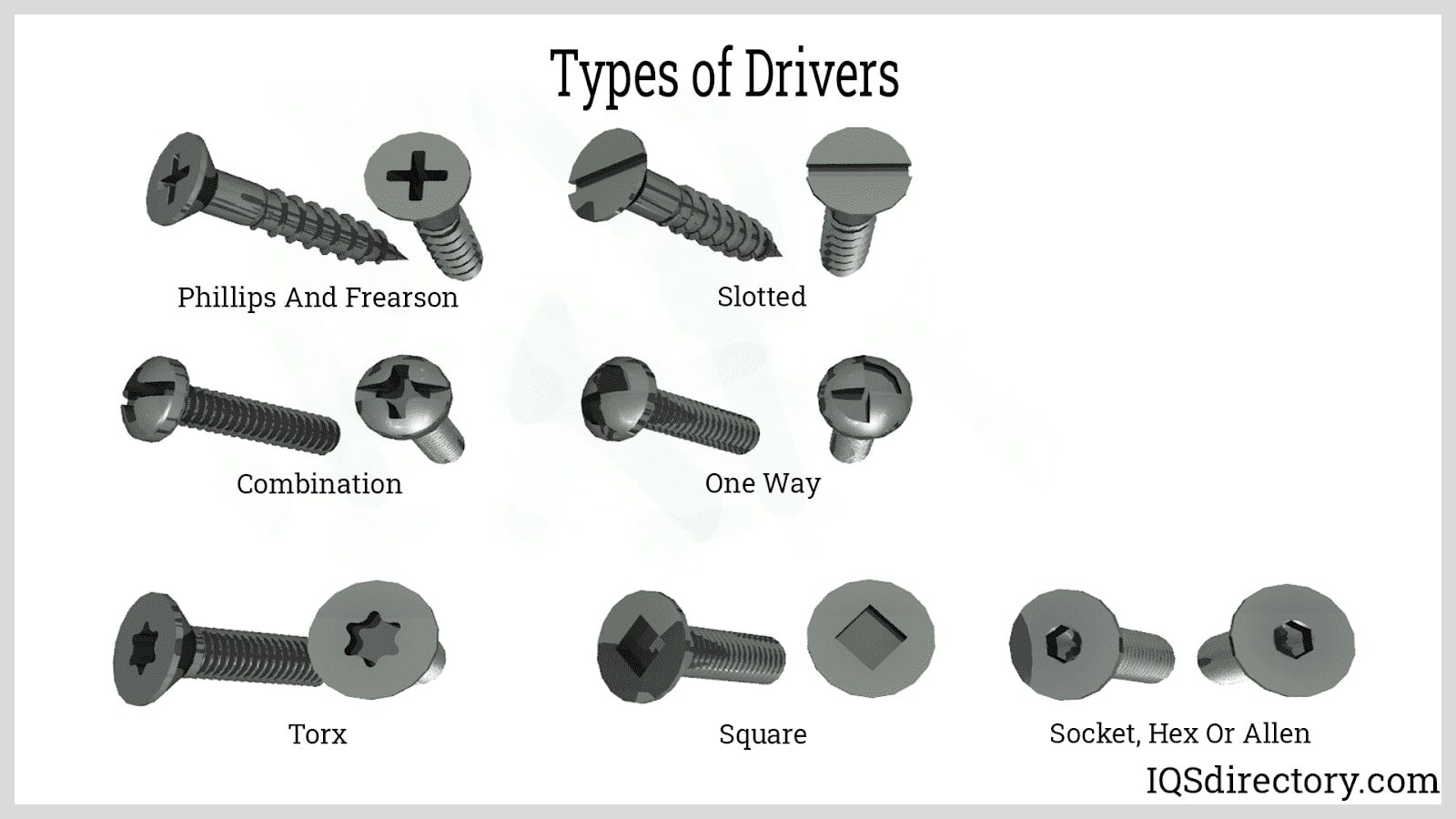
Bolts and screws hold things together tightly. They have threads for grip. Bolts need nuts to stay secure. Screws twist into materials directly. Many sizes and shapes are available. Hex bolts are strong. Machine screws are small. Wood screws are for wood.
Nuts work with bolts. They screw onto the bolt’s end. Washers protect surfaces. They stop damage from tightening. Flat washers spread load evenly. Lock washers prevent loosening. Both are important for stability.
Rivets join materials permanently. They are not removable. Pins align parts. They hold them temporarily. Cotter pins secure nuts. Dowel pins hold gears. Easy to use and reliable.
Anchors fix items to walls. They expand inside holes. Studs are threaded rods. They join large pieces. Wall anchors are common. Threaded studs are strong. Use them for heavy loads.
Materials Used In Fasteners
Steel is a common material for fasteners. It is strong and durable. Stainless steel does not rust easily. It is great for wet places. Both materials are used in many things. Cars, buildings, and tools use steel fasteners.
Aluminum is light and does not rust. It is good for planes and bikes. Brass is a mix of copper and zinc. It looks shiny and gold. Brass is often used in music instruments and locks. Both are less strong than steel but have special uses.
Plastic fasteners are light and cheap. They do not rust. Nylon is a type of plastic. It is strong and flexible. Used in toys, electronics, and furniture. These are not for heavy loads but are useful in many ways.
Composite materials are made from two or more things. They are strong and light. Often used in sports equipment and cars. They can be expensive but work well. These materials are good for special needs.
Applications Of Fasteners
Fasteners hold buildings strong. They connect steel beams. Nails and screws fix wood together. Bolts secure heavy structures. Every part stays tight. Bridges, roads, and buildings rely on them.
Cars need many fasteners. They keep parts in place. Engines run smooth with bolts. Tires stay firm with nuts. Doors and windows close safely. Fasteners are vital for car safety.
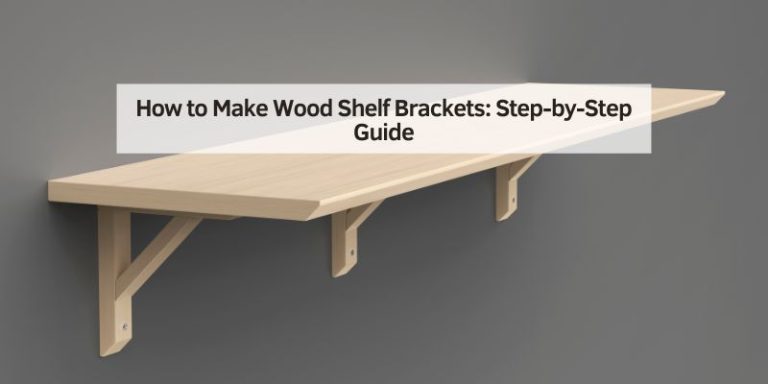
Fixing things at home requires fasteners. Hanging pictures need nails. Shelves need screws. Furniture uses bolts. Repairs are quick and easy. Fasteners make homes sturdy.
Fasteners hold gadgets together. Phones have tiny screws. Computers need bolts. TVs and radios stay intact. Fasteners ensure safety. Electronics function well with them.
Choosing The Right Fastener
Strength matters for holding things together. Strong fasteners don’t break. They can hold heavy things. Durability is important too. Durable fasteners last long. They don’t wear out quickly. Choosing strong and durable fasteners is smart.
Fasteners in wet places need corrosion resistance. Corroded fasteners can fail. Rust weakens them. Rusty fasteners look bad too. Choose fasteners that resist rust. It makes them last longer.
Size of the fastener must fit. Too big or small is bad. Fasteners should fit perfectly. They hold things tightly. Measure carefully before choosing. A good fit ensures safety.
Easy installation saves time. Simple tools are needed. Complicated fasteners take longer. Easy ones are quick to use. Beginners can handle them. Choose fasteners that are easy to install.
Innovations In Fastener Technology
Smart Fasteners change with technology. They have sensors and chips inside. These parts can track and send data. Smart fasteners help in monitoring machines. They can alert when a part is loose. This keeps everything safe. Smart fasteners are used in cars, planes, and factories.
Eco-friendly fasteners are better for the planet. They use recycled materials. Some are made from biodegradable stuff. These fasteners help reduce waste. They are strong and last long. Eco-friendly choices are good for green projects.
Advanced coatings protect fasteners from rust. They make fasteners last longer. These coatings can be anti-corrosive or heat-resistant. They help in harsh conditions. Fasteners with coatings are used in bridges, ships, and buildings.
High-performance fasteners are very strong. They can hold heavy loads. Their designs are special. They fit perfectly and securely. These fasteners are used in sports cars and rockets. Engineers rely on them for big projects.
Common Fastener Problems
Loose connections happen when screws or bolts are not tight. This can cause parts to wobble or fall apart. It’s important to check fasteners regularly. Ensure they are snug and secure. Use a wrench or screwdriver for tightening.
Rust and corrosion make fasteners weak. This happens when metal gets wet. It’s vital to keep fasteners dry. Paint or coat them to protect from water. Rusty fasteners should be replaced quickly.
Wear and fatigue occur over time. Fasteners get used and stressed. This can make them break. It’s crucial to check for cracks or wear marks. Replace worn fasteners to prevent failure.
Misalignment makes fasteners not fit well. Parts may not line up correctly. Use a level or guide to align parts. Ensure holes are in the right place. Proper alignment keeps fasteners working well.

Credit: en.wikipedia.org
Frequently Asked Questions
What Is An Example Of A Fastener?
An example of a fastener is a screw. Screws are used to hold materials together securely. They come in various sizes and types, including wood screws and machine screws, for different applications. Screws provide strong, reliable connections and are commonly used in construction, furniture assembly, and DIY projects.
What Are The Three Basic Types Of Fasteners?
The three basic types of fasteners are screws, bolts, and nails. Screws have threads for securing materials. Bolts require nuts and washers for assembly. Nails are sharp and used for quick fastening in wood. These fasteners serve various construction and manufacturing purposes efficiently.
What Is The Purpose Of Fasteners?
Fasteners join or secure materials together. They provide stability and support in construction and manufacturing. Common types include screws, bolts, and nuts. Their purpose is to ensure components remain connected, enhancing safety and functionality. Fasteners are vital in various industries, ensuring durability and reliability in assemblies.
Are Fasteners Just Screws?
Fasteners include screws, bolts, nuts, washers, and rivets. They secure objects together, offering various designs and functions. Not all fasteners are screws; each type serves specific purposes in construction and manufacturing. Consider the application to select the appropriate fastener for your project needs.
Conclusion
Fasteners hold things together. They are vital in everyday life. From building homes to assembling furniture, they are essential. Different types serve different purposes. Screws, nails, bolts. Each has its role. Understanding these can help in projects. Choose the right fastener for strength and durability.
It’s important for safety and efficiency. Next time you use one, think about its job. It’s more than just a piece of metal. It’s the backbone of many structures. Simple but crucial. So, pick wisely and ensure a strong hold.
Your projects depend on it.