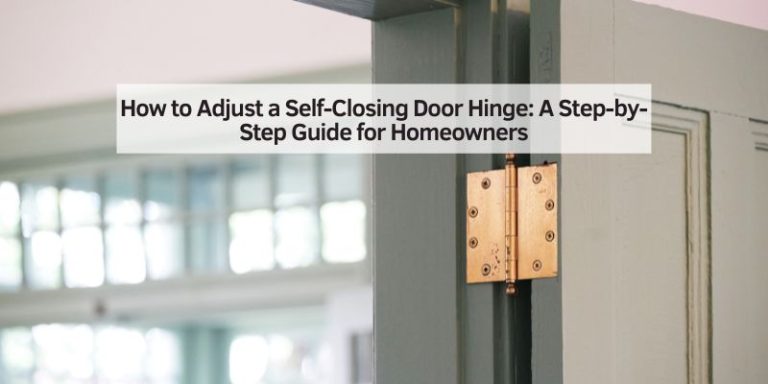
What Is a Door Knob? A Complete Guide to This Everyday Essential
Hey there! You’ve probably twisted a door knob a thousand times without giving it much thought, right? I know I have! But when I started digging into home improvement for my automotive blog’s home-related section, I realized door knobs are way more interesting than they seem.
They’re like the unsung heroes of our homes, making it easy to move from room to room while adding a touch of style. So, what is a door knob, exactly? I’m thrilled to share everything I’ve learned about these small but mighty fixtures. Whether you’re fixing up your house or just curious, I’ll walk you through what door knobs are, how they work, and why they matter. Let’s open the door to this topic and explore!
Understanding the Basics of a Door Knob
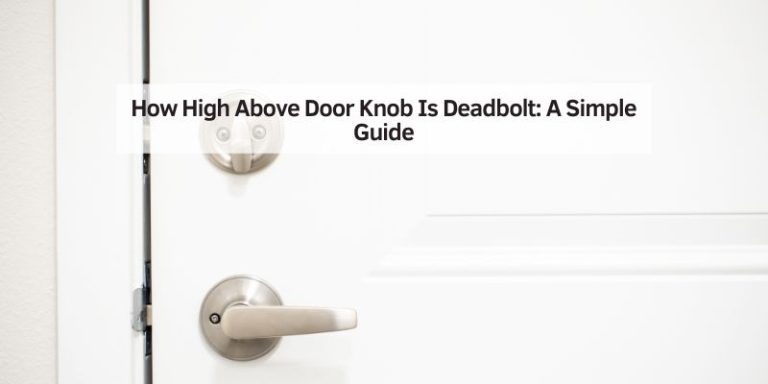
So, what’s a door knob? At its core, it’s a handle you turn to open or close a door. I used to think they were just simple chunks of metal or plastic, but there’s more to them. A door knob is part of a larger system called a latch mechanism. When you turn the knob, it moves a latch inside the door, letting you swing it open or keep it shut.
I’ve seen door knobs in all sorts of places—homes, offices, even cars (think glove compartments or vintage car doors). They’re usually round, but some are egg-shaped or lever-style. I love how they feel solid in your hand, like they’re built to last. Most door knobs are made of metal, like brass or stainless steel, but you can find ones made of glass, ceramic, or even wood for a fancy touch.
How Does a Door Knob Work?
Let me tell you, I was fascinated when I first took a door knob apart. It’s like a little puzzle! The knob connects to a spindle, which is a rod that runs through the door. When you turn the knob, the spindle rotates and pulls back a latch—a small metal piece that sits inside the door frame to keep it closed. It’s super simple but clever.
Some knobs have a lock built in, which I’ve found handy for bathrooms or bedrooms. These locks usually work with a button or a key. I remember installing a locking knob in my home office, and it gave me such peace of mind. The mechanics are straightforward, but the quality of the parts—like the latch or spindle—makes a big difference in how smooth it feels.
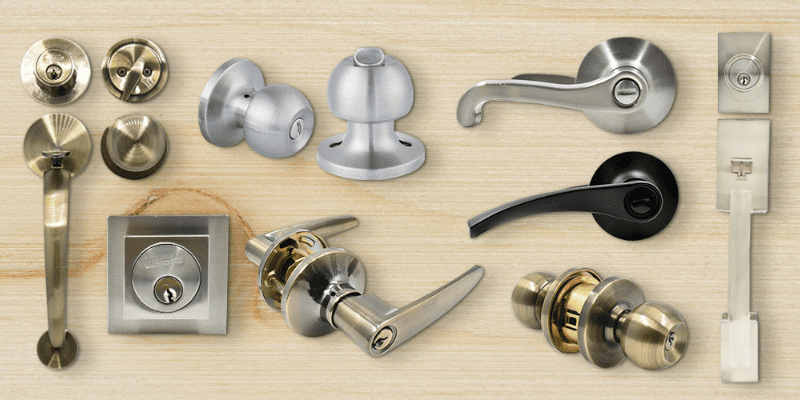
Types of Door Knobs
I’ve come across so many types of door knobs while working on my house. Each one has its own vibe and purpose. Here’s a quick rundown of the main types I’ve seen:
| Type | Description |
|---|---|
| Passage Knobs | No lock, used for hallways or closets. I have these in my pantry—simple and easy. |
| Privacy Knobs | Have a lock, great for bathrooms or bedrooms. I love the push-button ones! |
| Keyed Entry Knobs | Need a key to unlock, perfect for front doors. I use one for my main entrance. |
| Dummy Knobs | Don’t turn, just for looks. I put these on my double doors for symmetry. |
There are also lever-style knobs, which I’ve noticed are easier for kids or people with arthritis to use. I swapped out a round knob for a lever in my mom’s house, and she says it’s a game-changer. You can also find antique-style knobs with intricate designs or modern ones with sleek, minimalist looks. It’s fun to pick ones that match your style!
Materials Used in Door Knobs
I’ve learned that door knobs come in all sorts of materials, and each one has its pros and cons. Brass is super popular because it’s durable and looks classy. I have brass knobs in my living room, and they still shine after years of use. Stainless steel is another favorite—it’s tough and resists rust, which is great for humid areas like bathrooms.
Glass knobs are gorgeous but can be fragile. I tried one in my guest room for a vintage vibe, but I’m extra careful with it. Ceramic knobs add a pop of color, while plastic ones are cheap but don’t last as long. I once bought a budget plastic knob, and it cracked after a year—lesson learned! For outdoor doors, I stick with weather-resistant materials like nickel or bronze.
Why Door Knobs Matter in Your Home
You might think door knobs are no big deal, but they can change a room’s feel. I’ve swapped out old, tarnished knobs for shiny new ones, and it’s like giving the door a facelift. They’re functional, sure, but they also add personality. A sleek black knob can make a modern home feel edgy, while a crystal knob screams elegance.
Door knobs also affect how easy it is to use your doors. I noticed this when I installed a heavy-duty knob on my front door—it feels secure and sturdy. Plus, the right knob can boost your home’s value. When I was selling my old house, the realtor said updated hardware made a great impression on buyers.
Choosing the Right Door Knob
Picking a door knob can be overwhelming with so many options. I’ve made a few mistakes, like buying a cheap knob that felt flimsy. Here’s what I look for now:
- Function: Do you need a lock? I choose privacy knobs for bedrooms and keyed ones for exterior doors.
- Style: Match the knob to your home’s vibe. My farmhouse-style kitchen has matte black knobs, and they look amazing.
- Material: Go for something durable like brass or stainless steel. I avoid plastic for high-traffic doors.
- Finish: Polished chrome, oil-rubbed bronze, or satin nickel are my go-tos. I pick finishes that match other fixtures, like faucets.
- Ease of Use: Levers are great for accessibility. I installed them in my guest room for older visitors.
I also check the knob’s “handing”—some are made for left- or right-handed doors. Measuring your door’s thickness is key too. Most knobs fit standard doors (1-3/8 to 1-3/4 inches thick), but I double-check just in case.
Installing a Door Knob
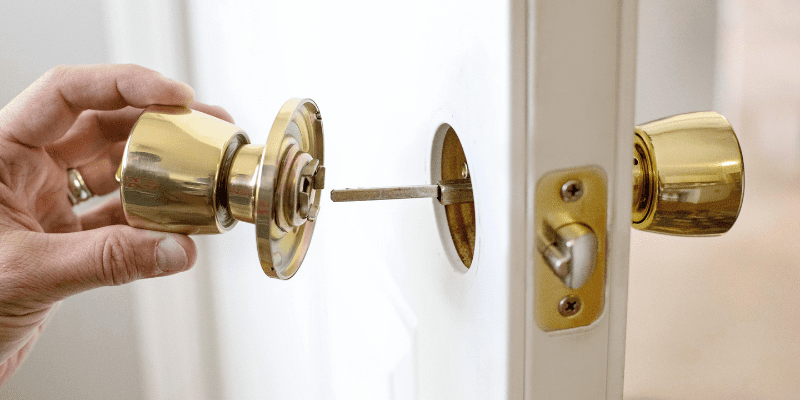
Installing a door knob is easier than you might think. I’ve done it a bunch of times, and it’s a fun weekend project. You’ll need a screwdriver, a new knob set, and maybe a drill if your door isn’t pre-drilled. Here’s how I do it:
First, I remove the old knob by unscrewing it from the door. There’s usually a screw on the side or under a cover plate. Then, I pull out the latch mechanism. Next, I slide the new latch into the door’s edge and screw it in place. After that, I attach the two halves of the knob, making sure the spindle lines up with the latch. Finally, I tighten the screws and test the knob to make sure it turns smoothly.
It takes about 15-20 minutes per door. I messed up once by not aligning the latch properly, and the door wouldn’t close right. So, take your time and follow the instructions that come with the knob.
Maintaining Your Door Knobs
I’ve learned that a little care goes a long way with door knobs. Dust and grime can build up, especially on knobs that get touched a lot. I clean mine every few months with a damp cloth and mild soap. For brass or metal knobs, I use a metal polish to keep them shiny.
If a knob gets loose, I tighten the screws with a screwdriver. I had a wobbly knob in my kitchen that drove me nuts until I fixed it—it took two minutes! For outdoor knobs, I check for rust and apply a protective spray if needed. Regular maintenance keeps them looking good and working smoothly.
Common Door Knob Problems and Fixes
Door knobs aren’t perfect, and I’ve run into a few issues over the years. Here are some common problems and how I fix them:
- Loose Knob: Tighten the screws on the knob or baseplate. I keep a screwdriver handy for quick fixes.
- Sticky Latch: If the door won’t latch properly, the latch might be misaligned. I adjust it by loosening the screws and shifting it slightly.
- Worn-Out Lock: If the lock stops working, it might need replacing. I swapped out a faulty lock on my back door last year.
- Scratched Finish: Minor scratches can be buffed out with a metal polish. For deeper ones, I’ve spray-painted knobs to refresh them.
If the problem is too tricky, I call a locksmith, but most fixes are DIY-friendly.
Upgrading Door Knobs for Style and Function
One of my favorite home projects is upgrading door knobs. I swapped out all the brassy knobs in my old house for sleek black ones, and it made the place feel so modern. You can also go for smart knobs with keypads or Bluetooth for extra security. I tried a keypad knob on my front door, and I love not needing a key!
Mixing and matching is fun too. I used crystal knobs in my dining room for a fancy touch and simple levers in the kids’ rooms for easy access. Just make sure the finishes complement each other for a cohesive look.
Door Knobs in Automotive Design
Since this is for my automotive blog, let’s talk about door knobs in cars. Okay, they’re not exactly door knobs, but vintage cars sometimes had similar handles for glove boxes or interior panels. I restored a classic Mustang once, and the glove box had a knob that looked just like a house door knob! Modern cars use buttons or levers, but the idea is the same—easy access with a bit of style.
In car restoration, I’ve seen custom knobs made of chrome or wood to match the car’s vibe. It’s a small detail, but it makes the interior pop. If you’re working on a classic car, consider hunting for period-correct knobs at auto shows or online.
Cost of Door Knobs
Door knobs can fit any budget. Here’s a quick breakdown based on my shopping trips:
| Type | Cost Range |
|---|---|
| Basic Passage Knob | $10-$20 |
| Privacy Knob | $15-$30 |
| Keyed Entry Knob | $20-$50 |
| Designer/Smart Knob | $50-$200+ |
I usually spend about $20 per knob for good quality without breaking the bank. High-end brands like Schlage or Kwikset are worth it for durability. If you’re on a budget, check hardware stores for sales—I’ve scored great deals that way.
Why I Love Door Knobs
I know it sounds funny, but I’m kind of obsessed with door knobs. They’re small, but they make a big impact. Every time I walk into a room and turn a smooth, stylish knob, it feels satisfying. I’ve had fun experimenting with different styles and finishes, and it’s amazing how something so simple can elevate your home. Plus, they’re easy to install and maintain, which makes them a perfect DIY project.
Conclusion
So, there you have it—everything I’ve learned about door knobs! They’re more than just a way to open a door; they’re a blend of function, style, and personality. Whether you’re upgrading your home, fixing a wobbly knob, or restoring a classic car, understanding door knobs can make your project a success. I’ve loved sharing my experiences with you, and I hope you’re inspired to give your knobs a little love. Grab a screwdriver, pick out a new style, and have fun making your space your own. You’ve got this!
Frequently Asked Questions
What’s the difference between a door knob and a door handle?
A door knob is round and you turn it, while a door handle is usually a lever you push down. I find levers easier for kids to use.
Can I install a door knob myself?
Yes! It’s a simple DIY job. I’ve done it with just a screwdriver in about 15 minutes. Just follow the instructions that come with the knob.
How do I clean door knobs?
I use a damp cloth with mild soap. For metal knobs, a bit of metal polish keeps them shiny. Avoid harsh chemicals—they can damage the finish.
Are door knobs universal?
Most fit standard doors, but you need to check the door’s thickness and the knob’s handing. I always measure before buying.
Can I paint a door knob?
Absolutely! I’ve spray-painted knobs to refresh them. Use primer and metal-safe paint for a lasting finish.
What’s the best material for outdoor door knobs?
I go for stainless steel or bronze—they resist rust and weather. My front door knob has held up great in rain and sun.
Do smart door knobs need special installation?
Some need wiring for power, but most are straightforward. I installed a keypad knob myself, and it came with clear instructions.