
What Is in Urine: A Comprehensive Guide
Hey there! So, you’re curious about what’s in urine, right? I get it—it’s not exactly dinner table conversation, but it’s something we all deal with every day, and it can tell us a lot about our health. I’ve wondered about this myself, especially after noticing changes in how my urine looked or smelled. After digging into the topic and talking to doctors over the years, I’ve learned that urine is like a little report card from your body.
It’s made up of water, waste, and some surprising stuff that can give clues about what’s going on inside you. Whether you’re just curious or trying to figure out if something’s off, I’m here to walk you through everything I’ve learned about what’s in urine and why it matters. Let’s dive in and break it down!
The Basics of What’s in Urine
Urine is mostly water—about 95% of it. The other 5% is a mix of waste products, salts, and other compounds your body doesn’t need. I was surprised to learn that urine is your kidneys’ way of filtering out the junk while keeping the good stuff, like nutrients and water, in balance. Every time you pee, your body is getting rid of things it can’t use, like extra salts or byproducts from food and drinks.
The main components of urine are water, urea, electrolytes, and small amounts of other stuff like hormones and vitamins. Urea is the big one—it’s what’s left after your body breaks down proteins. I think of it as the “trash” from digesting things like chicken or eggs. Electrolytes, like sodium and potassium, are there to help balance your body’s fluids. There’s also creatinine, a waste product from your muscles, and tiny traces of other things your body’s done using.
Water: The Main Ingredient
Like I said, urine is about 95% water. That’s why it’s usually clear or light yellow when you’re well-hydrated. I noticed this when I started drinking more water—my urine went from dark yellow to almost clear. The water in urine comes from what you drink, eat, and even the fluids your body makes while working. Your kidneys decide how much water to keep and how much to send out based on what your body needs. If you’re dehydrated, your urine gets concentrated, and you pee less. If you’re chugging water, you’ll pee more, and it’ll be diluted. It’s like your kidneys are constantly tweaking the recipe to keep you balanced.
Urea and Other Nitrogenous Wastes
Urea is the second-biggest part of urine, making up a good chunk of that 5% that’s not water. It’s what your body creates when it breaks down proteins from foods like meat, beans, or dairy. I learned this when I went on a high-protein diet and noticed my urine smelled stronger—turns out, that’s the urea at work! Your liver turns protein waste into urea, and your kidneys filter it out into your urine.
There are also smaller amounts of other nitrogen-based wastes, like ammonia and uric acid. Ammonia comes from protein breakdown, too, and it’s what gives urine that sharp smell sometimes. Uric acid is a byproduct of purines, which are in foods like red meat or shellfish. Too much uric acid can cause problems like kidney stones or gout, which I learned about when a friend dealt with a painful kidney stone episode.
Electrolytes: Balancing the Body
Electrolytes like sodium, potassium, chloride, and calcium are in urine to help regulate your body’s fluid levels. I think of them as the salts that keep everything running smoothly. When I eat salty foods like chips or pizza, my urine might have more sodium because my kidneys are flushing out the excess. Potassium comes from things like bananas or avocados, and calcium can come from dairy or leafy greens.
Your kidneys are super smart—they decide how much of each electrolyte to keep or get rid of. If you’re low on sodium, they’ll hold onto it. If you’ve had too much, they’ll send it out in your urine. I noticed this when I was sweating a lot during a hot summer—my urine was darker because my body was holding onto more water and electrolytes to replace what I lost.
Other Compounds in Urine
Urine has some surprising stuff in small amounts. I was amazed to learn that it can contain traces of hormones, vitamins, and even medications. For example, if you take a multivitamin, your urine might turn bright yellow because of excess B vitamins. I saw this happen after I started taking a daily vitamin, and it freaked me out at first! Hormones like cortisol or estrogen can show up too, which is why doctors sometimes use urine tests to check hormone levels.
Medications and their byproducts can also end up in urine. When I was on antibiotics for a sinus infection, my doctor warned me my urine might smell different—that’s the meds getting filtered out. There are also tiny amounts of organic compounds like glucose or proteins, but these shouldn’t be there in large amounts. If they are, it could signal something like diabetes or kidney issues, which I’ll talk about later.
What Urine’s Color and Smell Tell You
I’ve learned that how your urine looks and smells can say a lot about what’s in it. Here’s what I’ve noticed over the years:
- Clear or Pale Yellow: This usually means you’re well-hydrated, and your urine is mostly water. I aim for this by sipping water all day.
- Dark Yellow or Amber: This happens when you’re dehydrated, and the waste products are more concentrated. I see this if I forget to drink water during a busy day.
- Cloudy: Could be a sign of an infection or too much protein. I had cloudy urine once with a UTI, and it was a clear sign to see a doctor.
- Strong Smell: Often from urea or ammonia, especially if you’re eating a lot of protein or are dehydrated. I noticed this after a big steak dinner.
- Sweet Smell: This can be a red flag for diabetes, as excess sugar spills into the urine. A friend mentioned this symptom before her diagnosis.
Keeping an eye on these changes helped me figure out when I needed to drink more water or check in with a doctor.
Why Urine Composition Matters
What’s in your urine isn’t just random—it’s a snapshot of your health. Doctors use urine tests to check for all sorts of things, from infections to kidney function to pregnancy. I had a routine checkup once where they tested my urine, and it showed I was dehydrated even though I felt fine. That’s when I started paying more attention to my water intake.
Urine can show signs of bigger issues, like:
- High Glucose: Could mean diabetes if sugar’s spilling into your urine.
- Protein: Too much protein might point to kidney problems.
- Blood: Could be from an infection, kidney stones, or something more serious.
- Ketones: These show up if your body’s burning fat for energy, like in starvation or uncontrolled diabetes.
I’ve learned it’s worth noticing changes in your urine because it’s like your body waving a little flag to get your attention.
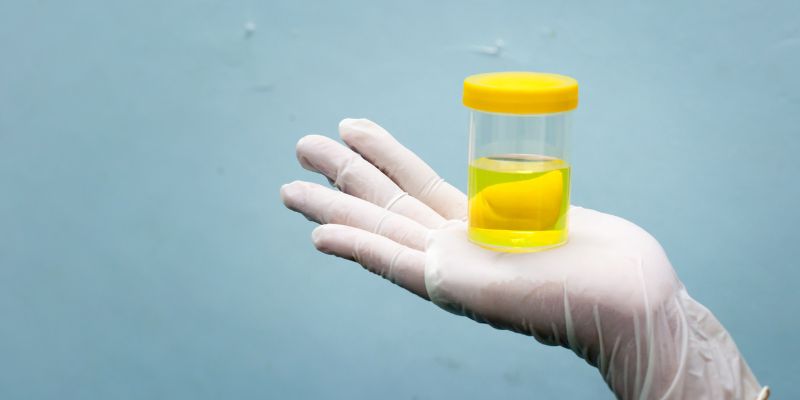
Things That Change What’s in Your Urine
Your urine’s makeup isn’t set in stone—it changes based on what you eat, drink, and do. Here are some things I’ve noticed that affect it:
- Diet: High-protein foods increase urea and ammonia. I saw this when I tried a keto diet—my urine smelled stronger and was darker.
- Hydration: Drinking more water dilutes urine, while dehydration concentrates it. I learned this the hard way during a long hike with no water bottle.
- Medications: Antibiotics, painkillers, or diuretics can add their byproducts. I always check the side effects of new meds to know what to expect.
- Exercise: Sweating a lot can make your urine more concentrated. I notice this after a tough workout when my urine is darker than usual.
- Health Conditions: Things like infections, diabetes, or kidney issues can add stuff to your urine that shouldn’t be there, like bacteria or blood.
Tracking these changes helped me understand why my urine looked or smelled different on certain days.
Common Urine Tests and What They Look For
Doctors love urine tests because they’re quick and tell a lot. I’ve had a few over the years, and here’s what I’ve learned about them:
- Urinalysis: This checks for things like sugar, protein, blood, or bacteria. I had one during a physical, and it caught a mild infection early.
- Urine Culture: Used to find bacteria if you have a UTI. I needed this when I had burning while peeing—it pinpointed the exact bug causing it.
- 24-Hour Urine Test: You collect all your urine for a day to measure things like creatinine or protein. I did this once to check my kidney function, and it was a hassle, but worth it.
- Pregnancy Tests: These look for a hormone called hCG. My sister used one at home, and it was the first sign she was expecting.
These tests are like a window into what’s in your urine and what it means for your health.
Comparing Normal and Abnormal Urine Components
Here’s a table to help you understand what’s normally in urine and what might be a concern:
| Component | Normal Amount | What It Does | Abnormal Signs | What to Do |
|---|---|---|---|---|
| Water | ~95% of urine | Monitor diet, talk to a doctor | Dark, low volume (dehydration) | Drink more water |
| Urea | ~2% of urine | Removes protein waste | Strong smell (high protein diet) | Check diet, stay hydrated |
| Electrolytes (Sodium, etc.) | Small, balanced amounts | Regulates fluid balance | High levels (diet, meds) | Monitor diet, talk to doctor |
| Glucose | None or trace amounts | Should stay in blood | Present (diabetes) | See a doctor ASAP |
| Protein | None or trace amounts | Should stay in blood | Present (kidney issues) | Consult a doctor |
| Blood | None | Shouldn’t be in urine | Present (infection, stones) | See a doctor immediately |
When to Talk to a Doctor
I’m all about figuring things out myself, but some urine changes need a professional’s attention. If your urine is cloudy, bloody, or smells sweet for more than a day or two, don’t wait. I ignored cloudy urine once, thinking it was nothing, and ended up with a UTI that needed antibiotics. Other red flags include pain when peeing, feeling like you can’t empty your bladder, or peeing way more or less than usual. A doctor can run a quick urine test to check what’s in there and figure out what’s going on. It’s usually a simple visit, and it gives you peace of mind.
Keeping Your Urine Healthy
I’ve picked up some habits to keep my urine—and my body—in good shape. Here’s what works for me:
- Drink Plenty of Water: Aim for 8 cups a day, more if you’re active or it’s hot. I carry a water bottle to stay on track.
- Eat a Balanced Diet: Too much protein or salt can mess with your urine’s makeup. I try to mix in fruits and veggies to keep things balanced.
- Avoid Overdoing Diuretics: Coffee and alcohol make you pee more, which can dehydrate you. I limit myself to one coffee a day now.
- Pay Attention to Meds: If you start a new medication, check if it affects your urine. I always read the label or ask my pharmacist.
- Get Regular Checkups: A yearly physical with a urine test can catch issues early. I’ve made this a habit, and it’s saved me from bigger problems.
These small steps make a big difference in keeping what’s in your urine normal and healthy.
Myths About Urine I’ve Debunked
There are some wild myths out there about urine! Here are a few I’ve come across and cleared up:
- Myth: Urine is sterile and can heal wounds. Truth: Urine is only sterile in the bladder. Once it leaves your body, it can pick up bacteria. I wouldn’t use it as a first-aid kit!
- Myth: Bright yellow urine from vitamins is bad. Truth: It’s just your body flushing out excess B vitamins. I saw this with my multivitamin and panicked until I learned it’s normal.
- Myth: You can’t pee too much. Truth: Peeing a lot can signal diabetes or an infection. I track my trips to the bathroom to make sure I’m in the normal range.
Busting these myths helped me focus on what’s important about my urine.

Special Considerations for Different Groups
What’s in your urine can vary depending on who you are. Here’s what I’ve learned about different groups:
- Women: Hormonal changes, like during pregnancy or menopause, can add hormones to urine. My sister’s pregnancy test worked because of hCG in her urine.
- Men: Prostate issues can cause blood or other changes in urine, especially after age 50. My dad’s doctor checks his urine regularly for this.
- Kids: Their urine might have less waste because they’re smaller, but infections can show up fast. My nephew’s pediatrician caught a UTI early with a urine test.
- Older Adults: Aging can affect kidney function, so urine might have more protein or less volume. My mom’s doctor keeps an eye on this during her checkups.
Knowing these differences helps you understand what’s normal for you or your loved ones.
Conclusion
Understanding what’s in your urine is like getting a sneak peek into how your body’s doing. I’ve spent enough time noticing changes in my own urine to realize it’s more than just waste—it’s a window into your health. From water and urea to electrolytes and the occasional oddball like hormones or vitamins, your urine tells a story about what you eat, drink, and how your body’s working.
By paying attention to its color, smell, or even how often you pee, you can catch small issues before they become big ones. I love knowing that something as simple as a glance in the mirror can help me stay healthy. So, keep an eye on your urine, stay hydrated, and don’t be shy about talking to a doctor if something seems off. Your body’s sending you signals—let’s listen to them!
FAQs
What’s the main thing in urine?
Urine is about 95% water, with the rest being waste products like urea, electrolytes, and small amounts of hormones or vitamins.
Why does my urine smell strong sometimes?
A strong smell can come from concentrated urine, high-protein foods, or dehydration. I notice this after eating a lot of meat or not drinking enough water.
Is it normal for urine to be bright yellow?
Bright yellow urine is often from excess B vitamins, like from a multivitamin. It’s usually harmless, but check with a doctor if it persists.
What does cloudy urine mean?
Cloudy urine can signal an infection, like a UTI, or too much protein. I had this once and got it checked—it was a quick fix with antibiotics.
When should I worry about what’s in my urine?
If you see blood, notice a sweet smell, or have pain when peeing, talk to a doctor. These could point to infections, diabetes, or kidney issues.