What Is The Little Hole On The Door Knob For? Essential Secrets
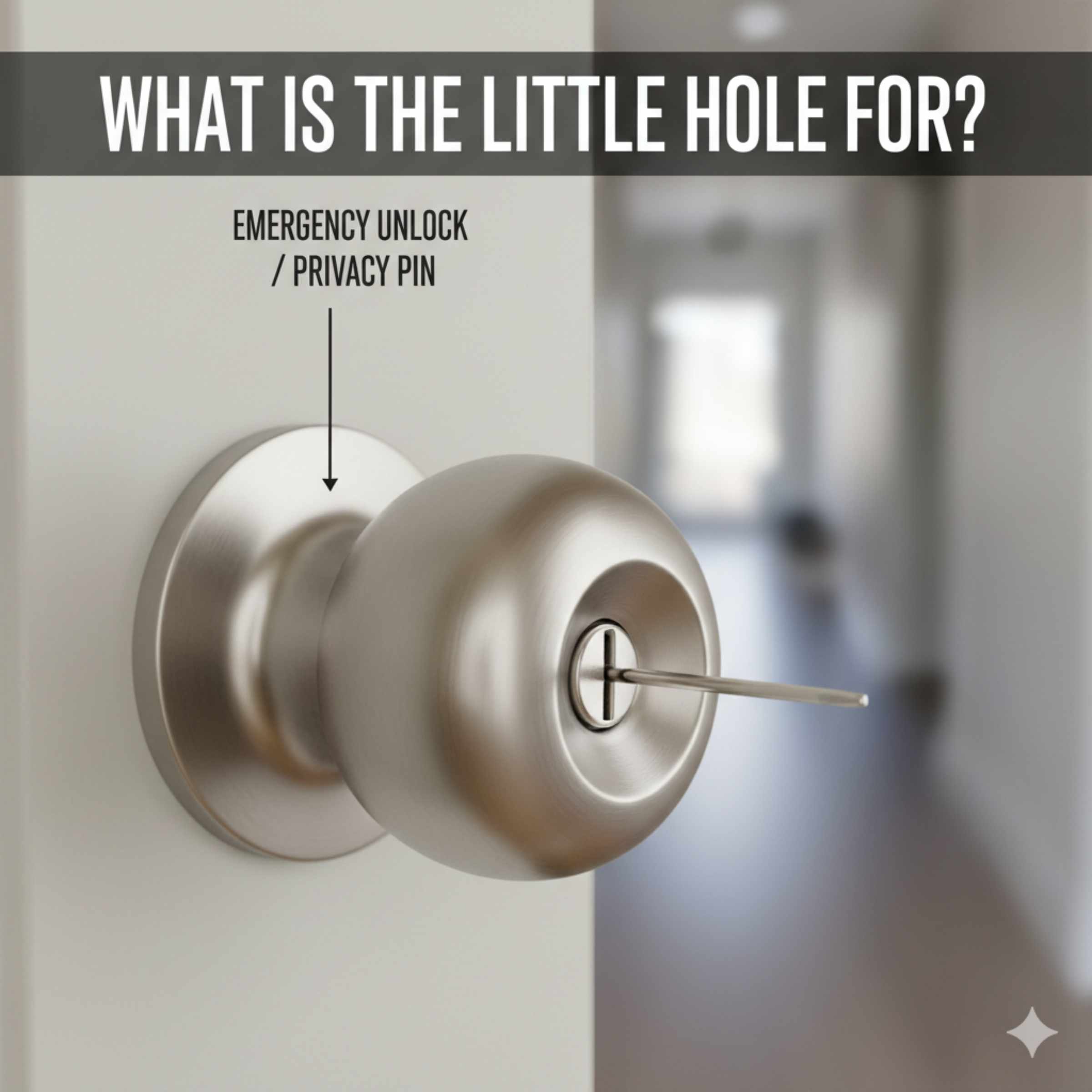
The small hole on your door knob is an emergency release, allowing you to unlock the door from the outside using a simple tool like a paperclip or thin screwdriver, usually when someone is accidentally locked inside.
Ever been puzzled by that tiny, often hidden hole on the side or front of a bedroom or bathroom door knob? You are not alone! This little mystery is a common feature on many interior privacy locks, and it often sparks curiosity, or sometimes, a moment of mild panic if a child locks themselves in. Don’t worry; this isn’t a flaw—it’s a built-in safety feature designed for easy access in emergencies. As your woodworking and home guide, I’m here to show you exactly what this hole is for, how to use it safely, and why it matters for your home security.
Understanding this simple mechanism will boost your DIY confidence immediately. We are going to demystify this common hardware feature, turning a confusing detail into a useful tool. Let’s explore the secrets hiding in plain sight on your door knobs!
Why Do Door Knobs Have That Mysterious Little Hole? Unmasking the Privacy Lock
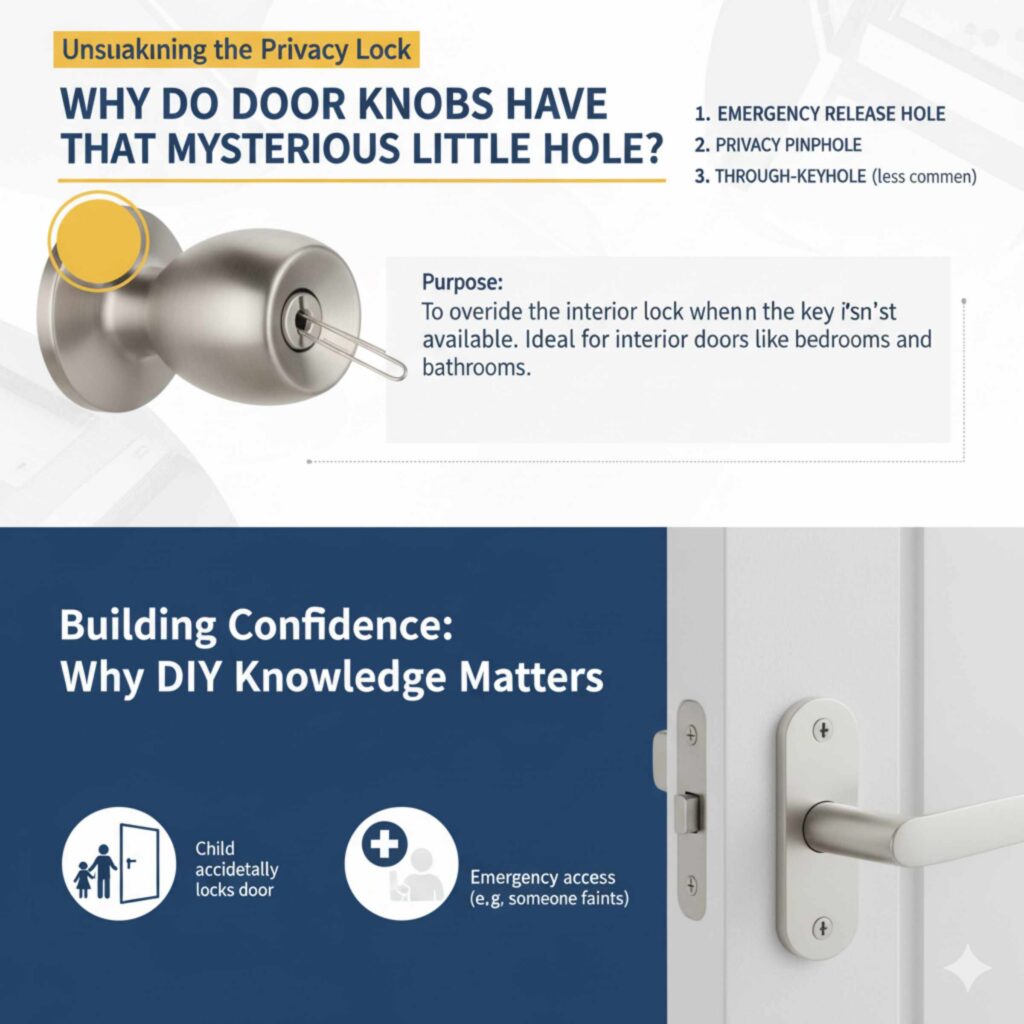
That seemingly insignificant pinprick on your door knob assembly is known by several names: the emergency release hole, the privacy pinhole, or sometimes, the through-keyhole (though this term is more common on exterior doors). Its purpose is singular and vital: to override the interior lock when the lock mechanism is engaged but the key isn’t available.
This feature is almost exclusively found on interior doors, most commonly bedrooms and bathrooms. These are often called “privacy locks,” meaning they lock from the inside for comfort, but they are not designed for high security like an exterior deadbolt. Think about when a child locks themselves in the bathroom while playing, or if someone feels faint inside and needs immediate access. The little hole ensures you can get in quickly without breaking the door or the knob itself.
Privacy vs Security: Knowing Your Door Knob Types
It’s important to know that the hole generally indicates a specific type of lock. Not all door knobs have this feature. Exterior doorknobs, which need real security against break-ins, typically use a key cylinder on the outside, not a simple push-button or turn-button mechanism that would require an emergency release hole.
Here is a quick breakdown of where you usually find this hole:
- Privacy Door Knobs: These are the most common culprits. They lock via a small turn-button or push-pin on the interior side. The hole on the exterior side is the access point to disengage that lock.
- Passage Doorknobs: These knobs don’t lock at all (like those on a hallway closet). They will not have this hole.
- Communicating Doors (e.g., adjoining hotel rooms): These sometimes have a key-operated lock on both sides, making the “hole” a keyway instead of a simple release. For our purposes today, we focus on the interior privacy release.
The Anatomy of the Emergency Release Mechanism
To truly understand the hole, let’s look briefly at what’s happening inside the knob. It’s simpler than you think! The mechanism relies on a small shaft or plunger that moves when you turn the button on the inside.
When you lock a standard privacy knob from the inside, a small pin or cam slides into place, preventing the knob from turning. The hole on the outside lines up perfectly with the end of that internal locking pin. When you insert the correct tool, you are essentially pushing that internal pin or cam out of the way, which immediately unlocks the door.
Tools You Need: Nothing Fancy Required
One of the best parts of this feature is the accessibility of the tool required. You rarely need to rush to the hardware store when you have this type of lock.
Here are common, safe items you can use to activate the emergency release:
- A straightened paperclip: The classic choice. Use a sturdy metal one, not the flimsy plastic-coated kind.
- A small flathead screwdriver: Look for one with a thin tip (often 1/8 inch or smaller).
- A nail or finish nail: If you have a small one handy, the tip often fits perfectly.
- A thin Allen wrench (Hex Key): Many household furniture kits come with these, and some are the perfect diameter.
Safety Note: Avoid using anything too thick or sharp that might break off inside the mechanism, like a heavy piece of wire or a pointed awl. You want to push, not drill!
Step-by-Step Guide: How to Unlock the Door Using the Hole
If you find yourself needing to use this feature, follow these simple steps. Remember, this is designed to be easy, so don’t overthink it. Precision and gentleness are your best friends here.
Step 1: Identify the Hole Location and Type
Look closely at the exterior side of the knob or lever.
- Round Knobs: The hole is usually dead center on the face of the knob, right across from the interior lock button.
- Lever Handles: The hole might be located on the face of the handle mechanism or sometimes on the escutcheon plate (the plate flush against the door).
Step 2: Select and Prepare Your Tool
Choose one of the suitable tools listed above. If you are using a paperclip, make sure it is straightened out completely so you have a nice, firm end to push with.
Step 3: Insert the Tool Straight In
Gently insert the tip of your chosen tool directly into the hole. You should feel it slide in easily for about half an inch to an inch.
Crucial Tip: Do not try to twist or angle the tool aggressively at first. The goal is to push straight back into the mechanism.
Step 4: Apply Firm, Steady Pressure
Once the tool is fully seated, apply steady, firm pressure straight inward, toward the door. You might feel a slight click or a distinct ‘stop’ as the tool makes contact with the locking pin.
You are pushing against the internal locking device. Keep pushing firmly. As you hold the pressure, have someone else try to turn the knob or pull the lever handle. If the lock is correctly engaged, the pressure you apply should disengage the mechanism, allowing the knob to turn and the door to open.
Step 5: Release and Test
Once the door opens, immediately remove your tool. The lock should now be reset to the unlocked position. If you were using a push-button lock, the button should now pop back out, or the mechanism should reset itself.
It is always wise to test the lock mechanism after an emergency release to ensure it’s functioning correctly for normal use afterward. For more in-depth information on residential hardware functionality, you can check resources from organizations like the National Association of Home Builders (NAHB) regarding standard installation practices.
Troubleshooting: When the Hole Doesn’t Seem to Work
Sometimes, the fix isn’t as straightforward as inserting a paperclip. If the door remains stubbornly locked, here are the common reasons why and how to fix them without damaging your door.
Problem 1: The Tool Isn’t Reaching Far Enough
The hole might be slightly deeper than your tool allows, or you might not be pushing hard enough. This is especially true with cheaper or older knobs where tolerances are looser.
- Solution: Try a slightly longer, thinner tool. If using a paperclip, try using a straightened coat hanger wire (if you have one) or a longer, sturdier nail. Ensure you are pushing perpendicular (straight in) to the door face.
Problem 2: You Are Pushing the Wrong Thing (Lever Handles)
Some lever handles do not use a simple pin-push system. They might require a different action, like inserting a tool into a slot and then turning it a quarter-turn.
- Solution: Look closely. If you see a small slot rather than a circular hole, try inserting your flathead screwdriver and gently rotating it 90 degrees clockwise or counter-clockwise. This often releases a latch mechanism instead of just pushing a pin.
Problem 3: The Knob Mechanism is Broken or Stuck
If the internal parts of the lock are rusted, bent, or have failed, no amount of pushing will work. This usually happens after heavy use or if the door swells due to humidity.
- Solution: If you have exhausted simple attempts, the next step is removal. If this is an emergency, you may need to remove the screws holding the knob assembly together (usually found on the interior side plate) to access the latch mechanism directly. For non-emergencies, it’s time to replace the hardware. New privacy knobs are very affordable, often costing less than $20 at major home improvement stores.
When Should You Use the Emergency Release Hole? (And When Not To)
This tool is designed purely for emergencies or accidental lockouts. Misusing it can damage the knob, and using it frequently can wear out the internal mechanism prematurely.
Appropriate Uses:
- A young child locks themselves in the bathroom and cannot understand how to unlock it.
- An elderly person locks themselves in a room and needs assistance.
- You accidentally lock the interior mechanism while the door is shut, and you need access to retrieve something important (like a phone or medicine).
Inappropriate Uses (And What To Do Instead):
If you are trying to bypass the lock because you are concerned about security, this hole is not the answer. It is a privacy override, not a security lock.
| Situation | Action to Take (Instead of Using the Hole) |
|---|---|
| You lost the key for a door that requires one. | Call a locksmith or replace the cylinder assembly. |
| You suspect someone is tampering with the room. | Install a high-security deadbolt or ensure all windows are locked. |
| The interior button seems jammed permanently. | Disassemble the knob (if comfortable) or call a handyman for repair/replacement. |
A Deeper Dive: The Standards Behind Door Hardware
The requirements for residential door hardware are governed by building codes designed for safety, particularly fire safety and accessibility. The presence of an emergency release on interior privacy locks is often mandated or strongly recommended by local building codes to prevent entrapment, especially in residential dwellings where occupants may have limited mobility or understanding of mechanisms (like small children).
Understanding how hardware adheres to these standards gives homeowners peace of mind. For instance, the Americans with Disabilities Act (ADA) sets standards for hardware operability, even though privacy locks fall under slightly different residential exceptions than public access doors. Knowing the basics of hardware installation and functionality helps ensure your home complies with general safety guidelines, which often encourage easy egress. Resources like the International Organization for Standardization (ISO) often publish guidelines that influence global construction standards, reinforcing the need for functional emergency exits, even on interior doors.
Comparing Interior Lock Types
To make sure you know what you are dealing with next time you buy hardware, here is a comparison:
| Lock Type | Exterior Side | Interior Side | Common Use |
|---|---|---|---|
| Privacy Lock | Emergency Release Hole | Push-button or Turn-lock | Bedrooms, Bathrooms |
| Keyed Entry Lock | Key Cylinder | Turn-lock or Key Cylinder | Front Doors, Back Doors |
| Passage Lock | None (Just a knob) | None (Just a knob) | Closets, Hallways |
Maintenance Tips for Smooth Knob Operation
A well-maintained lock lasts longer and responds better when you truly need that emergency release. Since these mechanisms are small, they can sometimes get sluggish.
Simple Maintenance Checks:
- Lubrication Check: If the knob or the interior lock button feels stiff, it might need a tiny amount of lubrication. Use a graphite-based lubricant or a silicone spray—never heavy oil, as it attracts dust and grime. A small puff into the keyhole or around the interior button usually suffices.
- Tightness Check: Periodically check the screws holding the interior and exterior knobs together. Loose screws can misalign the internal mechanism, causing the exterior hole not to line up correctly with the locking pin. A quick tightening with a screwdriver can fix this alignment issue.
- Cleaning the Pinhole: Dust and cobwebs can clog the tiny hole. Use a blast of compressed air (like the kind used for cleaning computer keyboards) to clear out any debris before attempting an emergency unlock.
Remember, the goal is always reliability. If your knobs are more than 15 years old and getting sticky, replacing them is an easy and affordable DIY project that dramatically improves the feel and function of your doors. A fresh set ensures that the emergency release will work exactly as intended when you need it most.
Building Confidence: Why DIY Knowledge Matters
Learning small secrets like the function of the door knob hole is a huge step in becoming a confident homeowner. You might have felt intimidated by the hardware before, thinking, “If this breaks, I’ll have to call someone expensive.” But now, you know that a simple paperclip is often all you need for a basic lockout scenario.
This principle applies to so many areas of home maintenance. Understanding the “why” behind a feature—whether it’s a mysterious hole, a strange sounding pipe, or an unusual electrical outlet—empowers you to troubleshoot safely and affordably. You are saving money and gaining independence every time you successfully handle a small home mystery.
Take pride in learning these essentials! It’s a core part of being a capable DIY enthusiast. We turned confusion into clarity, and that’s a job well done.

Frequently Asked Questions (FAQ) About Door Knob Holes
Q1: Can I use a lock-picking set on the emergency release hole?
A: No, you should not. This hole is designed for a direct push/release action, not for traditional lock picking. Using pick tools could damage the simple internal mechanism intended only for emergency access.
Q2: Does the hole mean the door is easier to break into from the outside?
A: Not significantly, no. This type of knob (a privacy lock) is inherently less secure than an exterior deadbolt. The hole itself doesn’t weaken the lock; it just provides an external way to bypass the internal locking button, which is intended only for emergencies.
Q3: What if my tool keeps bending when I push the hole?
A: If your tool keeps bending, it means you are either not pushing straight in, or the internal mechanism is stuck due to rust or damage. Switch to a sturdier metal object, like a sturdy nail or a small, unbent piece of thick wire, and ensure you apply pressure directly toward the center of the door.
Q4: Is this hole required by building codes for every interior door?
A: No. Building codes usually require this emergency release only on doors leading to hazardous areas (like bathrooms or bedrooms for small children) to ensure quick entry in case of falls or medical issues. Hall closets or simple passage doors usually don’t require it.
Conclusion: A Small Hole With a Big Purpose
That tiny hole on your door knob may look insignificant, but it plays a crucial role in everyday home safety and convenience. As you’ve seen, it’s not a design flaw or a manufacturing shortcut—it’s an intentional emergency release built into interior privacy locks, especially for bedrooms and bathrooms. Its sole purpose is to allow quick, damage-free access when someone is accidentally locked inside or needs help.
By understanding how this simple mechanism works, you gain more than just a fun bit of trivia. You gain confidence. Confidence to handle minor lockouts calmly, confidence to maintain your own hardware, and confidence to know when a lock is meant for privacy—not security. With nothing more than a paperclip and a steady hand, you can resolve a situation that might otherwise feel stressful or expensive.
Most importantly, this knowledge reinforces a key DIY principle: when you understand the why behind everyday home features, your house becomes less mysterious and more manageable. Small details like this emergency release hole are reminders that many home systems are designed with safety, accessibility, and simplicity in mind!