What Sizes Do Bifold Doors Come In: Essential Guide
Quick Summary
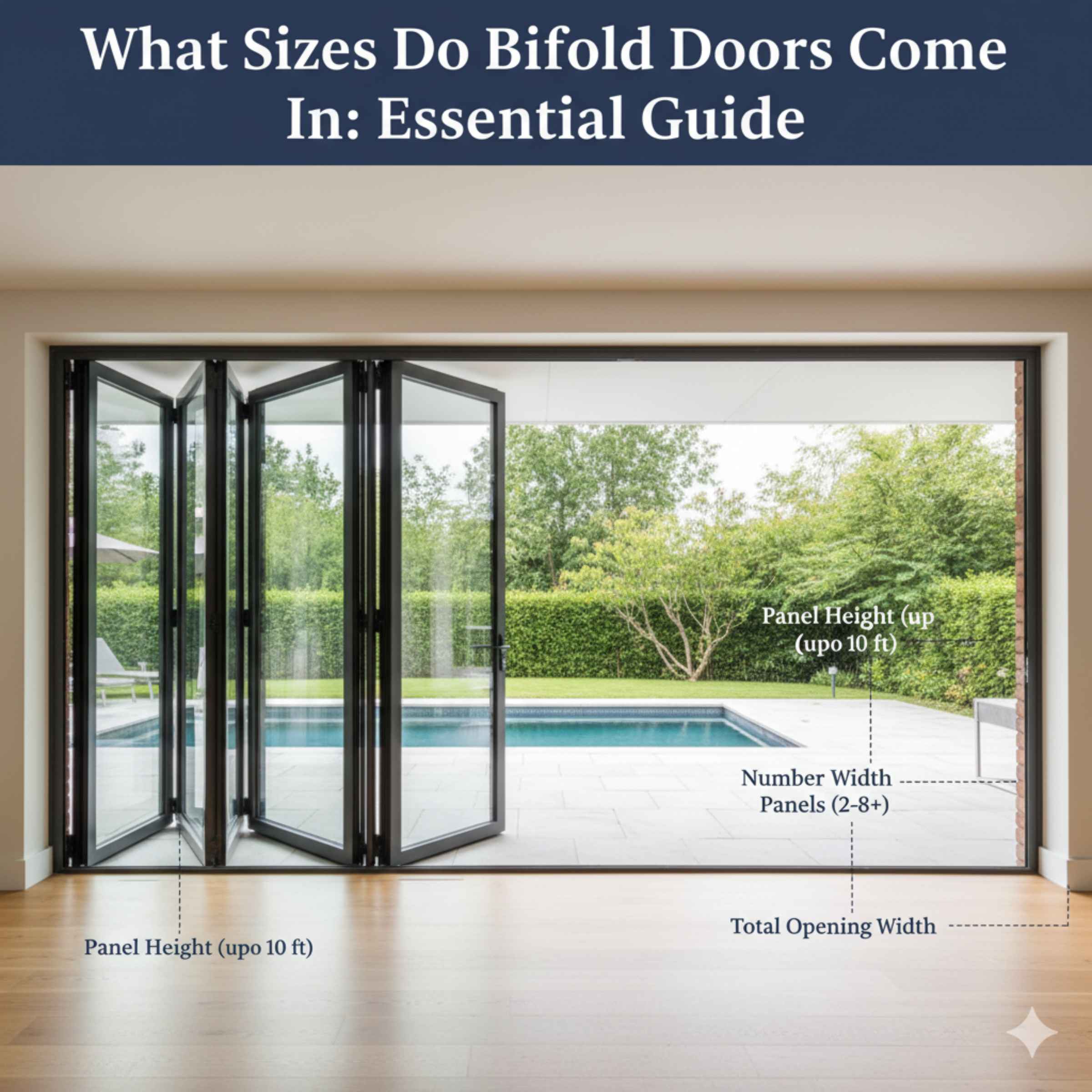
Bifold doors come in a wide range of standard and custom sizes to fit most openings. Standard widths typically range from 24 inches to over 10 feet, and heights are commonly 80 or 81 inches. You can also order custom sizes for unique spaces. Always measure carefully before buying!
Hey there, DIY enthusiasts and home improvers! Md Meraj here. Ever looked at a space in your home and thought, “A bifold door would be perfect here!”? Maybe you’re looking to add a touch of elegance to a closet, create a stylish room divider, or simply make better use of your space. But then comes the question: what sizes do bifold doors actually come in? It can feel a bit daunting trying to find the right fit, especially when you’re working on a do-it-yourself project. You want something that looks great, works smoothly, and doesn’t require a professional to install. That’s where I come in! I’m here to make finding the perfect bifold door size as easy as pie. We’ll walk through everything you need to know, from standard measurements to how to tackle those trickier, non-standard openings. Get ready to transform your space with confidence!
Understanding Bifold Door Sizes: A Beginner’s Guide
Bifold doors, with their clever folding action, are a fantastic solution for maximizing space and adding a stylish touch to any room. Unlike traditional swinging doors, they neatly tuck away, making them ideal for closets, laundry rooms, pantries, and even as room dividers. But before you fall in love with a particular style, the most crucial step is understanding the sizes available. Getting this right ensures a smooth installation and a door that functions beautifully for years to come.
The world of bifold doors isn’t one-size-fits-all, and that’s a good thing! Manufacturers offer a spectrum of standard sizes, but they also cater to unique architectural needs with custom options. This guide is designed to demystify the process, helping you confidently choose the right bifold door for your project, whether it’s a standard closet or an unusually shaped opening.
Why Door Size Matters So Much
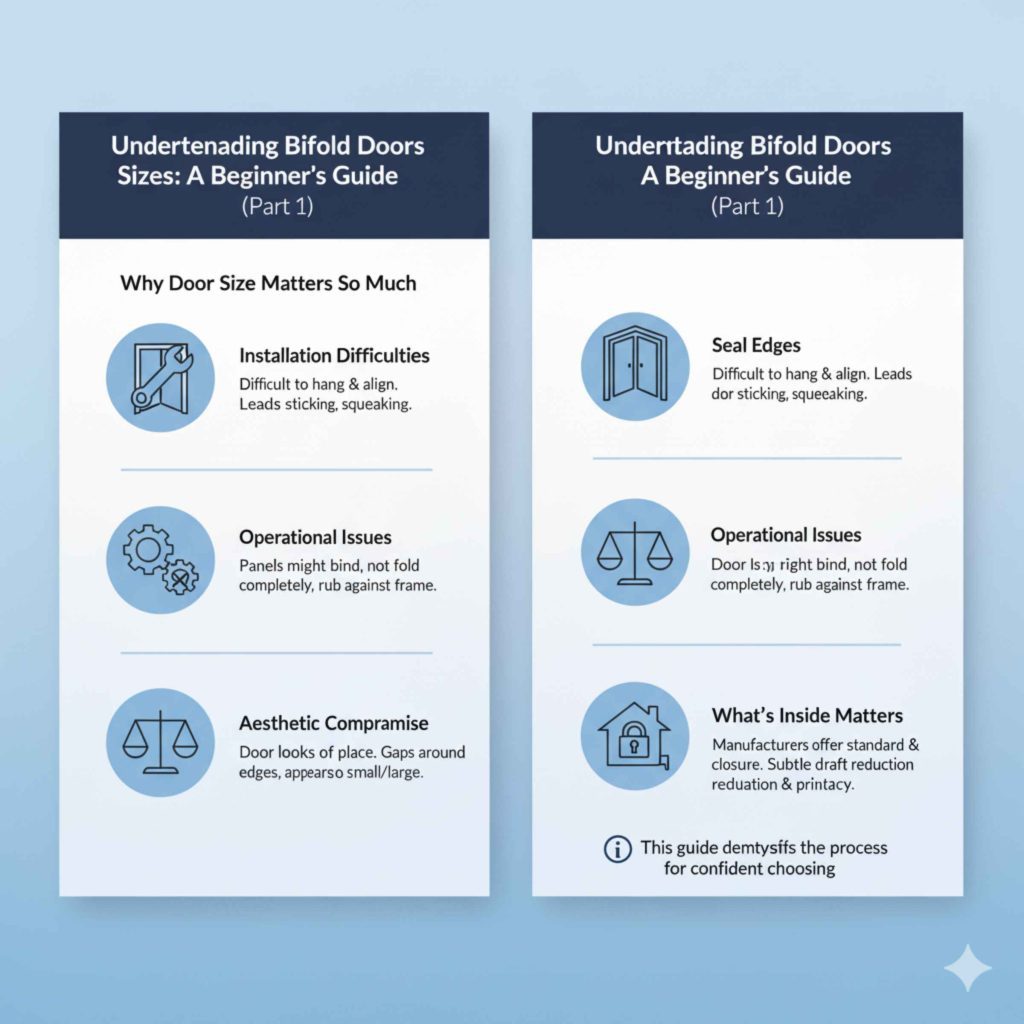
Choosing the correct bifold door size is more than just aesthetics; it’s about functionality and proper installation. A door that’s too wide or too narrow can lead to several problems:
- Installation Difficulties: A door that doesn’t fit the opening snugly can be incredibly difficult to hang and align properly. This can lead to sticking, squeaking, or even damage to the door or frame.
- Operational Issues: Bifold doors rely on precise alignment to fold and unfold smoothly. If the size is off, the panels might bind, not fold completely, or even rub against the frame, causing wear and tear.
- Aesthetic Compromise: A poorly sized door can look out of place, making the entire room feel unbalanced. Gaps around the edges or a door that seems to dwarf the opening are visual distractions.
- Security and Insulation: While less critical for interior doors, a proper fit ensures better closure, which can subtly help with draft reduction or maintaining privacy.
The good news is that with a little knowledge and careful measurement, you can avoid these pitfalls. Let’s dive into the standard sizes you’ll commonly find.
Standard Bifold Door Sizes: What to Expect
Manufacturers produce bifold doors in a range of standard sizes to accommodate the most common door openings found in homes. These are usually designed to fit standard rough openings for closets and doorways. When we talk about bifold door sizes, we’re generally referring to the size of the door slab itself, not necessarily the rough opening it fits into. However, most manufacturers provide guidelines on what rough opening size their doors are designed for.
The most common dimensions are based on width and height. Here’s a breakdown of what you’ll typically encounter:
Standard Widths
Bifold doors come in a variety of widths, designed to cover openings of different sizes. These are often sold in sets that include two doors that fold together. Common standard widths include:
- 24 inches: Often used for small closets or pantries.
- 30 inches: A very common size for standard bedroom or hallway closets.
- 36 inches: Suitable for larger closet openings or as a narrow room divider.
- 48 inches (4 feet): Typically a double-door set for wider closets.
- 60 inches (5 feet): Another common double-door set, often found in master bedrooms or living areas.
- 72 inches (6 feet): For very wide openings, sometimes used as a stylish patio door alternative or a significant room divider.
- 96 inches (8 feet) and larger: These are usually multi-panel systems for very expansive openings.
It’s important to note that the stated width of a bifold door set is usually the total width the doors will cover when installed. For example, a 60-inch bifold door set will cover a rough opening of approximately 60 inches wide. However, you’ll need to account for the frame and hardware, so the actual door slabs themselves will be slightly narrower to allow for movement and clearance.
Standard Heights
The height of bifold doors is generally more consistent, as they are designed to fit standard ceiling heights. The most common standard height for interior bifold doors is:
- 80 inches (6 feet 8 inches): This is the standard height for most interior doors in the US.
- 81 inches: You might find some doors at this height to accommodate slightly different framing or floor levels.
For taller ceilings, you may need to consider custom sizes or using a transom window above a standard-height bifold door. Some manufacturers do offer taller standard heights, such as 96 inches, but these are less common.
Common Bifold Door Size Combinations
To give you a clearer picture, here’s a table showing some typical bifold door sets and the approximate rough opening widths they are designed for. Remember, always check the manufacturer’s specifications for exact measurements and recommendations.
| Door Set Width | Approximate Rough Opening Width | Typical Use |
|---|---|---|
| 24 inches | 24 – 24.5 inches | Small closets, pantries |
| 30 inches | 29.5 – 30.5 inches | Standard closets |
| 36 inches | 35.5 – 36.5 inches | Larger closets, small room dividers |
| 48 inches (2 x 24″) | 47.5 – 48.5 inches | Double closets, wider openings |
| 60 inches (2 x 30″) | 59.5 – 60.5 inches | Master bedroom closets, living room dividers |
| 72 inches (2 x 36″) | 71.5 – 72.5 inches | Extra-wide openings, large room dividers |
As you can see, the standard sizes are quite versatile. However, what if your opening doesn’t match any of these? That’s where custom sizing comes in.
When Standard Sizes Don’t Fit: Custom Bifold Doors
Sometimes, the charm of an older home, a unique architectural design, or a DIY renovation project results in openings that aren’t standard. Don’t despair! Custom-sized bifold doors are readily available and can be a perfect solution. They allow you to get an exact fit for any opening, ensuring a professional look and optimal functionality.
What Does “Custom Size” Mean?
Custom bifold doors mean you can specify the exact width and height you need. This is particularly useful for:
- Unusual Widths: Openings that are wider or narrower than standard options.
- Non-Standard Heights: Homes with higher ceilings, lower ceilings, or unique architectural features that dictate a specific door height.
- Specialty Applications: Situations like wine cellars, custom cabinetry, or unique room divisions where precise dimensions are critical.
Ordering custom doors typically involves:
- Accurate Measurement: This is the most critical step. You’ll need to measure the rough opening (from stud to stud for width, and from floor to header for height) in at least three places for both width and height, and use the smallest measurement. Always consult the manufacturer’s measuring guide.
- Choosing Materials and Style: Custom orders allow you to select the material (wood, MDF, vinyl, metal), finish, and style of your bifold doors.
- Placing the Order: You’ll provide your exact measurements to the supplier or manufacturer.
- Waiting for Production: Custom doors are made to order, so there will be a lead time involved, typically a few weeks.
While custom doors offer the ultimate flexibility, they are generally more expensive than standard sizes. However, for those unique spaces, the investment can be well worth it for a perfect, tailor-made solution.
Measuring for Bifold Doors: Your Step-by-Step Guide
Accurate measurement is the absolute key to success when buying bifold doors, whether standard or custom. Taking the time to measure correctly will save you frustration, time, and money. Here’s how to do it like a pro, even if you’re a beginner.
What You’ll Need:
- A reliable tape measure
- A pencil
- A notepad or your phone to record measurements
- Someone to help you (especially for taller doors or wider openings)
How to Measure the Rough Opening:
The rough opening is the actual space framed out for the door. This is what you need to measure to determine the size of the bifold door system required.
-
Measure the Width:
- Measure the width of the opening at the top, middle, and bottom.
- Record all three measurements.
- Your final width measurement should be the smallest of the three. This ensures the door will fit even if the framing isn’t perfectly plumb.
-
Measure the Height:
- Measure the height of the opening from the floor to the underside of the header at the left side, right side, and in the middle.
- Record all three measurements.
- Your final height measurement should be the smallest of the three. This accounts for any unevenness in the floor or header.
-
Check for Squareness (Optional but Recommended):
- Measure diagonally from the top-left corner to the bottom-right corner.
- Then, measure diagonally from the top-right corner to the bottom-left corner.
- If these two diagonal measurements are equal, the opening is square. If they differ significantly, you may have a slightly out-of-square opening, which can affect installation.
Important Note: Always refer to the specific measuring instructions provided by the bifold door manufacturer you plan to purchase from. Some may ask for finished opening measurements, while others prefer rough opening. The rough opening is generally the safest bet for ordering pre-hung doors or door slabs.
What About Existing Door Slabs?
If you’re replacing an existing bifold door, you might be tempted to measure the old door slab. While this can give you a ballpark idea, it’s not always accurate for ordering new ones. Old doors can shrink, warp, or have been trimmed over time. Always measure the rough opening for the most precise fit. You can use the old door’s dimensions as a reference point, but confirm them against the opening.
For more in-depth guidance on measuring for doors, resources like the This Old House website offer excellent, practical advice.
Types of Bifold Doors and Their Size Considerations
The material and construction of bifold doors can sometimes influence the sizes available or how they are specified. Understanding these variations can help you make a more informed choice.
1. Wood Bifold Doors
These are classic and can be found in a vast array of styles, from louvered to paneled. Wood offers a warm, natural look and can often be custom-made to specific dimensions. However, wood can be heavier, so larger sizes might require more robust hardware.
- Pros: Aesthetically pleasing, can be painted or stained, good insulation properties.
- Cons: Can be more expensive, susceptible to warping or humidity changes if not properly finished, heavier.
- Size Availability: Excellent range of standard sizes, and highly customizable.
2. MDF/Composite Bifold Doors
Made from engineered wood fibers, MDF doors are a popular choice for their smooth finish, which is ideal for painting. They are generally less expensive than solid wood and are less prone to warping. They come in many styles, often mimicking wood grains.
- Pros: Smooth surface for painting, stable (less prone to warping), affordable.
- Cons: Not as durable as solid wood, susceptible to water damage if not protected.
- Size Availability: Widely available in standard sizes, custom options are also common.
3. Vinyl/PVC Bifold Doors
These are lightweight, durable, and moisture-resistant, making them a great option for areas like bathrooms or laundry rooms where humidity can be an issue. They often come in pre-finished colors and are easy to clean.
- Pros: Moisture-resistant, low maintenance, lightweight, often budget-friendly.
- Cons: Can look less premium than wood, may not be as sturdy for very large openings.
- Size Availability: Mostly available in standard sizes, custom options might be limited depending on the manufacturer.
4. Metal Bifold Doors (Less Common for Interiors)
While more common for exterior applications (like large patio or bi-folding glass doors), some interior metal bifold doors exist, often with a more industrial or modern aesthetic. They are typically very durable and can span large openings.
- Pros: Extremely durable, can span very large openings, modern look.
- Cons: Can be very expensive, heavy, less insulation than wood or composite.
- Size Availability: Often custom-made for large-scale projects.
When considering size, think about the material’s weight and structural integrity, especially for widths exceeding 48 inches. The hardware and track system are also designed to support specific weights, so always check the manufacturer’s recommendations.
Factors Influencing Bifold Door Sizes
Beyond the standard and custom options, a few other factors can influence the size and type of bifold door you choose:
1. Type of Opening
Closets: Most closet openings are standard, making it easy to find pre-hung or slab bifold doors in common widths (24″, 30″, 36″, 48″, 60″). Standard heights of 80″ or 81″ are typical.
Room Dividers: For dividing larger spaces, you’ll often be looking at wider sets (60″, 72″, or even larger multi-panel systems). These might lean more towards custom orders or specialized products to ensure stability and smooth operation.
Specialty Areas (Pantries, Laundry Rooms): These can vary. Small pantries might use 24″ or 30″ doors, while laundry rooms might need wider openings to accommodate appliances. Moisture resistance (like vinyl or properly finished wood/MDF) is a key consideration here.
2. Hardware and Track Systems
The hardware (hinges, pivots, guides) and the track system are integral to bifold door function. The size and weight of the door slabs will dictate the type of hardware needed. Heavy doors require sturdier tracks and hinges. Most standard bifold doors come with the appropriate hardware, but for custom or oversized doors, ensuring the hardware can support the load is crucial. For example, a 72-inch wide bifold door set will have different hardware requirements than a 24-inch single closet door.
3. Clearance and Stacking Space
Bifold doors work by folding in half and then stacking to one side of the opening. When measuring, consider how much space each panel will take up when folded. Typically, a bifold door requires about half the width of a single panel to stack neatly. For example, a 30-inch wide door slab might stack into about 15 inches of space on the side.
This is an important consideration for room dividers where you want maximum open space. Ensure there’s enough wall space on either side of the opening for the doors to fold into without obstruction.
4. Local Building Codes and Regulations (Less Common for Interiors)
While primarily a concern for exterior doors (e.g., egress requirements for emergency exits), it’s always good practice to be aware of any local building codes. For interior bifold doors, this is rarely an issue, but for very large room dividers or unique installations, it’s worth a quick check with your local building department if you’re unsure.
Bifold Door Size Charts: A Quick Reference
To help you visualize, here’s a quick reference table for common bifold door sizes and their typical applications. Remember that these are general guidelines, and actual available sizes can vary by manufacturer and product line.
| Nominal Size (Width x Height) | Approximate Rough Opening (Width x Height) | Typical Application | Notes |
|---|---|---|---|
| 24″ x 80″ | 24″ – 24.5″ W x 80.5″ – 82″ H | Small closets, pantries, utility rooms | Single door slab or part of a wider set |
| 30″ x 80″ | 29.5″ – 30.5″ W x 80.5″ – 82″ H | Standard closets (bedrooms, hallways) | Very common size |
| 36″ x 80″ | 35.5″ – 36.5″ W x 80.5″ – 82″ H | Larger closets, small room dividers | Can be a single slab or part of a set |
| 48″ x 80″ (Set of 2 x 24″) | 47.5″ – 48.5″ W x 80.5″ – 82″ H | Double closets, wider openings | Two 24″ doors folding to one side |
| 60″ x 80″ (Set of 2 x 30″) | 59.5″ – 60.5″ W x 80.5″ – 82″ H | Master bedroom closets, living area dividers | Two 30″ doors folding to one side |
| 72″ x 80″ (Set of 2 x 36″) | 71.5″ – 72.5″ W x 80.5″ – 82″ H | Extra-wide openings, large room dividers | Two 36″ doors folding to one side |
| 96″ x 80″ (Set of 4) | 95.5″ – 96.5″ W x 80.5″ – 82″ H | Very large openings, open-concept living | Four doors, often folding to center or sides |
| Custom Sizes | As specified | Any application with non-standard openings | Requires precise measurement and ordering |
Height Variations: While 80″ is standard, some doors come in 81″ or even taller heights (e.g., 96″). Always verify the exact height of the door slab and the recommended rough opening height with the manufacturer.
For more detailed information on door dimensions and rough openings, the Building Science Information site provides valuable context on how openings are framed.
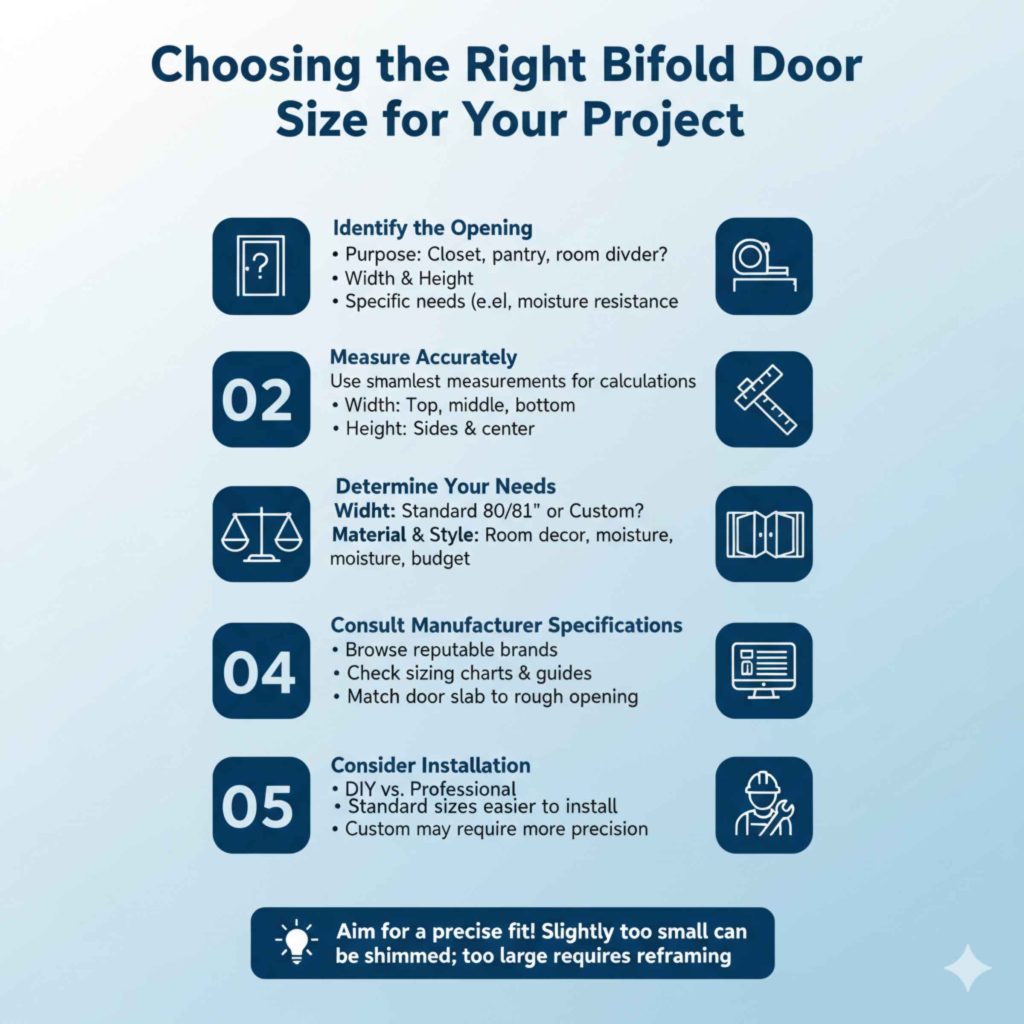
Choosing the Right Bifold Door Size for Your Project
Now that you know the common sizes and how to measure, let’s put it all together to choose the right bifold door for your specific project.
Step 1: Identify the Opening
What is the purpose of this opening? Is it a closet, a pantry, a laundry room, or a room divider? This will help determine the required width and any specific needs like moisture resistance.
Step 2: Measure Accurately
As detailed in the measuring section, carefully measure the width and height of the rough opening. Take multiple measurements and use the smallest for your calculations.
Step 3: Determine Your Needs
- Width: Based on your measurements, decide if a standard size will work, or if you need to look into custom options. If your opening is slightly larger than a standard size, you might be able to use trim to fill the gap, but it’s often best to get a door that fits the opening more closely. If it’s smaller, you may need to adjust framing.
- Height: Standard 80″ or 81″ doors are common. If your ceiling height is significantly different, you’ll likely need custom doors or a creative solution like adding a transom above a standard door.
- Material and Style: Consider the room’s decor, moisture levels, and your budget.
Step 4: Consult Manufacturer Specifications
Once you have an idea of the size you need, browse bifold doors from reputable manufacturers. Look for their sizing charts and measuring guides. They will specify the exact door slab dimensions and the recommended rough opening dimensions for each product.
Step 5: Consider Installation
Are you comfortable with DIY installation? Standard sizes are generally easier to install because they are designed for typical framing. Custom doors might require more precision during installation. If you’re unsure, consider hiring a handyman or contractor for installation, especially for larger or custom-sized doors.
Remember, it’s often better to have a door that is slightly too small for the rough opening (and can be shimmed and trimmed to fit perfectly within the frame) than one that is too large and requires significant framing adjustments. However, for bifold doors, a precise fit is crucial for their folding mechanism, so aim for the closest match possible.
Frequently Asked Questions (FAQ)
Here are some common questions beginners have about bifold door sizes:
Q1: Can I use a standard 80-inch tall bifold door if my opening is slightly taller, like 82 inches?
A1: Yes, you generally can. Standard 80-inch doors are designed to fit into rough openings that are slightly taller, typically up to 81 or 82 inches. This allows for the track hardware to be installed above the door slab. Always check the specific product’s installation guide for the maximum allowable rough opening height.
Q2: What’s the difference between a bifold door size and the rough opening size?
A2: The bifold door size (e.g., 30″ x 80″) usually refers to the nominal size of the door slab itself. The rough opening is the actual framed space in the wall where the door will be installed. A bifold door needs to fit within this rough opening, with a small clearance for hardware and smooth operation. Manufacturers provide guidelines on the rough opening size their doors are designed for.
Q3: My opening is exactly 30 inches wide. Should I buy a 30-inch bifold door?
A3: For bifold doors, it’s often recommended to buy a door set that is the same width as your rough opening, or very slightly smaller (e.g., 1/4 inch less). The door manufacturer’s specifications will detail the exact rough opening width their 30-inch door set is designed to fit. They are engineered to account for the track and hardware, and to provide minimal gaps. If your opening is precisely 30 inches, a 30-inch nominal bifold door set is likely what you need, but always verify the manufacturer’s specific requirements.
Q4: Can bifold doors be cut down to fit a smaller opening?
A4: While some bifold doors (especially solid wood or MDF) can be trimmed slightly in width, it’s generally not recommended, particularly for the folding mechanism. Trimming can affect the balance and how the panels fold. It’s always best to buy a door that fits your opening as closely as possible. If your opening is significantly smaller than standard sizes, consider custom doors or a different type of door.
Q5: How do I know if I need a left-hand or right-hand bifold door?
A5: Bifold doors usually don’t have a specific “left-hand” or “right-hand” designation in the same way a standard hinged door does. They are typically symmetrical or designed to be installed in pairs that fold in a specific way. The installation hardware will guide how they are hung. However, the direction they fold (e.g., folding all to the left, all to the right, or splitting to both sides) is determined during installation based on your preference and the space available.
Q6: Are custom bifold doors much more expensive than standard sizes?
A6: Yes, custom bifold doors are generally more expensive than standard sizes. This is because they are made-to-order, often involving specialized manufacturing processes. However, the cost can vary greatly depending on the material, style, and the complexity of the custom dimensions. For unique spaces, the investment in a custom fit can be well worth it.
Q7: What is the widest standard bifold door size available?
A7: The widest standard bifold door sets commonly available typically go up to 72 inches (two 36-inch doors) or 96 inches (four doors that can fold to one side or split). For openings wider than 96 inches, you will almost certainly need to look into custom-made bifold door systems or large sliding/folding door systems designed for very wide spans.
Conclusion
Navigating the world of bifold door sizes doesn’t have to be a puzzle. Whether you’re looking for a standard size to refresh a closet or contemplating a custom solution for a unique architectural feature, the key is accurate measurement and understanding your options. Standard bifold doors offer a fantastic range of widths and heights, typically fitting most common openings with ease.
Remember the standard widths from 24 inches up to 72 inches (and beyond for multi-panel systems) and the common 80-inch height. For those trickier spaces, custom sizing provides the perfect fit, ensuring your bifold doors operate flawlessly and enhance your home’s aesthetic. Always measure twice, check manufacturer guidelines, and don’t hesitate to ask for help if you’re unsure.
With this guide, you’re now well-equipped to confidently select the right bifold door size for your next DIY project. Happy renovating, and enjoy the beautiful, space-saving functionality bifold doors bring to your home!