
Who Invented Door Knobs? A Deep Dive into the History of an Everyday Object
Hey there! Imagine you’re reaching for a door knob to enter your home, a shop, or your office. It’s such a simple act, right? You probably don’t even think about it. But have you ever wondered who came up with this clever little invention? Who invented door knobs, and how did they become such an essential part of our daily lives? I’ve been digging into this topic for a while now, and let me tell you, the story behind door knobs is way more fascinating than you might expect! From ancient wooden bars to sleek modern designs, door knobs have a rich history that reflects human ingenuity and creativity.
In this article, I’m going to take you on a journey through time. We’ll explore the origins of door knobs, the brilliant mind behind their modern design, and how they’ve evolved into the stylish and functional pieces we use today. I’ll break it all down with clear headings, some fun facts, and even a handy table to keep things organized. Whether you’re a history buff, a home improvement enthusiast, or just curious about the world around you, this article is for you. So, let’s open the door (pun intended!) and dive into the story of who invented door knobs!
The Early Days: How Did People Secure Doors Before Knobs?
Let’s start way back—way, way back. Before door knobs existed, people still needed ways to open and close doors. In ancient times, doors weren’t as common as they are now. Many homes in places like ancient Egypt or Mesopotamia used curtains, animal hides, or simple wooden panels. But when doors did show up, they needed some kind of mechanism to keep them shut.
In ancient Egypt, around 3000 B.C., people used basic wooden bars or stone blocks to secure their doors. These weren’t exactly user-friendly. Imagine lifting a heavy wooden beam every time you wanted to lock your door! It worked for basic security, but it wasn’t convenient. The Greeks and Romans took things a step further. They used crude metal latches and even early versions of locks with keys. These locks were often massive—some keys were as long as two feet! The key doubled as a handle to slide a bolt across the door.
By the Middle Ages, things got a bit more sophisticated. Wealthy folks in Europe had iron latches or bolts on their doors. These were often paired with leather straps or simple pull handles to open the door. If you were poor, you might just use a latch-string—a piece of leather threaded through a hole in the door and looped around a wooden bar. It was cheap and effective, but not exactly secure. Anyone could pull the string and walk right in!
What’s wild to think about is that these early systems were more about keeping doors closed than about style or ease of use. Doors were heavy, and locks were expensive. Only the rich could afford fancy hardware. For most people, function trumped form. But as societies grew and technology advanced, the stage was set for something better—like the door knob.
The Game-Changer: Osbourn Dorsey and the Modern Door Knob
Now, let’s fast-forward to the 19th century, where the real magic happens. The modern door knob, as we know it, was born in 1878, thanks to a young African American inventor named Osbourn Dorsey. I was blown away when I first learned about him. At just 16 years old, this guy changed the world of home hardware forever!
Osbourn Dorsey was born in 1836 in Virginia. Historical records suggest he was born into slavery but was freed as an infant. He grew up to be a self-taught inventor with a knack for solving everyday problems. In 1878, he filed a patent (number 210,764) with the U.S. Patent Office for a “door-holding device.” This wasn’t just any old invention—it was the first documented design for a modern door knob and latch system.
Dorsey’s design was brilliant in its simplicity. His door knob was a “case or cap” that could be screwed onto a door. It connected to a spindle that turned a latch, making it easy to open and close doors with a quick twist. Before this, people were still messing around with clunky latches or leather straps. Dorsey’s invention was a game-changer because it was secure, easy to use, and affordable to produce. It worked so well that it became the foundation for the door knobs we use today.
What I love about Dorsey’s story is how it shows the power of innovation. Here was a young man, facing all sorts of challenges in a post-Civil War America, yet he came up with an idea that’s still part of our lives over 140 years later. Every time I turn a door knob, I can’t help but tip my hat to Osbourn Dorsey.
The Industrial Revolution: Making Door Knobs for Everyone
Okay, so Dorsey invented the modern door knob, but why did it catch on so fast? The answer lies in the Industrial Revolution. This was a time when factories were popping up, and mass production was changing the game. Before the 1800s, door hardware was mostly handmade. That meant it was expensive, and only the wealthy could afford nice locks or latches.
By the mid-19th century, things were different. Factories could churn out metal parts quickly and cheaply. This made door knobs more affordable for everyday folks. Suddenly, you didn’t need to be a king or a noble to have a proper door knob in your home. Materials like brass, iron, and even glass became popular for making knobs. The variety of designs exploded, too. People started to care about style as much as function.
During this time, other inventors were also tinkering with door hardware. For example, Linus Yale Sr. and his son, Linus Yale Jr., were working on advanced locks. Their pin tumbler lock, patented in 1861, paired perfectly with Dorsey’s door knob design. Together, these innovations made doors more secure and easier to use. It’s like the peanut butter and jelly of home security!
The Industrial Revolution also brought new materials into play. Glass door knobs, made possible by a glass-pressing machine invented in 1826, became a big hit. These knobs were affordable and added a touch of elegance to homes. By the late 1800s, you could find door knobs made of everything from cast iron to porcelain. It was a golden age for door hardware, and Dorsey’s invention was at the heart of it.
From Function to Fashion: The Evolution of Door Knob Designs
As door knobs became more common, they also became a way to show off style. I find it so cool how something as practical as a door knob turned into a design statement. By the late 19th century, people weren’t just thinking about keeping their doors closed—they wanted their knobs to look good, too.
In the Victorian era, door knobs got fancy. Think ornate brass knobs with intricate patterns or sparkling crystal knobs that caught the light. These weren’t just tools; they were like jewelry for your doors. The “mushroom” knob, with its rounded top and tapered base, was a popular choice. So were glass knobs, which were often cut to look like gemstones.
The early 20th century brought new styles. Art Deco and Art Nouveau movements inspired sleek, geometric designs. By the 1920s, architects like Ludwig Wittgenstein were even designing door handles as part of their vision for modern buildings. It’s wild to think that something as small as a door knob could be part of a bigger artistic movement!
Today, door knobs come in every style you can imagine. There are minimalist stainless steel knobs for modern homes, vintage-inspired brass knobs for historic houses, and even smart knobs with digital locks for tech-savvy homeowners. The evolution of door knobs shows how we’ve always wanted our homes to reflect who we are—both in function and in style.
Here’s a quick table to sum up how door knob materials have changed over time:
| Era | Common Materials | Key Features |
|---|---|---|
| Ancient Times | Wood, Bone, Stone | Simple, functional, often crude |
| Middle Ages | Iron, Leather | Basic latches, limited decoration |
| 19th Century | Brass, Glass, Porcelain | Mass-produced, decorative designs |
| Early 20th Century | Crystal, Cut Glass, Metal | Art Deco and Art Nouveau influences |
| Modern Day | Stainless Steel, Polymers | Smart locks, keyless entry, durability |
Door Knobs vs. Lever Handles: What’s the Difference?
Now, you might be wondering about the difference between door knobs and lever handles. I get this question a lot when I talk about door hardware. Both do the same job—opening and closing doors—but they have some key differences.
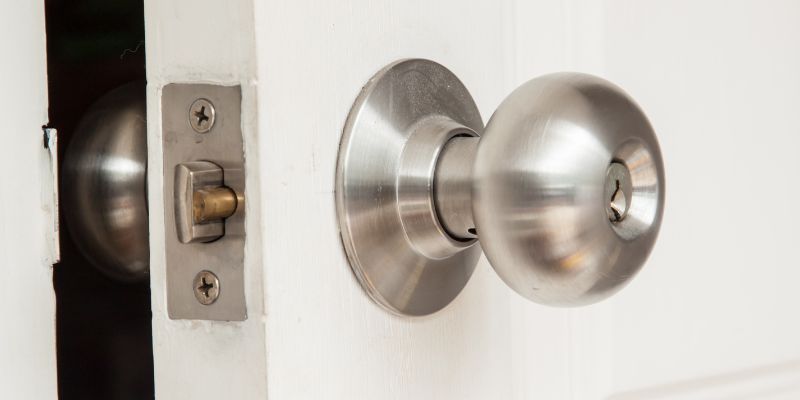
Door knobs are round and require a twisting motion to operate. They’re classic, and thanks to Osbourn Dorsey, they’ve been around since 1878. Knobs are great for interior doors and can be super stylish. But they’re not always the easiest to use, especially for people with limited hand strength, like kids or the elderly.
Lever handles, on the other hand, are long and flat. You just push down to open the door. They’ve been around for centuries, too, but they became more popular in the 20th century. Levers are easier to use for people with mobility issues, which is why you see them a lot in public buildings. In fact, some places, like Vancouver, Canada, have even banned round door knobs in new homes to make buildings more accessible.
Both options have their pros and cons. Knobs are harder for pets or toddlers to open, which can be a plus. Levers are more accessible but can be a hazard for kids who might bump into them. When I was renovating my own home, I went with lever handles for the main doors because they felt more modern and user-friendly. But I kept classic brass knobs for the interior doors to add a touch of vintage charm.
The Cultural Impact of Door Knobs
Here’s where things get really interesting. Door knobs aren’t just about opening doors—they’ve got a cultural side, too. In movies and books, door knobs often symbolize something bigger. Think about a creepy horror movie where the door knob slowly turns by itself. It’s a small detail, but it builds so much suspense! Or in a story, turning a door knob might represent a new beginning, like stepping into a new phase of life.
In architecture and design, door knobs are a big deal. They’re one of the few parts of a building you actually touch. That makes them a “haptic bridge” between you and the space, as one architect put it. When I’m walking through an old house, I always notice the door knobs. They tell a story about the people who lived there and the era they were from.
Door knobs also have a place in education. If you study architecture or design, you’ll learn about how small details like knobs can affect a building’s functionality and vibe. It’s not just about looks—it’s about how the knob feels in your hand and how it fits with the overall design of the space.
Modern Innovations: Smart Knobs and Beyond
Let’s bring things into the 21st century. Door knobs have come a long way since Dorsey’s time. Today, we’ve got smart door knobs that can do all sorts of cool things. I recently installed a smart lock on my front door, and it’s been a game-changer. These knobs (or levers) let you unlock your door with a smartphone app, a fingerprint, or even a voice command. No more fumbling for keys!
Smart knobs are part of the bigger trend of smart homes. They often come with features like anti-pick pins or reinforced strike plates for extra security. Some even connect to your home’s Wi-Fi, so you can check if your door is locked from halfway across the world. It’s amazing how far we’ve come from leather straps and wooden bars!
But even with all this tech, the basic idea behind Dorsey’s door knob hasn’t changed. It’s still about making doors easy to open and secure to lock. The materials and designs have evolved, but the core concept is still the same. That’s what makes his invention so timeless.
Why Door Knobs Matter in Home Improvement
As someone who loves home improvement, I can’t stress enough how important door knobs are. They’re not just functional—they set the tone for a room. When I was updating my kitchen, I swapped out the old, dated knobs for sleek stainless steel ones. It was a small change, but it made the whole space feel more modern.
Choosing the right door knob is about balancing style, function, and budget. If you’re restoring a historic home, you might want vintage brass or glass knobs to keep the period vibe. For a new build, smart knobs or minimalist levers might be the way to go. Whatever you choose, think about how the knob feels in your hand and how it fits with your home’s overall look.
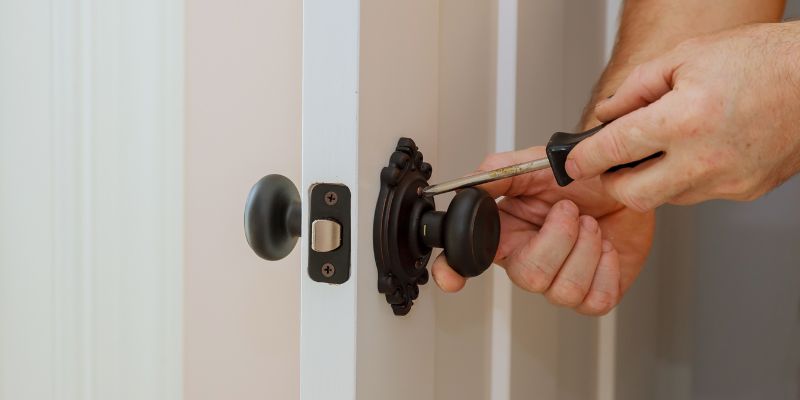
Installation is another thing to consider. Most door knobs are easy to install with a screwdriver and a bit of patience. But if you’re adding a smart lock or a complex latch system, you might want to call a pro. I learned this the hard way when I tried to install a smart lock myself and ended up with a door that wouldn’t latch properly!
Conclusion
Wow, what a journey! From ancient wooden bars to Osbourn Dorsey’s game-changing patent to today’s high-tech smart knobs, the story of door knobs is a testament to human creativity. I’ve loved diving into this topic and learning how something so small can have such a big impact on our lives. Every time you turn a door knob, you’re touching a piece of history—a simple device that’s been refined over centuries to make our homes safer, more stylish, and more accessible.
Osbourn Dorsey’s invention in 1878 was a turning point. It brought convenience and security to everyday people, not just the wealthy. And from there, door knobs became a canvas for design, a symbol in art, and a key part of modern home improvement. Whether you’re a homeowner looking to upgrade your hardware or just someone who loves a good story, I hope this article has given you a new appreciation for the humble door knob.
Next time you open a door, take a moment to think about the ingenuity behind that twist. It’s a small act that connects you to centuries of innovation. And if you’re thinking about updating your own door knobs, go for it! It’s an easy way to add a touch of personality to your home. Thanks for joining me on this deep dive—I can’t wait to explore more home improvement topics with you!
FAQs
Who Really Invented the Modern Door Knob?
The modern door knob was invented by Osbourn Dorsey, a 16-year-old African American inventor, in 1878. He patented a design that included a knob and latch system, making it easier to open and close doors securely.
What Were Used Before Door Knobs?
Before door knobs, people used wooden bars, stone blocks, leather straps, or iron latches to secure doors. In ancient times, curtains or animal hides were common, while wealthier folks had basic locks with large keys.
Why Are Lever Handles More Popular Than Knobs in Some Places?
Lever handles are easier to use for people with limited hand strength, like the elderly or those with disabilities. They require a simple push rather than a twist. Some places, like Vancouver, prefer levers for accessibility in new homes.
Are Smart Door Knobs Worth It?
Smart door knobs can be worth it if you value convenience and security. They offer features like keyless entry, remote locking, and integration with smart home systems. However, they’re pricier than traditional knobs, so weigh your needs and budget.
How Can I Choose the Right Door Knob for My Home?
Consider your home’s style, your budget, and how the knob will be used. For a vintage look, go for brass or glass knobs. For modern homes, try stainless steel or smart knobs. Make sure the knob feels good in your hand and matches your door’s function.