Are Ceramic Heaters Worth the Money? Cost, Safety, and Fit
Ceramic heaters are worth it for supplemental, single-room heat if you value fast warm-up and built-in safety features, but they do not save energy compared to any other electric resistance heater of the same wattage. A ceramic heater’s PTC (positive temperature coefficient) plates simply convert electricity to heat the same way a coil or oil element does; the appeal is in the safety design and how the heat is delivered, not in lower running cost. Here is what actually differs and where the money goes.
What makes ceramic heaters different
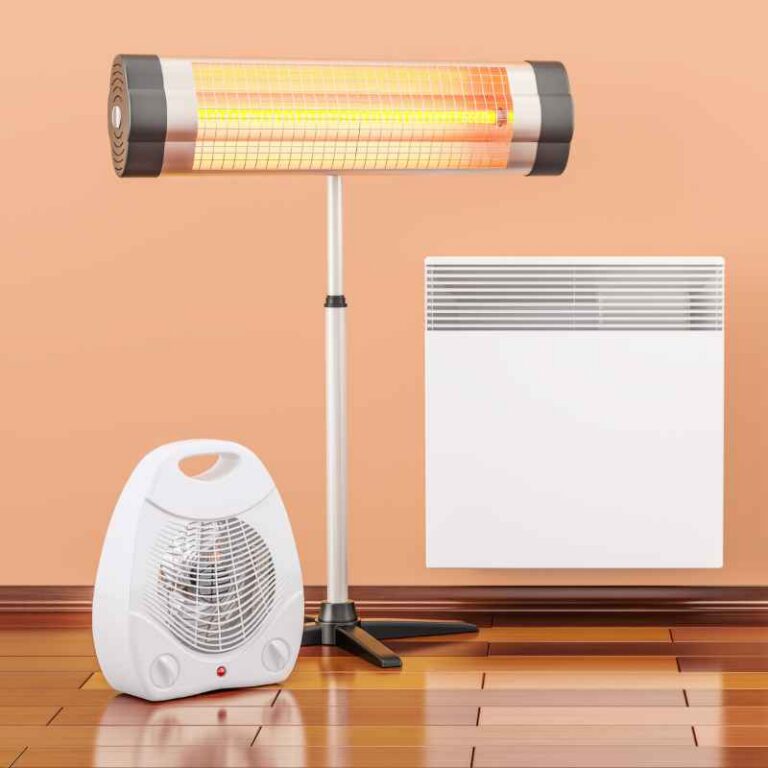
PTC ceramic elements are self-limiting: as the plate’s temperature rises, its electrical resistance increases, which naturally throttles current draw and caps the plate’s maximum temperature without needing a separate thermal cutoff to do all the work. This makes ceramic elements inherently harder to overheat to a dangerous point than a bare metal coil, and it is why many ceramic heaters can run with a cooler-touch housing. Most ceramic models use a small fan to push heated air out (fan-forced convection), which warms a room’s air faster and more evenly than a purely radiant unit.
Cost: purchase price vs. running cost
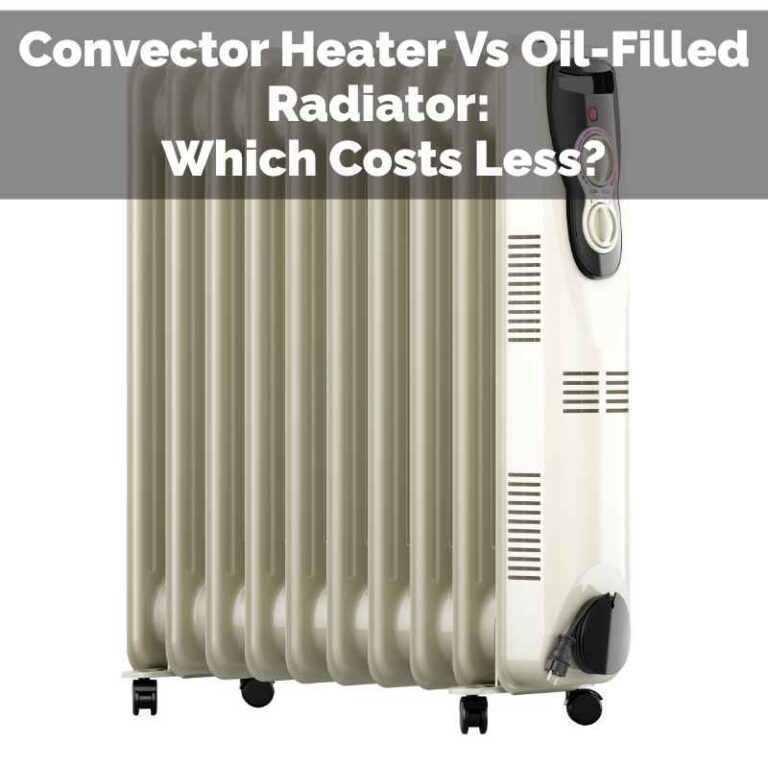
Upfront cost typically runs $25 to $90 depending on size and features like oscillation or a digital thermostat. Running cost follows the same watts-times-hours-times-rate math as any electric heater: a 1,500W unit costs roughly $0.20 to $0.28 per hour at average U.S. rates, identical to a comparable infrared or oil-filled heater at the same wattage. Any “efficiency” marketing claim about ceramic heaters refers to how quickly they raise air temperature in a room, not how much heat they produce per watt, since resistive electric heat is essentially 100% efficient regardless of element type.
Where ceramic heaters fit well
They excel in enclosed rooms of 150 to 300 square feet where you want the whole space warmed rather than just a direct line of sight, such as a bedroom, home office, or nursery. The auto tip-over shutoff and overheat protection found on nearly all modern models make them a reasonable choice around kids and pets compared to older bare-element heaters. They are a poor fit for open garages, large workshops, or drafty rooms, since the fan-driven warm air disperses quickly without a way to hold heat in.
When to skip it
If you are trying to reduce a whole-house heating bill, a ceramic space heater will not do that; it adds cost on top of your existing heating system unless you are actively turning down the central thermostat while using it in one occupied room. For general background on how this heater type performs across different use cases, see this overview of whether ceramic heaters are good for various rooms.
Frequently Asked Questions
Are ceramic heaters safer than other space heater types?
Generally yes, thanks to the self-limiting PTC element and standard inclusion of tip-over and overheat cutoffs, but safety still depends on placement: keep at least three feet of clearance from curtains, bedding, and furniture regardless of heater type.
Do ceramic heaters use less electricity than infrared heaters?
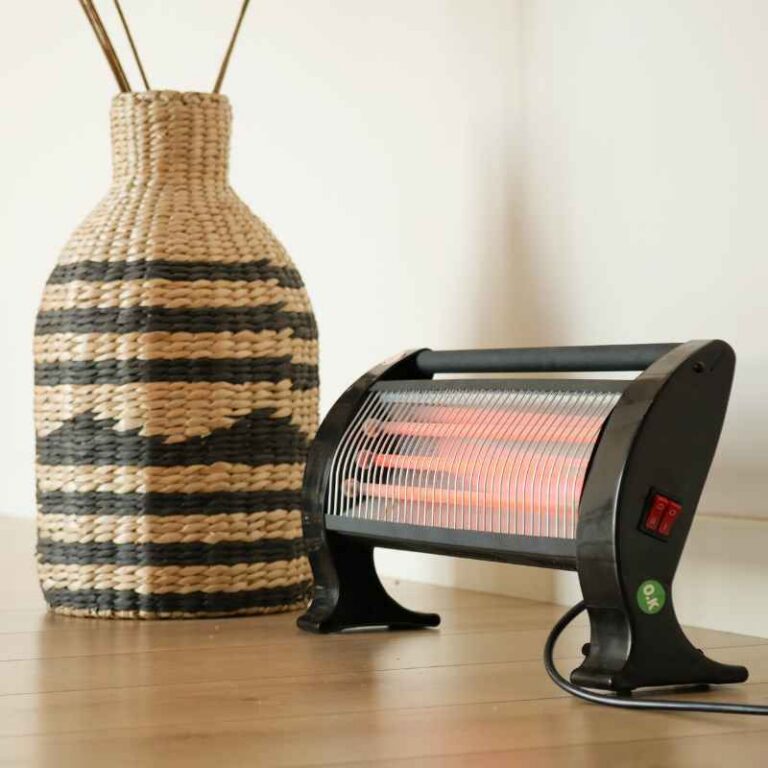
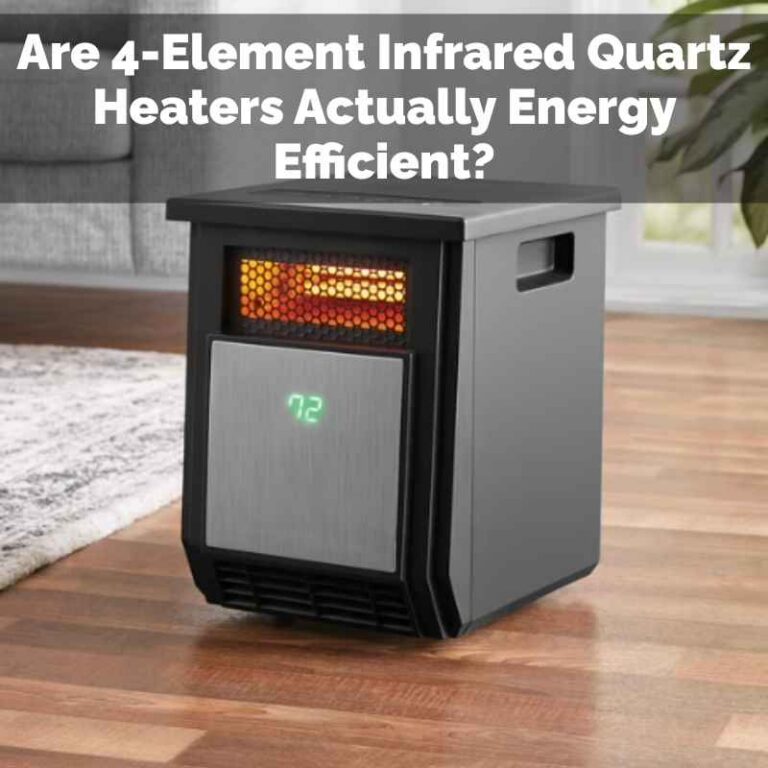
No, at equal wattage they use the same electricity. The difference is in how the heat spreads: ceramic heaters warm room air via a fan, while infrared heaters warm objects and people directly by radiation.
How long do ceramic heaters typically last?
Most well-maintained ceramic heaters last 5 to 10 years, with the fan motor and thermostat typically failing before the ceramic element itself wears out.
Sponsored / affiliate links. As an Amazon Associate I earn from qualifying purchases. I may earn additional commission from eligible campaigns.
 ROVSUN 18000 BTU Mini Split AC/Heating System with Inverter, 20 SEER2 Energy Saving 230V Ductless Split-System Air Conditioner with Pre-Charged Condenser, Heat Pump, Remote Control & Installation Kit
 Faryuan Bladeless Heater Fan, 25inch Heating & Cooling & Filter Combo Tower Fan 80° Oscillating with Remote, 9H Timer, 8 Speeds, Portable Quiet for Indoor, Bedroom, Home Office Room, White&Sliver