Are Ceramic Heaters Energy Efficient?
Ceramic heaters are close to 100% efficient at converting electricity into heat, the same as any resistive electric heater, but that doesn’t automatically mean they’re cheap to run. This guide covers what “efficient” really measures for a space heater, how ceramic heaters compare to other electric heater types, the real cost-per-hour math, and when a ceramic heater actually saves money versus wastes it.
What “Efficient” Means for a Space Heater
Every electric resistance heater, ceramic, oil-filled radiator, or infrared coil, converts essentially 100% of the electricity it draws into heat; there’s no combustion or venting loss like a gas furnace has. So a 1,500-watt ceramic heater and a 1,500-watt oil-filled radiator produce the same amount of heat energy per hour and cost the same to run. The real efficiency differences between heater types come down to how well they heat the space you’re actually in, not how much of the electricity becomes heat.
Why Ceramic Heaters Feel More Efficient in Practice
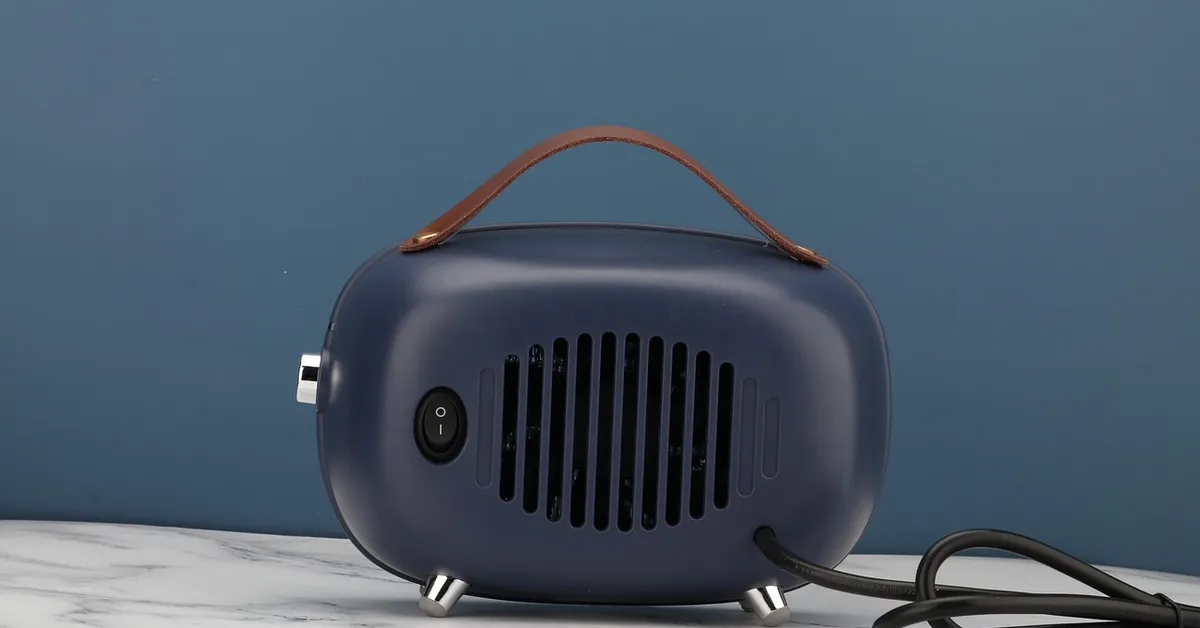
Ceramic heating elements have low thermal mass, so they heat up and cool down fast, and most ceramic models pair the element with a small fan that actively pushes warm air into the room instead of relying on passive convection. That gets a room feeling warm faster than a slow oil-filled radiator, which can make a ceramic heater seem more efficient, even though the wattage-to-heat conversion is identical. The practical benefit is faster comfort and better thermostat cycling (many ceramic units cycle on/off more precisely), which can reduce total run time and therefore total cost for the same comfort level.
The Actual Cost-Per-Hour Math
A 1,500-watt heater running at full power draws 1.5 kWh per hour. At a national average residential rate around 16 to 17 cents per kWh, that’s roughly 24 to 26 cents per hour of continuous full-power use, or about $6 for a 24-hour day of nonstop operation. In practice, thermostatic cycling means it isn’t running at full power the whole time, so real daily cost is usually well below that ceiling. The number to compare against is what it costs to heat that same room with your central system instead.
When a Ceramic Heater Actually Saves Money
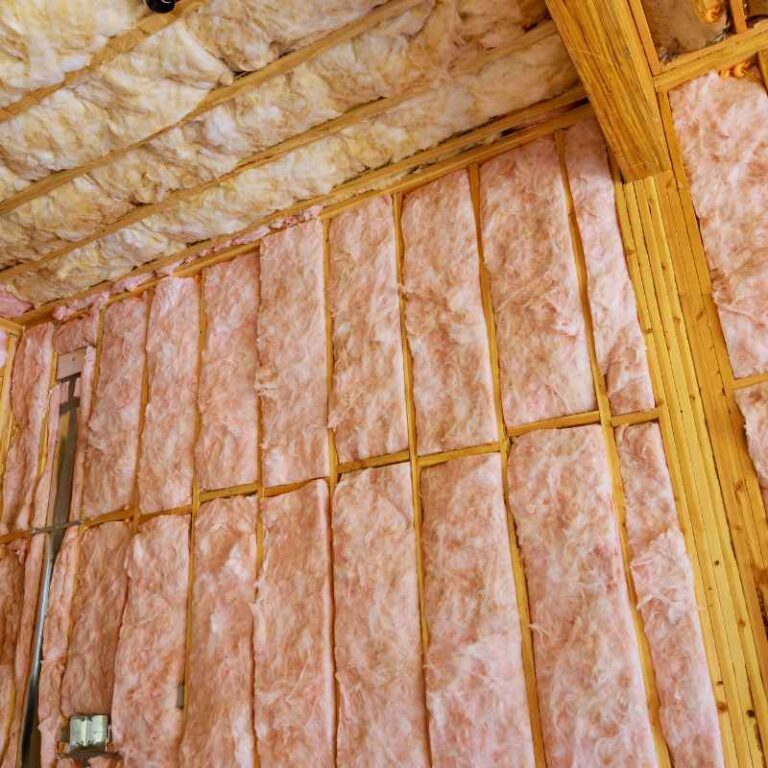
Space heaters save money in “zone heating” situations: heating one occupied room (a home office, a bedroom at night) with the heater while turning the central thermostat down, rather than heating the whole house to the same temperature. Ceramic heaters are a good fit for this use case because of their fast warm-up and compact size. They stop saving money, and start costing more, when used to supplement a house that’s already heated to the same temperature, or when run in a large, open, or poorly insulated space where the heat escapes as fast as it’s produced.
Ceramic vs. Infrared vs. Oil-Filled: Where Wattage Isn’t the Whole Story
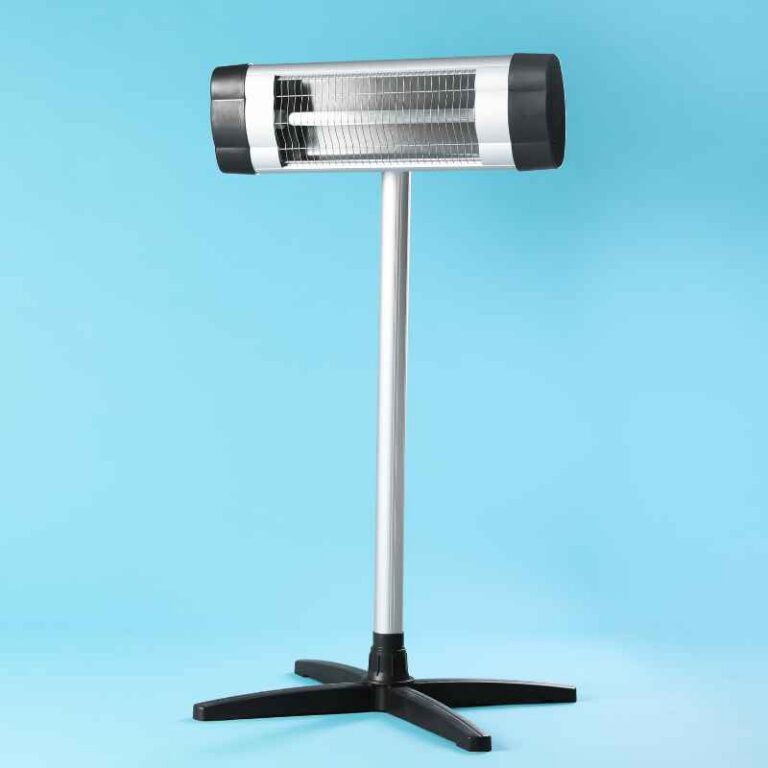
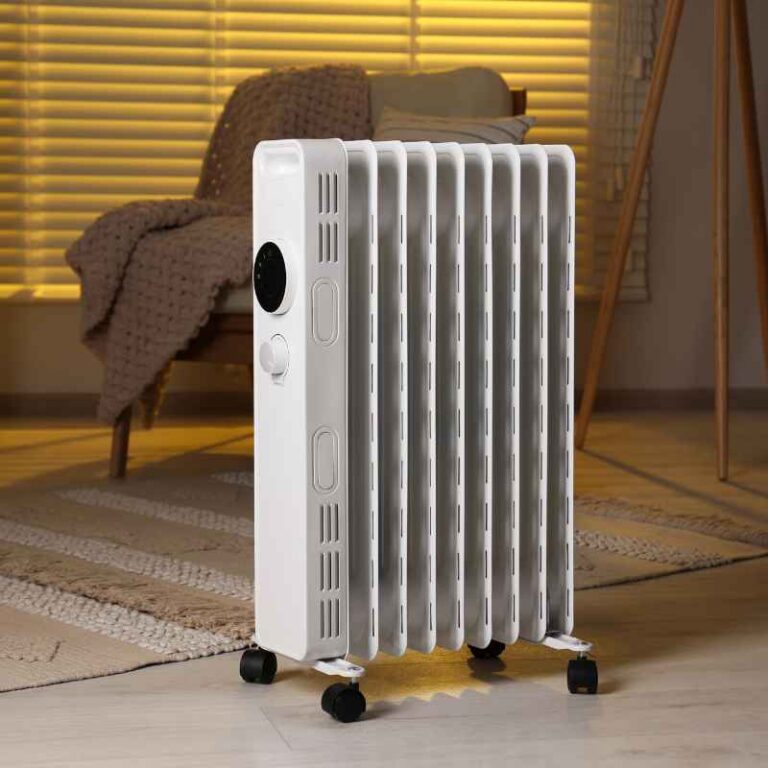
Infrared heaters warm objects and people directly in their line of sight rather than the air, which can feel efficient in a drafty or open space since heat isn’t lost warming air that immediately escapes. Oil-filled radiators retain heat longer after shutting off because of the oil’s thermal mass, which can mean fewer on/off cycles overnight. Ceramic heaters sit in between: fast to warm a small, closed room, but they cool down almost as fast as they heat up once switched off, since the ceramic element itself holds little residual heat.
Frequently Asked Questions
Are ceramic heaters cheaper to run than baseboard heaters?
At the same wattage, no, both are resistive electric heat and cost the same per kWh consumed. A portable ceramic heater can end up cheaper in total if you only heat one room instead of running whole-house baseboard heat.
Does a higher wattage ceramic heater heat a room faster for the same total cost?
A higher-wattage unit heats faster but draws more power while running, so the cost per hour is higher; total cost to reach a given temperature is roughly similar, since it just gets there in less time at a higher draw.
Do ceramic heaters use less electricity than they used to?
The heating element itself hasn’t changed physics-wise, resistance heat is resistance heat, but modern units often have better thermostats, timers, and eco modes that reduce total run time and therefore total electricity used for the same comfort.
Sponsored / affiliate links. As an Amazon Associate I earn from qualifying purchases. I may earn additional commission from eligible campaigns.