Best Wood for Stained Projects: Grain Character and Color
Red oak, walnut, ash, white oak, and cherry are often considered stain-friendly woods; open-grain species tend to give stronger grain contrast, while close-grain species are often chosen when color is the main goal, and light-to-medium stains that fit each wood’s undertone are commonly used. Pick the wrong species or stain, and you get blotches, muddy color, or grain that disappears after the finish dries. This guide ranks stain-friendly woods by grain character and undertone, then matches each to stain colors and opacity levels that work for furniture, cabinets, trim, and exterior pieces.
What makes wood stain well?

Wood stains well when its pores, grain pattern, and natural color accept pigment in a steady way. Open-grain woods usually show stronger figure after staining, while tight-grain woods can look cleaner but are more likely to turn uneven. The best result comes from matching the species, stain family, and opacity level to the wood’s natural behavior.
How grain structure affects stain uptake
Open-grain woods like oak have larger pores, so stain settles into the grain lines and leaves a visible pattern. Closed-grain woods such as maple and birch absorb more slowly and less evenly, so pigment can sit on the surface and create dark patches. Figured woods are different again; curl, quilt, and birdseye change how light and stain move across the board.
Why natural undertone changes the final color
Every species already leans warm, cool, red, yellow, or brown before stain goes on. A golden pine board stained with a cherry tone will read warmer than the same color on a pale maple board, while a walnut brown stain can calm strong yellow or red undertones. The stain color does not sit in isolation.
Open-grain, closed-grain, and figured wood explained
Open-grain woods are the easiest path to visible texture after stain. Closed-grain woods can look smooth and refined, but they demand more control if you want even color. Figured wood can be beautiful under clear or lightly tinted finishes, yet heavy pigment often hides the movement you bought the species for in the first place.
Stain matrix table
This matrix ranks a set of common woods for stain appearance, with the main goal of preserving grain rather than hiding it. Higher grain visibility means the wood usually shows structure better under stain. Higher blotch risk means you should plan on careful sanding, a conditioner, dye, or a different opacity level.
| Wood species | Grain visibility | Blotch risk | Natural undertone | Best stain family |
|---|---|---|---|---|
| White oak | High | Low | Neutral to warm brown | Walnut, oak brown, light ebony wash |
| Red oak | High | Low | Warm red-brown | Oak brown, walnut, cherry brown |
| Ash | High | Low | Light tan to olive | Walnut, light brown, medium oak tones |
| Walnut | High | Low | Deep brown | Clear, satin brown, very light tint |
| Cherry | Medium to high | Medium | Warm red | Cherry red, walnut, light brown |
| Birch | Medium | High | Pale yellow to pink | Cherry red, light walnut, dye-first systems |
| Maple | Medium | High | Very light cream | Dye, very light stain, clear finish |
| Pine | Medium | High | Yellow to amber | Gel stain, walnut, light oak brown |
| Cedar | Medium | Medium | Warm red-brown | Penetrating oil stain, semi-transparent brown |
| Redwood | Medium to high | Medium | Warm reddish brown | Penetrating oil stain, red-brown, clear tint |
| Alder | Medium | Medium to high | Pink to light brown | Walnut, cherry brown, dye plus clear coat |
| Poplar | Low to medium | High | Green, gray, or purple streaks | Solid-body stain, paint-grade color, careful dye use |
How to read the quick pick columns
If grain visibility is the priority, the first choices are oak, ash, walnut, and cherry. If color consistency matters more than showing pores, maple, poplar, and some alder boards become candidates for dye or solid stain. Blotch risk is the warning column; it tells you where extra prep matters most.
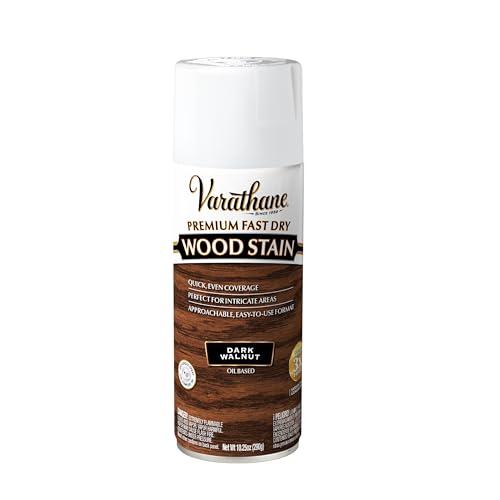
Varathane says stains are meant to bring out natural grain rather than hide it. It also positions semi-transparent formulas as a way to keep grain visible while adding color, while its gel stains are intended for vertical surfaces and detailed woodwork. Its spray wood stain is aimed at smaller projects, and its premium wood stain colors are positioned for interior furniture and cabinets.
Which woods show stain best?
Open-grain woods often show stain well because the pores create visible contrast without needing heavy pigment. Oak, ash, walnut, and cherry usually give the cleanest mix of grain and color. If your goal is a clear, furniture-like look with strong texture, start there before moving to tighter-grain species.
Oak and other open-grain winners
Oak is the classic stain species because its open pores catch color in a controlled way, and the grain stays readable after finishing. Scott’s Painting notes that oak takes stain differently than cedar, which is one reason oak often behaves more predictably for interior furniture species. White oak usually reads calmer; red oak reads warmer.
Walnut, cherry, and similar medium-stable choices
Walnut already has depth, so it often needs only a light tint or clear finish to keep the figure visible. Cherry deepens naturally and can look elegant with a light walnut or cherry-brown stain. These species do not need heavy coverage unless you are correcting mismatched boards or trying to unify repairs.
Birch and maple when you want a cleaner look
Birch and maple can look excellent, but they are less forgiving. Their tighter grain and pale color make uneven absorption easier to spot, especially with pigment stains. Birch often takes color more evenly than pine, yet both can go blotchy if the prep is rushed or the stain is too heavy.
How do maple, oak, pine, and birch compare?
Oak is often the easiest of the four for showing grain, while maple is commonly the most sensitive to uneven stain. Pine needs the most absorption control because it is a softwood, and birch sits between maple and oak: smoother than oak, but still prone to color shifts. The same stain can look very different on each one.
Oak: visible grain and predictable contrast
Oak’s open grain makes it a strong choice when you want the stain to sit in the pores and emphasize texture. Walnut and oak-brown colors usually look natural on oak because they work with the wood’s own brown range. Semi-transparent stain is often a good match when you want the grain to stay visible on furniture or trim.
Maple: tight grain and blotch risk
Maple is a closed-grain wood with a pale base, so pigment often lands unevenly and leaves darker patches where the wood absorbed more. That is why maple can look blotchy with pigment stain and often needs a conditioner or dye strategy. Light stain colors, or a clear finish with tint in the topcoat, usually give better control.
Pine: softwood absorption and conditioner use
Pine is soft, so earlywood absorbs more stain than latewood. That uneven uptake can create stripes, dark edges, or splotches across a single board. Scott’s Painting says softwoods may need wood conditioner to prevent blotching, and that is especially useful when you want a light stain on pine rather than a dark, forgiving one.
Birch: smoother grain with color sensitivity
Birch can accept stain, but its pale surface makes every color shift easy to see. It often needs the same kind of control as maple, especially on cabinet panels and face frames. A warm cherry or light walnut tone can work well if you want grain plus color, while heavy ebony can flatten its character.
Say your 18-inch birch cabinet door has one pale panel and one board with a pink cast. A medium cherry stain may make the difference more obvious, not less. In that case, a dye-first approach or a lighter, more transparent finish usually gives a more even result.
Best stain colors for each wood
The best stain color is the one that works with the wood’s undertone, not against it. Dark brown and walnut tones suit oak and ash because they preserve grain depth. Cherry red and warm brown tones usually flatter maple and birch. Ebony works best when the goal is mood and contrast, not a fully visible pore pattern.
Walnut and dark brown tones on oak and ash
Walnut, medium brown, and oak brown work well on oak because they deepen the pores without smothering the grain. Ash also accepts these colors cleanly, and the result often reads as classic furniture stain rather than painted color. For a traditional look, keep the opacity light to medium.
Cherry and warm red-brown tones on maple and birch
Maple and birch often look best with warm brown-red families that soften their pale base. Cherry-red tones can add warmth without turning the surface muddy, especially when applied as a dye or light stain. Heavy pigment is the risk here; it can pool and make the surface look dirty rather than rich.
Ebony and near-black tones on pine and softer woods
Ebony can work on pine, alder, and other softer species when the goal is a dramatic look, but it usually reads better as a controlled, semi-opaque finish than as a fully transparent stain. A gel stain or layered color system can reduce the tiger-striping that often appears on pine boards.
Clear and light tones when you want the natural species color to stay visible
If you chose walnut for its darkness or cedar for its warm tone, a clear or lightly tinted finish may be the right choice. Very light stain families preserve more of the species character. That matters when the wood itself is the design feature, not a base for a darker color shift.
When should you use conditioner, dye, or a solid stain?
Use conditioner when you are trying to reduce blotching on softwood or uneven boards, not when you need to fix a poor stain color choice. Use dye when you want color without much grain fill, especially on maple and birch. Use solid-body stain when the surface condition matters more than visible grain.
Wood conditioner for softwoods and blotch-prone boards
Wood conditioner helps soften absorption on pine, fir, and other blotch-prone boards. It is useful before stain, but it is not a cure-all. If the board has sapwood, mineral streaks, or alternating dense and soft areas, conditioner can reduce the problem but not erase it. Sanding and test boards still matter.
Dye strategies for tighter-grained species
Dye is useful when you want color depth without loading the pores with pigment. Maple, birch, and some cherry pieces respond better to dye-first or dye-plus-clear strategies than to a heavy pigment stain. This approach can keep the grain readable while avoiding the cloudy look that can appear with thick stain.
Solid-body stain when surface color matters more than grain
Solid-body stain makes sense when the wood is uneven, weathered, repaired, or visually inconsistent. It covers more than transparent or semi-transparent products, so it reduces visible grain. That makes it a poor choice if your goal is maximum grain visibility, but a useful one when uniform color matters more.
Quick decision checklist
- Check whether the wood is open-grain, closed-grain, softwood, or figured.
- Decide whether you want grain first or color first.
- Choose transparent for the most grain, semi-transparent for a balance, or solid-body for the most coverage.
- Use conditioner on blotch-prone softwoods and only as part of a broader prep plan.
- Test stain on an offcut or hidden area before committing to the whole project.
Scott’s Painting recommends transparent, semi-transparent, or solid stain based on species and age. That advice matches the practical rule here: older or uneven boards often need more coverage, while fresh, clean lumber can usually carry a lighter finish. For many exterior jobs, a semi-transparent product gives the best balance of grain and protection.
Exterior wood stain choices
Exterior wood needs more than color. Cedar, redwood, and pressure-treated lumber face moisture, sun, and fungal exposure, so the right stain must protect while still fitting the wood’s natural tone. Penetrating oil stains are often the better fit outdoors because they move into the wood instead of building a heavy surface film.
Cedar and redwood staining priorities
Cedar and redwood are commonly stained for exterior trim, pergolas, decks, and accents. Their warm tones already work well outdoors, so the best stain often preserves that color and adds weather protection rather than hiding the species. Scott’s Painting lists cedar and redwood staining as a service category, which reflects how often these woods are finished with penetrating products.
Why penetrating stain is the better fit outdoors
Penetrating stain is better outdoors because it follows the grain and usually sheds moisture more naturally than a thick coating. That matters on cedar, redwood, and pressure-treated lumber, where movement and exposure are part of the job. It also helps keep grain visible instead of sealing the surface into a painted look.
UV inhibitors and mildewcide additives
For exterior projects, look for UV inhibitors and mildewcide additives. Scott’s Painting says those additives are included for protection, and they matter because sun exposure grays wood while moisture encourages fungal growth. The stain still needs recoat planning and cleaning, but those additives help slow the common weathering cycle.
Scott’s Painting also uses a pin meter to test wood moisture levels before staining. That step is worth copying in any outside project. If the substrate is too wet, stain can fail early, look uneven, or dry slowly enough to trap dirt and debris.
Dry-time and cure-time guidance
Follow the label for your stain and climate conditions, because dry time changes with temperature, airflow, and wood moisture. As a basic rule, the surface should feel dry before a second coat or topcoat goes on, and exterior wood should be dry enough to take the finish evenly. Wet lumber is a bad stain substrate.
A common first-timer mistake is staining a cedar pergola the same day the boards arrive. Suppose the wood still reads damp in the middle after a moisture check. The finish may darken unevenly and stay tacky longer, even if the top feels dry in a few hours.
Frequently asked questions
What wood shows stain best without blotching?
White oak, red oak, ash, walnut, and cherry are usually the most reliable choices for showing stain with less blotching. Their grain structure gives you contrast without the same uneven absorption problems seen in maple, pine, or birch. If you want the safest mix of grain and color, start with oak or ash.
Which woods have the best grain for staining?
Oak, ash, and walnut have some of the best grain for staining because their texture stays visible under color. Cherry can also look excellent when you want a warmer, smoother result. These woods let stain sit in the pores and lines instead of turning the surface flat.
How do maple, oak, pine, and birch take stain differently?
Oak stains with strong grain contrast. Maple often stains unevenly and may need conditioner or dye. Pine is a softwood, so it can blotch and usually benefits from conditioner. Birch is smoother than oak but still sensitive to color shifts, especially with darker pigment stains.
What color stain works best on oak versus maple?
Oak usually looks best with walnut, oak brown, or medium brown tones that work with its open grain. Maple often looks better with lighter browns, warm cherry tones, or dye-based color that avoids blotching. Heavy pigment can make maple look muddy, while oak usually accepts it more cleanly.
Do I need wood conditioner before staining softwood?
Softwoods often benefit from conditioner, especially pine and other blotch-prone boards. It helps even out absorption, but it does not fix poor sanding or wet lumber. Use it when the stain color is light, the board is uneven, or you want less contrast between earlywood and latewood.
Should I choose transparent, semi-transparent, or solid stain?
Choose transparent when grain visibility matters most. Choose semi-transparent when you want color and visible character together. Choose solid-body stain when the wood is uneven, weathered, or patchy and you care more about coverage than grain. Scott’s Painting’s species-and-age guidance fits this choice well.
What wood species are best for furniture and cabinets when staining?
Oak, walnut, cherry, and ash are strong furniture and cabinet choices because they stain in a controlled way and keep their grain visible. Maple can also work well when you want a cleaner, lighter look, but it usually needs more careful prep. Birch is usable, but it is less forgiving.
How do I avoid blotchy stain on pine or maple?
Sand evenly, remove dust, and test the stain on scrap first. Use conditioner on pine, and consider a dye or lighter finish on maple instead of a heavy pigment stain. A moisture meter helps confirm the wood is dry enough, which reduces uneven absorption and slow drying.
Sponsored / affiliate links. As an Amazon Associate I earn from qualifying purchases. I may earn additional commission from eligible campaigns.