Can I Use A Steam Cleaner On Hardwood Floors Without Damage?
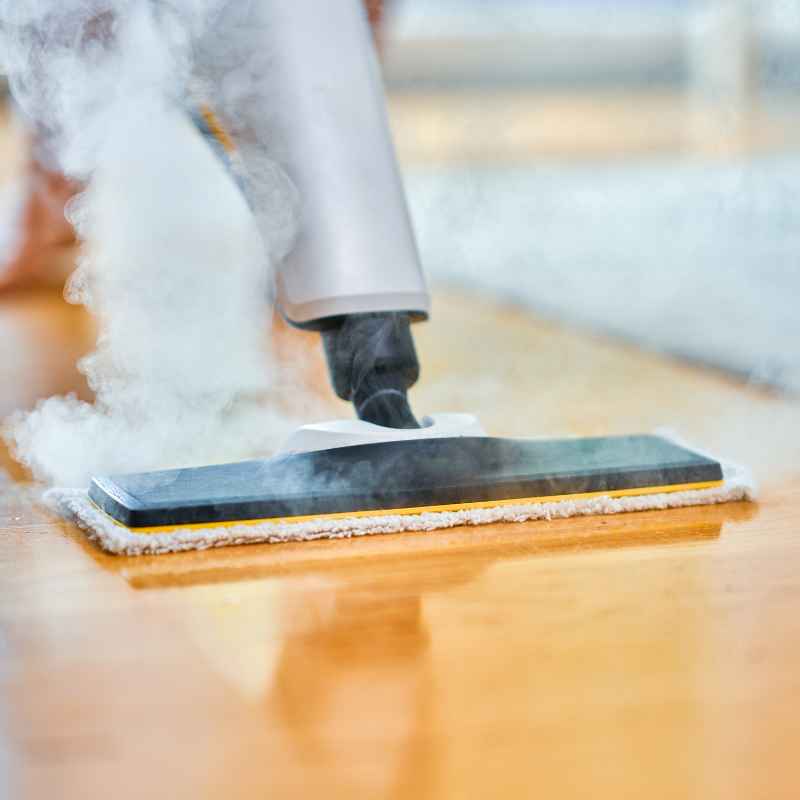
Generally, using a steam cleaner on most finished hardwood floors is not recommended. The intense heat and moisture can cause significant damage, including warping, peeling finish, and staining. It’s safer to stick to methods designed for wood.
Understanding Steam Cleaning and Hardwood
Steam cleaners use hot water to create steam. This steam is then pushed out with force. The idea is to loosen dirt and kill germs.
It sounds like a great cleaning method. Many people think more heat and more steam mean cleaner floors. But this can be tricky.
Hardwood floors are made of natural wood. Wood is porous. This means it can soak up water.
Even finished floors have a protective layer. This layer is usually made of polyurethane or a similar coating. This coating helps keep water out.
However, it’s not totally waterproof.
When you use a steam cleaner, you’re applying a lot of heat and moisture very quickly. The steam can get under the finish. It can also seep into the wood itself.
This is where problems start.
My Own Hardwood Floor Scare
I remember this one time, maybe five years ago. I had just gotten a new steam mop. My kitchen floor was looking a bit dull.
I thought, “This is perfect! It’ll make it shine.” So, I filled it up and went to town. The floor looked clean at first.
But then I noticed it. Little white spots started to appear. They looked like ghosts on the wood.
My heart sank. I had ruined the finish in spots.
It took me hours to research. I felt so foolish. I had heard warnings before, but I thought my floor was tough.
It wasn’t. The heat had softened the finish. The moisture had gotten trapped.
I ended up having to do some spot repairs. It wasn’t a disaster, but it was a painful lesson. I learned that day that not all cleaning tools are right for every floor.
Especialy not for beautiful hardwood.
Why Steam on Hardwood is Risky
Heat Damage: High temperatures can warp the wood planks. They can also break down the protective finish.
Moisture Seepage: Steam is water. Too much water can soak into the wood. This causes swelling and can lead to cupping or buckling.
Finish Peeling: The seal on your floor might not withstand constant heat and moisture. It can start to bubble or peel away.
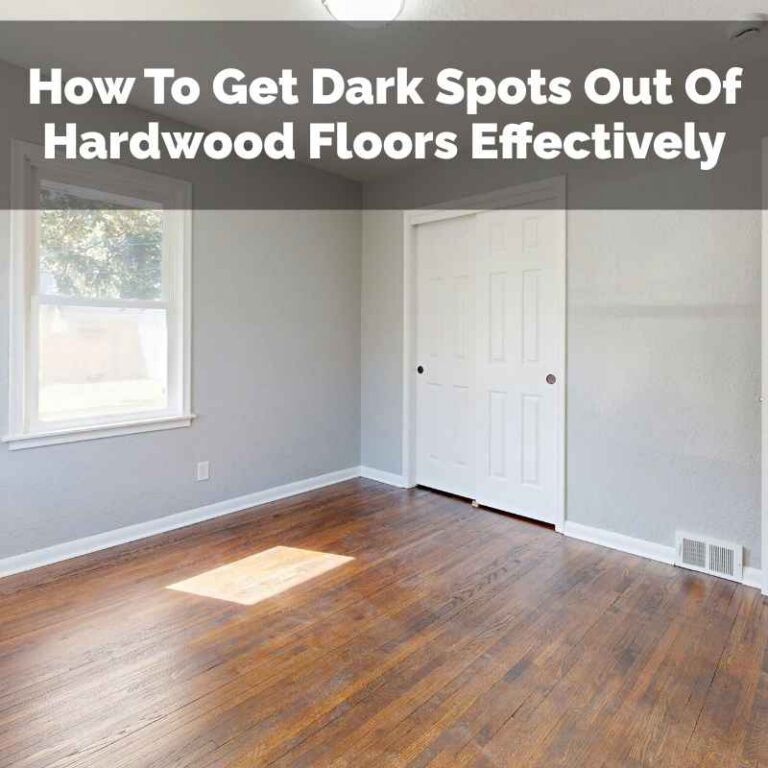
Staining: Water can carry dirt into the wood. This might leave dark spots or streaks that are hard to remove.
The Science Behind the Damage
Let’s break down what happens at a microscopic level. Hardwood floors are made of cells. These cells expand when they absorb water.
They contract when they dry out. This natural expansion and contraction is normal for wood.
However, when you apply steam, you force a lot of moisture into the wood very quickly. This causes rapid expansion. The wood can swell unevenly.
This is what leads to warping. The planks might start to bend. They can also lift at the edges, known as cupping.
Or the edges might curl upwards, which is called crowning.
The finish on your floor is also affected. Most finishes are polymers. These are large molecules that form a protective film.
High heat can actually break the bonds within these molecules. This makes the finish brittle or soft. Too much moisture can get trapped between the wood and the finish.
This causes that cloudy or milky appearance.
Think about it like this: would you put a hot, wet towel on a piece of fine furniture for a long time? Probably not. Your hardwood floor deserves that same care.
It’s a beautiful, natural material.
Different Types of Hardwood Finishes
Surface Finishes: These sit on top of the wood. They are common. Polyurethane is a popular type.
It forms a strong protective layer. However, it can still be damaged by steam.
Penetrating Finishes: These soak into the wood grain. They offer a more natural look. But they also leave the wood more exposed to moisture damage.
Steam is a big no-no here.
Wax Finishes: Older floors might have wax. Wax can be melted by heat. This can create streaks and make the floor very slippery.
What About “Hardwood Safe” Steam Cleaners?
You might see steam mops advertised as “hardwood safe.” This can be confusing. Some of these mops have features designed to reduce risk. They might have lower steam settings.
They might use less water. Some come with special microfiber pads that absorb moisture quickly.
However, even these “safer” options come with caveats. The user manual for these products usually has a disclaimer. It often states they are for use on certain types of sealed hardwood floors.
It might also say to use them sparingly. Or to ensure the floor is completely dry afterward.
My advice? Read those disclaimers very carefully. For many homeowners, the risk is still too high.
The expense of repairing damaged hardwood floors can be significant. It’s often better to avoid the gamble altogether. Especially if your floors are older or have a less robust finish.
Quick Scan: Steam Mop Features
Low Steam Setting: Good, but not foolproof.
Microfiber Pad: Helps absorb, but doesn’t stop deep penetration.
Quick Drying: Essential if you use one. Move fast.
“Hardwood Safe” Claim: Buyer beware. Always check manufacturer’s warranty.
Safer Ways to Clean Your Hardwood Floors
So, if steam is out, what’s in? Luckily, there are many excellent ways to clean your hardwood floors that won’t cause harm. The key is to use minimal moisture and the right cleaning solutions.
The best method for most finished hardwood floors involves a damp mop. Not a soaking wet mop. Just damp.
You want to use a cleaner specifically made for hardwood floors. Or a very diluted mixture of water and a pH-neutral cleaner. Always check the floor manufacturer’s recommendations if you can.
Here’s a simple, safe routine:
- Dry Sweep or Vacuum First: Get rid of loose dirt, dust, and debris. This prevents scratches during mopping. Use a soft-bristle broom or a vacuum with a hard floor attachment.
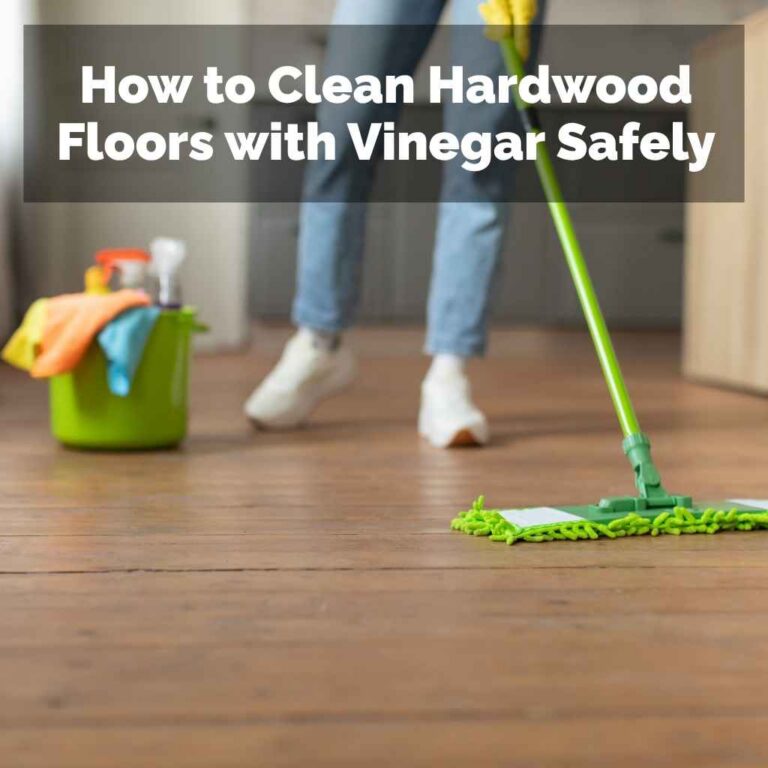
- Prepare Your Cleaning Solution: Use a cleaner designed for hardwood. Or mix a small amount of mild dish soap or white vinegar with water. A common ratio is 1/4 cup of vinegar per gallon of water. For some finishes, even vinegar can be too much. Check your floor’s instructions.
- Dampen Your Mop: Dip your mop into the solution. Wring it out thoroughly. It should feel barely damp to the touch. No water should drip from it.
- Mop in Sections: Work in small areas. Mop one section at a time. This way, the floor dries quickly as you go.
- Dry Immediately: If you see any standing water, wipe it up with a clean, dry cloth immediately.
This method keeps moisture to a minimum. It also uses gentle cleaners. It preserves the look and integrity of your wood floors for years to come.
Recommended Cleaning Products
Wood Floor Cleaners: Many brands offer specific cleaners. Look for pH-neutral formulas.
Mild Dish Soap: A tiny drop in a bucket of water can work. Avoid soaps with added moisturizers or degreasers.
White Vinegar: Diluted with water, it can cut through grime. Use with caution on certain finishes.
Microfiber Mops: These are excellent. They pick up dirt well. They also allow for minimal water use.
What If I Have a Very Dirty Floor?
Sometimes, floors get really grimy. You might feel like you need something stronger. That’s when it’s tempting to reach for the steam cleaner.
But there are still better ways. If dry sweeping isn’t enough, try a good quality wood floor cleaner. You might need to scrub a bit more firmly.
For tough spots, like sticky spills, you can use a cleaner designed for spot treatment. Or try a slightly more concentrated solution of your regular wood cleaner. Apply it directly to the spot with a cloth.
Gently rub. Then wipe away any residue with a damp cloth. Make sure to dry the area well.
Another option is a floor scrubber designed for hard floors. These use brushes to agitate dirt. But ensure it has a setting for minimal water.
And always test it in an inconspicuous area first. The goal is always to lift dirt without saturating the wood.
I once had a friend whose dog had an accident on her new floors. She panicked. She wanted to steam it clean immediately.
I talked her down. We used a good enzyme cleaner for pet messes. It worked perfectly.
It broke down the stain and the odor. And it didn’t harm the wood finish at all. It’s all about choosing the right tool for the right job.
Tough Stain Guide
Sticky Residue: Use a wood floor cleaner directly on the spot. Wipe with a microfiber cloth.
Scuff Marks: Often, a clean tennis ball or a pencil eraser can remove these without any liquid.
Mud or Grime: Sweep thoroughly first. Then use a damp mop with a wood floor cleaner.
Pet Accidents: Use an enzyme cleaner specifically for pet messes. Blot, don’t rub. Clean the area afterward with a damp cloth and dry.
When It’s Okay to Use Minimal Steam
There are very specific situations where a very careful application of steam might be considered. This is for floors with a super robust, modern polyurethane finish. These finishes are tougher.
They are designed to withstand more wear and tear.
Even then, it’s a calculated risk. If you choose to try it, follow these rules strictly:
- Use the absolute lowest steam setting available.
- Ensure the microfiber pad is dry before starting.
- Move the mop constantly. Do not let it sit in one spot.
- Work in very small sections.
- Follow immediately with a dry cloth to absorb any residual moisture.
- Ensure the floor is completely dry before walking on it.
I have heard from a few people who have had success with this on their relatively new floors. They were very careful. But I still see more horror stories than success stories.
For most people, and for most floors, it’s just not worth the potential damage. Stick to the proven, safer methods.
Risk Assessment Checklist
Floor Age: Older floors are more vulnerable.
Finish Type: Surface finishes are generally more tolerant than penetrating ones.
Last Refinishing Date: How recently was the floor treated?
Manufacturer’s Warranty: What does the maker say about cleaning?
Protecting Your Investment
Hardwood floors are a beautiful feature. They add value to your home. Taking good care of them is important.
It preserves their beauty and their lifespan.
Think about what causes damage. It’s usually grit and grime scratching the surface. Or it’s moisture that soaks into the wood.
Preventing these two things is key.
Use doormats. Place mats both outside and inside your main entry doors. This traps dirt and moisture before it gets tracked onto your floors.
Encourage family and guests to remove their shoes. Many people do this already. It makes a big difference.
Put felt pads on the legs of all furniture. This includes chairs, tables, and sofas. They prevent scratches when furniture is moved.
Regular cleaning is also a form of protection. It removes abrasive particles.
When you clean, always opt for methods that use the least amount of liquid. And use cleaners that are specifically designed for wood. This ensures you’re not stripping the finish or forcing moisture into the wood.
I learned this lesson the hard way. I saw a steaming mop as a quick fix. It felt modern and efficient.
But it was the wrong tool for the job. Now, I appreciate the care that goes into maintaining wood. It’s a bit more work, but the results are worth it.
My floors look great, and I know they’ll last.
Proactive Protection Tips
Entry Mats: A must-have for trapping dirt.
No Shoes Rule: Simple, but highly effective.
Furniture Pads: Protect against scratches from movement.
Regular Dry Dusting: Keeps abrasive particles off the surface.
Prompt Spill Cleanup: Address moisture immediately.
When to Call a Professional
If your hardwood floors have seen better days, or if you’re unsure about cleaning them, don’t hesitate to seek expert advice. Professional floor cleaners have the right tools and knowledge. They can assess your floor’s condition and recommend the best cleaning methods.
If you have very old, delicate, or antique hardwood floors, professional cleaning is almost always the best route. They understand how to handle different types of finishes and wood. They can also perform minor repairs or refinishing if needed.
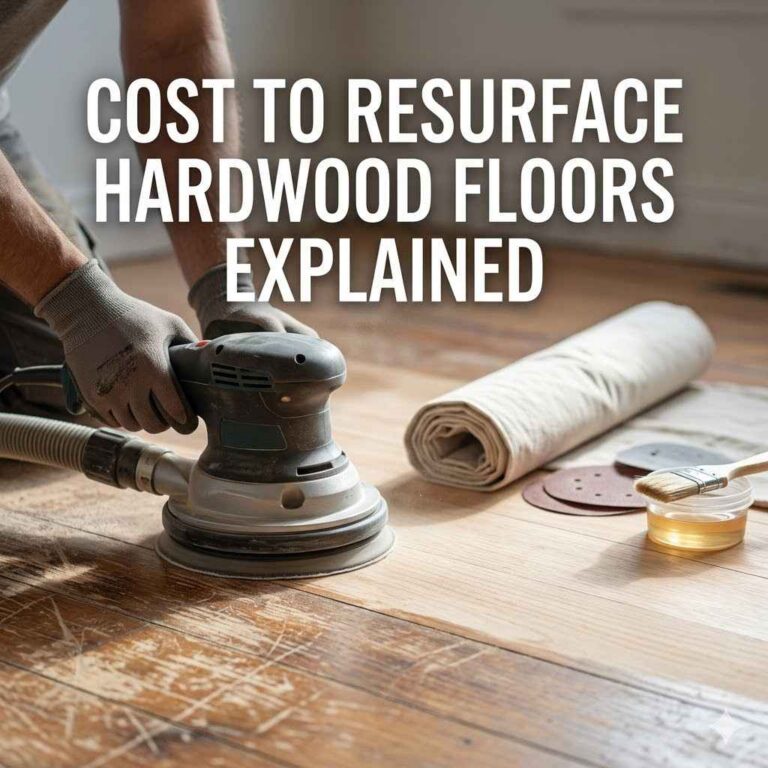
Sometimes, a deep clean isn’t enough. If your floors are significantly damaged, warped, or the finish is peeling, you might need refinishing. This is a job for experienced professionals.
They can sand down the old finish and apply a new protective coat. This can make your floors look brand new again.
Don’t risk damaging your beautiful floors. If you’re in doubt, ask an expert. It’s an investment in your home’s beauty and value.
I’ve seen people try to save money with DIY fixes. Sometimes it works. But often, it leads to bigger, more expensive problems down the line.
Trust the pros when in doubt.
Signs You Need a Pro
Widespread Finish Damage: Peeling, bubbling, or cloudy patches.
Significant Warping: Planks visibly not flat or uneven.
Deep Scratches or Gouges: Beyond what a simple clean can fix.
Unexplained Stains: That won’t lift with safe cleaners.
Hesitation About Cleaning: If you’re nervous about damaging the floor.
Frequently Asked Questions About Steam Cleaning Hardwood
Can I use a steam mop on my sealed hardwood floors?
While some “hardwood safe” steam mops exist, it’s generally not recommended. The heat and moisture can still damage the finish and the wood itself. It’s safer to use a damp mop with a wood-specific cleaner.
What is the safest way to clean hardwood floors?
The safest method is to dry sweep or vacuum regularly. For cleaning, use a microfiber mop that is only slightly damp. Use a pH-neutral cleaner specifically made for hardwood floors.
Always wring out the mop very well.
Will steam damage the finish on my hardwood floors?
Yes, the heat from steam can soften or break down the protective finish. The moisture can get trapped underneath, causing cloudiness or peeling. This is a common way finishes are damaged.
What happens if water gets on my hardwood floor?
Small amounts of water that are wiped up quickly are usually fine. However, standing water or prolonged exposure can cause the wood to swell, warp, or stain. It can also damage the finish.
Are vinegar and water safe for all hardwood floors?
Vinegar is acidic and can dull or damage some finishes over time, especially on older or less robust seals. While diluted vinegar is often suggested, it’s best to use a cleaner made specifically for hardwood floors to be safest.
How often should I clean my hardwood floors?
This depends on traffic. Ideally, dry sweep or vacuum daily or every other day. Damp mop about once a week or every two weeks, or as needed for visible dirt.
Always clean up spills immediately.
Final Thoughts on Steam and Wood
Hardwood floors are a beautiful addition to any home. They bring warmth and character. Keeping them clean and protected is key to their longevity.
While the idea of a steam cleaner seems quick and easy, it’s often a risky choice for wood.
The intense heat and moisture are not friends to wood. They can lead to warping, peeling finishes, and permanent damage. Opt for safer cleaning methods.
A damp mop and a good wood floor cleaner will serve you much better. Your floors will thank you for it, and they’ll stay beautiful for years to come.
Sponsored / affiliate links. As an Amazon Associate I earn from qualifying purchases. I may earn additional commission from eligible campaigns.