Can You Use Castile Soap On Hardwood Floors? Safe Or Not?
You can use Castile soap on hardwood floors, but with extreme caution and significant dilution. It’s not an ideal or recommended cleaner for regular use due to its high pH, which can dull finishes and leave residue if not perfectly rinsed. Always test a small, hidden spot first.
What is Castile Soap and Why the Confusion?
Castile soap is a soap made from vegetable oils. It’s been around for a very long time. The original kind came from the Castile region of Spain.
It’s typically made with olive oil. Many modern versions use other oils too. These include coconut oil, hemp oil, and almond oil.
People like it because it is all-natural. It doesn’t have harsh chemicals. It’s biodegradable.
It’s also said to be very effective at cleaning. You can use it for many things. Washing your hands, doing dishes, even cleaning produce.
Because it’s so versatile, folks wonder about their floors.
Hardwood floors are beautiful. They add warmth and value to a home. But they can also be sensitive.
The finish on the floor is key. It protects the wood underneath. Different finishes react differently to cleaners.
This is where the worry about Castile soap comes in.
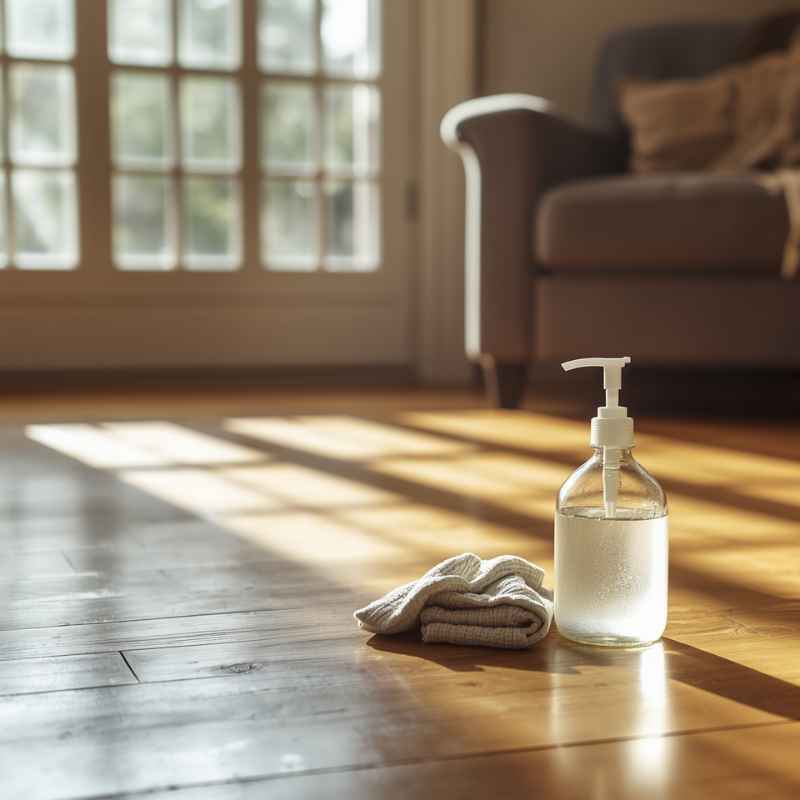
The Nature of Hardwood Floor Finishes
Most hardwood floors today have a protective finish. This finish is like a shield. It keeps out water and dirt.
It also gives the floor its shine. There are a few main types of finishes.
Polyurethane is the most common. It’s a plastic-like coating. It can be water-based or oil-based.
It’s very durable. It creates a barrier on top of the wood. This is what you see and touch.
Other finishes exist too. Wax finishes are older. They need a different kind of care.
Oil finishes soak into the wood. They give a more natural look but need more upkeep. Shellac finishes are also older.
They are less durable than poly.
The type of finish you have matters greatly. A strong cleaner might strip away a wax finish. It could dull a polyurethane finish.
It might even soak into the wood with an oil finish.
How Castile Soap Behaves
Castile soap is a true soap. Not a detergent. This is an important difference.
True soaps are made from fats and lye. Detergents are made in a lab from petroleum products.
When true soap meets hard water, it can form soap scum. This happens because minerals in the water react with the soap. It creates a sticky film.
This film can be hard to rinse away. It can build up on surfaces. It can attract more dirt.
Castile soap is alkaline. This means it has a high pH level. Strong alkaline cleaners can be hard on finishes.
Especially on polyurethane. They can break down the protective layer. This can make the floor look dull.
It can also make it more prone to scratches.
The residue left by Castile soap can be a real problem. If you don’t rinse it perfectly, it stays there. This residue can feel sticky.
It can look cloudy. It can even make your floors slippery. This is why many cleaning experts warn against it.
My Own Hardwood Floor Fiasco
I remember a time when I was obsessed with natural cleaning. I had just moved into a new house. It had beautiful, original hardwood floors.
They were dark and gleaming. I wanted to keep them looking perfect. I read everywhere about how amazing Castile soap was.
I mixed up a bucket of water with a few drops of unscented liquid Castile soap. It smelled faintly of olive oil. I felt so proud of myself for using such a green product.
I started mopping. The water looked clean. The soap seemed to cut through any dust.
After I finished, I thought it looked great. But as it dried, I noticed something strange. There were faint, streaky marks.
They weren’t there before. They looked almost hazy. I tried to buff them out with a dry cloth.
It didn’t work.
The next day, the streaks were still there. They were more noticeable in certain lights. I felt a knot of panic in my stomach.
Had I ruined my beautiful floors? I tried wiping with just water. That didn’t help either.
The residue felt a little sticky underfoot.
It took me hours of research to figure out what happened. I had created soap scum. And the alkalinity of the soap had started to dull the finish.
It was a hard lesson. I learned that “natural” doesn’t always mean “safe” for every surface. Especially for sensitive finishes like those on hardwood floors.
Quick Castile Soap Facts
- Origin: Made from vegetable oils (traditionally olive oil).
- Type: A true soap, not a synthetic detergent.
- pH: Generally alkaline (high pH).
- Water Reaction: Can form soap scum with hard water.
- Residue: Can leave a sticky or cloudy film if not rinsed well.
Why Experts Often Advise Against It
Many floor manufacturers and cleaning pros steer clear of Castile soap for hardwood. Their advice is usually based on experience and testing. They know how finishes react.
They understand the potential for damage.
Their main concerns are:
- Residue Buildup: This is the biggest issue. If not rinsed perfectly, the soap leaves a film. This film traps dirt. It makes the floor look dull and dirty. It can also make it slippery.
- Dulling the Finish: The alkaline nature of Castile soap can attack the protective coating on your floors. Over time, this can make the finish look cloudy or matte. It loses its original sheen.
- Water Damage Risk: While Castile soap itself doesn’t harm the wood directly, the excess water needed to rinse it can be bad. Too much water on hardwood can lead to swelling, warping, and cupping.
- Incompatibility with Finishes: Some finishes are more sensitive than others. For instance, waxed or oiled floors might be stripped by the soap. Polyurethane can be dulled.
They often recommend specific hardwood floor cleaners. These are pH-neutral. They are designed to clean without leaving residue.
They are formulated to be safe for the finish.
Castile Soap vs. Hardwood Floor Cleaners
Castile Soap
Pros: Natural, biodegradable, versatile.
Cons: High pH, can leave residue, may dull finish, potential for soap scum with hard water.
Best Use (Generally): Not recommended for routine hardwood floor cleaning.
Specific Hardwood Cleaners
Pros: pH-neutral, formulated for floor finishes, minimal residue, designed for safety and effectiveness.
Cons: May contain synthetic ingredients (though many are eco-friendly), can be more expensive.
Best Use: Recommended for regular hardwood floor cleaning.
When Might It Be “Okay” (With Major Caveats)?
There are very specific, rare situations where someone might consider using heavily diluted Castile soap. This is not a recommendation. It’s an explanation of the fringe cases.
Imagine you have a very old, very durable finish. Perhaps it’s a very old oil-based polyurethane that has cured for years. Or maybe you’ve tested it extensively on a hidden area.
And you are committed to an extreme rinsing process.
Even then, the risk is high. The “natural” aspect can be appealing. But the potential for damage is serious.
It’s like drinking pure lemon juice. It’s natural, but it can damage your teeth if you do it too often.
The key, if you were to even consider it, is extreme dilution. We’re talking about literally one or two drops per gallon of water. And then an equally thorough rinse with clean water.
This is more work than just using the right product.
The “Test Spot” Rule: Your Best Friend
No matter what cleaner you consider using on your hardwood floors, there’s one rule that is non-negotiable: Always test in a hidden spot first. This is true for Castile soap and for any other cleaner you’re unsure about.
Find a corner of the room. Maybe under a large piece of furniture that rarely moves. Or inside a closet.
Dampen a clean cloth with your diluted cleaning solution. Gently wipe the area. Let it air dry completely.
Check it carefully. Look for any dulling. Any color change.
Any stickiness. Any strange marks. If you see anything that concerns you, stop immediately.
Do not proceed with cleaning the rest of your floor.
This small step can save you a world of pain and expense. It’s the hallmark of someone who cares for their home and wants to avoid costly mistakes.
Hidden Spot Test Steps
- Choose Location: Underside of furniture, closet corner, behind a door.
- Prepare Solution: Mix cleaner (e.g., 1 drop Castile soap in 1 gallon water).
- Apply Sparingly: Dampen a clean cloth, don’t soak. Wipe a small section.
- Let Dry: Allow the area to dry completely without scrubbing or buffing.
- Inspect: Check for dullness, streaks, stickiness, or color change.
- Decide: If any issues, do not use on the main floor.
What’s the Best Way to Clean Hardwood Floors?
If Castile soap is not the best choice, what is? The good news is that keeping hardwood floors clean is usually quite simple. The key is using the right tools and the right cleaner.
1. Dry Cleaning First
Most of the time, your hardwood floors just need a good dry clean. This removes loose dirt, dust, and debris.
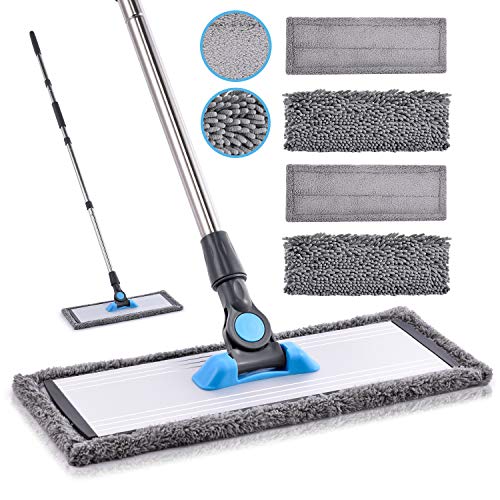
- Microfiber Mop: A good quality microfiber mop is excellent. It traps dust effectively. It doesn’t leave scratches.
- Vacuum Cleaner: Use a vacuum with a hard floor attachment. Make sure the beater bar is either off or very soft. Some vacuums have a specific “hard floor” setting.
Do this daily or every few days. It prevents grit from scratching the finish. It makes your floors look better right away.
2. Damp Mopping with the Right Cleaner
When dry dusting isn’t enough, it’s time for a damp mop. This is where you need to be careful about your cleaner.
- pH-Neutral Cleaner: Look for cleaners specifically made for hardwood floors. They are formulated to be pH-neutral. This means they won’t harm your finish.
- Water-Based Polyurethane: Many modern cleaners are water-based. They work well with water-based polyurethane finishes.
- Dilution is Key: Always follow the product’s instructions for dilution. Too much cleaner can also leave residue.
- Damp, Not Wet: Use a damp mop. Wring it out until it’s almost dry. You want to lightly clean the surface. You don’t want to flood the floor.
Many brands offer good hardwood floor cleaners. Some popular ones are Bona, Bruce, and Swiffer WetJet for hardwood. Check reviews and manufacturer recommendations.
3. Rinsing (If Necessary)
With the right pH-neutral cleaner, rinsing is usually not needed. They are designed to dry clean without residue.
If you used a cleaner that leaves a film, you might need a second pass. Use a mop dampened with plain water. Again, make sure the mop is well wrung out.
This is where Castile soap becomes a problem. It always requires a thorough rinse. And that rinsing step is where many people make mistakes.
Too much water, or not enough rinsing, leads to those dreaded streaks and dullness.
Your Hardwood Cleaning Toolkit
Essential Items:
- High-quality microfiber mop
- Vacuum cleaner with hard floor attachment
- pH-neutral hardwood floor cleaner
- Clean water for rinsing (if needed)
- Soft, absorbent cloths for touch-ups
Things to Avoid:
- Excessive water
- Steam mops (can damage finish)
- Vinegar (too acidic)
- Ammonia
- Abrasive cleaners or scrubbing pads
What About DIY Natural Cleaners?
Many people want to avoid commercial cleaners entirely. They look for DIY natural options. While some natural ingredients are great for certain tasks, they often don’t work well for hardwood floors.
Vinegar and Water
Vinegar is acidic. It’s great for cutting grease and disinfecting some surfaces. However, its acidity can strip away the finish on hardwood floors.
It can make them dull and porous over time. Most hardwood floor experts strongly advise against using vinegar.
Baking Soda
Baking soda is a mild abrasive. It can be useful for scrubbing tough spots on some surfaces. But for hardwood floors, it’s too gritty.
It can cause micro-scratches in the finish. You might not see them right away, but they add up.
Lemon Juice
Lemon juice is also acidic, like vinegar. It has citric acid. It can damage the protective coating on your floors.
Plus, it can leave a sticky residue if not perfectly rinsed.
The desire for natural cleaning is admirable. But for hardwood floors, the risk often outweighs the benefit. You need something that cleans effectively without compromising the finish.
Real-World Scenarios: What You Might See
Let’s look at common situations and how different cleaners perform.
Scenario 1: Muddy Paw Prints After a Rainy Day
Your dog just came inside after playing in the rain. There are muddy prints all over your beautiful hardwood.
- With Castile Soap (Poor Choice): You might try to mop with diluted Castile soap. The soap might lift some mud. But if you don’t rinse perfectly, the residue will mix with the mud. This creates a sticky, cloudy mess. You’ll need to go over it again with plain water, using a lot of damp rags.
- With Recommended Cleaner (Good Choice): You grab your pH-neutral hardwood cleaner. You spray a small amount. You wipe with a microfiber mop. The cleaner lifts the mud. It dries without residue. The floor looks clean and shiny. It takes minutes.
Scenario 2: Everyday Dust and Grime
Life happens. Dust settles. Small spills happen.
You want to keep your floors looking nice between deep cleans.
- With Castile Soap (Risky): Mopping with diluted Castile soap might seem okay initially. But over time, that slight residue builds up. It starts to dull the finish. The floor might feel slightly tacky when you walk on it. You’ll eventually need a more intensive cleaning to remove the buildup.
- With Recommended Cleaner (Ideal): A quick damp mop with your specialized hardwood cleaner removes the dust and grime easily. It doesn’t leave anything behind. Your floors stay bright and clear. Regular use of the right cleaner actually protects the finish.
Scenario 3: A Sticky Spill
Someone spilled juice or soda. It’s dried and sticky.
- With Castile Soap (May Not Work Well): Castile soap can help break down some sticky substances. But it can also make the problem worse if it leaves its own residue. You might end up with a sticky floor that’s still not fully clean.
- With Recommended Cleaner (Effective): A good hardwood cleaner will likely break down the sticky spill. You might need to let it sit for a moment. Then wipe with your damp mop. It should come up cleanly without adding more stickiness.
Infographic: Routine Hardwood Care
Daily/Every Few Days
Action: Dry Dusting
Tool: Microfiber Mop or Vacuum (hard floor setting)
Goal: Remove loose dirt, dust, grit.
Why: Prevents scratches, maintains shine.
Weekly/As Needed (Damp Mopping)
Action: Damp Mopping
Tool: Damp (not wet!) Microfiber Mop with pH-neutral hardwood cleaner.
Goal: Remove ground-in dirt, light spills.
Why: Cleans effectively without damaging finish.
Monthly/As Needed (Deep Clean)
Action: More thorough damp mopping, spot cleaning.
Tool: Same as weekly, but focus on problem areas.
Goal: Address stubborn spots, overall refresh.
Why: Keeps floors looking their best.
What This Means for Your Castile Soap
So, can you use Castile soap on hardwood floors? The short answer is: it’s highly inadvisable for regular cleaning. The risks of dulling the finish, leaving residue, and potential long-term damage are too great.
Your beautiful hardwood floors deserve care that is tailored to their specific needs. The finishes are delicate. They require gentle, pH-neutral products that rinse clean.
Castile soap, with its alkaline nature and tendency to leave residue, just doesn’t fit the bill.
Think of it this way: would you use dish soap to wash your car? Maybe in a pinch, but it’s not designed for car paint and can cause issues. Castile soap is similar – it’s a great cleaner for many things, but not the best choice for the protective coating on your hardwood.
When to Worry and When Not To
It’s normal for hardwood floors to get a little dusty. It’s normal for them to have a few scuffs from everyday life. A slight sheen dulling over many years is also normal wear and tear.
You should worry if:
- You notice streaks that won’t come off.
- The floor looks cloudy or duller than it used to.
- The floor feels sticky or tacky underfoot.
- You see water stains or signs of swelling.
- You’ve used Castile soap and are seeing these problems.
If you’re unsure about your floor’s finish, err on the side of caution. Always use the mildest, most appropriate cleaner. For most modern hardwood floors, this means a pH-neutral cleaner specifically made for them.
Quick Tips for Safe Hardwood Cleaning
Here are some easy-to-remember tips:
- Dust often: This is the most important step!
- Use a damp mop: Never a soaking wet mop.
- Choose the right cleaner: Look for “hardwood floor cleaner” and “pH-neutral.
- Follow dilution instructions: Less is often more.
- Test first: Always test in a hidden spot.
- Wipe up spills immediately: Don’t let them sit.
- Avoid harsh chemicals: Steer clear of vinegar, ammonia, and abrasive cleaners.
These simple steps will help keep your hardwood floors looking lovely for years to come. They protect your investment and the beauty of your home.
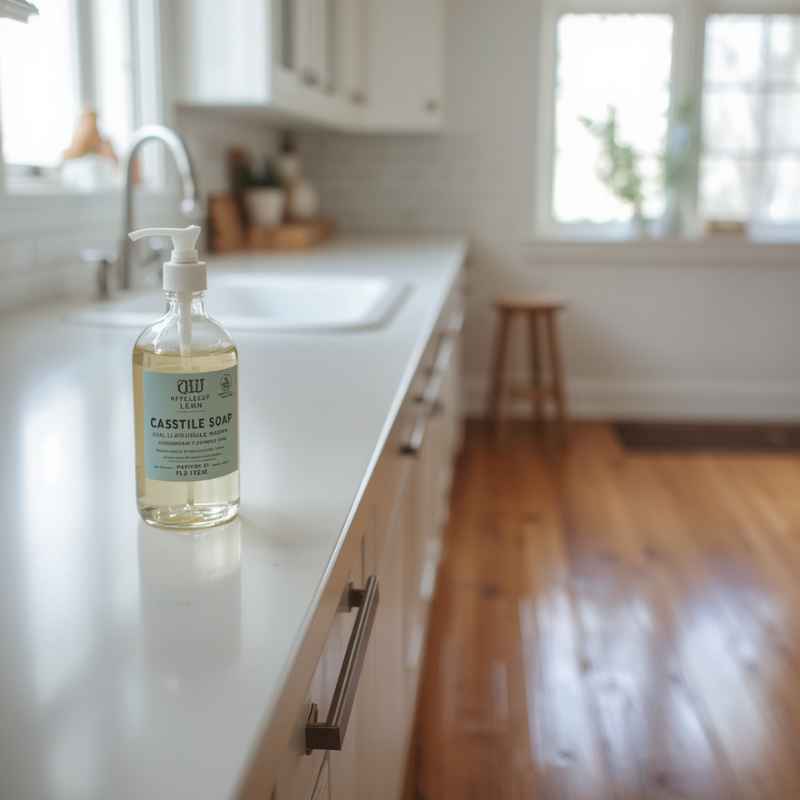
Frequently Asked Questions About Castile Soap and Hardwood Floors
Can I use diluted Castile soap on sealed hardwood floors?
It’s still not recommended for regular cleaning. While dilution helps, the alkaline nature of Castile soap can still dull the finish over time. It can also leave a residue that attracts dirt if not rinsed perfectly.
It’s best to use cleaners specifically designed for hardwood floors.
What happens if I’ve already used Castile soap on my hardwood floors?
If you notice dullness or a sticky residue, you might need to strip and refinish the floor, or at least use a specialized hardwood floor cleaner designed to remove soap scum and residue. You can try cleaning the floor with a pH-neutral hardwood cleaner and rinsing thoroughly with clean water. Check a small area first to see if this helps.
Is it safe to use Castile soap on engineered hardwood floors?
Engineered hardwood floors have a thin top layer of real wood. The risks are even higher with engineered wood. The finish is often more sensitive.
Using Castile soap could easily damage this thin veneer. Stick to cleaners recommended by the manufacturer for engineered hardwood.
Can I use liquid or bar Castile soap on hardwood?
Both types pose similar risks. Liquid Castile soap is easier to dilute. Bar Castile soap can be harder to dissolve completely, potentially leaving larger chunks of residue.
The core issue remains the pH and residue, regardless of the form of Castile soap.
What is the safest natural cleaner for hardwood floors?
For truly natural cleaning that is safe, your best bet is often just water and a microfiber mop. If you need a bit more cleaning power, look for plant-derived, pH-neutral cleaners specifically marketed for hardwood floors. Some brands offer very eco-friendly options without harsh chemicals.
Will a steam mop work for cleaning hardwood floors?
Generally, no. Most hardwood floor manufacturers advise against using steam mops. The heat and moisture from steam can penetrate the finish, warp the wood, and cause permanent damage.
Always check your flooring manufacturer’s specific care instructions.
Conclusion
While Castile soap is a wonderful, natural cleaner for many household tasks, it’s not the right choice for your hardwood floors. The potential for residue, dulling of the finish, and long-term damage makes it a risky option. Prioritize specialized pH-neutral hardwood floor cleaners for the best results.
This ensures your floors stay beautiful and protected for years to come.
Sponsored / affiliate links. As an Amazon Associate I earn from qualifying purchases. I may earn additional commission from eligible campaigns.