Do Water Heater Blankets Save Money? When They Help
A water heater blanket saves money mainly on older tanks with thin factory insulation, especially electric or gas storage units sitting in an unconditioned garage, basement, or crawlspace. The Department of Energy estimates a properly installed blanket cuts standby heat loss by 25% to 45%, which typically works out to $20 to $45 a year on an electric water heater. On a newer, well-insulated tank, the savings shrink to almost nothing.
Why standby loss matters
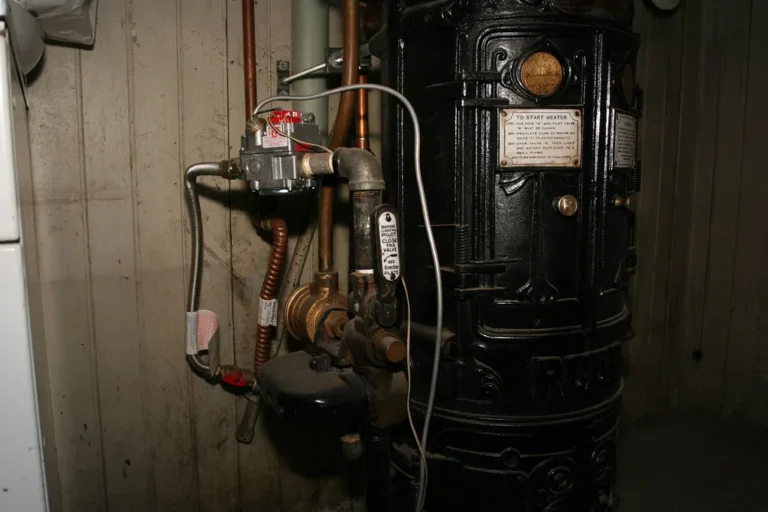
A storage water heater keeps 30 to 80 gallons hot around the clock, so it continuously loses a small amount of heat through the tank walls even when nobody is running hot water. Older tanks built before roughly the early 2000s often used less foam insulation between the inner tank and outer jacket, sometimes only R-6 to R-10, compared to R-16 or higher required on tanks made after 2015 federal efficiency standards took effect. A quick way to check if your tank is a candidate: if the outer shell feels noticeably warm to the touch, it is losing meaningful heat and a blanket will help.
Electric tanks see more benefit than gas
Electric water heaters keep water hot with no ongoing combustion loss, so standby loss makes up a larger share of their total energy use, meaning a blanket’s percentage savings translates to more real dollars. Gas water heaters already lose a portion of their energy up the flue during operation, so standby tank-wall loss is a smaller slice of the total picture, and the blanket has less overall impact, though it is still worthwhile on an older, poorly insulated gas tank.
Installing one safely on a gas unit
On gas and propane water heaters, the blanket must never cover the burner access panel, the thermostat, the pressure relief valve, or the top where the flue vent passes through. Blocking air intake around the bottom burner compartment or restricting the flue can cause incomplete combustion and a carbon monoxide hazard, which is why most blanket kits include a cutout template and instructions specific to gas versus electric installation. On electric tanks this risk does not apply, since there is no combustion or venting to keep clear, though the thermostat access panels should still be left uncovered for future servicing.
Cost and payback
A fiberglass or foam water heater blanket kit costs $20 to $40 and takes about 30 minutes to install with basic tape or the kit’s own fasteners. On an older electric tank saving $30 to $45 a year, payback is well under two years, making it one of the cheaper home energy upgrades available. On a newer tank already meeting current insulation standards, the marginal savings often will not cover even that small upfront cost within a reasonable timeframe.
Frequently Asked Questions
Will a blanket void my water heater’s warranty?
Check the manufacturer’s documentation first; some warranties specifically exclude damage related to improperly installed insulation, particularly on gas units where blocked components can cause a malfunction, though most allow it when installed correctly per the kit’s instructions.
Do tankless water heaters need a blanket?
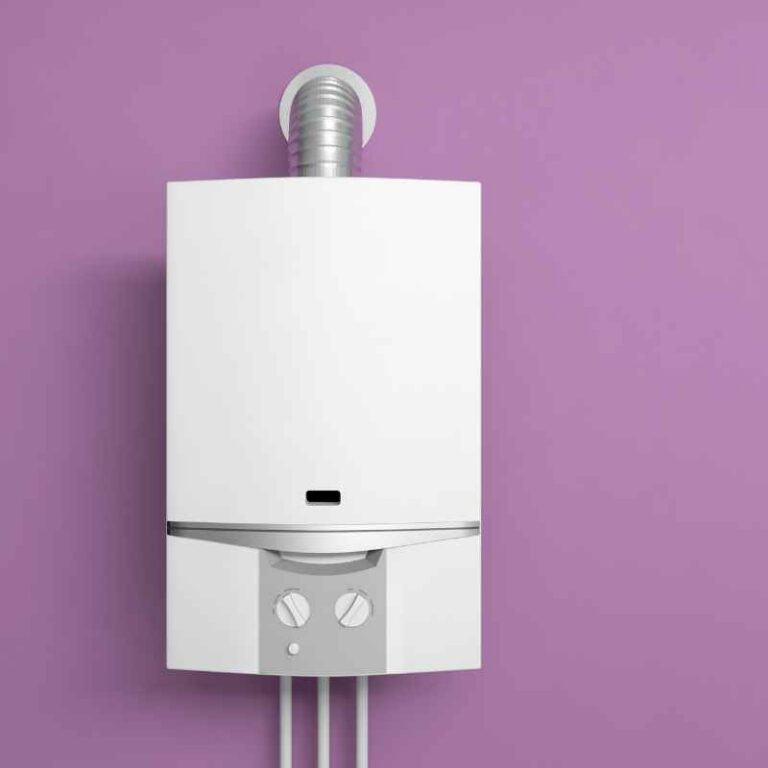
No. Tankless units heat water on demand rather than storing it, so there is no standing tank of hot water losing heat over time, and a blanket would serve no purpose.
How do I know my tank’s existing insulation R-value?
Check the manufacturer’s label or spec sheet on the tank, usually located near the data plate; if it is not listed, water heaters manufactured before the mid-2000s can generally be assumed to have lower insulation than current models.
Sponsored / affiliate links. As an Amazon Associate I earn from qualifying purchases. I may earn additional commission from eligible campaigns.