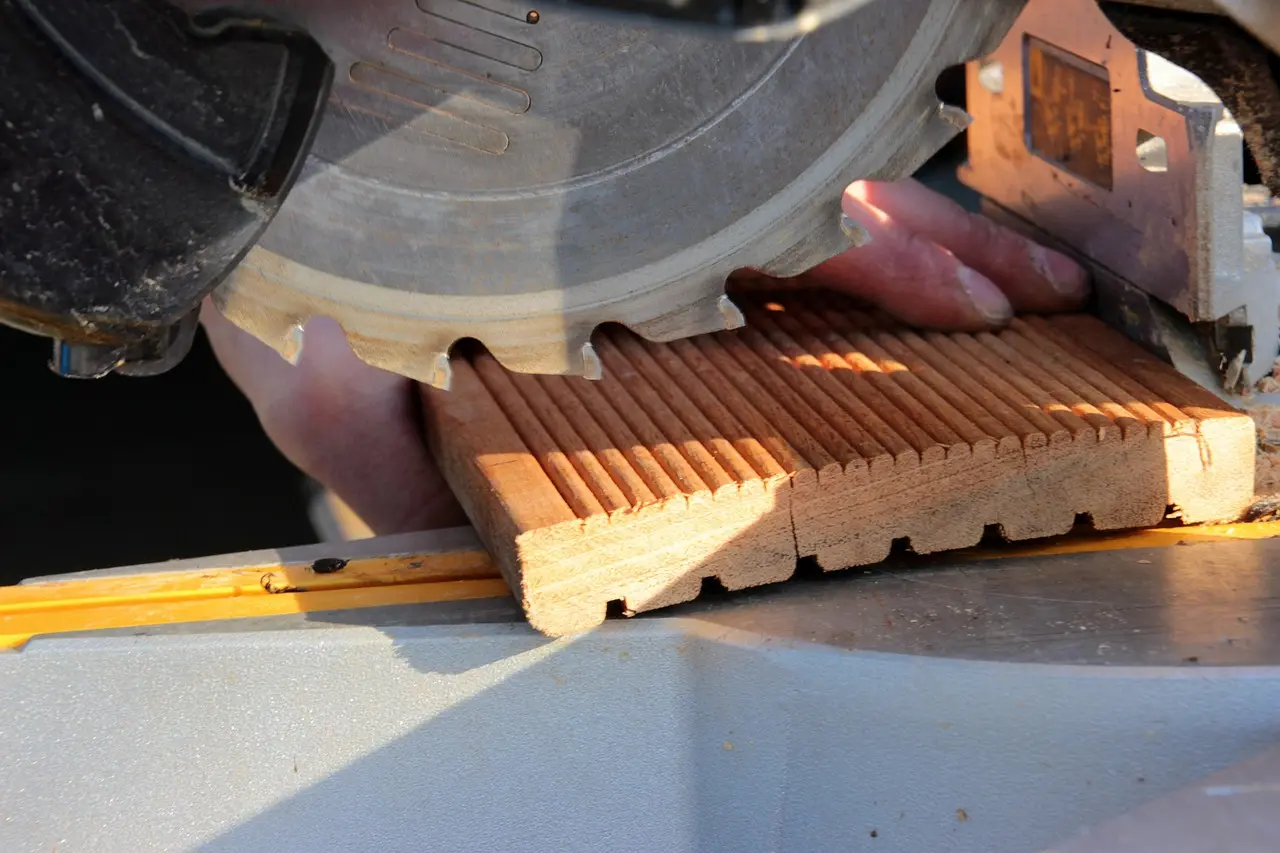
How to Choose the Right Saw Blade Teeth Count
For fast rip cuts, start around 24–30 teeth; for crosscuts, about 40–60 teeth; for plywood and fine-finish cuts, about 60–80+ teeth, then step down for thick stock and weaker saws. Pick the wrong count and you get burning, tearout, slow feed, and extra strain on the saw and blade. This guide gives a cut-type decision tree for tooth count, plus how material thickness, saw power, and finish quality change the choice.
Choose the right tooth count
Start with the cut you need, not the saw on the shelf. A rip cut, crosscut, plywood cut, and melamine cut all clear chips differently, so the right tooth count depends on cut direction first, then thickness, power, and finish risk.
Start with the cut type
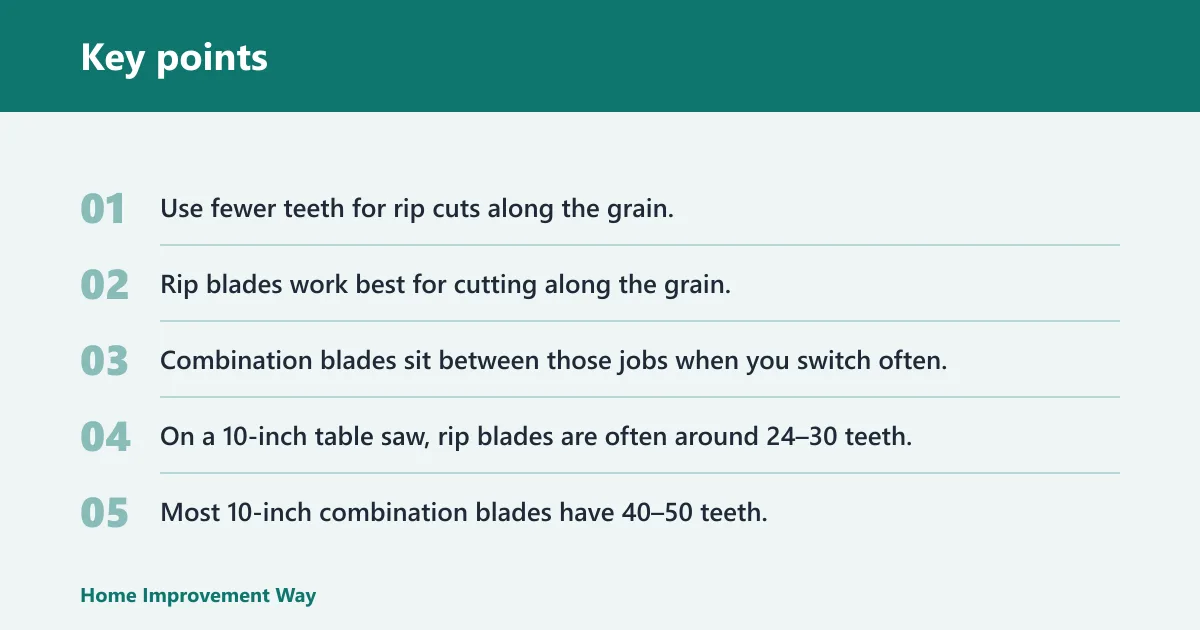
Use fewer teeth for rip cuts along the grain, and more teeth for crosscuts across the grain. Rip blades work best for cutting along the grain, while crosscut blades work best for clean cuts across the grain. Combination blades sit between those jobs when you switch often.
On a 10-inch table saw, rip blades are often around 24–30 teeth, typical crosscut blades are around 60 teeth, and fine-finish crosscut blades may have about 80 or more teeth. Most 10-inch combination blades have 40–50 teeth. That spread is the clearest starting point.
Adjust for material thickness
Thicker stock usually needs a little more chip clearance, not just more teeth. If you are cutting thick hardwood or a deep plywood stack, a blade with too many teeth can pack the gullets, slow feed, and heat the cut. Thin sheet goods can take a finer blade more comfortably.
Say your cut is a 2x framing board with a handheld circular saw. A 24T blade is usually the better starting point than a 60T blade because the cut is long, the chips are bulky, and you want fast material removal. Now change only the material to 1/2-inch plywood, and the balance shifts toward more teeth and cleaner tooth geometry.
Account for saw power and finish risk
Low-powered cordless saws often do better with fewer teeth or a thin-kerf blade because they have less motor margin. Corded saws and table saws usually handle mid- to high-tooth counts more comfortably. If the saw slows down, burns, or chatters, the blade may be too demanding for the tool.
High-tooth blades need slower feed rates. That matters on any saw, but especially on lower-power cordless models where forcing the cut can raise heat fast. Thin kerf helps because it removes less wood, which lowers motor load and waste.
Our picks by need
These picks match the tooth-count rules above. Each one fits a different cut need, and each has a tradeoff. The goal is not to buy the blade with the highest tooth count; it is to match tooth count, kerf, and grind to the cut you actually make.
Best for ripping: HOJR 7-1/4 inch 24T blade

The HOJR 24-tooth blade fits the low-tooth rip range and is a practical match for fast framing cuts. Based on the product details, the non-stick coating may help with buildup, and the carbide teeth should last longer than plain steel teeth. The drawback is simple: it is not the blade you want for clean crosscuts or veneer face work.
For handheld circular saw use, this is the clearest fit when speed matters more than a polished edge. It lines up with low-tooth ripping guidance and with FTG-style cutting behavior that favors fast material removal along the grain.
Best for crosscutting: MASTEC 7-1/4 inch 40T ATB blade

The MASTEC 40-tooth blade lands in the middle range that works well for general wood cutting and cleaner crosscuts. Its ATB tooth form is the right geometry for wood and plywood when you want a smoother edge than a rip blade can give. The tradeoff is that it will feed slower than a 24T rip blade.
Its anti-kickback shoulder adds a useful control feature, especially for general-purpose cuts where feed behavior matters. It is still not the blade for heavy ripping in thick stock, and it is not the best choice when you need the smoothest possible finish edge.
Best for plywood and melamine: FOXBC 7-1/4 inch 60T ultra-fine finish blade
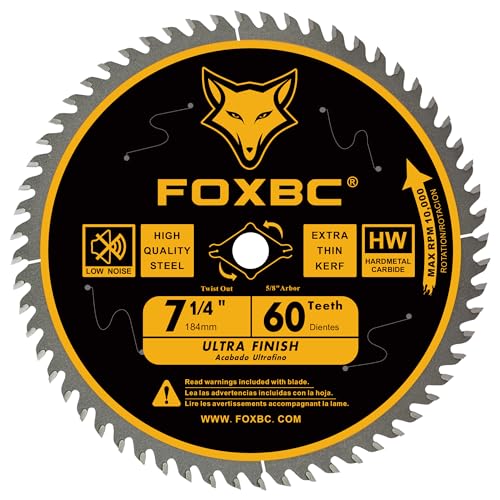
The FOXBC 60-tooth blade fits the high-tooth crosscut range and is a better choice when you want cleaner plywood edges or a finer finish on wood. The thin kerf can help the saw cut with less load, which matters on smaller or cordless saws. The drawback is slower feed and a greater chance of burning if you push too hard.
This is a better match for finish risk than a rip blade, but it is still not the right answer for abrasive sheet goods such as melamine or MDF if the cut edge is chipping badly. For those materials, tooth geometry matters as much as tooth count.
Best for thin-kerf saws: CRALY 7-1/4 inch 140T blade

The CRALY 140-tooth blade is the highest-tooth option here and suits very fine cutting in plywood, OSB, paneling, plastic, and vinyl siding. Its thin kerf reduces burrs and splinters, which can help when finish quality matters most. The downside is that the blade feeds slowly and asks more of cut control.
This is the most finish-focused pick in the group, but it is also the least forgiving if you want speed. It makes the most sense when the saw has enough power to keep the feed steady and the cut line needs the cleanest possible edge.
How many teeth for ripping?
For ripping, start in the low-tooth range: about 10 to 30 teeth, with many 10-inch rip blades landing around 24–30 teeth. That range clears chips quickly and keeps feed speed up. A rip blade is the right starting point when the cut runs along the grain and speed matters more than edge polish.
Why fewer teeth cut faster
Each tooth takes a larger bite when the tooth count is lower, so fewer teeth remove material faster. The tradeoff is rougher edges and more visible saw marks. Large gullets help by carrying sawdust and chips out of the cut instead of packing them between teeth.
When a rip blade makes sense
Use a rip blade for framing lumber, thick hardwood ripped to width, and long cuts where cut speed matters. On a table saw, that usually means a blade tuned to the grain direction, not the finish quality. A 10-inch table saw with a rip blade is the classic setup for this job.
How FTG and gullet size affect chip removal
Flat Top Grind, or FTG, is the grind most associated with ripping. It is commonly paired with low tooth counts because the flat tooth face removes material quickly. Larger gullets support that job by holding more chips during the cut, which is one reason rip blades feel freer through thick stock.
What tooth count is best for crosscutting wood?
For crosscutting wood, the sweet spot is usually medium to high tooth count, with many 10-inch crosscut blades around 60 teeth. More teeth generally leave a cleaner edge because each tooth removes less wood. If you need a smoother face on hardwood or plywood, move up before you move down.
Why more teeth leave a cleaner edge
More teeth means smaller bite marks and less tearout at the cut edge. That is why crosscut blades are built for clean cuts across the grain. The cost is feed speed: higher tooth counts slow the cut and increase the chance of heat if you force the saw.
When ATB beats a rip blade
Alternate Top Bevel, or ATB, is the common choice for cleaner crosscuts in wood and plywood. The beveled teeth shear fibers more cleanly than flat-top ripping teeth. High-angle ATB variants can improve finish further, but they also tend to demand more control and slower feed.
How thickness changes the ideal range
Thicker boards can tolerate a lower-to-mid crosscut tooth count if the saw has enough power and the blade clears chips well. Thin face veneer or thin trim benefits from more teeth because tearout shows fast. If the board is thick and the saw is weak, a very fine blade may be the wrong match even if the edge looks better on paper.
What tooth count works best for plywood and melamine?
For plywood and melamine, move toward the high end of the tooth-count range, but do not treat tooth count as the only variable. Plywood often does well with 60 teeth or more on a 7-1/4 inch blade, while melamine and MDF usually need a blade that resists chipping, not just one with extra teeth.
Plywood and veneer-facing panels
Plywood cuts improve with more teeth because the outer veneers chip easily. An ATB blade is a common choice for cleaner plywood cuts, especially when the finish side matters. Thin kerf can help reduce load and can make handheld saw cuts easier to control.
MDF, laminate, and plastic sheet goods
MDF, laminate, and plastic sheet goods often punish standard wood blades with edge wear and chipping. Higher tooth counts help, but the grind matters too. If the edge is abrasive or brittle, a fine wood blade may still wear quickly or chip the surface more than expected.
When TCG is the better choice
Triple Chip Grind, or TCG, is the better choice for melamine, MDF, laminates, and many plastics because it resists wear better than ATB in abrasive materials. It is built for tougher edge conditions, so it can reduce chipping and keep the cutting edge working longer in those materials.
Picture a 3/4-inch melamine panel on a miter saw. A high-tooth wood blade may look fine on paper, but the brittle surface can chip at the exit side if the tooth form is wrong. In that case, TCG is the more sensible match than simply adding more teeth alone.
Table saw blade tooth count by use
For table saw use, start with the direction of the cut and the material. A 10-inch table saw often uses a rip blade for stock removal, a crosscut blade for cleaner edges, and a combination blade when you do both often. Match the blade category to the job instead of chasing one universal tooth count.
Rip blades for 10-inch table saws
A 10-inch rip blade usually lands around 24–30 teeth. That range works well for along-the-grain cuts and thicker stock. It is the most efficient choice when feed speed matters and the cut does not need a showroom edge.
Crosscut blades for cleaner edges
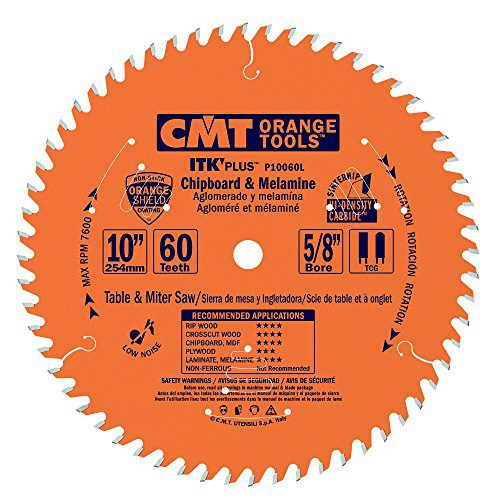
A 10-inch crosscut blade typically has around 60 teeth, and fine-finish crosscut blades may have 80 or more teeth. These blades are the better fit for clean trim work, cutoffs, and plywood faces. They are slower, but the edge quality is noticeably better in the right material.
Combination blades when you switch often
Combination blades usually sit at 40–50 teeth and are a practical middle ground for mixed work. They are not as fast as a rip blade and not as fine as a dedicated crosscut blade, but they reduce blade changes when you move between ripping and crosscutting on the same saw.
Kerf, hook angle, and gullets
Tooth count does not work alone. Kerf width affects motor load and waste, hook angle changes how aggressively the blade feeds, and gullets control chip clearance. A blade can have the right tooth count and still feel wrong if those other features do not match the saw.
Thin kerf versus full kerf
A full-kerf blade has a kerf of about 1/8″ (0.125″). Thin-kerf blades usually have around a 3/32″ kerf. Thin kerf removes less material, so it suits lower-powered saws and can reduce strain. Full kerf is common on heavier saws that can handle the load without complaint.
Positive versus negative hook angle
Positive hook angles are typically +15° to +20°, and they pull the material into the cut more aggressively. Negative hook angles are typically -5° to -6° and give more control. That matters for safety and feed behavior, especially on saws where aggressive feed can pull too hard or chatter.
For miter saws, keep the focus on controlled crosscut behavior, not aggressive rip-style feeding. A lower or negative hook angle is usually the more sensible direction there because the cut is across the grain and control matters more than raw feed speed.
Gullets and chip clearance
Gullets are the spaces between the teeth that carry sawdust and chips out of the cut. Larger gullets suit ripping because they can hold more waste. Shallower gullets suit fine crosscuts because they support a finer tooth pattern and cleaner edge behavior.
Saw blade teeth count decision table
Use this table as a decision rule, not a one-size-fits-all chart. Start with the cut type, then check material thickness, saw power, and finish risk. If the first cut burns or tears out, the fix is often in feed rate, kerf width, or blade grind, not only tooth count.
| Cut type | Material | Saw power | Tooth count range | Expected finish risk | If you see burning/tearout |
|---|---|---|---|---|---|
| Ripping along the grain | 2x lumber or thick hardwood | Corded table saw or strong corded circular saw | 10–30 teeth | Low burn risk if feed stays steady; edge is rougher | Back off feed pressure, clear pitch buildup, and confirm the blade is a rip grind with larger gullets |
| Crosscutting wood | Dimensional lumber or trim | Any saw with enough power for a steady feed | 40–60 teeth | Moderate finish risk; cleaner than rip blades | Move toward ATB, slow the feed slightly, and check for a dull blade or too-aggressive hook angle |
| Fine crosscutting | Hardwood, painted trim, veneered parts | Mid- to high-power saw | 60–80+ teeth | Low tearout risk, slower cutting speed | If burning appears, reduce feed speed just enough to keep the cut moving and check whether the saw is underpowered for the blade |
| Plywood or veneer panels | Sheet goods with thin faces | Thin-kerf friendly saw or table saw | 60–80+ teeth | Moderate tearout risk at the exit side | Switch to thin kerf, support the sheet fully, and use an ATB blade or a finer tooth pattern if edge damage continues |
| Melamine, MDF, or laminate | Abrasive sheet goods | Stable saw with controlled feed | 80+ teeth or TCG geometry | High chipping risk without the right grind | If chipping persists, change from ATB to TCG rather than adding even more teeth alone |
Mistakes to avoid
The most common mistake is choosing tooth count without matching the grind. A high-tooth blade with the wrong tooth geometry can still chip melamine or burn hardwood. The second mistake is using the wrong blade for the saw type. A miter saw wants clean crosscut control, not a rip blade built for along-the-grain feed.
- Match the blade to the cut direction first: rip, crosscut, or combination.
- Check whether the material is wood, plywood, MDF, melamine, or plastic.
- Use thin kerf when the saw is lower powered or cordless.
- Move up in tooth count when finish quality matters more than speed.
- Move down in tooth count when the saw slows, burns, or struggles to clear chips.
- Change grind before you keep adding teeth if chipping does not improve.
Suppose a cordless 7-1/4 inch saw starts burning on 3/4-inch plywood with a 60T blade. Do not assume the answer is always more teeth. A thinner kerf, a steadier feed rate, or a different grind may solve the problem better than moving to an even finer blade that overloads the motor.
Frequently asked questions
How many teeth for circular saw blade
For a circular saw blade, the useful range depends on the cut. Start around 24–30 teeth for ripping, 40–60 teeth for crosscutting, and 60–80+ teeth for fine finish or sheet goods. The saw, kerf, and grind matter too, so tooth count is only the first filter.
How many teeth should a circular saw blade have for ripping?
For ripping, a circular saw blade usually works best in the low-tooth range, about 10 to 30 teeth. That range clears chips fast and keeps the cut moving along the grain. If the saw bogs down, a thin-kerf blade can help more than adding teeth.
Should I choose more or less teeth on a saw blade?
Choose more teeth when finish quality matters and the saw can handle slower feed. Choose fewer teeth when you need speed, rougher lumber removal, or a lower-powered saw that struggles under load. The right answer depends on cut direction, thickness, and whether the blade clears chips well.
What tooth count is best for plywood cuts?
For plywood, a high-tooth blade is usually the safer starting point, often 60 teeth or more on a 7-1/4 inch blade. Plywood veneers chip easily, so an ATB blade or a thin-kerf blade can help. If the sheet is melamine, TCG may be the better choice.
What tooth count is best for table saw use?
For a 10-inch table saw, use about 24–30 teeth for ripping, around 60 teeth for crosscutting, and 40–50 teeth for combination work. The right blade category matters as much as tooth count. A rip blade, crosscut blade, or combination blade should match the cut you make most.
Sponsored / affiliate links. As an Amazon Associate I earn from qualifying purchases. I may earn additional commission from eligible campaigns.