How To Keep Bifold Doors Closed: Essential Guide
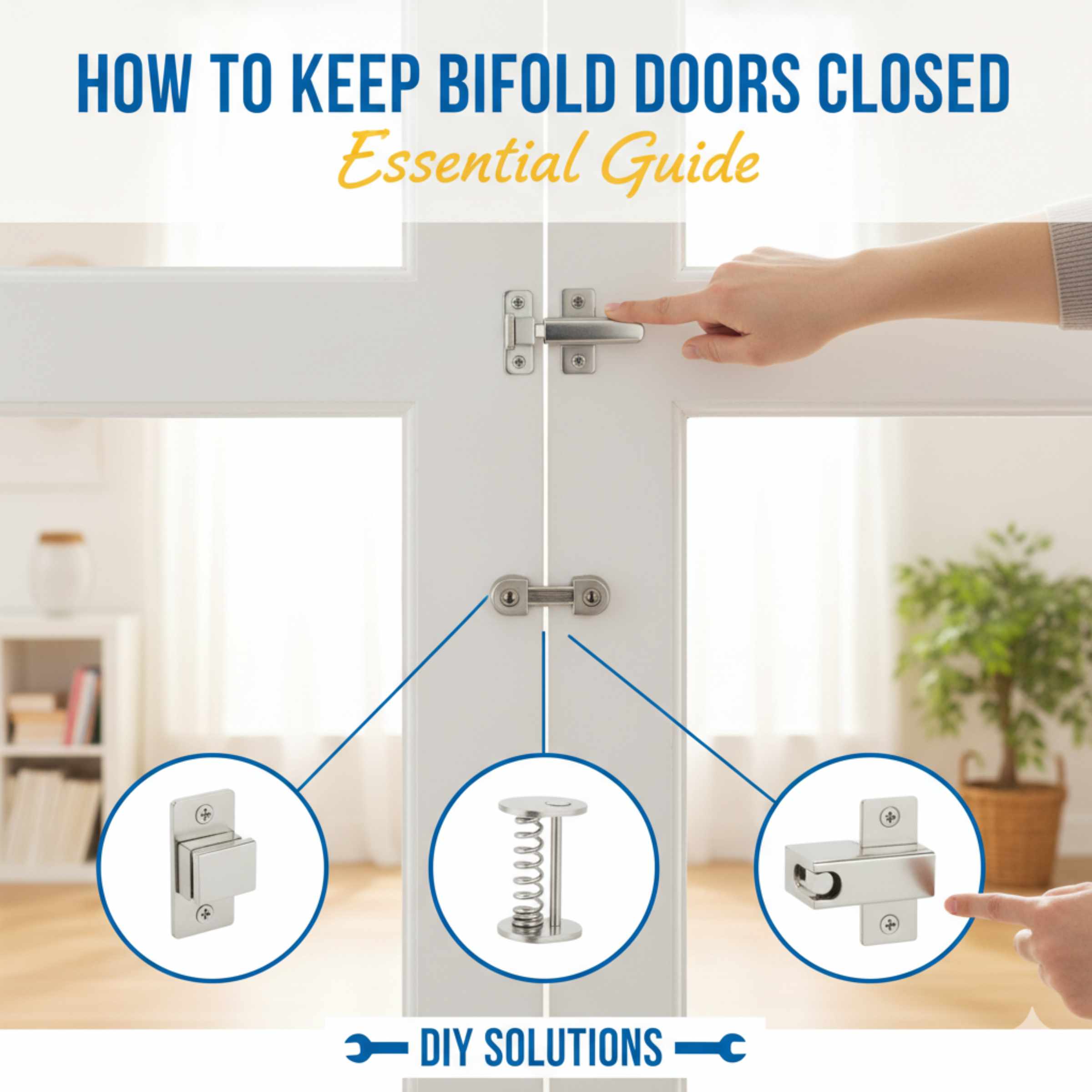
Keep bifold doors securely closed by adjusting the hinge tension, ensuring rollers are aligned, installing strong magnetic catches or spring-loaded latches, and checking that the door frame is square. These simple fixes often resolve common sticking or drifting issues, giving you peace of mind.
If your bifold doors keep drifting open when they should be shut, it can be incredibly annoying. This is a super common problem in homes, whether it’s a closet door or a patio door. Doors shift over time due to house settling or temperature changes, which messes up their alignment. Don’t worry; this usually isn’t a huge repair job! I’m here to guide you through simple, step-by-step fixes using basic tools. We will make those doors stay put, safe and sound. Let’s dive into getting your doors perfectly closed.
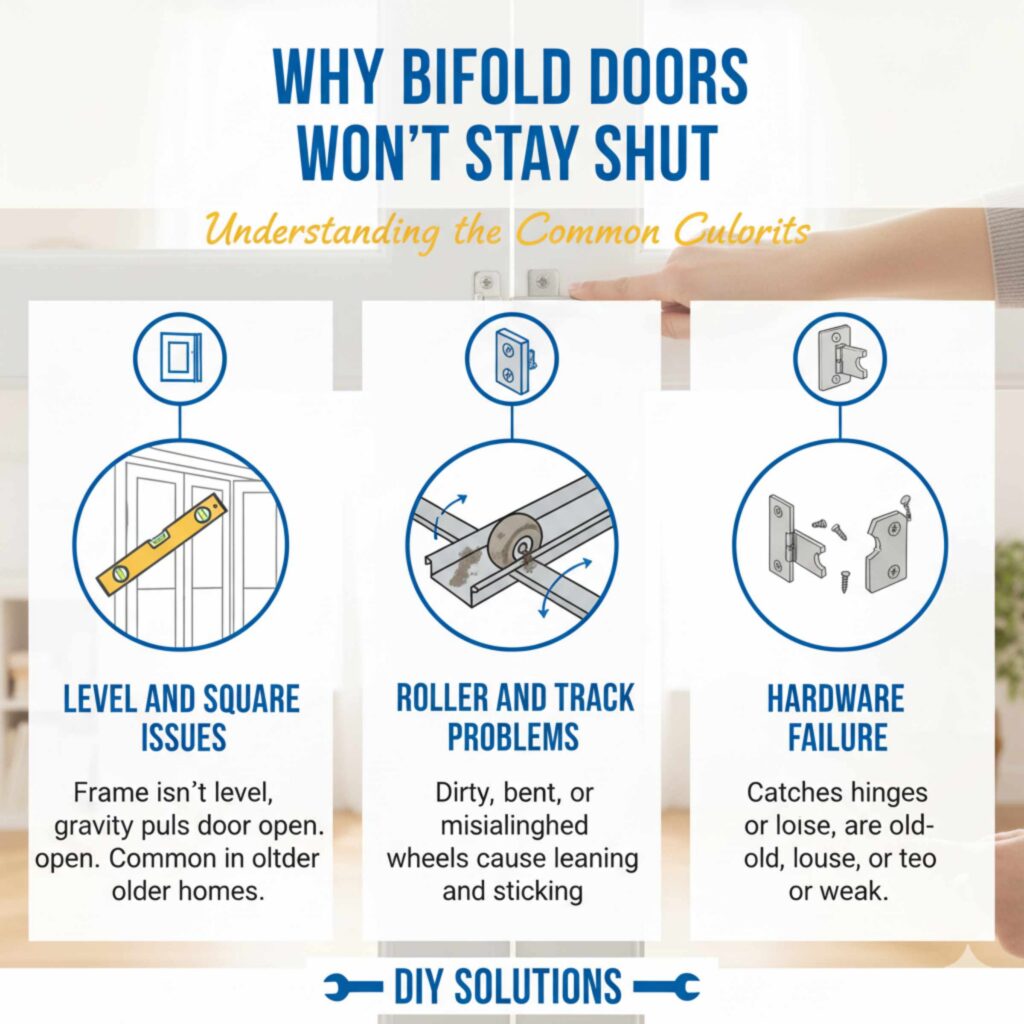
Why Bifold Doors Won’t Stay Shut: Understanding the Common Culprits
Before we grab the toolbox, it helps to know why your doors are misbehaving. Bifold doors rely on precision—a tiny shift in alignment can cause them to swing open, rattle, or stick. Understanding the cause helps us pick the right solution.
The Usual Suspects: Alignment, Hardware, and Environment
Most issues fall into three main categories. Identifying the main problem is the first step toward a lasting fix.
- Level and Square Issues: If your door frame isn’t perfectly level or square (straight), gravity pulls the door panels unevenly, causing them to drift open. This is common if your house has settled over the years.
- Roller and Track Problems: The small wheels (rollers) that guide the door in the track can get dirty, bent, or misaligned. If a roller is higher or lower than the others, the door panel will lean.
- Hardware Failure: The existing closing mechanisms—like magnetic catches, spring bolts, or even the hinges themselves—might be old, loose, or simply not strong enough for the door’s weight.
We’ll tackle the easiest, least invasive fixes first, moving toward hardware replacement only if necessary. Remember, patience is key in DIY!
Step 1: Safety First and Preliminary Checks
Before touching any hardware, we must ensure safety and properly assess the door’s condition. Never work on a door that might unexpectedly swing or fall.
Essential Safety and Inspection Tools
You don’t need a professional setup for this. Most homeowners already have these items:
- Safety glasses (Always wear them!)
- Tape measure
- A sturdy step stool or small ladder
- Pencil and screwdriver set (Phillips and flathead)
- A carpenter’s level (a small one works fine for quick checks)
Initial Inspection Checklist
- Check the Tracks: Gently run your fingers along the top and bottom tracks. Are they free of debris, dirt, paint chips, or obstructions? Use a vacuum cleaner hose attachment to suck out any gunk.
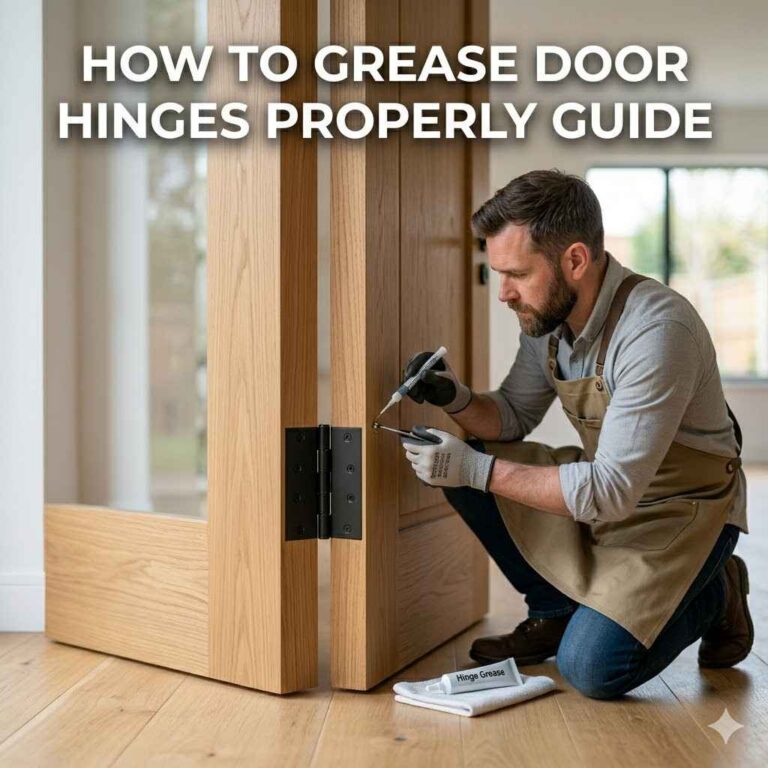
- Examine the Hinges: Wiggle the hinges connecting the panels. Do they feel loose where they attach to the door frame or the door stile (the vertical edge)? Tighten any visible screws gently. Don’t overtighten, as you can strip the wood or particleboard.
- Test the Rollers: Open and close the door slowly. Listen for grinding or scraping sounds. If the door seems to ride unevenly in the track, the issue is likely the roller height.
Step 2: Adjusting the Door Height and Alignment
The most frequent reason bifold doors don’t stay closed is that the door panels are no longer level or plumb (perfectly vertical). Adjusting the rollers fixes this!
Locating the Roller Adjustment Screws
Most modern bifold door systems, especially patio or closet doors, have adjustable rollers built into the top or bottom hinge assemblies. You usually need to look at the side edge of the door panel.
- Identify the Door Panel: Bifold doors consist of two or more panels hinged together. You usually adjust the lead panel—the one that attaches directly to the frame or slides the furthest.
- Find the Adjustment Screw: On the top or bottom edge of this lead panel, look for a large screw head (often recessed) on the metal bracket holding the roller assembly. Sometimes, the screw is accessible by removing a small cover plate on the side of the door edge.
- Level the Frame First: Use your carpenter’s level on the door frame header (top) and the threshold (bottom). If the frame is out of level, the door will never sit right. If the frame is severely unlevel, you may need to shim the frame, which is a more advanced fix best reserved if all else fails. For now, assume the frame is okay or only slightly off.
How to Adjust Roller Height
This process slightly raises or lowers the panel, bringing it back into plumb and ensuring it meets the strike plate or magnet correctly.
If the door panel is drifting open toward the handle side, you need to raise the roller on the hinge side of that panel. If it drifts open toward the hinge side, you need to lower that roller.
| Symptom (Door Drifts Open On…) | Action Required | Adjustment Direction |
|---|---|---|
| Handle/Latch Side | Raise the roller on the hinge side of the door | Turn adjustment screw clockwise |
| Hinge Side | Lower the roller on the hinge side of the door | Turn adjustment screw counter-clockwise |
Pro Tip from Meraj: Adjust only in small increments—a quarter turn at a time. After each small adjustment, close the door completely and check if it stays shut. You want the panel to close firmly against the frame without forcing it.
Step 3: Improving the Closing Mechanism (The Catch)
If the door is perfectly aligned but still swings open slightly, the original closing hardware is likely too weak or worn out. This is where we install something stronger to physically hold the door closed.
Understanding Bifold Door Catches
Bifold doors use different hardware to hold them shut:
- Magnetic Catches: Two parts—a small metal plate attached to the door frame and a magnet attached to the door panel. These are simple but can lose strength over time.
- Roller/Spring Catches: These use a spring-loaded roller that snaps into a strike plate when the door closes. They provide a more secure, audible ‘click.’
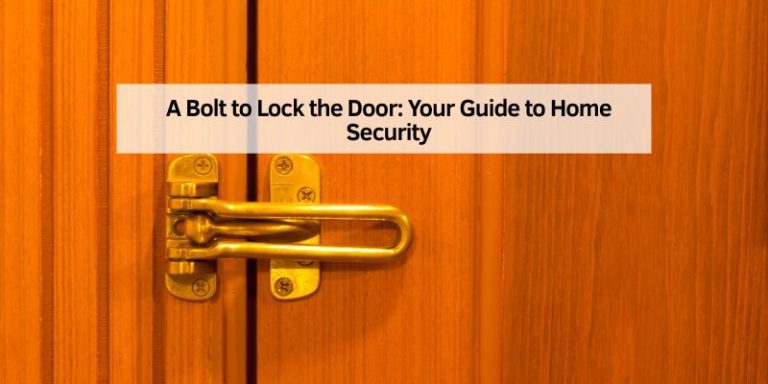
- Slide Bolts/Flush Pulls: Common on larger exterior bifold doors, these involve a bolt that slides into the frame or floor.
Option A: Upgrading to Stronger Magnetic Catches
If you have magnets that are failing, swapping them out is an easy, inexpensive DIY fix.
Tools Needed for Magnetic Upgrade:
- New, heavy-duty magnetic catch set (Look for sets rated for heavier doors).
- Electric drill or screwdriver
- Pencil
Installation Steps:
- Mark the Old Position: With the door fully closed, use a pencil to mark exactly where the old magnet and plate are located on the frame and door.
- Remove Old Hardware: Unscrew and remove the old magnet and plate. Fill the old screw holes with a dab of wood filler if they are too large (let it dry completely).
- Position the New Magnet: Hold the new magnet onto the door panel in the exact spot you marked. Ensure the metal plate aligns perfectly when the door is shut. Mark the new screw holes.
- Drill Pilot Holes: Drill small pilot holes for the new screws. This prevents splitting the door or frame material. Learning how to drill proper pilot holes is crucial for clean installation.
- Secure the Hardware: Screw the magnet securely to the door and the strike plate securely to the frame. Test the closing action.
Option B: Installing Spring-Loaded Roller Catches (The Reliable Choice)
Roller catches are generally more reliable for interior doors that need to stay shut against mild pressure.
When to use this: When alignment adjustments aren’t enough, or your old magnets are weak.
- Determine the Closing Point: Close the door panel tightly. Decide where on the edge of the door panel the roller catch will sit, usually near the top or middle where it meets the frame.
- Install the Catch on the Door: Drill a hole slightly smaller than the catch body if it’s a surface mount, or use a large Forstner bit if you are recessing it (hollowing out space so it sits flush). Secure the catch mechanism to the door edge.
- Install the Strike Plate on the Frame: Close the door so the roller is pressed against the frame. Mark precisely where the roller presses. Install the corresponding strike plate onto the door frame so that when the door closes, the roller snaps neatly into the plate.
Step 4: Addressing Track Issues (The Movement Factor)
If your door panel seems loose in the track, or if it moves slightly even when latched, the issue might be play in the track itself. This is common for closet doors where the bottom track isn’t very deep.
Securing Loose Tracks
If the entire track system (top or bottom) wiggles when you push on the door, you need to secure it better.
- Top Track: Check the screws holding the top track to the header or door jamb. If they are stripped, remove them, plug the holes with wood glue and golf tees or dowels, let them dry, and then re-drill pilot holes and install longer, slightly thicker screws.
- Bottom Track: Bottom tracks often rely on friction or small fasteners. If it moves, use appropriate screws to anchor it firmly to the floor or threshold. Ensure the screws do not poke through the underside if you are on a surface that cannot be penetrated (like tile or concrete without appropriate anchors).
Addressing Track Wear
If the track metal is worn down or severely dented, the rollers will ride unevenly, causing the door to drift. Replacing the track is sometimes the only true fix, but cleaning and lubricating can help mask minor wear.
Lubrication Tip: Use a dry silicone spray lubricant meant for tracks or windows. Avoid heavy grease, which attracts dust and dirt, causing future problems. See resources like the This Old House guide on lubricating sliding doors for general track care, applicable to bifold systems too.
Step 5: Dealing with Out-of-Square Frames (Advanced Alignment)
Sometimes, the door is adjusted perfectly, the hardware is new, but the frame itself has shifted. If you put a level on the frame and it shows a clear tilt, you need to address the frame.
Shimming for Frame Leveling
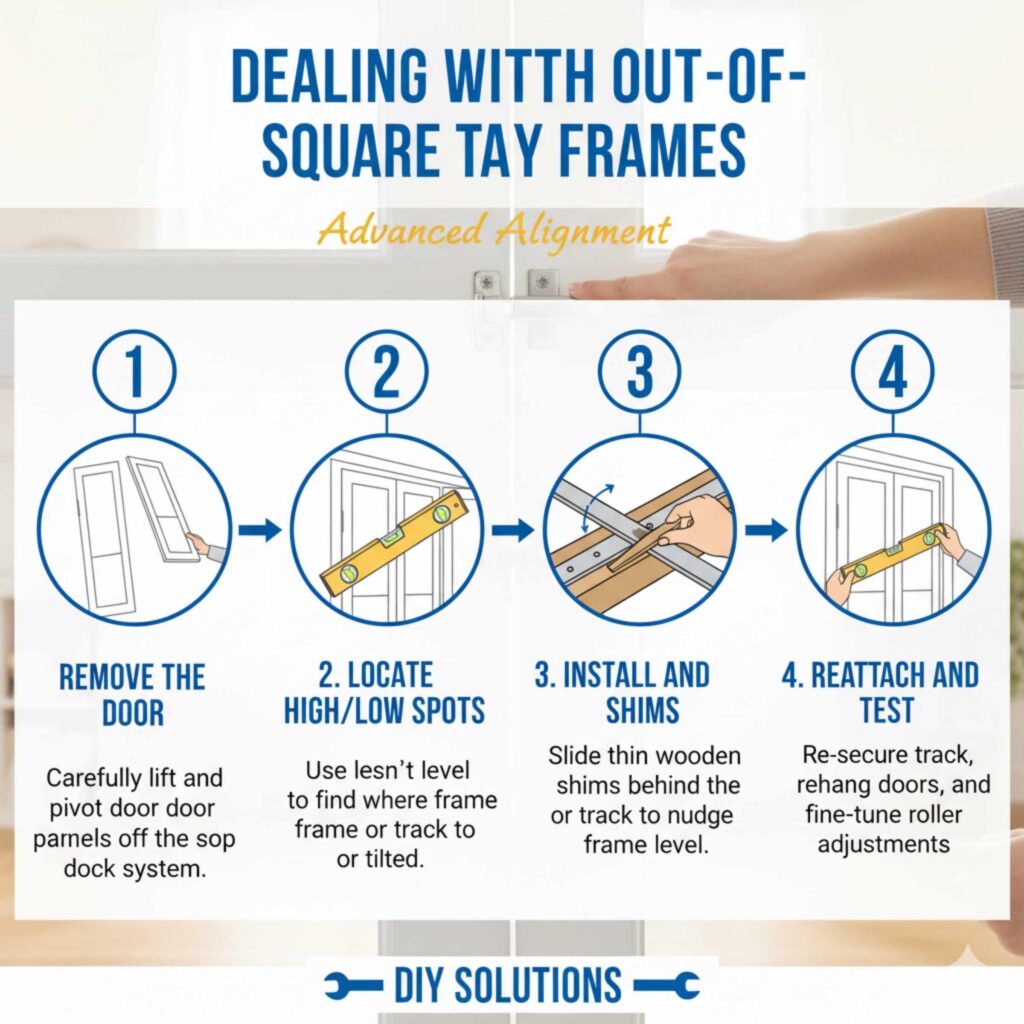
Shimming involves placing thin pieces of material (shims) behind the door jamb or track to slightly nudge the frame back into plumb. This is most often required for the top track.
Note: This applies mainly to interior closet doors where the track is mounted inside a wooden frame, not usually large exterior patio doors which are often set in concrete or structural openings.
- Remove the Door: Carefully remove the door panels from the track system. You usually need to lift them slightly and pivot them out.
- Locate High/Low Spots: Check where the track meets the frame. If the side that is too low needs lifting, you will shim behind the track on that side.
- Install Shims: Gently pry the track away from the frame just enough to slide in a thin wooden shim (like a paint stirrer cut down, or specialized plastic shims). Slide it in near an existing screw hole.
- Reattach and Test: Re-secure the track with the screws, ensuring they go through the shim. Rehang the doors and re-test the roller adjustments (Step 2). Shimming changes the baseline height, so you will likely need to fine-tune the roller screws again.
Summary of Bifold Door Solutions Table
Here is a quick reference guide based on the symptoms you are observing:
| Symptom | Likely Cause | Recommended Action |
|---|---|---|
| Door drifts open slowly. | Door frame is slightly out of plumb (unlevel). | Adjust roller height until the door is vertical. |
| Door slams shut or rattles loudly. | Closing magnet/catch is too strong or misaligned. | Loosen or reposition the magnetic catch/strike plate. |
| Door sticks or scrapes the floor. | Roller assembly is bent or damaged. | Inspect roller, clean track, or replace the entire roller assembly. |
| Door won’t fully engage the frame. | Track obstruction or debris buildup. | Thoroughly clean and lubricate both top and bottom tracks. |
Frequently Asked Questions (FAQ) for Beginners
Q1: Can I use standard door magnets on my bifold doors?
A: Yes, but choose heavy-duty or “cabinet grade” magnets. Bifold doors are often lighter than standard swinging doors, but they need a strong pull to counteract gravity if they are slightly misaligned. Always buy magnets specifically designed for doors or cabinets.
Q2: How do I know if my door frame is level?
A: Use a standard carpenter’s level. Place it flat across the top door jamb (the frame header) and check for a bubble reading in the center. Then, place it vertically against the side jambs. If the bubble isn’t centered in both directions, the frame needs adjustment or shimming.
Q3: My top track is metal. Can I drill into it?
A: Yes, you can drill into most metal tracks, but you must use the correct drill bit—a metal-specific or high-speed steel (HSS) bit. Start with a small pilot hole and increase the bit size slowly. Lubricating the bit with cutting oil helps prevent overheating the bit.
Conclusion: Keep Your Bifold Doors Closed with Confidence
Bifold doors that won’t stay closed are frustrating—but as you’ve seen, the fix is usually simpler than it seems. In most cases, the problem comes down to alignment, worn hardware, or minor track issues that develop naturally over time as homes settle and materials expand or contract. The good news? You don’t need advanced carpentry skills or expensive tools to solve it.
By starting with basic checks—cleaning the tracks, tightening loose hinges, and adjusting roller height—you can often correct the issue in minutes. If the door still drifts open, upgrading to stronger magnetic catches or installing a spring-loaded roller catch provides a reliable, long-term solution. And for more stubborn cases, securing loose tracks or carefully shimming an out-of-square frame can restore proper balance and function.
The key is to work step by step, making small adjustments and testing as you go. Patience and precision matter more than force. Once properly aligned and secured, your bifold doors should close smoothly, stay firmly shut, and operate quietly for years to come.
With these practical fixes in your DIY toolkit, you can finally put an end to drifting, rattling, and misbehaving bifold doors—and enjoy a home that feels more polished, functional, and stress-free!