Pneumatic vs Electric Drills: Key Differences for DIYers
Pneumatic drills use compressed air for higher sustained torque, while electric drills run on a cord or battery for everyday portability. Picking the wrong one means either lugging an air compressor you do not need or stalling out mid-project on tough metal work. This guide compares power, noise, cost, and maintenance so you know exactly which drill fits your next job.
Understanding the Power Sources: Air vs. Electricity
Our Pick: Best Drill for Most DIYers
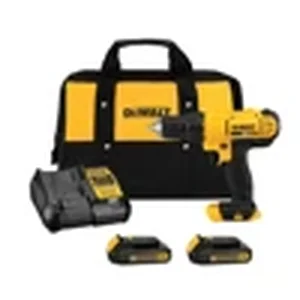 |
DEWALT 20V MAX Cordless Drill Driver Set – $119.00 The 20V MAX cordless drill this guide says is almost certainly the best choice for home DIYers, furniture assembly, and general repairs. Check on Amazon |
More Drills and Accessories This Guide Recommends
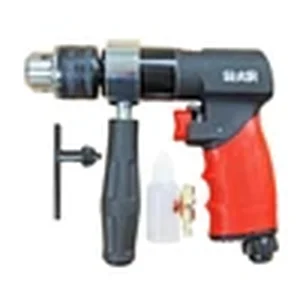 SLAIR Heavy Duty Pneumatic Air Drill – $49.99 The higher-torque option this guide recommends for heavy metalworking and automotive repair. Check on Amazon |
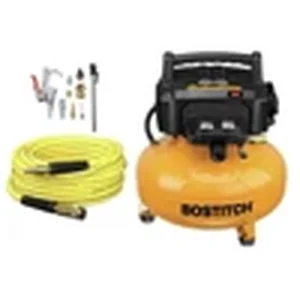 BOSTITCH Pancake Air Compressor – $199.99 The air compressor this guide says is required before a pneumatic drill will run at all. Check on Amazon |
 DEWALT Titanium Drill Bit Set (21-Pc) – $26.98 Covers the wood, metal, and plastic drilling tasks this guide says either drill type can handle. Check on Amazon |
Pneumatic Drills: The Muscle of Compressed Air
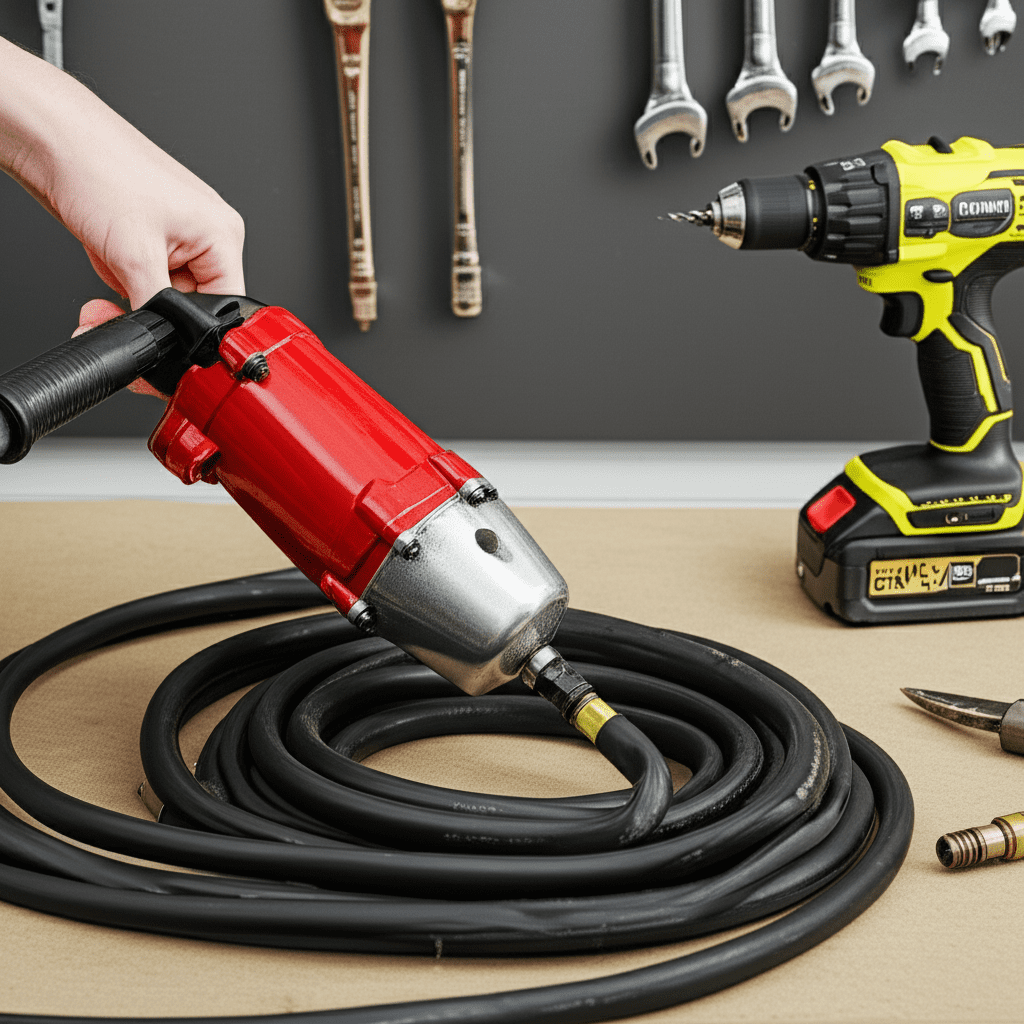 Pneumatic drills, often called air drills, harness the power of compressed air. They don’t have motors in the traditional sense. Instead, they use a small air-powered motor. When compressed air is fed into the drill, it spins a turbine or a piston system, which in turn rotates the drill chuck.
To use a pneumatic drill, you need an air compressor. This machine takes air from the atmosphere and compresses it, storing it under pressure. This compressed air is then delivered to the drill through a hose. The flow of air is typically controlled by a trigger on the drill, much like an electric drill.
The power delivered by a pneumatic drill is often impressive, especially for its size. They are known for their high torque (twisting force) and can often run for extended periods without overheating, as the compressed air itself helps to cool the internal components. This makes them ideal for heavy-duty applications.
For a deeper dive into how compressed air systems work, you can check out resources from organizations like the U.S. Department of Energy, which explains the principles and efficiencies involved.
Pneumatic drills, often called air drills, harness the power of compressed air. They don’t have motors in the traditional sense. Instead, they use a small air-powered motor. When compressed air is fed into the drill, it spins a turbine or a piston system, which in turn rotates the drill chuck.
To use a pneumatic drill, you need an air compressor. This machine takes air from the atmosphere and compresses it, storing it under pressure. This compressed air is then delivered to the drill through a hose. The flow of air is typically controlled by a trigger on the drill, much like an electric drill.
The power delivered by a pneumatic drill is often impressive, especially for its size. They are known for their high torque (twisting force) and can often run for extended periods without overheating, as the compressed air itself helps to cool the internal components. This makes them ideal for heavy-duty applications.
For a deeper dive into how compressed air systems work, you can check out resources from organizations like the U.S. Department of Energy, which explains the principles and efficiencies involved.
Electric Drills: Convenience and Versatility
Electric drills are what most people picture when they think of a drill. They use electricity to power a motor that spins the drill bit. There are two main types of electric drills:- Corded Electric Drills: These plug directly into a wall outlet. They offer a continuous and powerful supply of electricity, meaning you don’t have to worry about battery life. However, their use is limited by the length of the power cord and the availability of an outlet.
- Cordless (Battery-Powered) Drills: These are the most common type for home DIYers. They run on rechargeable battery packs, offering incredible freedom and portability. You can take them anywhere without being tethered to an outlet. The power and runtime depend on the battery voltage and capacity.
Pneumatic vs. Electric Drills: A Detailed Comparison
Now that we understand the basic power sources, let’s compare pneumatic and electric drills across several key aspects:| Feature | Pneumatic Drills | Electric Drills (Corded & Cordless) |
|---|---|---|
| Power Source | Compressed air from an air compressor | Electricity (wall outlet or rechargeable battery) |
| Power Output | Generally higher torque, excellent for heavy-duty tasks. Can maintain consistent power. | Varies by model. High-end cordless and corded drills offer significant power, but battery life can limit sustained high-demand use. |
| Portability | Less portable due to the need for an air compressor and hose. | Cordless drills are highly portable. Corded drills are limited by cord length. |
| Weight & Size | Often lighter and more compact for their power output, as the motor is simpler. | Cordless drills can be heavier due to batteries. Corded drills can be lighter but still contain a motor and gearbox. |
| Durability & Lifespan | Typically very durable and have a long lifespan due to fewer complex electrical components. Air cools the motor. | Durability varies by brand and quality. Batteries have a limited lifespan and will eventually need replacement. Motors can overheat with prolonged heavy use. |
| Maintenance | Requires regular air compressor maintenance (draining tank, oiling tools if needed). Drill itself needs minimal maintenance. | Battery maintenance is key for cordless. Brushes in some motors may need eventual replacement. Keep clean. |
| Cost | Initial cost of drill can be lower, but requires significant investment in an air compressor. | Wide range of prices. Cordless drills can be expensive, especially with multiple batteries. Corded drills are generally more affordable. |
| Noise Level | Can be very loud due to the exhaust of compressed air. | Varies, but generally less loud than pneumatic drills. |
| Overheating | Resistant to overheating due to air cooling. | Can overheat with prolonged heavy use, especially cordless models on demanding tasks. |
| Ideal Use Cases | Automotive repair, heavy metal fabrication, continuous industrial use, woodworking shops, large construction sites. | Home repairs, woodworking, furniture assembly, crafts, general DIY, tasks requiring frequent movement. |
When to Choose a Pneumatic Drill
Pneumatic drills shine in situations where raw power, durability, and continuous operation are paramount. If your work involves:- Heavy-Duty Metalworking: Drilling through thick steel, aluminum, or other metals requires significant torque that pneumatic drills easily provide.
- Automotive Repair: Mechanics often use air-powered impact wrenches and drills for their speed and power in changing tires or working on engines.
- Continuous Operation: In a workshop or factory setting where a drill will be used for hours on end, a pneumatic drill won’t suffer from overheating or battery drain.
- Harsh Environments: Because they don’t have electrical components that can spark, pneumatic tools are often preferred in environments where flammable vapors might be present.
- Need for High Torque in a Compact Package: Air motors can deliver a lot of power without being excessively bulky or heavy.
When to Choose an Electric Drill
Electric drills, especially cordless models, are the workhorses for most home DIYers and professionals who value convenience and versatility.- Home DIY Projects: Hanging shelves, assembling furniture, drilling pilot holes for screws, and minor repairs are perfectly suited for cordless drills.
- Woodworking and Crafts: The precision and ease of use of electric drills make them ideal for detailed work in wood.
- Portability is Key: When you need to drill holes in various locations around the house, garden, or a job site without being tied to a power outlet, a cordless drill is indispensable.
- Budget-Conscious Beginners: A basic corded drill is an affordable entry point into power tools, and many entry-level cordless kits are also reasonably priced.
- Variable Speed and Precision: Many electric drills offer excellent variable speed control, allowing for precise starting of holes and delicate material drilling.
Key Features to Consider
Whether you’re leaning towards pneumatic or electric, here are some features that can make a big difference:For Pneumatic Drills:
- Chuck Size: Most air drills come with a 3/8-inch or 1/2-inch chuck, suitable for standard drill bits and some larger ones.
- RPM (Revolutions Per Minute): Higher RPMs are good for drilling smaller holes or in softer materials, while lower RPMs with more torque are better for larger holes or harder materials.
- Air Consumption: This is measured in CFM (Cubic Feet per Minute) and indicates how much air the tool needs. Ensure your air compressor can supply enough CFM.
- Ergonomics: Look for comfortable grips and well-balanced designs to reduce fatigue during use.
For Electric Drills (Cordless & Corded):
- Voltage (Cordless): Higher voltage (e.g., 18V, 20V MAX) generally means more power and longer runtimes.
- Battery Capacity (Cordless): Measured in Amp-hours (Ah), a higher Ah rating means the battery can power the drill for longer on a single charge.
- Chuck Type and Size: Keyed chucks are more robust but slower to change bits; keyless chucks are faster. 1/4-inch, 3/8-inch, and 1/2-inch are common chuck sizes.
- Speed Settings: Most drills have at least two speed settings (e.g., 0-400 RPM and 0-1500 RPM). Lower speeds are for driving screws, higher speeds for drilling.
- Torque Settings (Clutch): A clutch with multiple torque settings prevents over-driving screws and stripping screw heads or damaging the material.
- Brushless Motor: Brushless motors are more efficient, offer longer runtimes, and have a longer lifespan than brushed motors.
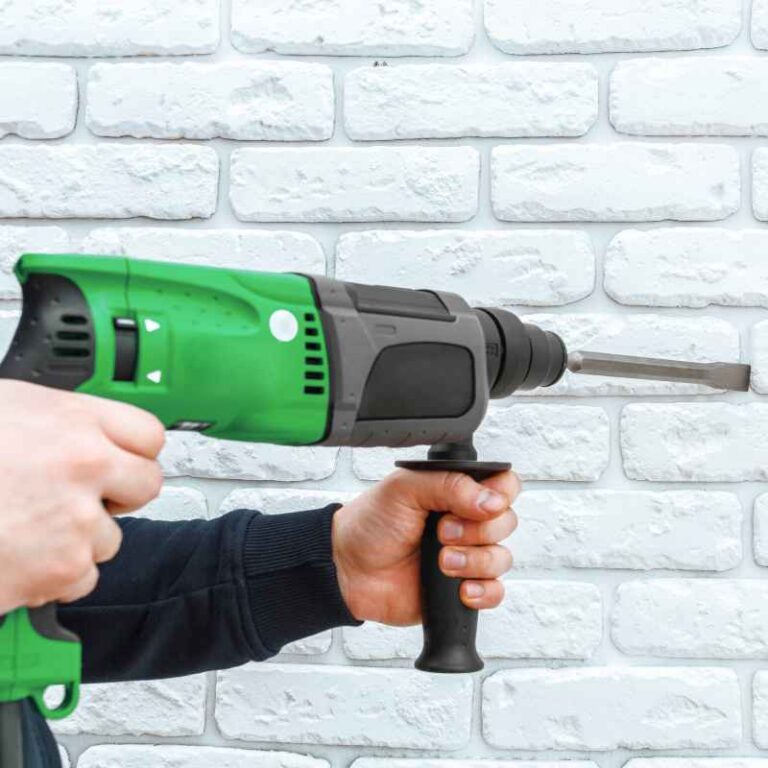
- Hammer Function: Some drills include a hammer setting for drilling into masonry like brick or concrete.
Pros and Cons at a Glance
Here’s a quick rundown to help you weigh your options:Pneumatic Drills
Pros:- Exceptional power and torque.
- Resistant to overheating.
- Often lighter and more compact for their power.
- Longer tool lifespan due to simpler mechanics.
- No electrical sparks, safer in certain environments.
- Requires an air compressor (significant upfront cost and space).
- Less portable due to hoses and compressor.
- Can be very loud.
- Air quality (moisture, oil) can affect tool performance.
- Hose can be cumbersome.
Electric Drills
Pros:- Highly portable and convenient (especially cordless).
- No need for an air compressor.
- Wide range of models and price points.
- Good variable speed and torque control.
- Quieter operation than most pneumatic tools.
- Cordless drill runtime is limited by battery life.
- Batteries have a limited lifespan and need charging.
- Can overheat with prolonged heavy use.
- Corded models are limited by outlet availability and cord length.
- Can be heavier due to batteries.
Making the Right Choice for Your Projects
The decision between a pneumatic and an electric drill really comes down to the types of projects you’ll be doing most often. For the Home DIYer: If your projects involve assembling furniture, hanging pictures, basic woodworking, or general home repairs, a good cordless electric drill is almost certainly the best choice. The convenience, portability, and ease of use are unmatched. You can find excellent 18V or 20V MAX cordless drills that offer plenty of power for these tasks, often with useful features like a clutch for screw driving. For the Hobbyist or Craftsperson: Similar to the home DIYer, an electric drill provides the control and precision needed for detailed work in wood, plastic, or metal. Features like variable speed and a clutch are particularly valuable here. For the Professional or Serious Enthusiast: If you work with metal frequently, tackle automotive repairs, or operate in a professional workshop where continuous, high-power drilling is required, a pneumatic drill system might be a worthwhile investment. You’ll need to factor in the cost and maintenance of an air compressor, but the raw power and durability can be a significant advantage. Considering the Investment: If you’re just starting out, an electric drill is a more accessible and versatile entry point. If you find yourself needing more power for specific tasks later on, you can always consider adding a pneumatic tool to your collection, provided you have or are willing to invest in an air compressor.Frequently Asked Questions (FAQs)
What is the main difference between pneumatic and electric drills?
Which type of drill is more powerful?
Do I need an air compressor to use a pneumatic drill?
Are cordless drills powerful enough for most home projects?
Which type of drill is better for metalworking?
What is CFM and why is it important for pneumatic drills?
Can electric drills overheat?
Conclusion
Choosing between a pneumatic and an electric drill doesn’t have to be complicated. It’s all about matching the tool’s capabilities to your specific needs and work environment. For the vast majority of home DIYers, crafters, and general maintenance tasks, a cordless electric drill offers the perfect blend of power, convenience, and portability. They are accessible, versatile, and have become incredibly capable thanks to modern battery technology. On the other hand, if your work involves demanding industrial applications, heavy metal fabrication, or continuous high-torque operation, the robust power and durability of a pneumatic drill system might be the better, though more involved, choice. Remember to always consider the total investment, including any necessary accessories like an air compressor, when making your decision. Whichever type you choose, always prioritize safety by wearing appropriate personal protective equipment (PPE) like safety glasses, and ensure you understand how to operate your drill correctly. With the right tool in hand, you’ll be well on your way to tackling any project with confidence!Sponsored / affiliate links. As an Amazon Associate I earn from qualifying purchases. I may earn additional commission from eligible campaigns.