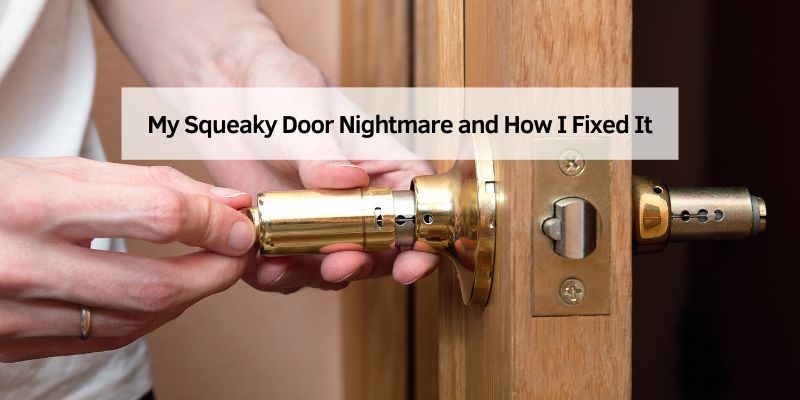
My Squeaky Door Nightmare and How I Fixed It
I’ll never forget the night my bedroom door started squeaking. It was late, and every creak woke my dog, who barked like crazy! I decided to learn how to lube door hinges to fix it. This article shares my easy steps to silence squeaky hinges. Whether you’re new to home fixes or a DIY pro, you’ll find simple tips to make your doors quiet. Let’s stop those annoying noises together!
What Are Door Hinges and Why Lube Them?
Door hinges are metal parts that let doors swing open and closed. They connect the door to the frame. Over time, hinges get dry or rusty, causing squeaks. Lubing hinges adds a slippery layer to reduce friction. This keeps doors quiet and smooth. A quick lube job can save you from replacing hinges, which costs more.
Why Do Hinges Squeak?
Hinges squeak when metal rubs without enough lubrication. Dust, dirt, or rust can make it worse. In my house, the squeaky bedroom door was dry from years of no care. Lubing hinges is like giving them oil to move easily. It’s a simple fix that anyone can do.
Tools and Materials You’ll Need
You don’t need much to lube door hinges. Here’s what I used:
- Lubricant: White lithium grease or silicone spray works best.
- Hammer and screwdriver: To tap out hinge pins.
- Clean rag or paper towel: To wipe away dirt and excess lube.
- Optional: A small brush or Q-tip for applying grease.
I bought a can of white lithium grease for $5 at a hardware store. Silicone spray is another good choice, around $4-$6. Both last a long time.
Table 1: Comparing Common Lubricants
| Lubricant | Cost | Lasts | Mess Level |
|---|---|---|---|
| White Lithium Grease | $5-$7 | Months to years | Medium |
| Silicone Spray | $4-$6 | Months | Low |
| Olive Oil | 主体 |
Caption: Compare popular lubricants for door hinges based on cost, durability, and messiness.
Step-by-Step Guide to Lubing Door Hinges
Here’s how I lubed my squeaky door hinges. Follow these steps for quiet doors:
- Close the Door: Keep it latched to hold it steady.
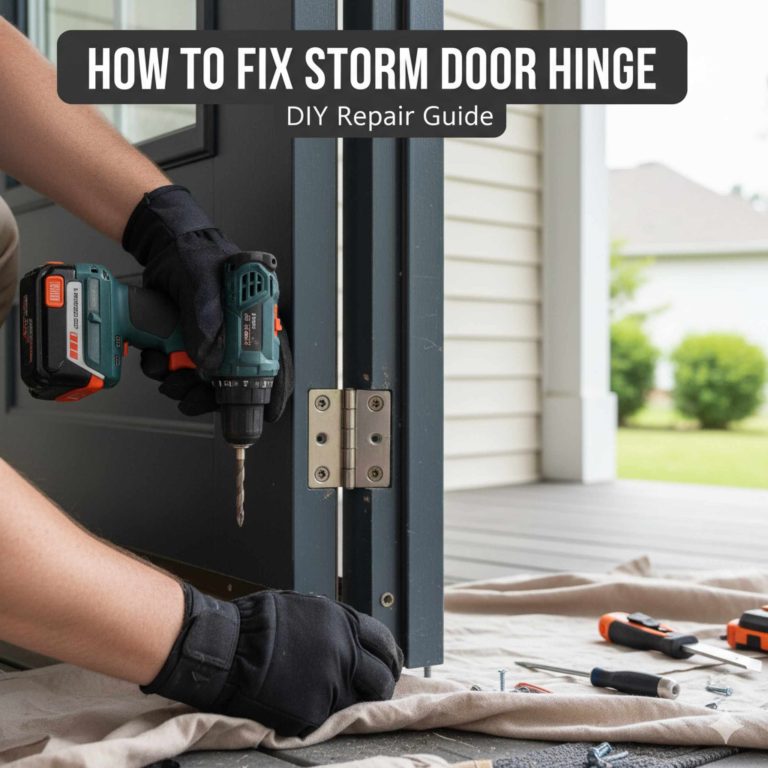
- Tap Out the Hinge Pin: Use a hammer and screwdriver to gently push the pin up from the bottom. Grab it with your hand when it’s loose.
- Clean the Pin and Hinge: Wipe off dirt or old grease with a rag.
- Apply Lubricant: For grease, rub a thin layer on the pin and inside the hinge with a Q-tip. For spray, use the nozzle to mist the pin and hinge joints.
- Reinsert the Pin: Tap the pin back in with the hammer. Add a bit more lube halfway through.
- Move the Door: Open and close the door 5-10 times to spread the lube.
- Wipe Excess: Clean any drips with a rag to avoid dust buildup.
Repeat for each hinge, one at a time, so the door stays supported. If squeaks persist, add more lube or check for rust.
Visual Idea 1
A simple diagram showing a hinge with labeled parts (pin, barrel, leaves) would help beginners understand where to apply lube.
Benefits of Lubing Door Hinges
Lubing hinges stops annoying squeaks, making your home quieter. It also makes doors easier to open and close. Regular lubing prevents rust and wear, saving money on replacements. For me, it meant peaceful nights without my dog barking!
Drawbacks and Other Options
Some lubricants, like olive oil, get sticky and attract dust, causing more squeaks later. WD-40 works short-term but dries out quickly. White lithium grease lasts longer but can be messy if overused. Silicone spray is cleaner but may need reapplying sooner. For rusty hinges, try penetrating oil first, then lube with grease.
Table 2: Household vs. Commercial Lubricants
| Lubricant | Pros | Cons |
|---|---|---|
| Olive Oil | Cheap, easy to find | Sticky, attracts dust |
| WD-40 | Quick fix, cleans rust | Short-term, dries out |
| White Lithium | Long-lasting, rust protection | Messy if overapplied |
| Silicone Spray | Clean, easy to apply | May need frequent reapplication |
Caption: Compare household and commercial lubricants to choose the best for your hinges.
My Personal Tips for Success
From my experience, less is more with lube. Too much grease attracts dirt, so use a thin layer. Clean hinges first for better results. If your hinge is very rusty, soak it with penetrating oil overnight before lubing. I also check hinges yearly to keep them quiet. For heavy outdoor doors, white lithium grease works better than spray.
Top 3 Tips to Avoid Mistakes
- Use the right lube: Skip WD-40 for long-term fixes; choose grease or silicone.
- Clean first: Wipe hinges to remove dirt for better lube performance.
- Don’t overdo it: Apply a thin layer to avoid mess and dust buildup.
Visual Idea 2
A photo of a clean vs. dirty hinge pin would show why cleaning matters before lubing.
Alternative Fixes for Squeaky Doors
If lubing doesn’t work, check if hinges are loose or misaligned. Tighten screws or adjust the hinge position. For old hinges, consider replacing them with ball-bearing hinges, which cost about $20 for three. They last longer but may still need occasional lubing. I replaced one rusty hinge in my garage, and it’s been silent for years.
Table 3: Lube vs. Replace Hinges
| Option | Cost | Time | Longevity |
|---|---|---|---|
| Lubricate | $4-$7 | 10-15 minutes | Months-Years |
| Replace Hinge | $15-$25 | 30-60 minutes | Years |
Caption: Weigh lubing hinges against replacing them for cost and durability.
Visual Idea 3
A side-by-side image of a loose vs. aligned hinge would clarify alignment issues.
Conclusion
Lubing door hinges is an easy, cheap way to stop squeaks and keep doors smooth. With a few tools and the right lubricant, you can fix annoying noises in minutes. Try it on your squeaky doors—it’s satisfying to hear silence! Share your results or ask questions in the comments. Let’s make every home quiet and cozy!
Frequently Asked Questions
How to Lube Door Hinges Without Removing Pins?
Spray silicone or penetrating oil into the hinge gaps. Move the door back and forth to spread it. This works for non-removable pins but may not last as long. Wipe excess to avoid drips.
What’s the Best Lubricant for Door Hinges?
White lithium grease lasts longest and protects against rust. Silicone spray is cleaner but needs reapplying sooner. Both are better than WD-40 or olive oil for long-term results.
How Often Should I Lutems to Lube Hinges?
Olive oil or petroleum jelly can work temporarily but get sticky and attract dust. Commercial lubricants like white lithium grease are better for lasting results.
What If Lubing Doesn’t Stop the Squeak?
Check for loose screws or misaligned hinges. Tighten or adjust them. If the hinge is rusty, soak with penetrating oil. Replace old hinges if needed.
Is WD-40 Good for Door Hinges?
WD-40 works short-term but dries out fast. It’s better for cleaning rust than long-term lubing. Use white lithium grease or silicone spray instead.
How Do I Know If My Hinge Is Rusty?
Look for reddish-brown spots on the pin or hinge. Rusty hinges feel stiff and may squeak even after lubing. Soak with penetrating oil before applying grease.