How to Open a Locked Door Without a Key
Getting locked out can happen to anyone, and it’s often a frustrating experience. You might be wondering how to open a locked door without a key, especially if it’s your own home or a room you need to access urgently. Many people think this is a job for a locksmith, but there are simple, beginner-friendly methods you can try first.
Don’t worry, we’ll walk you through easy steps that might just save the day. Let’s explore some common ways to handle this situation.
Understanding How to Open a Locked Door Without a Key
When a door is locked and you don’t have the key, it can seem like a big problem. This is a common scenario, and many beginners feel stuck when they face it. The good news is that not all locked doors are impossible to open.
Many simple locks can be bypassed with common household items or a bit of know-how. This section will cover the basics of why doors get locked and the types of locks you might encounter. We will explain the principles behind how locks work so you can better understand the methods for opening them.
This knowledge is key to successfully opening a locked door without a key.
Types of Common Locks
Doors can have many different kinds of locks. Knowing what you’re dealing with helps a lot. Most house doors have pin tumbler locks.
These are the ones with a round keyhole where you to apply pressure or what tools might be useful.
Pin tumbler locks are very common. They work with a series of pins inside a cylinder. When the correct key is inserted, the pins line up perfectly, allowing the cylinder to turn and unlock the door.
If the pins are not aligned, the cylinder stays locked. This is the most common type of lock found on front doors and many interior doors.
Another type is the wafer tumbler lock, often found on cabinets or older car doors. These use flat metal wafers instead of pins. They are generally less secure than pin tumbler locks.
Some doors have simple privacy locks, often on bathroom or bedroom doors. These usually have a small hole on the outside knob that you can push a pin into, or a slot where you can insert a flat object to turn a small spindle, unlocking the door.
How Locks Function
At its core, a lock is a mechanical device that secures something. The most popular type, the pin tumbler lock, relies on a set of pins. These pins are split into two parts: the key pins and the driver pins.
The key has cuts that match the height of the key pins. When you insert the correct key, it lifts the key pins to a specific height. This alignment is crucial.
When the key is fully the cylinder (the part that turns) meets the housing of the lock. If all the key pins are at the shear line, the driver pins are pushed up into the housing, and the cylinder can rotate freely, unlocking the door.
If the key is wrong, the pins won’t align at the shear line, and the cylinder cannot turn.
This mechanism is what we exploit when we try to bypass a lock. By manipulating the pins or the cylinder, we aim to create the same alignment as the correct key, effectively tricking the lock into thinking the right key has been used. This is the principle behind many non-destructive entry methods.
Common Tools and Techniques for Opening Locked Doors
There are several straightforward ways to open a locked door without a key, using items you might already have around your home. These methods are generally safe and do not damage the lock or door if done correctly. We will focus on techniques that are easy for beginners to try.
This section will guide you through using simple tools and approaches to get that door open. Mastering how to open a locked door without a key can be a useful skill.
Using a Credit Card or Similar Thin, Sturdy Object
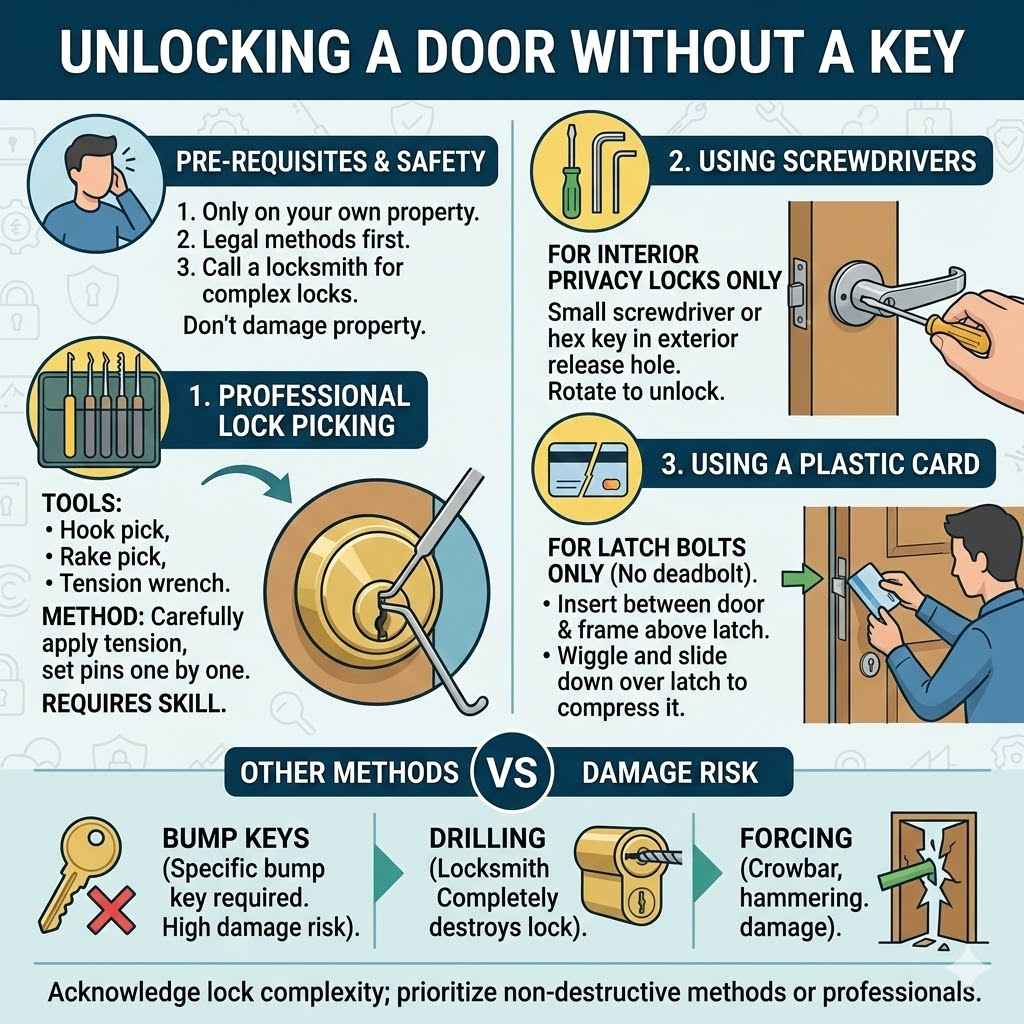
This method is effective on doors that swing towards you and have a simple latch, not a deadbolt. The idea is to slide the card between the door and the frame, aiming for the angled part of the latch. You then wiggle the card and push on the door to force the latch to retract.
To perform this, take a flexible but strong plastic card, like a loyalty card or a laminated gift card. Find the gap between the door and the door frame at the level of the doorknob. Insert the card into this gap at an angle, with the slanted edge of the card facing the door frame.
Gently push the card inwards while also trying to push the door open.
You may need to jiggle the card up and down slightly to get it to slide past the latch. Once the card is past the latch, push firmly against the door. The card should push the angled part of the latch back into the door, allowing it to open.
This technique works best on interior doors or older exterior doors that may not have a very tight seal.
Real-life example: Sarah was getting ready for a party and accidentally locked herself out of her bedroom. The door had a simple spring latch. She grabbed a gift card from her wallet, slid it into the gap by the doorknob, wiggled it, and pushed.
The door popped open in less than a minute.
This method is a good first step because it requires no special tools and is unlikely to cause any damage. It relies on the physics of how a spring latch works. The angled face of the latch is designed to catch on the strike plate, but a thin, firm object can push it back.
The Bobby Pin or Paperclip Lock Picking Method
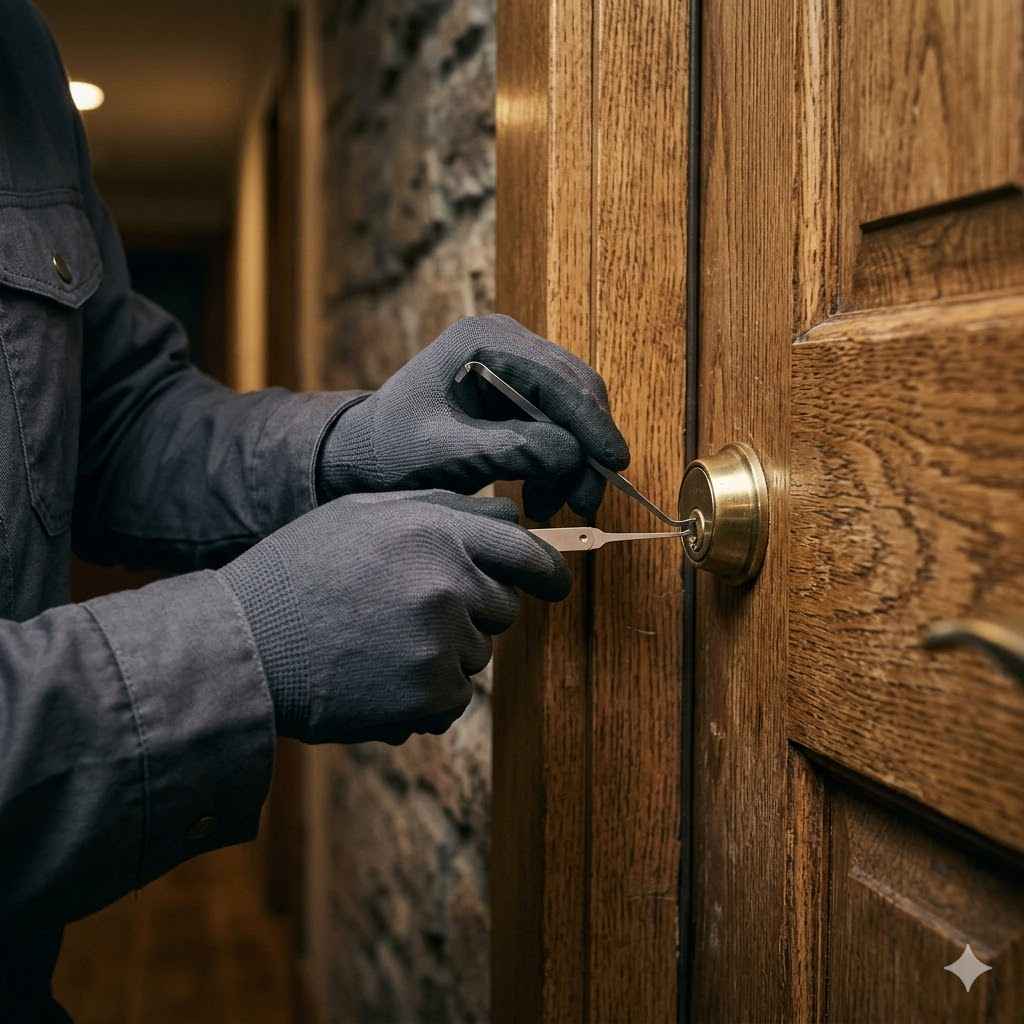
This technique requires a bit more patience and finesse, but it can be very rewarding. It’s like imitating a key by manually aligning the pins inside the lock. You will need two items: a tension wrench and a pick.
You can fashion these from bobby pins or paperclips.
First, create a tension wrench. Bend a bobby pin or straighten a paperclip and bend the end into an L-shape. This tool will be used to apply slight turning pressure to the lock cylinder.
Next, create a pick. Take another bobby pin and straighten it, then bend the very tip slightly upwards. This will be your pick to push the pins.
For paperclips, you might straighten them and bend a small hook at the end.
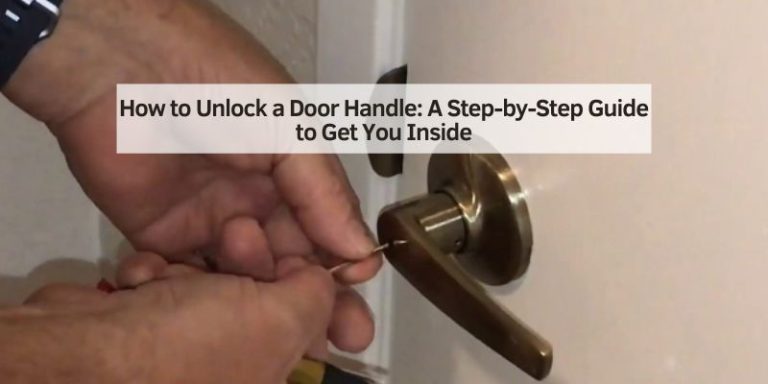
Insert the tension wrench into the bottom of the keyhole and apply gentle, constant turning pressure in the direction the key would normally turn. This tension is crucial. Then, insert the pick into the top of the keyhole and start gently probing the pins.
When you find a pin that feels stiff, try to push it upwards until you feel a slight click. This means the pin has been set at the shear line.
Work your way through all the pins, setting them one by one while maintaining tension. If you apply too much tension, the pins will bind. If you apply too little, they won’t set.
It takes practice to find the right balance. Once all pins are set, the cylinder should turn, and the door will unlock. This method is often depicted in movies, but real-life lock picking takes skill.
What are the pins in a lock?
The pins are small metal pieces inside a lock cylinder. They are divided into two parts: the key pin and the driver pin. The key pin rests on the key, and the driver pin is spring-loaded and pushed down by the lock housing.
When the correct key is inserted, it lifts the key pins to a height that aligns with the shear line, pushing the driver pins up into the housing. This allows the cylinder to turn.
What is the shear line?
The shear line is the boundary between the cylinder (the part that spins) and the lock housing (the stationary part). For the lock to open, all the pins must be aligned precisely at this line. The key pushes the key pins up, and the driver pins are pushed up by the key pins, so the split between the key pin and driver pin is exactly at the shear line.
This method teaches you a lot about the inner workings of a lock and can be a fun skill to learn. For beginners, it might take several attempts before you successfully open a lock.
Using a Screwdriver on Interior Door Knobs
Many interior doors, like those on bedrooms or bathrooms, have simple locking mechanisms built into the doorknob itself. These often have a small hole or slot on the outside of the knob.
Locate this hole or slot. You can usually find it on the center of the exterior doorknob. Sometimes, it’s a small round hole, other times it might be a thin slot.
Find a thin, sturdy object that fits into the hole or slot. A small flathead screwdriver, a straightened paperclip, or even the tip of a sturdy knife can work. For a round hole, a straightened paperclip or the tip of a pen might fit.
For a slot, a small flathead screwdriver is ideal.
Insert the tool into the hole or slot. You will feel some resistance. Gently turn the tool.
You are trying to rotate a small spindle or push a release mechanism inside the doorknob. Often, turning it a quarter turn or half turn will unlock the door. You might hear a click when it unlocks.
Sample scenario: You’re trying to get into your office, but the door is locked from the inside. You notice a small, round hole on the outside of the doorknob. You grab a sturdy paperclip, straighten it, and insert the tip into the hole.
You twist the paperclip, and with a soft click, the doorknob turns, and the door opens.
This is one of the easiest and quickest ways to open a locked door without a key, provided it’s an interior door with this type of lock. It’s designed for emergency access, like if someone is locked inside.
Shimming the Lock
Shimming is another method that works on certain types of latches, particularly those found on simple interior doors or cabinets. The goal is to insert a thin, flexible shim between the door and the frame to push the latch back.
You will need a shim. Common household items that can serve as shims include a soda can cut into strips, a thin piece of plastic, or even a stiff piece of paper. The material needs to be thin enough to slide into the gap but strong enough not to bend or tear easily.
Find the gap between the door and the door frame where the latch bolt extends. Slide the shim into this gap, aiming it towards the angled side of the latch bolt.
Once the shim is in place, push the door inwards while simultaneously trying to push the shim deeper into the gap. The shim should catch the angled part of the latch bolt and force it to retract into the door. You may need to wiggle the door and the shim to make it work.
This method is similar to using a credit card but can be more effective if the gap is a bit wider or the latch is more stubborn. It’s a good option when a credit card isn’t strong enough.
When to Call a Professional
While these methods are useful, there are times when you should call a professional locksmith. If the door has a deadbolt, or a high-security lock, these DIY methods are unlikely to work and could cause damage. Trying to force these types of locks can make the problem worse and more expensive to fix.
For example, if you’re locked out of your car, and the car has complex electronic locks, a locksmith or auto specialist is the best option. Similarly, if you’ve lost your only set of keys to your main house door and it has a deadbolt, it’s usually safer and more efficient to call a locksmith. They have specialized tools and knowledge to open locks quickly and without damage.
Consider calling a locksmith if you’ve tried the simpler methods and they haven’t worked, or if you’re not comfortable attempting these techniques. A locksmith can also rekey your locks if you’ve lost your keys, providing an extra layer of security.
Statistics on Locksmith Services: According to industry reports, the locksmithing industry services millions of calls annually for lockout situations. While many are for lost keys, a significant portion involves mechanical failures or situations where keys are inaccessible. The average cost for a locksmith to open a standard door can range from $75 to $150, depending on the time of day and the complexity of the lock.
Advanced Techniques and Considerations
Sometimes, the simpler methods aren’t enough, or you might be dealing with a more complex lock. This section will explore some slightly more advanced techniques, but still keep them accessible for most people. We’ll also discuss important considerations like legality and potential damage.
Understanding these aspects will help you approach how to open a locked door without a key with more confidence and safety.
Bump Keys and How They Work
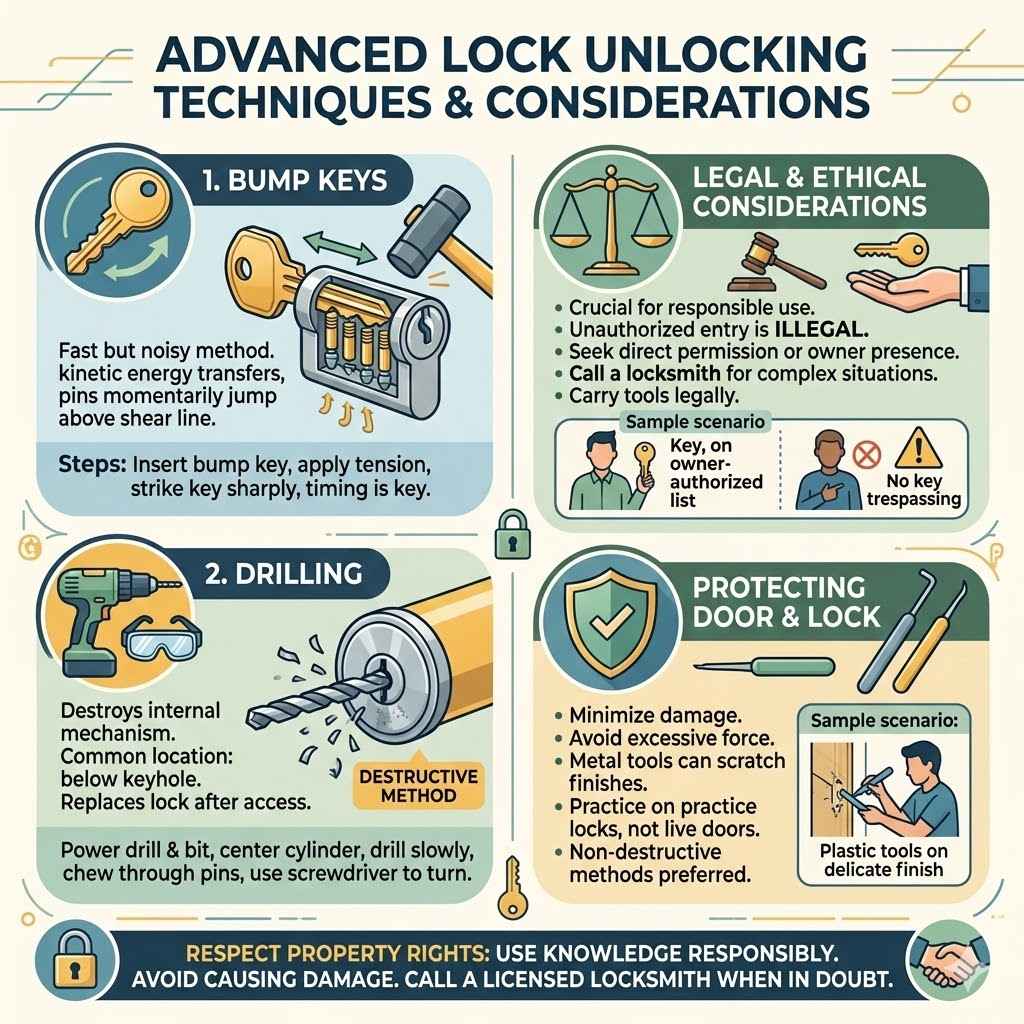
A bump key is a specially cut key that can open certain types of pin tumbler locks. The key has all its cuts set to the maximum depth. When you insert a bump key into a lock and then strike it sharply with a hammer or mallet while applying slight turning pressure, it can jiggle the pins.
The jiggling action causes the pins to momentarily jump up. If timed correctly with the turning pressure from the tension wrench, the driver pins can be lifted above the shear line, allowing the cylinder to turn. This is a form of lock picking that is fast but can be noisy and may cause wear on the lock over time.
To use a bump key, you first need to obtain one for the specific type of lock (e.g., a Schlage bump key or an الأمريكية Lock bump key). You then insert the bump key almost all the way into the lock. Attach a tension wrench to the bottom of the keyhole and apply a slight turning force.
With the tension applied, strike the head of the bump key with a rubber mallet or the handle of a screwdriver. The sharp impact should cause the pins to bounce. If done correctly, the cylinder will rotate, unlocking the door.
It often takes a few tries to get the timing and force right.
Technical explanation of bump keys: When the bump key is struck, the kinetic energy is transferred through the key to the key pins. This sudden shock causes the key pins to rebound upwards. If the tension applied by the wrench is just right, the driver pins will be momentarily lifted clear of the shear line, allowing the cylinder to turn.
The effectiveness depends on the lock’s design and the precision of the bump key.
Using a Drill
Drilling a lock is a destructive method, meaning it will damage the lock. This is usually a last resort when other methods have failed or are impossible. The goal is to destroy the internal mechanism of the lock so that it can no longer hold the door shut.
You’ll need a power drill and drill bits. The size of the drill bit depends on the lock, but a common starting point is around 3/8 inch or larger. You will also need safety glasses because drilling can create flying debris.
The most common place to drill is through the center of the cylinder, just below the keyhole. This is where the pins are located. Drill slowly and steadily.
As you drill, you will encounter the pins. The drill bit will chew through them, effectively destroying the locking mechanism.
Once you have drilled through the pins, you should be able to use a screwdriver to turn the cylinder and open the door. Be prepared for the lock to be completely ruined and require replacement. This method should only be used if you are prepared to replace the lock and if other options are not available.
Case study: A homeowner found themselves locked out of their garage after the key broke off inside the lock. They tried several non-destructive methods without success. As they needed access urgently, they opted to drill the lock.
After drilling out the cylinder, they were able to use a screwdriver to turn the remaining parts and open the garage door. The lock cylinder was destroyed and had to be replaced.
Legal and Ethical Considerations
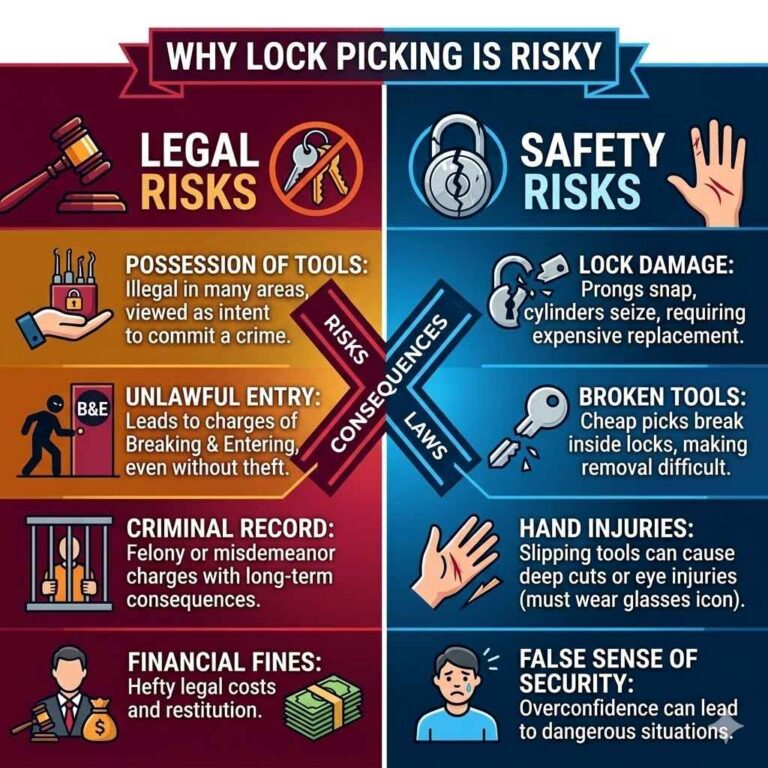
It is crucial to remember that these techniques should only be used on doors that you own or have explicit permission to open. Attempting to open a locked door without authorization is illegal and can have serious consequences, including arrest and criminal charges.
Laws regarding property and unauthorized entry are strict. Even if you have a good intention, like helping a friend who is locked out, you should always get their direct permission or ensure they are present and authorize your actions. If you are unsure, it is always best to call a locksmith.
They are licensed professionals who operate within legal boundaries.
Respecting property rights is paramount. The knowledge of how to open a locked door without a key is powerful, but it must be used responsibly. Using these skills on someone else’s property without consent is a crime.
Sample scenario: Your neighbor is on vacation, and their pet sitter needs to get into the house for an emergency. The pet sitter has a key, but it’s stuck and won’t turn. You offer to help using your knowledge of how to open a locked door without a key.
It is essential that you have explicit permission from your neighbor to attempt this, or that the pet sitter has documented authorization. Without this, it could be considered trespassing.
The legality of carrying lock-picking tools can also vary by location. In some places, possessing these tools with no legitimate reason (like being a locksmith or hobbyist with proof) can be illegal. Always be aware of the laws in your area.
Protecting Your Door and Lock from Damage
When attempting to open a locked door without a key, minimizing damage is often a priority. Destructive methods like drilling should only be a last resort. Non-destructive methods, when performed correctly, can often leave the lock and door in perfect working condition.
For methods like using a credit card or bobby pins, gentleness and precision are key. Avoid excessive force that could bend or break parts of the door frame or the lock itself. If a technique isn’t working easily, it’s often a sign that it’s not the right method for that particular lock or that you need to adjust your approach.
When using tools like tension wrenches and picks, be aware of the materials. Metal tools can scratch finishes. For delicate locks or finishes, consider using plastic tools or protecting the surface with tape.
If you are practicing lock picking as a hobby, consider buying practice locks. These are specifically designed to be picked and will not cause damage to your actual door locks. This allows you to develop your skills in a safe environment.
Frequently Asked Questions
Question: What is the easiest way to open a locked interior door without a key
Answer: For most interior doors with a simple push-button or privacy lock, find the small hole or slot on the outside of the doorknob. Insert a straightened paperclip or a small flathead screwdriver and turn it until the lock releases.
Question: Can I really open my front door without a key
Answer: If your front door has a standard pin tumbler lock, you might be able to pick it with bobby pins or paperclips, but this takes practice. If it has a deadbolt, these methods are unlikely to work, and calling a locksmith is recommended.
Question: What should I do if I lose my house keys
Answer: If you lose your house keys, especially if you have deadbolts, the safest option is to call a locksmith. They can open the door and rekey your locks, so your old keys will no longer work.
Question: How long does it take to learn lock picking
Answer: Learning basic lock picking can take anywhere from a few hours to several weeks or months, depending on your dedication and the complexity of the locks you practice on. It requires patience and practice.
Question: Is it legal to carry lock picking tools
Answer: The legality of carrying lock picking tools varies greatly by location. In some places, it is legal if you can prove you are a locksmith or a hobbyist practicing responsibly. In other areas, possession can be illegal.
Summary
Learning how to open a locked door without a key can be a useful skill. We explored simple methods like using a credit card or paperclip on basic latches. More advanced techniques involve lock picking with bobby pins or bump keys, though these require practice.
Always remember to use these skills legally and responsibly, only on doors you own or have permission to access. If in doubt, a professional locksmith is always the best and safest choice for complex locks.