How to Pick a Door Lock with a Paperclip: A Handy Guide for Emergencies
Hey there! I’m so glad you’re here with me to talk about something super practical: how to pick a door lock with a paperclip. As someone who runs an automotive blog in the USA, I love figuring out how things work—whether it’s a car engine or a locked door keeping me from my garage. I’ll never forget the day I locked myself out of my shed, with my car tools inside, and had to get creative.
That’s when I learned a paperclip can be a lifesaver! Don’t worry, this isn’t about sneaking around—it’s about helping you in a pinch, like when you lose your keys. I’ve explored this trick myself, and I’m excited to share it in a way that’s clear, fun, and easy for everyone to understand. So, grab a seat, and let’s unlock this skill together!
Why Learn to Pick a Lock with a Paperclip?
Life throws curveballs, doesn’t it? I’ve locked myself out of my house, my garage, and even my bathroom once! It’s frustrating, especially when I’m itching to hit the road for a car show. Knowing how to pick a lock with a paperclip is like having a spare tire in your trunk—it’s a backup plan for emergencies. Maybe you dropped your keys somewhere, or your kid locked a door by accident. This skill can save you from waiting for a locksmith or breaking a window.
I’m all about using this responsibly, though. I only pick locks on my property, and you should too. It’s like jump-starting your car—you do it for yourself, not to mess with someone else’s ride. Let’s see what makes a lock tick so we can understand this better.
How Does a Door Lock Work?
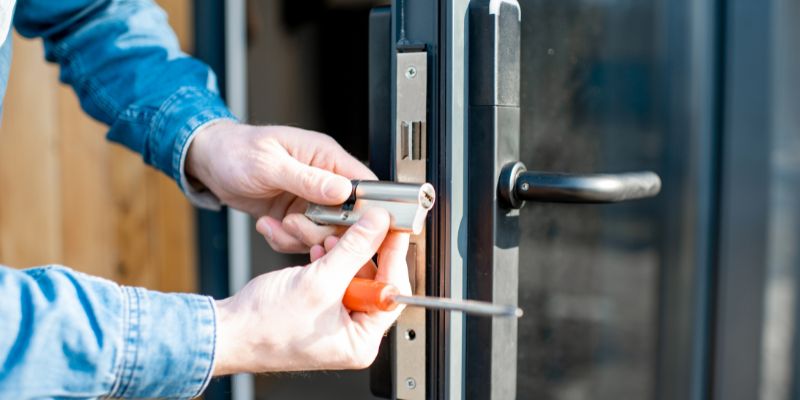
Before I tried picking a lock, I had to learn what’s going on inside. Most door locks in the USA are pin tumbler locks. Imagine a cylinder inside the lock with little pins stacked in pairs, like tiny towers. When I slide the right key in, it pushes those pins to the perfect height, letting the cylinder turn and the lock open.
Without a key, the pins block the cylinder. That’s where a paperclip comes in—it mimics the key by lifting those pins. When I first figured this out, it felt like cracking the code to a car’s ignition system. It’s a simple mechanism, but it’s clever, like the engineering in a gearbox. Knowing this makes picking a lock less intimidating and more like solving a puzzle.
Tools You Need for the Job
When I decided to try this, I didn’t need fancy equipment—just stuff I had around the house. Here’s what I use to pick a lock with paperclips:
| Tool/Item | Why It’s Needed |
|---|---|
| Two large paperclips | One’s a tension wrench, the other’s a pick. I go for strong, metal ones. |
| Pliers | To shape the paperclips just right. I use my toolbox pliers for this. |
| Small screwdriver | Optional, for bending or extra leverage. I keep one in my car kit. |
| Patience | Not a tool, but you’ll need lots of it! It took me a few tries to get it. |
I learned that big, sturdy paperclips are best—flimsy ones bend too easily. It’s like picking the right socket wrench for a car repair; the tool has to match the job. With these, you’re ready to tackle a lock.
Shaping Your Paperclips
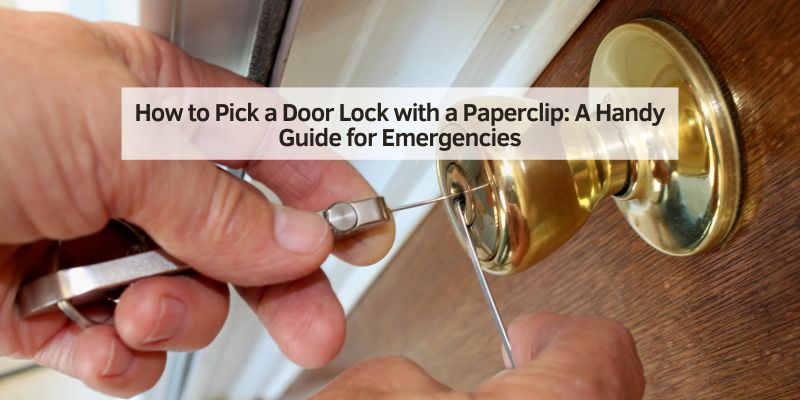
Before I could pick a lock, I had to turn my paperclips into tools. I grabbed two large paperclips and my pliers. For the tension wrench, I straightened one paperclip, then bent the end into a small L-shape. This applies steady pressure to the lock’s cylinder, like turning a key.
For the pick, I straightened the second paperclip but left a tiny hook at the end, like a mini fishing hook. This lifts the pins inside. I made sure the bends were firm but not too stiff, too weak, and they break; too rigid, and they’re hard to use. It’s like adjusting a car’s tire pressure—get it just right, and you’re set.
Step-by-Step Guide to Picking a Lock
Alright, let’s get to the good stuff—how I pick a lock with paperclips. I’ve done this a few times, and here’s my process, step by step:
- Step 1: Insert the tension wrench. I slide the L-shaped end of the first paperclip into the bottom of the keyhole. I push it in a bit and apply light pressure in the direction the key would turn. Too much force messes it up, so I keep it gentle.
- Step 2: Add the pick. I take the hooked paperclip and slide it into the top of the keyhole. I wiggle it to feel the pins—they’re like little bumps inside.
- Step 3: Lift the pins. I gently push the pickup to move each pin. There are usually five or six, and I feel for a “click” when a pin sets at the right height.
- Step 4: Maintain tension. While I lift pins, I keep steady pressure on the tension wrench. It’s like balancing a clutch pedal—too much or too little, and it stalls.
- Step 5: Set all the pins. I work through each pin, one by one, until they all click into place. If the cylinder starts to turn, I know I’m close.
- Step 6: Unlock the door. When all pins are set, the tension wrench turns the cylinder, and the lock opens. It’s such a thrill when it works!
My first try took forever—maybe 25 minutes! But now, I can do it in a few minutes with practice. It’s like learning to change a car’s oil—awkward at first, but you get smoother with time.
Mistakes I’ve Made and How to Avoid Them
I’ve had my share of lock-picking flops. One time, I used a weak paperclip, and it snapped in the lock—such a pain! Another time, I pushed too hard on the tension wrench, and the pins wouldn’t budge. Gentle pressure is the secret, like easing into a car’s gas pedal.
I also learned not to rush. My first few tries were sloppy because I was impatient. And don’t use tiny paperclips—they’re too flimsy. It’s like trying to fix a car with a cheap tool; you’ll just make it worse. Take your time, use sturdy paperclips, and you’ll avoid my mistakes.
What Locks Can You Pick with a Paperclip?
Not every lock is pickable with a paperclip, I found out. Paperclips work best on simple pin tumbler locks, like the ones on my front door or a basic bedroom knob. These are common in American homes. But high-security locks, like deadbolts or ones with fancy designs, are much harder. They might have extra pins or traps that a paperclip can’t handle.
I tried a small padlock once, and it worked okay, but my car’s lock was way too complex. It’s like trying to fix a modern engine with just a screwdriver—some locks need pro tools. Stick to basic door knobs, and you’ll have better luck.
When Picking Doesn’t Work
Sometimes, the lock won’t budge. I’ve had this happen with an old, rusty lock in my shed. The pins were stuck, and my paperclips couldn’t move them. If the lock’s too complex or damaged, picking might not work. I’ve also run into doors with deadbolts, which are tougher to crack.
In those cases, I check for other options, like a spare key hidden outside or an open window (for my own house, of course!). If I’m stuck, I call a locksmith. It’s like calling a mechanic when your car’s engine won’t turn over—sometimes you need a pro.
Legal Stuff You Need to Know
Let’s get serious for a second. I only pick locks on my property, like my house or garage. Picking someone else’s lock without permission is illegal in the USA and can land you in hot water. I learned this when I thought about helping a friend, but checked the law first.
It’s like borrowing a car—you need the owner’s okay. If you want to practice, get a cheap practice lock or use an old one you own. I keep a spare padlock in my toolbox for fun, and it’s a great way to learn without any trouble. Stay legal, and you’re good to go!
Practicing Lock Picking Safely
I got better at this by practicing. I bought a clear practice lock online—it’s cool because I can see the pins move. It’s like working on a junkyard car engine to learn mechanics. I started with my paperclip tools and spent a few minutes each day.
At first, I was all thumbs, but I learned to feel the pins and hear the clicks. Now, I can pick a simple lock pretty fast! If you want to try, practice in a private spot, like your garage, and use a lock you own. It’s a fun skill, like mastering a stick shift.
How This Connects to My Automotive Life
Since this is for my automotive blog, let’s tie it to cars. Picking a lock is like fixing a car problem—you need the right tools, a steady hand, and some patience. When I locked my car keys in my garage, this skill got me back on the road to a car meet. It felt like hot-wiring a car (not that I’d do that!).
As a driver, I value being self-reliant. Whether I’m changing a tire or picking a lock, I love solving problems myself. It keeps me ready for anything, whether I’m cruising the highway or stuck at home with a locked door.
Safety Tips for Lock Picking
Lock picking is pretty safe, but I’ve learned a few tricks to keep it that way. I use strong paperclips to avoid breaking them in the lock—that’s a hassle to fix! I keep my hands steady to avoid scratching the lock or door. It’s like being careful not to strip a bolt when working on my car.
I practice in private, like my garage, so nobody thinks I’m up to no good. And I never force the lock—if it’s not moving, I stop to avoid damage. Safety first, just like when I’m under the hood of my car.
Cleaning Up After Picking
Once I’ve picked a lock, I tidy up. I check the lock for damage, like bent pins from my paperclip. I’ve used a dab of WD-40 to keep the lock smooth afterward. I toss any bent paperclips and clean my pliers for next time.
I keep my tools in a small box, like my car repair kit. A clean workspace feels great, like a freshly waxed car. It’s all about keeping things ready for the next job, whether it’s a lock or a car part.
My Lock-Picking Adventure
Let me tell you about my first lock-picking experience. I locked myself out of my garage, where my car keys were, right before a big car show. No spare key, no locksmith nearby. I grabbed two paperclips, found a quick tutorial online, and got to work. It took me 20 minutes of fumbling, but when that lock clicked open, I felt like I’d just rebuilt an engine!
That moment taught me to stay calm and think creatively, like when my car breaks down on a back road. Now, I keep paperclips in my toolbox, just in case. I hope my story inspires you to try this—if you need it!
Tips for Newbies
If you’re new to lock picking, don’t stress—I was too! Start with a simple lock, like a cheap padlock, to practice. Use sturdy paperclips and bend them carefully with pliers. Keep the tension wrench light—too much pressure jams the pins.
Practice in a quiet spot so you can hear the clicks. It’s like listening for a car’s engine knock. If you get frustrated, take a break and try again. And only practice on locks you own to stay out of trouble. You’ll get better with time, I promise!
Conclusion
Wow, we’ve unlocked a ton of info today, haven’t we? I’m so glad we explored how to pick a door lock with a paperclip together. From my mishaps, I’ve learned it’s a lifesaver for emergencies, like getting into my garage when my keys are AWOL. With two paperclips, some pliers, and a bit of patience, you can tackle a simple pin tumbler lock like a champ. It’s all about understanding the lock’s inner workings, just like knowing your car’s engine.
Here in the USA, we love being ready for anything, whether it’s a road trip or a locked door. This skill is perfect for those oops moments, but always use it on your property to stay legal. I’m proud of you for wanting to learn something new, and I’m cheering you on to master it. Keep your tools handy, your car purring, and your curiosity alive—let’s keep tackling life’s little puzzles together!
FAQ
What kind of paperclip works best?
I use large, sturdy metal ones. Flimsy or plastic-coated paperclips bend too easily and won’t hold up.
Can I pick any lock with a paperclip?
I’ve had success with simple pin tumbler locks, like on house doors. Deadbolts or high-security locks are usually too tough.
Is picking a lock with a paperclip legal?
I only pick locks I own, like my home or garage. Picking someone else’s lock without permission is illegal in the USA.
How long does it take to learn lock picking?
My first try took about 20 minutes. With practice, I can do it in a few minutes now. It depends on the lock and your patience.
What if my paperclip breaks in the lock?
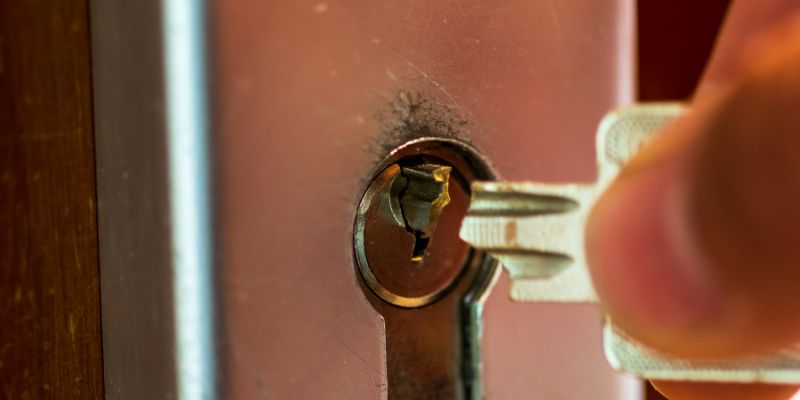
I’ve done this! Try tweezers to pull it out. If it’s stuck, a locksmith can help. Use strong paperclips to avoid this.
Can I practice lock picking safely?
Yes! I practice on a cheap lock I own, in private, like my garage. It’s fun and legal as long as it’s your lock.
What do I do if the lock won’t open?
If picking fails, I look for a spare key or another entry, like a window (for my house!). A locksmith is a good backup plan.