How to Split Firewood Safely with a Maul, Wedge, or Splitter
A maul is commonly used for straight-grain rounds under about 16 inches, a wedge for tough or knotty wood, and a splitter for oversized, dense, or high-volume jobs; after about two failed hits, it is reasonable to change tools. Bad technique can send wood and steel off-line, bruise hands, and waste a lot of time. This guide shows how to choose the right tool, split safely, and recover when the first split does not open.
What you’ll need


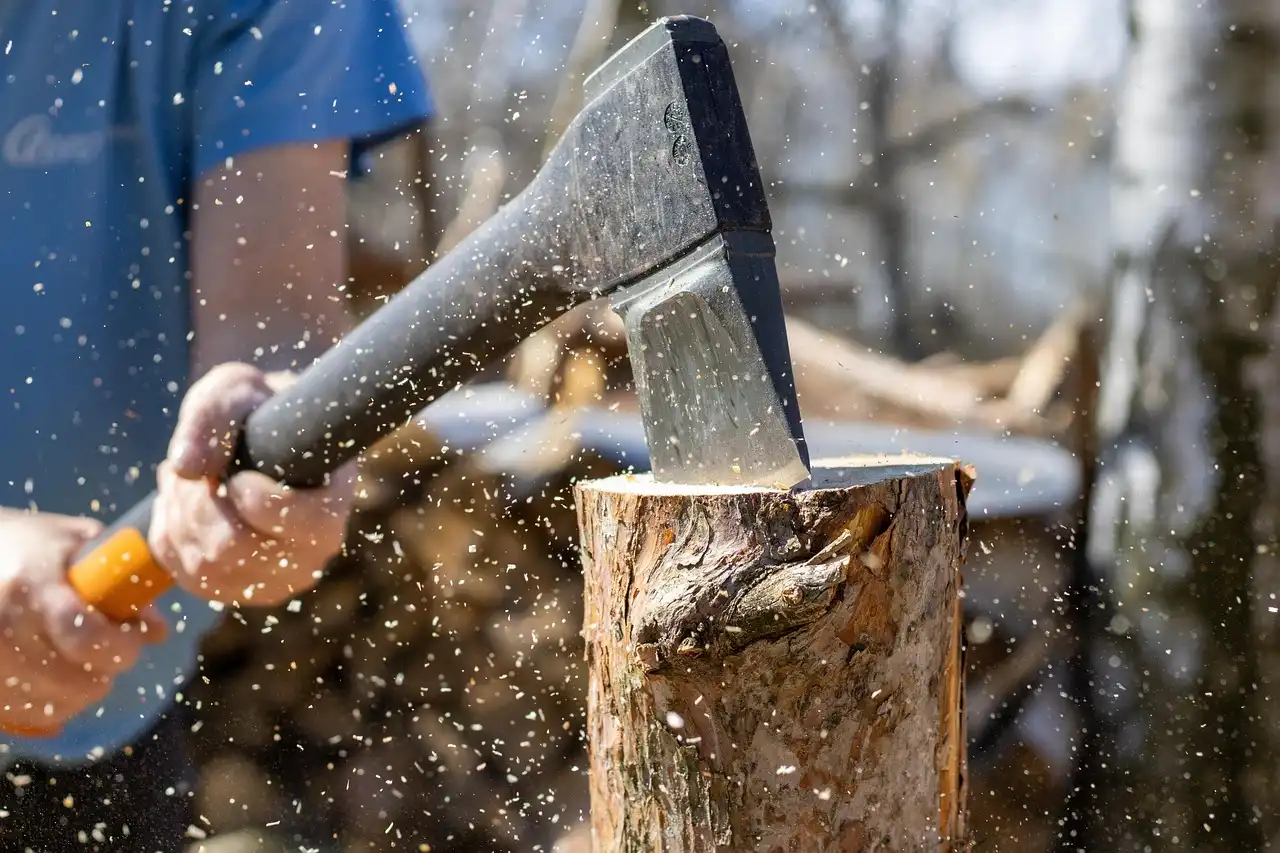
- Splitting maul for most hand-splitting jobs; its heavier head and wide, wedge-shaped face are built for splitting with the grain.
- Splitting axe for smaller pieces and kindling prep; it is lighter than a maul and more cutting-oriented.
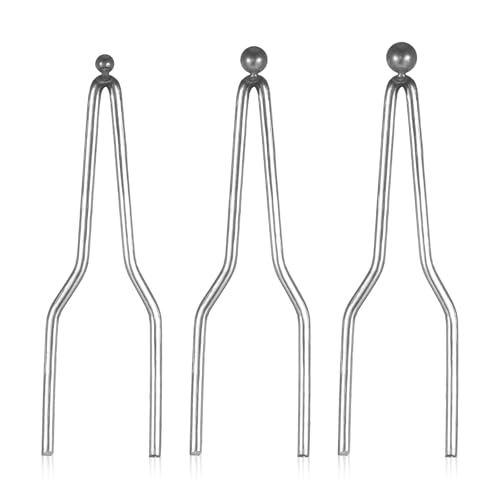
- Splitting wedge for knotty or thick logs; common lengths are 7 to 8½ inches, and they often weigh 3 or 4 pounds.
- Sledgehammer to drive wedges into stubborn logs.
- Chopping block such as a stable stump or large log.
- Safety goggles or glasses.
- Gloves.
- Sturdy boots.
- Long pants.
- Log splitter for large quantities, repeated stalls, or wood that is too hard or tiring to finish by hand.
📊 Splitting wedges commonly come in 7 to 8½ inch lengths. Source: Thisoldhouse.
Which tool should you use?
Match the tool to the log first. Straight-grain rounds are usually the easiest hand job, so a maul is the default. Knotty, twisted, frozen, or oversized rounds often need a wedge-and-sledge setup. If the pile is large or the wood keeps stopping your swing, a log splitter is the safer finish.
| Log type | Diameter | Grain condition | User effort | Safest tool | Next fallback step |
|---|---|---|---|---|---|
| Straight-grain rounds | Under about 16 inches | Clean grain, visible checks | Low to moderate | Splitting maul | Strike the nearest crack; if it binds, set a wedge |
| Knotty rounds | Any size with knots across the face | Twist grain, branch scars, knots | Moderate to high | Maul plus wedge | Drive a wedge with a sledgehammer, then move the wedge line to a new seam |
| Oversized rounds | Over about 16 inches | Often mixed or uneven | High | Wedge and sledgehammer, or splitter | Start with a wedge; switch to a splitter if the round stalls twice |
| Green wood | Any practical size | Freshly cut, more moisture | High | Maul or splitter | Let it season if possible; if not, split with a wedge when it binds |
| Seasoned wood | Any practical size | Dried at least six months | Lower | Maul | Use a wedge only if a knot or twist stops the first split |
| Repeated-stall cases | Any size | Cracking, but not opening cleanly | High | Log splitter | Stop hand splitting and move the round to the splitter |
Why the maul is the default hand tool
A splitting maul is heavier than an axe and better suited to splitting wood than an axe. Some mauls are described as an 8-pound head tool for splitting wood, which helps the tool carry more of the work through the grain. The wider face is meant for separating fibers, not for slicing like a cutting axe.
Where the splitting axe fits
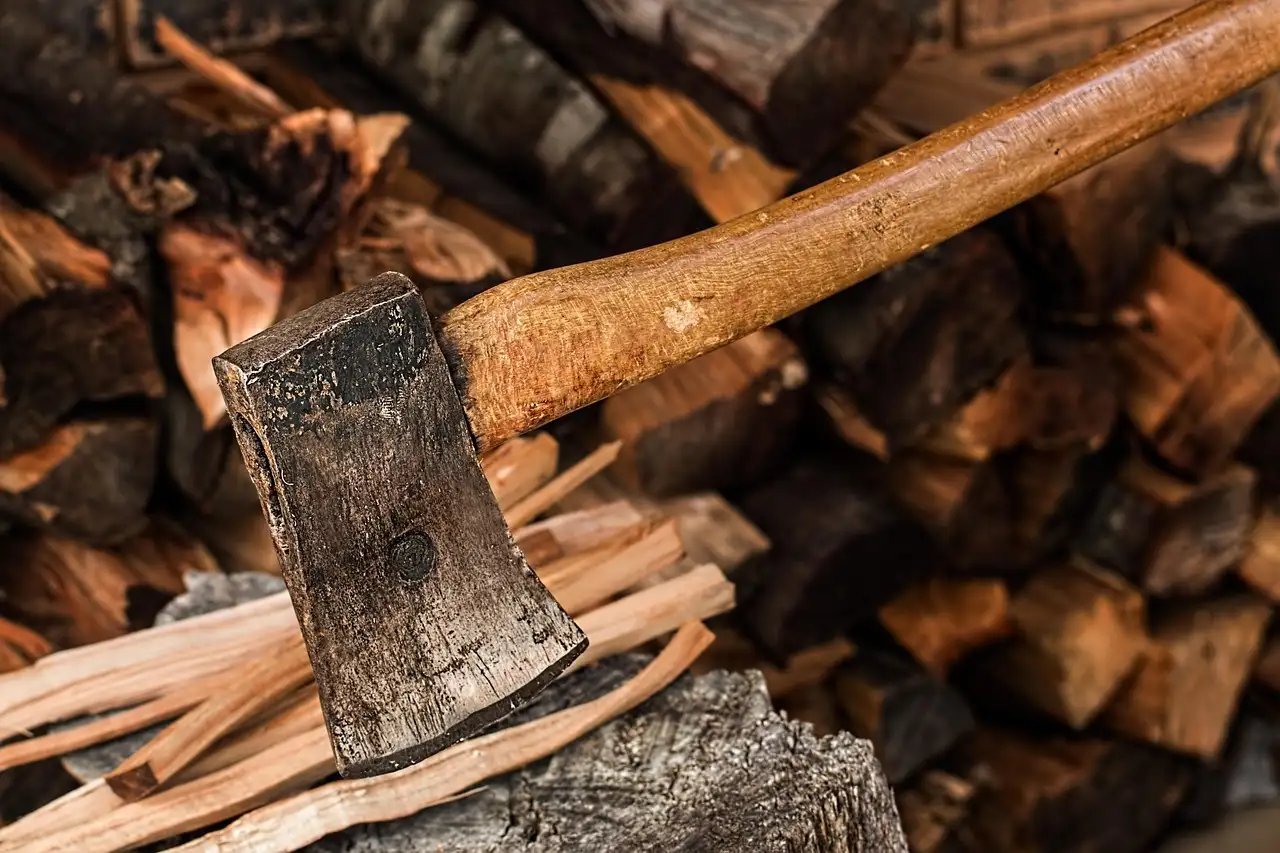
A splitting axe is lighter than a maul and more cutting-oriented. It can handle smaller pieces and kindling prep, but it is not the first choice for big rounds. Use it when the job calls for speed on smaller stock, not when the log is thick, knotty, or stubborn.
When a log splitter belongs on the list
Electric, hydraulic, gas-powered, and kinetic splitters each solve the same problem: too much wood, too much density, or too much fatigue for hand tools. Machine splitting is ideal for large quantities of wood. If you are repeating the same tough cut over and over, the machine is usually the better choice.
Set up a safe splitting area
Put the round on a chopping block or stable stump before you swing. A raised log is steadier, easier to read, and less likely to damage the tool than a log on bare ground. Keep the area clear so the head can travel straight and the split pieces have room to fall.
- Place the log on a solid chopping block or large stump.
- Stand with your feet apart and balanced on dry footing.
- Check for bystanders, pets, cords, and loose debris around the swing path.
- Wear safety goggles or glasses, gloves, sturdy boots, and long pants before the first strike.
- Set the round so the most visible crack or weakest grain line faces up.
Do you need a chopping block or can you split wood on the ground?
Use a chopping block or stable stump. Splitting on the ground can make the round more likely to rock, shift the strike angle, and drive the tool into dirt or stone. That raises the chance of a glancing blow and shortens tool life.
How do you make the first split count?
Start where the grain already wants to open. Aim at cracks, checks, and weaker parts of the wood, especially along visible seams. A controlled swing matters more than a hard one. Let the maul’s weight do the work, and keep your head and hands out of the line where a miss would travel.
Read grain and knot patterns before you swing
Look for straight grain, twist grain, knots, and frozen surfaces. A straight-grain round usually opens cleanly from the edge or a check. Twist grain and knots often need a wedge because the fibers resist separation and can pinch the blade.
What’s the safest stance and swing for splitting firewood?
Square your shoulders to the log, keep your feet apart, and hold the maul with both hands until the strike lands. Lift only as high as you can control, then bring the head down on the target line. A shorter, accurate swing is safer than chasing force.
Suppose a 14-inch round of seasoned oak has one clear crack across the top. Put it on the block, line up the maul with that crack, and give a controlled strike. If the first hit opens the seam only partway, move to the same line for a second strike rather than switching to a new spot immediately.
How do I split knotty or twisted logs without getting the maul stuck?
Use the maul to start the split, then switch to a wedge as soon as the wood starts to bind. Knotty or twisted logs often close around the head and stop a clean pass. If the maul hangs up, stop forcing it and open the seam from another point with a wedge-and-sledge setup.
- Set the first hit on the clearest crack, not the knot.
- If the maul stalls on the second strike, stop and insert a splitting wedge in the opening.
- Drive the wedge with a sledgehammer until the seam widens.
- If the wedge pinches tight, place a second wedge a few inches away on the same split line.
- After the log opens, move the remaining sections back onto the block and finish the split.
When should you use a splitting wedge instead of just a maul?
Use a wedge when the log begins to close around the maul, when the grain twists around a knot, or when a thick round does not open after about two hits. Wedges commonly come in 7 to 8½ inch lengths and often weigh 3 or 4 pounds, which gives them enough mass to keep a stubborn seam moving.
What if the wedge gets stuck?
Leave it alone for the moment and drive a second wedge into the same crack a few inches away. Hitting a stuck wedge sideways can deform it or deflect the blow. If the round is still holding after that, move the whole job to a splitter instead of spending energy on a dead end.
When is it better to use a log splitter instead of hand tools?
Use a splitter when wood volume, density, or repeated stalls make hand splitting inefficient. That includes oversized rounds, lots of knotty wood, and jobs that leave you swinging harder just to get the same result. Electric, hydraulic, gas-powered, and kinetic models cover different workloads, but all beat hand tools when the pile is too large or too stubborn.
How do I split wood faster without wasting energy?
Sort the stack before you start. Split the straight-grain rounds first with the maul, set aside knotty pieces for the wedge, and move repeated stalls to the machine. A common first-timer mistake is treating every round the same; that wastes time and makes the hardest logs more tiring than they need to be.
Picture a homeowner with three cords of mixed wood and a stack of oak rounds that keep pinching the maul. The straight pieces can stay with hand tools, but once the difficult rounds start requiring extra hits and wedge resets, the time cost favors a splitter. The turn point is not the number of swings alone; it is the combination of volume and fatigue.
Seasoned wood versus green wood
Seasoned wood has dried at least six months, splits easier than green wood, and burns more efficiently. Green wood is freshly cut, holds more moisture, and is harder to burn efficiently. It also produces more smoke and creosote when burned, so it is a poorer choice for stove or fireplace fuel until it has dried further.
How long should firewood be before splitting for a stove or fireplace?
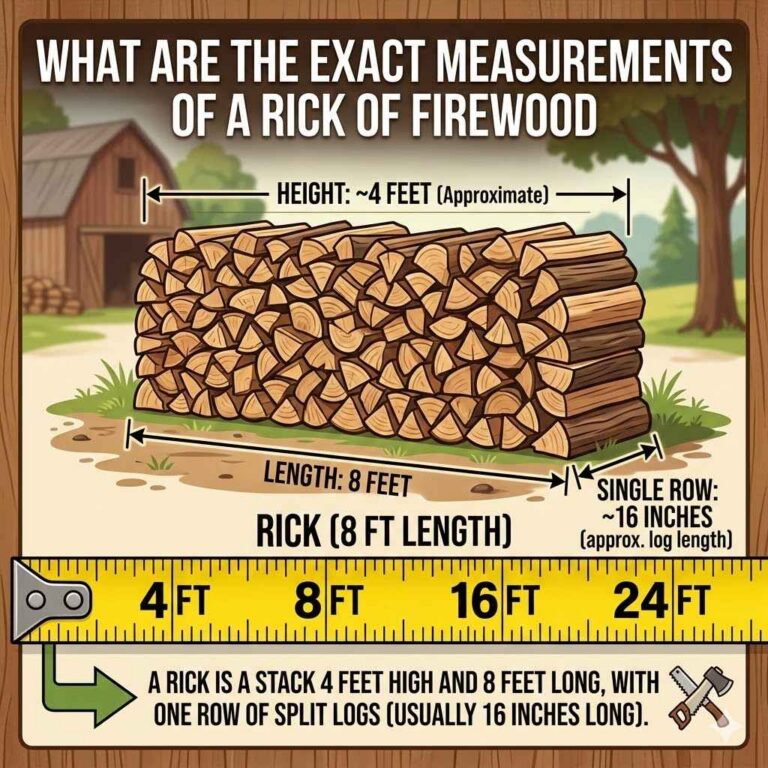
Most fireplace and stove firewood is cut to 16 to 18 inches. Split after cutting to that length so the pieces fit the firebox and dry more evenly. If you are processing green wood, split it sooner rather than later so air can reach the interior. (Thisoldhouse)
Common mistakes
The biggest problems are poor aim, the wrong tool for the log, and waiting too long to switch methods. Glancing blows happen when the strike line is off-center or the round is unstable. Frozen rounds, twist grain, and stuck wedges deserve a pause, not a harder swing. Fatigue is a signal to stop before control drops.
- Glancing blows: Fix by lowering the swing height and aiming at a clear crack on a stable block.
- Frozen rounds: Let them thaw enough to read the grain, or use a wedge if the surface is too hard and slick.
- Twist grain: Start on a seam and expect to finish with a wedge rather than a single maul strike.
- Stuck wedges: Add a second wedge nearby instead of striking the first wedge sideways.
- Fatigue: Stop hand splitting when repeated stalls make the swing sloppy.
Prevention
Stack split wood off the ground with air space around it so it stays dry and easier to handle next time. Store the pieces with the cut ends exposed to air, and keep green wood separate from seasoned stock so you do not mix slow-drying rounds into the ready pile.
Frequently asked questions
What is the safest tool to split firewood by hand?
A splitting maul is the safest default for most hand work because its heavier head and broad face are built for splitting rather than cutting. Pair it with eye protection, gloves, sturdy boots, and a chopping block so the round stays steady and the strike stays controlled.
What protective gear should I wear when splitting firewood?
Wear safety goggles or glasses, gloves, sturdy boots, and long pants. The main hazards are chips, missed strikes, and falling rounds. If the wood is frozen or knotty, keep extra distance from anyone nearby because those pieces can move unpredictably after a hit.
Sponsored / affiliate links. As an Amazon Associate I earn from qualifying purchases. I may earn additional commission from eligible campaigns.