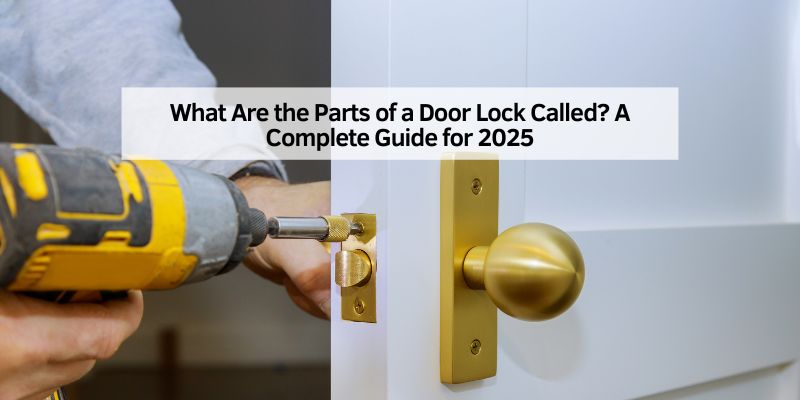
What Are the Parts of a Door Lock Called? A Complete Guide for 2026
Hey there! If you’ve ever wondered what makes a door lock tick, you’re not alone. I’ve spent countless hours tinkering with locks on my house, garage, and even my classic Chevy, trying to figure out what each little piece does. So, when someone asks me, “What are the parts of a door lock called?” I get excited to share what I’ve learned.
As a car enthusiast who loves diving into the nuts and bolts of things—literally—I’m here to break down the anatomy of a door lock in a way that’s easy to understand, whether you’re fixing a sticky lock or just curious. This guide is tailored for folks in the USA, from DIY beginners to automotive buffs who want to know how locks work in their homes or vehicles. Let’s unlock the mystery together and explore every part of a door lock, piece by piece!
Why Understanding Door Lock Parts Matters
Locks are everywhere—on your front door, your car, your garage. Knowing their parts helps you fix problems, upgrade security, or even customize your ride. I learned this when my truck’s door lock started jamming, and I had to figure out what was wrong. By understanding the components, I saved money on repairs and felt like a pro. Plus, for car enthusiasts like me, knowing how locks work adds another layer of appreciation for the mechanics of our vehicles. Whether it’s a home or car lock, each part plays a role in keeping you safe and secure.
The Basics of a Door Lock
Before we dive into the specific parts, let’s talk about what a door lock does. A lock secures a door by preventing it from opening unless the right key or code is used. It’s like the gatekeeper of your home or car. Most door locks, whether on a house or a vehicle, have similar components, but their design can vary. For example, my front door has a deadbolt, while my car uses a cylinder lock with electronic components. Despite the differences, the core parts are often the same. Let’s break them down.
Key Parts of a Door Lock
Here’s where we get into the fun stuff—the actual pieces that make a lock work. I’ll explain each part based on my experience fixing locks and what I’ve seen in both home and car applications. Think of a lock like a puzzle, with each piece fitting together perfectly.
Cylinder
The cylinder is the heart of most locks. It’s the part where you insert your key. Inside, it has pins or tumblers that align when the right key is used, allowing the lock to turn. I first noticed the cylinder when I took apart my garage door lock to clean it. It’s usually made of brass or steel and sits inside a housing. In cars, the cylinder is often in the door handle or trunk, and it’s more compact, but it works the same way. If the cylinder is damaged, the key won’t turn smoothly.
Pins or Tumblers
Inside the cylinder are tiny metal pieces called pins or tumblers. These are what make the lock secure. When you insert your key, the ridges push the pins to a specific height, aligning them to unlock the cylinder. I learned how important these are when I had a worn key that wouldn’t align the pins in my car door lock. Some locks use flat tumblers instead of pins, but the idea is the same. If dirt or rust gets in, these can stick, causing a jam.
Key
The key is your ticket to unlocking the door. It’s cut with specific grooves or teeth that match the pins in the cylinder. I’ve got a collection of keys from old cars and houses, and it’s amazing how unique each one is. A worn or bent key can mess up the lock, so I always keep spares. In modern cars, keys often have chips or transponders for extra security, which talk to the car’s computer.
Bolt or Latch
The bolt (or latch) is the part that actually secures the door. It slides into the strike plate on the doorframe to keep the door closed. In my house, the deadbolt is a sturdy bolt that extends deep into the frame, while the latch on my doorknob is spring-loaded for easy opening. In cars, the latch is part of the door mechanism and grabs onto a striker to keep the door shut. I once had to adjust the latch on my truck’s door because it wasn’t catching properly.
Strike Plate
The strike plate is the metal piece on the doorframe where the bolt or latch goes. It’s simple but crucial. I noticed my front door’s strike plate was loose, which made the lock feel wobbly. Tightening the screws fixed it right up. In cars, the striker is a metal loop or pin on the doorframe that the latch grabs. It’s built tough to handle the constant opening and closing.
Cam or Tailpiece
The cam or tailpiece is a small metal piece inside the lock that connects the cylinder to the bolt or latch. When you turn the key, the cylinder rotates the cam, which moves the bolt. I saw this in action when I replaced a deadbolt and watched the cam push the bolt out. In car locks, the tailpiece links the cylinder to the door’s latch mechanism. It’s a small part, but if it breaks, the lock won’t work.
Lock Body or Housing
The lock body is the outer shell that holds everything together. In a deadbolt, it’s the chunky part embedded in the door. In a car, it’s the housing around the door lock cylinder. I’ve handled lock bodies that were rusted out, making the whole lock useless. A good lock body is sturdy and protects the internal parts from damage or tampering.
Springs
Springs are tiny but mighty. They’re inside the cylinder, pushing the pins or tumblers down when there’s no key. They also help spring-loaded latches pop back into place. I learned their importance when I took apart a doorknob, and a spring flew across the room! In car locks, springs ensure the latch snaps shut securely. If a spring breaks, the lock might feel loose or sticky.
Escutcheon or Trim
The escutcheon is the decorative plate around the lock, like the shiny ring around a doorknob or car door lock. It’s mostly for looks, but also protects the lock body. I swapped out a plain escutcheon on my front door for a brushed nickel one, and it made the whole door look sharper. In cars, the escutcheon might be part of the door handle, adding a touch of style.
Electronic Components (in Modern Locks)
Modern locks, especially in cars, have electronic parts like transponders or sensors. My wife’s SUV has a key fob that sends a signal to the lock’s receiver, unlocking the door without a key. Home smart locks use similar tech, with keypads or Wi-Fi modules. These parts make locks more convenient but can be tricky to fix if they fail. I stick to manual locks for my classic cars to keep things simple.
Comparing Home and Car Lock Parts
To make things clearer, here’s a table I put together comparing the parts of home and car door locks, based on my experience with both:
| Part | Home Lock Function | Car Lock Function | Key Differences |
|---|---|---|---|
| Cylinder | Where the key goes, house pins or tumblers | May have a transponder or remote chip | Car cylinders are smaller, often electronic |
| Pins/Tumblers | Align with the key to unlock the cylinder | Same, but may include transponder chips | Car tumblers are more precise, sensitive to wear |
| Key | Metal, cut to match pins | Latch grabs the striker to hold door shut | Car keys are often high-tech, pricier to replace |
| Bolt/Latch | Connects the cylinder to the latch mechanism | Striker pin or loop on the car frame | Car latches are more complex, tied to mechanisms |
| Strike Plate | Metal plate on frame for bolt/latch | A deadbolt or spring-loaded latch secures the door | Car strikers are built for frequent use |
| Cam/Tailpiece | Compact, integrated into the door handle or panel | Houses all parts, embedded in the door | Car tailpieces are smaller, more intricate |
| Lock Body | Ensure the latch snaps shut | Links the cylinder to the bolt | Car lock bodies are lighter, weather-resistant |
| Springs | Push pins or latch back into place | Part of the door handle, often plastic or metal | Car springs are smaller, more durable |
| Escutcheon | Latch grabs the striker to hold the door shut | Decorative plate around the lock | Car escutcheons prioritize function over style |
This table helped me understand why my car’s lock was trickier to fix than my home’s deadbolt—the parts are smaller and more integrated.
Common Lock Types and Their Parts
Not all locks have the same parts, so let’s look at the main types you’ll find in homes and cars. I’ve worked on all of these, and each has its quirks.
Deadbolt
Deadbolts are common in home exterior doors. They have a sturdy bolt that extends deep into the strike plate, making them super secure. The cylinder, pins, and cam are the main players, housed in a solid lock body. I love the heavy-duty feel of a deadbolt on my front door—it’s like a fortress.
Knob Lock
Knob locks are found on interior and exterior home doors. They use a spring-loaded latch instead of a bolt, making them easier to open and close. The cylinder and pins are similar to a deadbolt, but the springs are key to the latch’s movement. I replaced a knob lock in my bathroom, and it was a quick fix once I understood the springs.
Car Door Lock
Car locks are more complex because they tie into the vehicle’s mechanics. The cylinder and pins are compact, and the tailpiece connects to a latch mechanism. Modern cars add electronic components like transponders. When I fixed my Mustang’s door lock, I had to be careful not to damage the wiring.
Smart Locks
Smart locks are popping up in homes and some cars. They use keypads, fobs, or apps instead of traditional keys. The cylinder is replaced by a motor or solenoid, but the bolt or latch is similar. I installed a smart lock on my garage, and it’s awesome to open it with my phone, though the electronics can be finicky.
How Lock Parts Work Together
Now that we know the parts, let’s see how they team up. When you insert your key into the cylinder, the key’s teeth push the pins or tumblers to the right height. This aligns them with the shear line, letting the cylinder turn. The cylinder rotates the cam or tailpiece, which moves the bolt or latch into or out of the strike plate. Springs keep everything in place when the key’s removed. In cars, electronic components might signal the latch to release. It’s like a tiny orchestra, and every part has to play its role. I was amazed the first time I saw this in action while fixing my back door lock.
Why Car Enthusiasts Care About Lock Parts
As a car guy, I geek out over the mechanics of my vehicles, and locks are no exception. Knowing the parts helps me maintain my classic Chevy’s locks, which are all manual and prone to rust. It also helps with modern cars, where electronic components add complexity. A well-maintained lock means I can get into my car without hassle, whether I’m heading to a car show or just grabbing tools from the trunk. Plus, upgrading to a stylish escutcheon or a custom key fob adds a personal touch to my ride.
Troubleshooting Lock Problems by Part
Understanding lock parts also helps you fix issues. Here’s what I’ve learned about common problems and which parts to check:
- Sticky Lock: Dirt in the cylinder or pins. Clean with compressed air and lubricate with graphite powder.
- Key Won’t Turn: Worn key or misaligned pins. Try a spare key or realign the cylinder.
- Loose Lock: Wobbly lock body or strike plate. Tighten screws or replace worn parts.
- Latch won’t catch: Misaligned strike plate or latch. Adjust the strike plate or check for door sagging.
- Electronic Failure: In smart locks or car locks, check the battery or wiring. I had to replace a battery in my garage’s smart lock once.
When my truck’s lock wouldn’t turn, I found the pins were gummed up with dirt. A quick clean and lube fixed it in minutes.
Maintaining Lock Parts for Longevity
To keep your locks working smoothly, a little care goes a long way. I’ve got a routine that’s saved me from countless jams:
- Lubricate Regularly: Use graphite powder or silicone spray every 6-12 months. I do this for my home and car locks.
- Clean the Cylinder: Blow out dust with compressed air and wipe the key with rubbing alcohol.
- Check the Strike Plate: Tighten screws yearly to keep it secure.
- Protect from Weather: Use weatherproof covers for exterior locks. I added one to my garage lock to prevent rust.
- Inspect Keys: Replace worn or bent keys before they damage the cylinder.
This routine keeps my locks—home and car—in top shape, and it’s super satisfying.
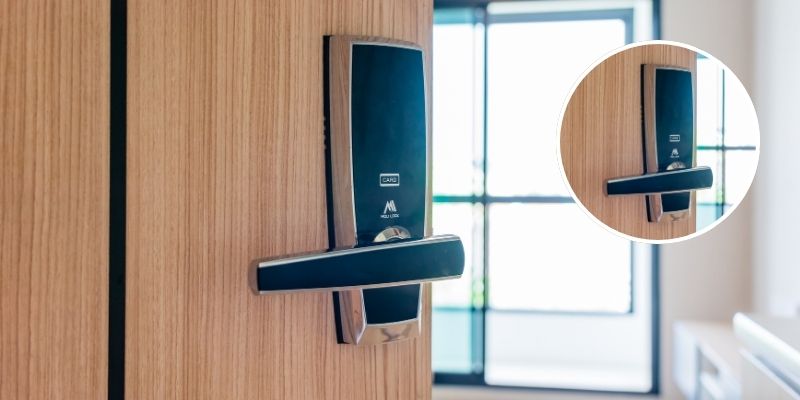
The Future of Lock Parts in 2025
Locks are evolving, and I’m excited about what’s coming. Smart locks are getting smarter, with biometric sensors and voice activation. In cars, keyless entry and push-button starts are standard, but traditional cylinders are still used for backups. Manufacturers are also using corrosion-resistant materials, which is great for car enthusiasts in snowy or coastal areas. I’ve seen DIY lock kits with modular parts, making repairs easier. The future is high-tech, but the classic parts we’ve covered will always have a place.
Conclusion
Diving into the parts of a door lock is like peeking under the hood of your favorite car—it’s fascinating and empowering. From the cylinder to the strike plate, each piece plays a vital role in keeping your home or vehicle secure. As someone who’s spent years fixing locks and geeking out over mechanics, I hope this guide has made you feel like a lock expert. Whether you’re troubleshooting a jam, upgrading your garage, or just curious, knowing these parts gives you the confidence to tackle any lock-related project. So next time you turn a key, think about the tiny orchestra inside—and maybe give it a little TLC to keep it humming. Here’s to secure doors and smooth rides!
Frequently Asked Questions
What’s the most important part of a door lock?
The cylinder is key because it houses the pins and interacts with the key to unlock the door.
Why does my lock feel sticky?
Dirt or rust in the cylinder or pins can cause stickiness. Clean it with compressed air and lubricate with graphite.
Can I replace just one part of a lock?
Yes, parts like the cylinder or strike plate can be replaced, but it depends on the lock type. Check with a locksmith for complex locks.
Are car lock parts different from home lock parts?
They’re similar but smaller and often include electronic components like transponders in modern cars.
How do I know if my key is worn out?
If the key’s teeth are rounded or it doesn’t turn smoothly, it’s worn. Try a spare or get a new one cut.
What’s the difference between a bolt and a latch?
A bolt is sturdy and manual, like a deadbolt. A latch is spring-loaded and used in knob locks or car doors.
Do smart locks have the same parts as traditional locks?
They have similar bolts and strike plates but use motors or solenoids instead of cylinders and pins.