Zinsser vs Kilz: Which Primer Blocks Stains Better?
Zinsser B-I-N shellac primer blocks stains no water-based primer can — smoke, fire, water rings, and wood knots — while KILZ Original oil-based primer handles light-to-medium stains cheaper. Using the wrong one wastes a coat: a $28 quart of KILZ won’t fully seal a nicotine-stained ceiling, and $22 Zinsser B-I-N is overkill for a plain drywall patch. This guide covers drying times, VOC levels, stain-blocking performance, and which primer to grab for mold, odor, and wood-knot jobs.
Insert your Affiliate Disclosure reusable block here.
Quick Answer
Zinsser B-I-N shellac primer blocks the toughest stains — smoke, fire, water, and knots — and dries to the touch in 15 minutes, recoat in 45. KILZ Original oil-based primer costs less and handles everyday light-to-medium stains but needs up to 24 hours to fully cure. Pick Zinsser B-I-N for severe stains and odors; pick KILZ for budget priming on routine drywall repairs.
Zinsser Primer Features
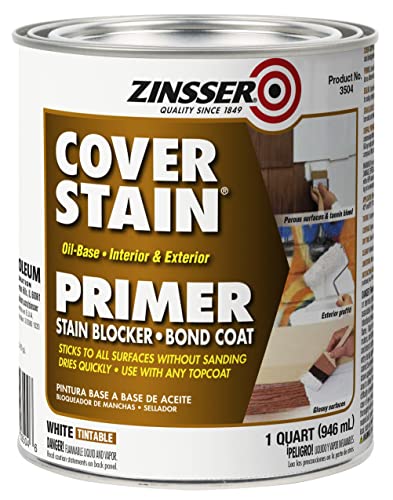
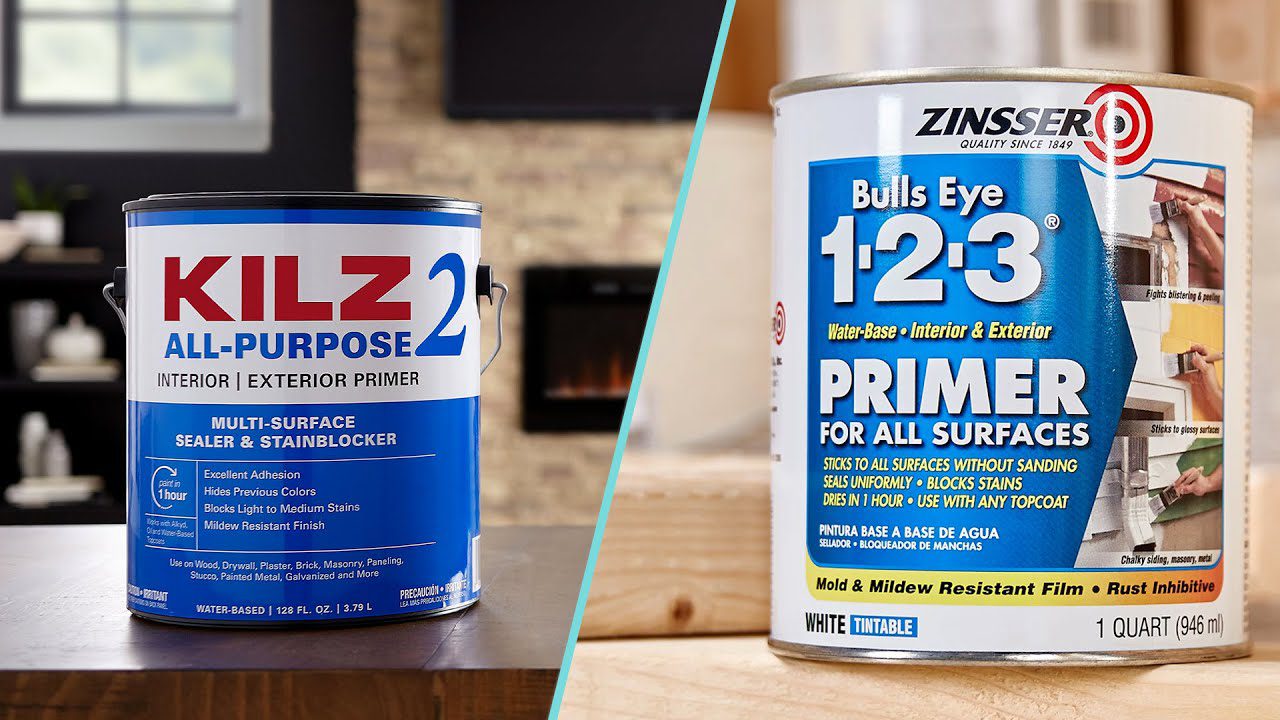
Zinsser sells three primer chemistries, and each solves a different problem. Water-based Bulls Eye 1-2-3 dries fastest for everyday walls and cleans up with soap and water. Oil-based Cover-Stain blocks medium stains on wood and exterior surfaces. Shellac-based B-I-N is the strongest of the three — it seals smoke damage, fire damage, water stains, rust, ink, crayon, and wood knots in a single coat, and needs no sanding to stick.
According to Zinsser’s own technical data sheet, B-I-N is rated for interior use on wood, metal, plaster, drywall, masonry, and even glass and tile, applied by brush, roller, or sprayer. It also carries a mildewcide additive that helps resist mold regrowth on primed surfaces — useful in bathrooms and basements where lingering odors and moisture are common problems.

Kilz Primer Features
KILZ also splits into three main types. KILZ 2 and KILZ Premium are water-based, low-odor, and dry fast — the everyday choice for bare drywall and light repaints. KILZ Original is oil-based and handles tougher, older stains, but it seals the surface completely, which means it should not go over plaster or bare drywall that needs to breathe. KILZ Complete is a newer oil-based hybrid built for both interior and exterior stain blocking.
KILZ Original is a solid, budget-friendly stain blocker for medium stains — water spots, light smoke, grease — and it sticks to wood, drywall, brick, concrete, metal, plastic, and fiberglass. It costs roughly $8–$28 depending on size, versus $22–$26 for a comparable Zinsser B-I-N quart, but it needs several hours to dry and up to 24 hours before it’s considered fully cured and ready for a demanding topcoat.
📊 Zinsser B-I-N has a VOC content of roughly 550 g/L and dries to the touch in 15 minutes (recoat in 45) — Source: Zinsser B-I-N Product Data, Rust-Oleum
Performance Comparison
Zinsser B-I-N sticks to more surfaces without sanding and covers dark colors in fewer coats than KILZ Original. Both brands make a fast-drying water-based line (Zinsser Bulls Eye 1-2-3 and KILZ 2) that recoats in about an hour and is nearly interchangeable for everyday walls. The real difference shows up on the worst stains: independent painter reviews and both brands’ own technical sheets agree that shellac-based B-I-N outperforms oil-based KILZ Original on smoke, fire, and water damage, while KILZ Original remains a capable, cheaper option for routine stains.
| Primer | Dry / Recoat Time | VOC Level | Best For |
|---|---|---|---|
| Zinsser B-I-N (shellac) | 15 min dry / 45 min recoat | ~550 g/L | Smoke, fire, water stains, wood knots |
| Zinsser Cover-Stain (oil) | 1 hr dry / ~2 hr recoat | Higher (oil-based) | Medium exterior wood stains |
| Zinsser Bulls Eye 1-2-3 (water) | ~30 min dry / 1 hr recoat | Low | Everyday walls, budget jobs |
| KILZ Original (oil) | 5–7 hr dry / 24 hr cure | Higher (oil-based) | Medium stains on a budget |
| KILZ 2 (water) | ~1 hr dry / 1 hr recoat | Low | Bare drywall, mold-prone rooms |
Best Stain-Blocking Primer Pick
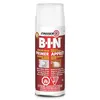
Zinsser B-I-N Shellac Base Primer-Sealer – $21.88
The shellac formula this guide covers as the strongest stain blocker — rated to seal smoke, fire, water, and wood-knot stains in one coat, with no sanding needed first.
- Best for: Smoke damage, fire damage, water stains, wood knots
- Why we picked it: Fastest recoat time (45 min) of any stain blocker in this comparison
- Main drawback: Strong odor during application and highest VOC of the group
Compare more primer options
 Option 1 KILZ Original Low Odor Primer – $27.80
|
 Option 2 Zinsser Bulls Eye 1-2-3 Primer – $14.78
|
 Option 3 Zinsser Cover-Stain Spray – $7.97
|
As an Amazon Associate we earn from qualifying purchases.
User Experience
Both brands earn loyal fans among painters and DIYers, but for different reasons. Zinsser is praised for fast drying and its no-sanding-needed adhesion; KILZ is praised for versatility across more surface types and a lower price point. Which one is “better” really depends on the stain you’re dealing with and how soon you need to paint over it.
Ease of Application
Zinsser B-I-N spreads smoothly with a brush or roller and is beginner-friendly because it forgives uneven strokes. KILZ Original applies just as easily but may need a second coat over very dark or glossy surfaces. Both dry-to-touch fast enough to finish most rooms in a single afternoon.
Cleanup and Maintenance
Water-based versions of both brands (Bulls Eye 1-2-3 and KILZ 2) clean up with soap and water while the primer is still wet. Oil-based and shellac versions (Cover-Stain, B-I-N, KILZ Original) need mineral spirits or denatured alcohol for brushes and spills — plan for that before you start.
Customer Feedback
Painters who deal with severe stains — smoke damage, fire restoration, pet odor — consistently reach for Zinsser B-I-N first because it is, per both brands’ own product literature, the more aggressive stain blocker. Painters doing routine repaints and bare-drywall jobs often default to KILZ or Zinsser’s water-based lines because they cost less and dry just as fast for light stains.
Price and Value
A quart of Zinsser B-I-N runs about $22–$26, while a comparable KILZ Original quart runs about $8–$28 depending on retailer and package size. Zinsser B-I-N usually costs a bit more but covers up to 500 square feet per gallon and needs fewer coats on tough stains, which can offset the higher sticker price. KILZ is the better value pick when the stain is light and the surface is routine drywall or trim.
Environmental Considerations
VOC (Volatile Organic Compound) content is the main environmental and indoor-air factor to weigh between these primers. Water-based lines from both brands — Zinsser Bulls Eye 1-2-3 and KILZ 2 — are low-VOC and low-odor, making them the better pick for occupied homes, nurseries, or anywhere ventilation is limited. Shellac-based Zinsser B-I-N carries a higher VOC content (about 550 g/L) and a strong odor during application, so open windows and run a fan, or choose the water-based line if the stain is mild enough for it to handle.
“B-I-N blocks grease spots, fire, smoke, water stains, ink, crayon, graffiti, markers, knots, and sap streaks in one coat — but it also seals the surface completely, which is exactly why it needs proper ventilation during application.”
Best Use Cases
Reach for Zinsser B-I-N on smoke-damaged walls, fire restoration, water-stained ceilings, and bare wood knots that would otherwise bleed through paint. It also carries a mildewcide, so it’s a solid choice for bathrooms and rooms that have dealt with pet odor or past moisture problems. Use KILZ Original or KILZ 2 for basements, garages, and rooms with everyday stains or dark colors you need to cover before repainting.
If your project is really a KILZ-vs-KILZ or Zinsser-vs-Zinsser decision instead, see how the individual product lines stack up: our KILZ 2 vs KILZ 3 comparison breaks down which KILZ formula fits small jobs versus large ones, and our KILZ vs Sherwin-Williams primer guide covers how KILZ stacks up against a different competing brand. For prep work before you prime, our drywall repair guide covers patching holes and cracks so the primer has a sound surface to bond to.
Frequently Asked Questions
What Are Zinsser and KILZ Used For?
Zinsser and KILZ are both primer-sealer brands used to prep surfaces before painting. They seal stains, block odors, and give topcoat paint a uniform surface to stick to, so colors and dark stains underneath don’t bleed through the finish coat.
Which Primer Dries Faster, Zinsser or KILZ?
Zinsser B-I-N shellac primer dries to the touch in about 15 minutes and can be recoated in 45 minutes — the fastest of either brand’s lineup. Water-based KILZ 2 and Zinsser Bulls Eye 1-2-3 both recoat in about an hour. Oil-based KILZ Original is the slowest, needing 5–7 hours to dry and up to 24 hours to fully cure.
Is Zinsser or KILZ Better for Mold?
Zinsser is generally the stronger pick for mold-prone rooms because its shellac and water-based lines both include a mildewcide additive that resists mold regrowth on the primed surface. KILZ 2 and Premium also resist mildew, but Zinsser B-I-N is the more common recommendation for bathrooms, basements, and rooms with a history of moisture damage.
Can Zinsser or KILZ Block Odors?
Yes, both block odors, but Zinsser B-I-N is the stronger option for smoke and pet-odor jobs because its shellac base fully seals the surface underneath. KILZ Original also blocks odors on medium stains, but painters dealing with severe smoke or pet-odor damage most often reach for B-I-N first.
Do I Need a Stain-Blocking Primer for Wood Knots?
Yes. Bare wood knots bleed sap and tannin through regular paint and even through many all-purpose primers. Zinsser B-I-N is specifically rated to seal knots and sap streaks in one coat; a standard water-based primer like KILZ 2 or Bulls Eye 1-2-3 usually is not enough on its own for raw knots.
Conclusion
Choosing between Zinsser and KILZ comes down to the stain, not brand loyalty. Grab Zinsser B-I-N for smoke, fire, water damage, or wood knots — it’s the fastest-drying, most aggressive stain blocker of the two. Grab KILZ Original or KILZ 2 for routine drywall repaints and lighter stains where the lower price makes more sense. Match the primer to the actual problem on the wall, and either brand will give the topcoat a clean, stain-free surface to stick to.
Sponsored / affiliate links. As an Amazon Associate I earn from qualifying purchases. I may earn additional commission from eligible campaigns.