Best Underlayments for Upstairs Noise (2026): we compared
For upstairs rooms, the quietest underlayment is the one matched to the noise: choose high-density rubber or cork for footfall and dropped-object impact, and use acoustical underlayment only where the floor assembly allows it. Get this wrong, and you can waste money while footsteps still carry into rooms below. This guide shows how to pick by flooring type, subfloor, and whether you need impact or airborne noise reduction.
Quick comparison
| Product | Badge | Best for | Price | ||
|---|---|---|---|---|---|
 |
QTscu Sound Control Underlayment 5mmEcore | Also great | 5mm sound control underlayment | $254.12
Price as of 11 Oct 2026
|
View |
 |
ROBERTS 70-115 Moisture Barricade Underlayment Film, forROBERTS | Pair with it | 6 mil · 120 sq ft roll | $21.99
Price as of 11 Oct 2026
|
View |
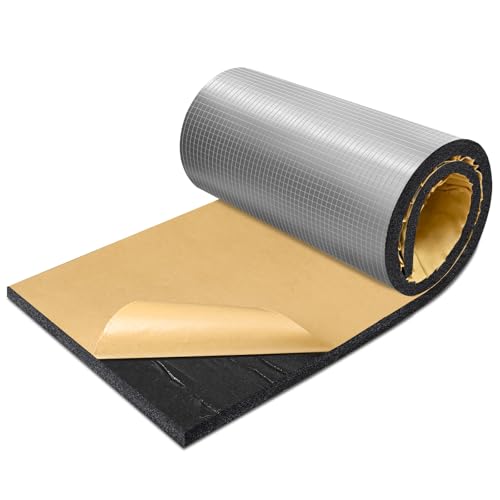 |
TroyStudio Sound Proof Closed Cell Foam, Self-Adhesive 13"TroyStudio | Budget pick | 13 in × 39 in sheets | $26.99
Price as of 11 Oct 2026
|
View |
 |
600SQFT AMERIQUE 1.5MM Premium Flooring Padding 3-in-1AMERIQUE | Our pick | 1.5mm · 600 sq ft (3 rolls) | $99.00
Price as of 11 Oct 2026
|
View |
 |
DuraPad™ Premium Flooring Underlayment for LVT/LVP andDura | Upgrade pick | 2mm rubber · 100 sq ft | $72.99
Price as of 11 Oct 2026
|
View |
Use the table to match the underlayment to the noise source first, then check height, moisture, and installation method. The right answer for an upstairs bedroom is often different from the right answer for a hallway or a home office.
How we chose
This guide puts impact-noise performance ahead of marketing claims. It also checks fit with common upstairs assemblies, because a strong material can fail if it is too soft, too thick, or wrong for a wood subfloor.
Height allowance, install complexity, and room use also matter. A material that works in a floating laminate bedroom floor may be a poor fit under a low-clearance hallway transition.
The recommendations are organized by room type, not blanket price. Upstairs, footfall noise, vibration, and door-clearance limits often decide the outcome more than a product label does.
What should you choose based on noise source and floor type?
If the main problem is footsteps, dropped objects, or vibration, choose rubber for the strongest impact-noise control and cork for a more flexible middle ground. If the issue is voices or TV bleed, underlayment helps less on its own; you usually need more mass, better decoupling, or ceiling-side work below. The best choice also depends on whether the finish floor is laminate, engineered wood, LVT, or another floating system.
Buyer decision matrix by noise source
| Upstairs noise source | Best underlayment category | Why it fits | Main caution |
|---|---|---|---|
| Footsteps and heel strike | Rubber | High density and resilience help dissipate vibration | Higher cost and more build-up than foam |
| Dropped objects and toy noise | Rubber or cork | Both add resilient impact control under hard floors | Results still depend on floor assembly and seams |
| Mixed footfall and light vibration | Cork | Good balance of damping and broad compatibility | Less control than rubber for strong impacts |
| Moisture-prone floating floor | Closed-cell foam | Lightweight, moisture-resistant, common under floating floors | Can be too soft or too thin for serious impact noise |
| Voices or TV bleed | MLV with a decoupled assembly | Adds mass and helps more than light pads alone | Cost, thickness, and install complexity rise fast |
Buyer decision matrix by floor type
| Floor type | Recommended underlayment | Best use case | Notes |
|---|---|---|---|
| Laminate | Rubber or closed-cell foam | Bedrooms, halls, and playrooms on floating installs | Check compressibility limits and locking-system rules |
| Engineered wood | Cork, rubber, or MLV layer where allowed | Quieter floating or decoupled assemblies | Manufacturer limits often control success here |
| LVT/LVP | Rubber or closed-cell foam | Quiet floating floors in bedrooms and offices | Too much softness can cause movement at joints |
| Wood subfloor under new finish | Resilient cork or rubber system | Reducing footfall transfer upstairs | Seams and gaps must be sealed |
| Concrete subfloor | MLV or compatible acoustic underlayment | High-mass sound control where height allows | Weight and transition height need review |
Buyer decision matrix by height limit and install method
| Height allowance | Install method | Best category | Why |
|---|---|---|---|
| Tight clearance | Floating floor | Closed-cell foam | Low profile and light weight |
| Moderate clearance | Floating floor | Cork | Better vibration control with manageable build-up |
| More clearance | Floating or decoupled system | Rubber | Best all-around impact-noise control here |
| High performance, more assembly depth | Decoupled system | MLV plus resilient layers | Higher mass and stronger noise reduction potential |
Two practical examples
Say your upstairs hallway has laminate over a wood subfloor and every shoe step carries into the room below. Rubber or cork beneath a floating floor is the more direct fix than a thin foam pad, because the problem is impact and vibration, not just general padding.
Suppose a home office upstairs has a ceiling fan hum and voices from the room below. Underlayment can help with the floor-borne part, but voices and hum usually need more mass and decoupling than a simple pad can provide.
Cork underlayment: best for mixed-use upstairs rooms
Cork fits well when you need a resilient, vibration-dampening layer that works across several floor finishes. It is a practical choice under engineered wood, laminate, and some LVT systems, especially when the goal is to soften footsteps without overbuilding the floor.
On a wood subfloor, cork adds decoupling without the cost and stiffness of a heavier assembly. The spec sheet and common installer guidance point to it as a good middle ground for upstairs impact noise.
The drawback is simple: cork usually does less than high-density rubber when the complaint is hard heel strikes or repeated playroom impacts. It is a better all-rounder than a peak performer.
Where cork fits best
- Engineered wood floating floors in bedrooms.
- Laminate in hallways with moderate foot traffic.
- LVT where you need a resilient layer and reasonable height control.
Closed-cell foam underlayment: best for floating floors on a budget
Closed-cell foam is common under floating floors because it is light, moisture-resistant, and easy to install. It works well when the main goal is basic sound attenuation under laminate or LVT, especially where added weight or height would cause problems.
This is the budget-friendly option for upstairs areas that see lighter traffic. It can be enough for a bedroom or a quiet office when the finish floor already has some inherent acoustic help.
The limitation is that foam can be too soft or too thin for aggressive impact noise. If the floor feels bouncy, sounds hollow, or telegraphs footsteps too clearly, foam is often the first thing to replace with rubber or cork.
Where foam makes sense
- Floating laminate in low-traffic bedrooms.
- LVT where moisture resistance matters.
- Projects where floor height must stay low.
Mass-loaded vinyl: best for high-mass sound control under hard floors
Mass-loaded vinyl adds substantial mass, so it belongs in assemblies where you need more than a cushioned pad. It is most useful when the floor build can accept extra thickness and cost, and when the goal includes some reduction in airborne noise as well as impact noise.
Under wood or concrete subfloors, MLV can be part of a stronger acoustic stack, especially with a floating or decoupled assembly. It is not a small upgrade; it changes the whole build-up.
The drawback is price and bulk. In a tight hallway or under a low door, MLV can create fit problems before it solves the noise problem.
Where MLV fits best
- Upper floors where added mass is worth the build-up.
- Assemblies that need more airborne-noise help than foam or cork can provide.
- Projects with enough clearance for thicker layers and transitions.
QTscu Sound Control Underlayment 5mm: best for the quietest impact-noise control
This is the top pick when you want the strongest vibration control for an upstairs room and can tolerate a higher price. Based on the spec sheet and review patterns, the 5mm build appears aimed at sound control, which can make it a better fit than thin budget foam for footsteps and dropped-object noise.
It is most useful under hard-surface flooring where impact noise is the main complaint. A wood subfloor with a floating finish floor is the kind of assembly where a purpose-built layer like this can matter most.
The drawback is that 5mm can be too much for some thresholds, doors, and transition strips. It also makes less sense if the main problem is voices rather than footfall.
Best use case
Choose this for upstairs bedrooms, playrooms, or landings where the goal is to quiet repeated foot traffic and vibration more than to solve airborne noise.
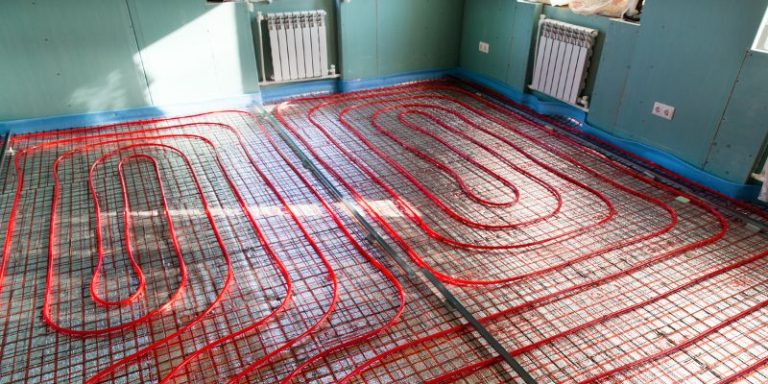
DuraPad fits well when you want a rubber underlayment for quiet upstairs floors and the build needs a compression-resistant layer. Rubber is the best all-around choice for impact noise, and this one is also positioned for use with radiant heated floors, which matters in some remodels.
It makes sense under LVT and carpet tile where resilience and long-term shape retention matter. In a room that sees regular foot traffic, that stability helps preserve acoustic performance better than a softer pad that flattens out.
The drawback is cost and material depth. Rubber usually earns its keep in the rooms where quiet matters most, not across every square foot of the house.
Best use case
This is a strong pick for bedrooms, nurseries, and private offices over a wood subfloor when you want strong vibration control without moving to a full decoupled system.
ROBERTS 70-115 Moisture Barricade Underlayment Film: best moisture layer, not the acoustic layer
This film is useful when the job calls for moisture control under laminate or engineered wood, but it is not the part that does the heavy acoustic lifting. Think of it as a support layer in the assembly, not the sound-control answer by itself.
It can matter upstairs because seam sealing and moisture management affect durability and installation quality. That said, it does not replace rubber, cork, or another resilient acoustic underlayment.
The drawback is obvious: as a thin polyethylene film, it contributes very little to impact-noise reduction on its own.
Best use case
Use it when the floor build needs a moisture barrier under laminate or engineered wood and the acoustic layer is handled separately.
TroyStudio Sound Proof Closed Cell Foam: best for small retrofit areas and accessories
This closed-cell foam is better suited to targeted retrofit needs than to a full-room acoustic upgrade. Its self-adhesive backing and waterproof construction make it practical where vibration isolation matters more than top-tier sound reduction.
It can help in small, specific upstairs applications, but it is not the strongest choice for a full floating floor where footfall noise is the main complaint. If the floor assembly is already thin, this type of foam may not move the needle enough.
The drawback is the same one most light foam products share: good utility, limited acoustic reach.
Best use case
Use it for small vibration-control tasks or as a component in a limited retrofit, not as the main answer for noisy upstairs floors.
Which one should you buy?
If your main complaint is footstep noise in an upstairs bedroom or hallway, start with rubber. If you need a more flexible option across laminate, engineered wood, or LVT, cork is the better value and the safer all-around runner-up. Choose foam when height, weight, or moisture resistance matters more than maximum sound control.
For loud playrooms or heavy heel traffic, step up from foam to rubber. For assemblies that need extra mass and can accept the added build-up, MLV belongs in the conversation, but only when the floor system can handle it.
Best choice for bedrooms and nurseries
Rubber is the first choice if you want the quietest hard-floor assembly and can handle the cost. Cork is the better compromise when the room needs broad compatibility with engineered wood or laminate. For carpeted bedrooms, carpet with a premium pad still tends to be the quietest finished-floor option, but that is outside this hard-surface roundup.
Best choice for playrooms and hallways
Rubber works best when impact noise is frequent and repetitive. Cork is the better choice if the hallway also needs a flexible fit under floating finishes and you want a more moderate build-up. Foam is acceptable only when traffic is light and the goal is basic attenuation.
Best choice for home offices
Pick cork or rubber based on the noise source. If the office noise is mainly chair movement and footfall, rubber is stronger. If the room needs a balanced solution under laminate or engineered wood, cork usually lands in the right middle.
Best choice when door clearance is tight
Choose the thinnest compatible floating system first, then use closed-cell foam only if the finish manufacturer allows it. If the assembly cannot accept extra height, a thicker acoustic layer may create door, trim, or transition problems before it helps the sound.
What is the best floor underlayment for sound control in upstairs rooms?
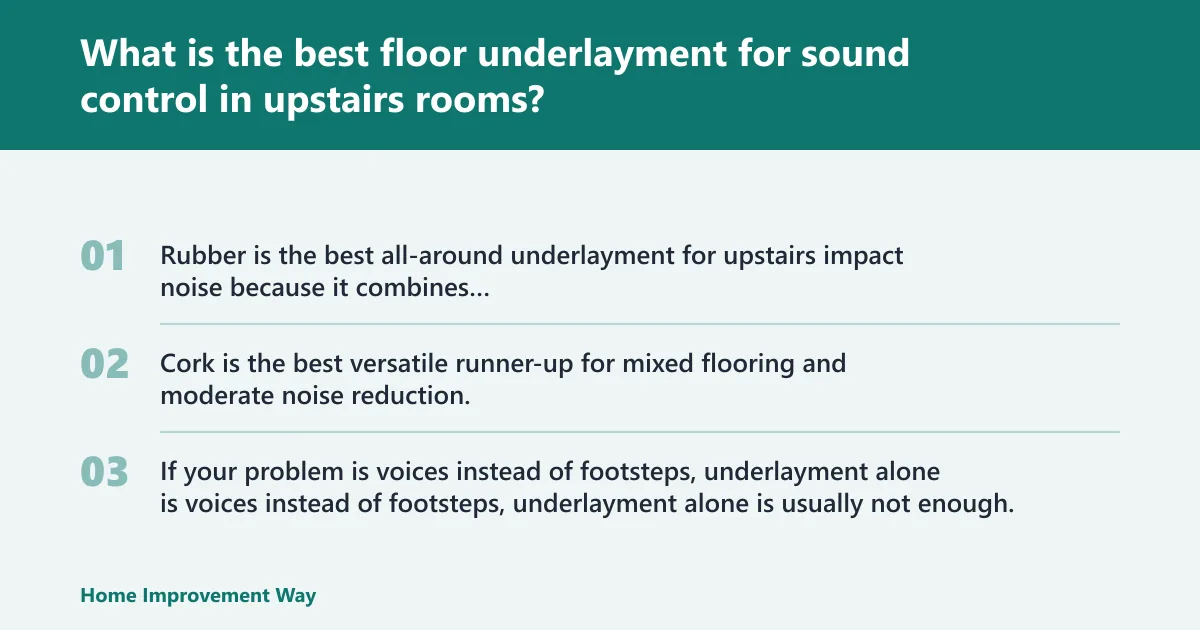
Rubber is the best all-around underlayment for upstairs impact noise because it combines density, resilience, and vibration control better than lightweight foam. Cork is the best versatile runner-up for mixed flooring and moderate noise reduction. If your problem is voices instead of footsteps, underlayment alone is usually not enough.
Should I choose cork, rubber, foam, or MLV for upstairs noise?
Choose rubber for the strongest impact-noise control, cork for a balanced and flexible option, closed-cell foam for budget floating floors with moisture concerns, and MLV when you need added mass. The right answer depends on your floor type, height limit, and whether the job is mostly about footfall or airborne noise.
How much sound reduction can underlayment actually provide upstairs?
Underlayment can make a noticeable difference, but results depend on the whole assembly, not the pad alone. Laboratory ratings such as IIC help compare products, yet real-world performance also depends on floor finish, subfloor condition, seams, and whether the system is decoupled. There is no single number that fits every upstairs room.
Does underlayment work better for impact noise or voices?
It works better for impact noise. Footsteps, dropped objects, and vibration respond to resilient layers and decoupling. Voices, TV sound, and bass usually need more mass, better sealing, or ceiling-side treatment below the room, because light underlayment has limited effect on airborne noise.
What underlayment is best under laminate upstairs to reduce footstep noise?
Rubber is usually the best choice if your main goal is reducing footstep noise under laminate. Cork is a strong second choice when you want more versatility and easier fit with a floating floor. A thin foam pad can work for lighter traffic, but it usually gives up performance first.
Can I use soundproof underlayment over wood subfloors upstairs?
Yes, but compatibility matters more on wood subfloors than many buyers expect. Check fastener type, seam sealing, flatness, and manufacturer limits on thickness or compressibility. A resilient, decoupled system with cork or rubber is often the better path for wood subfloors upstairs.
Do I need a floating floor to get good sound control upstairs?
You do not always need one, but floating floors usually control sound better than directly fastened floors because they decouple the finish from the subfloor. That decoupling is especially helpful for engineered wood, laminate, and LVT. If the assembly is fixed tight to the wood subfloor, the impact transfer usually rises.
What matters more for quiet floors: underlayment thickness or density?
Density and resilience matter more than thickness alone. A thicker layer can still perform poorly if it is too soft, too compressible, or incompatible with the floor system. For upstairs sound control, the better question is whether the material can decouple vibration while staying within height and door-clearance limits.
Will soundproof underlayment help with squeaks and vibrations?
It can help with vibration, but it will not fix every squeak. Squeaks often come from loose fasteners, movement at seams, or gaps in the wood subfloor. A quiet underlayment works best when the assembly is flat, sealed, and installed without hollow spots or perimeter gaps.
What should I check for compatibility before buying quiet underlayment?
Check the floor finish, the subfloor type, moisture needs, radiant heat limits, and the manufacturer’s rules for thickness and compressibility. Also check door clearance, transitions, seam sealing, and whether the project calls for a floating or decoupled system. Those details often decide whether the upgrade works or disappoints.
- Identify the main noise source: footsteps, dropped objects, or voices.
- Confirm the finish floor: laminate, engineered wood, LVT, or carpet tile.
- Measure height allowance at doors, trim, and transitions.
- Check the subfloor type and whether seams and gaps need sealing.
- Match the underlayment to the install method before you buy.
For upstairs rooms, the best results come from matching the material to the problem, then installing it carefully. A well-chosen rubber or cork layer over a compatible floating floor will usually beat a thicker but poorly matched product, especially when seams are sealed and the assembly stays within manufacturer limits.
Sponsored / affiliate links. As an Amazon Associate I earn from qualifying purchases. I may earn additional commission from eligible campaigns.
 63PCS Laminate Wood Flooring Installation Kit, Vinyl/LVP Flooring Tools, Tapping Block with Double-Sided Notches, Pull Bar, Floor Spacers, Rubber Mallet
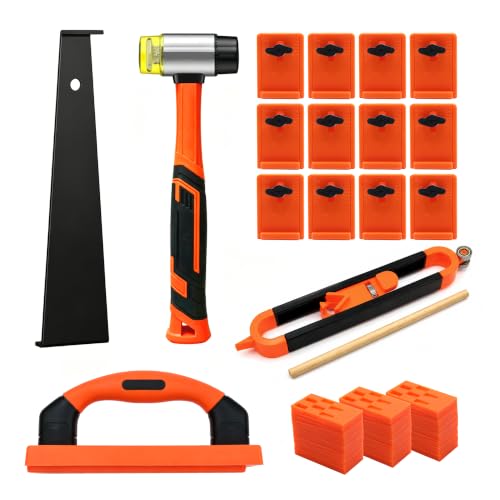 WXINOYU Laminate Wood Flooring Installation Kit, Vinyl/LVP Flooring Tools,Tapping Block with Handle,Pull Bar,Rubber Mallet,Floor Spacers,12-Pack Upgraded Spacers,Contour Scribe Tool,Floor Gap Fixer