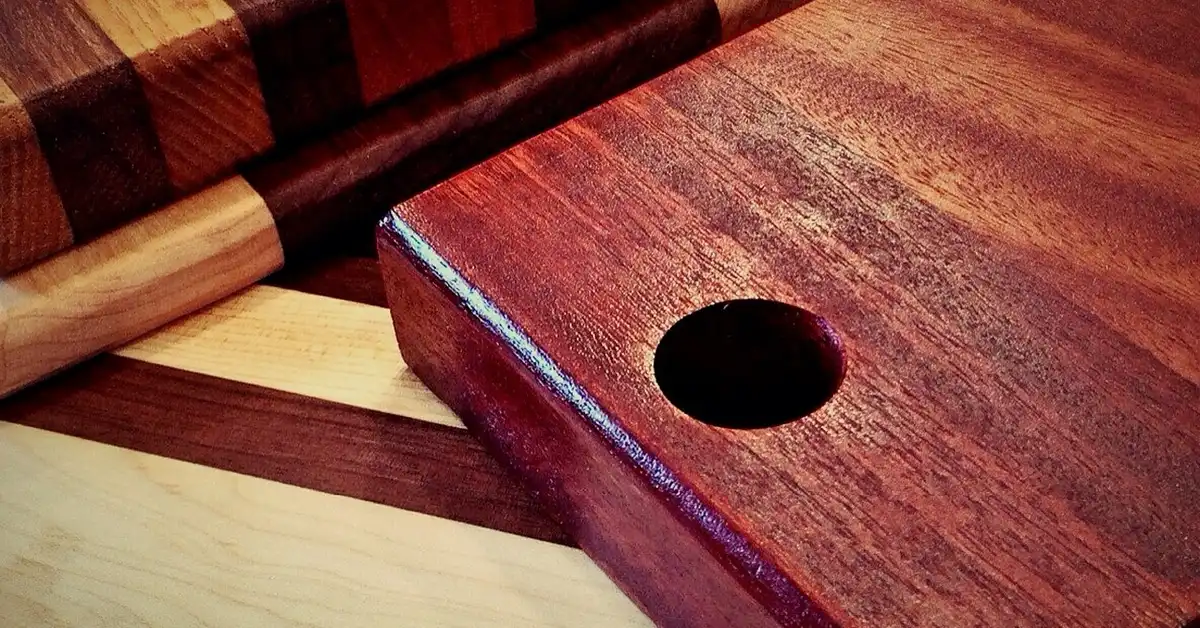
Best Woods for Cutting Boards: A Buyer’s Guide
Choosing the best woods for a cutting board is crucial for both knife longevity and kitchen hygiene. A good cutting board should be durable, gentle on your blades, and resistant to bacteria. This guide will explore the top wood options, their unique properties, and what makes them stand out for culinary use, helping you make an informed decision for your kitchen.
Simply put, the best woods for cutting boards are dense, closed-grain hardwoods like maple, walnut, and cherry, which offer a good balance of durability, knife-friendliness, and natural antibacterial properties, preventing excessive wear on knives and resisting moisture and bacteria effectively.
Key Takeaways
- Dense, closed-grain hardwoods are ideal for cutting boards, providing durability and knife preservation.
- Maple, walnut, and cherry are top choices for best woods for a cutting board due to their hardness and non-porous nature.
- End-grain construction is generally superior for knife edge preservation compared to edge-grain.
- Proper care, including regular oiling and cleaning, significantly extends the life of any wooden cutting board.
- Consider the natural antibacterial properties of certain woods to maintain a hygienic kitchen environment.
What Are Hardwoods and Why They Matter for Cutting Boards
Hardwoods come from deciduous trees, meaning they lose their leaves annually. These trees typically grow slower than softwoods, resulting in denser wood with tighter grain structures. This density is paramount for a cutting board because it means the wood is less likely to absorb liquids, harbor bacteria, or show deep knife marks.
Unlike softwoods, which are prone to scratching and can dull knives quickly, hardwoods offer a resilient surface. They can withstand the rigors of chopping, slicing, and dicing without significant damage. This makes them a more sustainable and hygienic choice for food preparation surfaces.
The distinction between hardwood and softwood is not about physical hardness but botanical classification. However, for cutting board purposes, the resulting density and grain structure of hardwoods are what make them superior. The closed-grain nature of many hardwoods also means fewer pores on the surface, which are potential breeding grounds for bacteria.
The Science of Grain: Open vs. Closed
Wood grains are categorized as either open or closed. Open-grained woods, like oak and ash, have larger pores that are visible to the naked eye. These pores can absorb liquids and food particles easily, making them a less desirable choice for cutting boards as they are harder to clean and can lead to bacterial growth.
Closed-grained woods, such as maple, walnut, and cherry, have smaller, less visible pores. This tight structure makes them more resistant to moisture penetration and staining. A closed-grain surface is easier to sanitize and maintain, contributing to a safer food preparation area.
- Maple: Known for its exceptional hardness and fine, closed grain.
- Walnut: Offers a beautiful dark color and good hardness, with a slightly more forgiving grain than maple.
- Cherry: A medium-density hardwood with a fine, closed grain that darkens beautifully over time.
- Teak: Highly resistant to moisture due to its natural oils, making it durable but also more expensive.
- Beech: Similar to maple in hardness and grain structure, often a more budget-friendly option.
Maple: The Classic All-Rounder
Maple, particularly sugar maple (Acer saccharum), is often considered the gold standard for cutting boards. Its exceptional hardness, fine closed grain, and neutral color make it a versatile and aesthetically pleasing choice. Maple boards are durable, resist deep knife marks, and are relatively easy to clean and maintain.
The tight grain structure of maple means it absorbs less moisture and is less prone to staining compared to open-grained woods. This makes it a hygienic option for food preparation. Many professional chefs and home cooks alike opt for maple due to its reliability and longevity.
When choosing a maple board, look for hard maple varieties. They offer the best balance of durability and knife-friendliness. While it’s a hard wood, it’s not so hard that it will excessively dull your knife edges, striking a perfect compromise.
Maple Board Construction Types
Maple cutting boards are commonly found in two main constructions: edge-grain and end-grain. Each has its own advantages and disadvantages, impacting both aesthetics and performance.
Edge-Grain Maple Boards
Edge-grain boards are made by joining wooden strips along their longer sides (edges). This creates a stable and durable surface. The grain runs parallel to the cutting surface, making them visually appealing with linear patterns.
They are generally more affordable than end-grain boards and are very robust for everyday chopping.
- Pros: Durable, stable, visually appealing linear grain, often more affordable.
- Cons: Can be harder on knife edges over time compared to end-grain, may show deeper knife marks.
- Best For: Heavy chopping, everyday use, those seeking a balance of durability and cost.
End-Grain Maple Boards
End-grain boards are constructed by gluing together small blocks of wood with the wood fibers oriented vertically, perpendicular to the cutting surface. This construction is known for being exceptionally gentle on knife edges, as the knife blade can slide between the wood fibers rather than cutting through them. They often feature a distinctive checkerboard pattern, which adds to their visual appeal.
- Pros: Superior knife edge preservation, self-healing properties (minor cuts can close), visually striking.
- Cons: More expensive, require more careful maintenance to prevent warping, can be heavier.
- Best For: Serious cooks, knife enthusiasts, those prioritizing blade longevity and a premium look.
A study by the University of California, Davis, found that wood cutting boards, especially those with deep knife grooves, can actually harbor fewer bacteria than plastic boards over time, as the wood’s natural properties and the grooves themselves can trap and kill microbes. This highlights the hygiene benefits of using well-maintained wooden boards, regardless of grain orientation.
Walnut: Rich Color, Robust Performance
Walnut, particularly black walnut (Juglans nigra), offers a sophisticated aesthetic with its rich, dark brown color. It’s a medium-density hardwood that is less hard than maple, making it a gentler surface for your knife edges. Despite being less dense, walnut is still very durable and possesses good resistance to moisture and bacterial growth.
The natural oils present in walnut wood contribute to its moisture resistance and antibacterial properties. Its beautiful color can complement various kitchen decors, adding a touch of elegance to your countertop. Many appreciate walnut for its unique grain patterns and the warm, inviting look it provides.
When selecting a walnut cutting board, consider its origin. American black walnut is highly prized for its quality and color. The wood’s slight give when a knife strikes it is a key benefit for those who want to prolong the sharpness of their premium kitchen knives.
Walnut vs. Maple: A Comparative Look
While both maple and walnut are excellent choices, they have distinct differences that might sway your preference.
| Feature | Maple | Walnut |
|---|---|---|
| Hardness (Janka Scale) | 1450 lbf | 1010 lbf |
| Grain Structure | Fine, closed | Medium, closed |
| Color | Light, creamy | Rich, dark brown |
| Knife Edge Care | Good | Excellent |
| Moisture/Bacteria Resistance | Very Good | Excellent |
This table highlights that walnut is softer and thus gentler on knives, while maple’s superior hardness offers greater resistance to dents and cuts.
The choice between maple and walnut often comes down to personal preference regarding aesthetics and how much importance you place on knife edge preservation versus overall board hardness. Both are excellent choices and among the best woods for a cutting board.
Cherry: Elegant and Enduring
Cherry wood, particularly American black cherry (Prunus serotina), is another superb choice for cutting boards. It possesses a fine, closed grain and a medium density that falls between maple and walnut. Cherry starts with a reddish-brown hue that deepens and enriches with age and exposure to light, developing a beautiful, warm patina over time.
Its hardness is sufficient to resist deep scoring from knives, yet it remains forgiving enough to prolong the life of your blade. Cherry’s natural oils contribute to its durability and resistance to moisture and bacteria, making it a hygienic and practical option for any kitchen.
Many users find cherry wood to be a delightful material to work with. It’s less prone to warping than some softer woods and cleans up easily. The way it ages gracefully makes it a favorite for those who appreciate the evolution of materials in their home.
Cherry Wood’s Unique Aging Process
One of the most appealing aspects of cherry wood is how it ages. When new, it has a lighter, pinkish-brown tone. Over time, through exposure to sunlight and air, it darkens significantly, developing rich reds and deeper browns.
This transformation is part of what makes a cherry cutting board a long-term investment piece.
- Initial Appearance: Light pinkish-brown.
- Aging Process: Gradually darkens over months and years.
- Final Patina: Deep, rich reddish-brown hues.
- Factors Influencing Aging: Sunlight exposure, air quality, and humidity.
This aging characteristic means that a cherry cutting board can look quite different after a year of use compared to when it was first purchased, adding to its unique charm and value as a piece that tells a story.
Comparing Cherry to Other Top Woods
How does cherry stack up against the other contenders for the title of best woods for a cutting board?
| Attribute | Maple | Walnut | Cherry |
|---|---|---|---|
| Hardness (Janka) | 1450 lbf | 1010 lbf | 950 lbf |
| Knife Friendliness | Good | Excellent | Very Good |
| Aesthetics (Aging) | Stable, maintains color | Subtle darkening | Rich, deepens beautifully |
| Moisture Resistance | Very Good | Excellent | Good |
Cherry wood offers a balance, being less hard than maple but still resilient and a great choice for knife care, with a superior aging process.
Teak: The Moisture-Resistant Champion
Teak (Tectona grandis) is renowned for its exceptional durability and natural resistance to water, heat, and decay. This is due to its high content of natural oils and dense grain structure. These properties make teak an excellent choice for kitchens, where moisture and frequent washing are common.
While teak is a hardwood, it’s not as hard as maple on the Janka scale. However, its inherent resilience and resistance to warping and cracking mean it can withstand rigorous use. The rich, golden-brown color of teak also adds a luxurious look to any kitchen setting.
Teak’s natural oils make it inherently antimicrobial, which is a significant advantage for a cutting board. This property helps to inhibit the growth of bacteria and mold, contributing to a more hygienic food preparation surface. It’s also why teak is often used in boat building and outdoor furniture.
Why Teak Stands Out for Durability
The unique composition of teak wood makes it exceptionally durable, especially in humid or wet environments. Its natural oils act as a protective barrier, preventing water from penetrating the wood and causing it to swell, warp, or rot. This characteristic is a major reason why teak is considered one of the best woods for cutting boards.
- High Natural Oil Content: This is teak’s defining feature, providing water and rot resistance.
- Dense Grain: Contributes to its strength and stability.
- Moisture Resistance: Excellent performance in wet kitchen conditions.
- Heat Resistance: Less prone to damage from hot items.
- Durability: Can last for many years with proper care.
- Antimicrobial Properties: Naturally inhibits bacterial growth.
While teak’s durability is outstanding, it’s important to note that it is typically one of the more expensive wood options for cutting boards. However, many consider the investment worthwhile due to its longevity and superior performance in the kitchen.
Beech: An Affordable Alternative
Beech wood (Fagus spp.) is another closed-grain hardwood that makes a good cutting board. It shares many similarities with maple in terms of density and grain structure, offering good durability and a smooth surface for chopping. Beech is often a more budget-friendly option than maple, making it an accessible choice for many kitchens.
Its hardness is comparable to maple, providing a robust surface that resists deep knife marks and wear. Beech also has good resistance to moisture and is relatively easy to clean, contributing to its hygienic properties. The light, neutral color of beech wood is also versatile and fits well with various kitchen styles.
While beech wood is an excellent choice, it might not possess the same level of natural oils or aesthetic richness as some other premium hardwoods like walnut or teak. However, for a functional, durable, and cost-effective cutting board, beech is a strong contender among the best woods for a cutting board.
Maintaining Your Wooden Cutting Board
Regardless of the type of wood you choose, proper maintenance is key to ensuring your cutting board lasts for years and remains hygienic. This involves regular cleaning, drying, and conditioning.
- Cleaning: Wash your cutting board with warm, soapy water immediately after each use. Avoid soaking the board or putting it in the dishwasher, as excessive moisture can cause warping and cracking.
- Sanitizing: For a deeper clean, you can use a diluted bleach solution (1 teaspoon bleach per pint of water) or white vinegar. Rinse thoroughly afterward.
- Drying: Always stand the board on its edge or on a rack to allow both sides to air dry completely. Never lay it flat on a wet surface.
- Conditioning: Once a month, or whenever the board looks dry, apply a food-grade mineral oil or a specialized cutting board conditioner. Rub it in thoroughly and let it soak in for a few hours or overnight, then wipe off any excess. This replenishes the wood’s natural oils, prevents drying and cracking, and creates a barrier against moisture and stains.
- Oiling Frequency: For boards used daily, oiling once a month is usually sufficient. For less frequently used boards, check them periodically for dryness.
Regular oiling is perhaps the most critical step in maintaining a wooden cutting board, as it keeps the wood from drying out, cracking, and becoming a breeding ground for bacteria. It also helps the board retain its color and sheen.
Other Woods to Consider
While maple, walnut, cherry, teak, and beech are the most popular and highly recommended woods for cutting boards, a few other options are worth mentioning. These may offer specific benefits or be more readily available in certain regions.
For instance, oak, while technically a hardwood, is an open-grained wood. This makes it less ideal for cutting boards than closed-grain options like maple. However, quarter-sawn oak can have a tighter grain.
Exotic woods like purpleheart or padauk can be stunning and offer good durability but might be very dense and harder on knives.
Pros and Cons of Less Common Woods
| Wood Type | Pros | Cons |
|---|---|---|
| Acacia | Durable, naturally water-resistant, often affordable, attractive grain. | Can be prone to dulling knives if not properly finished; grain can sometimes be too hard. |
| Bamboo | Eco-friendly, fast-growing, relatively hard and durable, affordable. | Often made with glues and resins that can be a concern; can be very hard on knives; prone to warping. |
| Olive Wood | Extremely dense, beautiful swirling grain patterns, naturally antimicrobial. | Very expensive, can be heavy, requires careful maintenance. |
| Oak (Quarter-sawn) | Hard, durable, tight grain when quarter-sawn. | Can be open-grained if not quarter-sawn, potentially absorbing more moisture and bacteria. |
While these woods can make good cutting boards, always prioritize closed-grain hardwoods for the best combination of performance and hygiene.
Factors to Consider Beyond Wood Type
When selecting the best woods for a cutting board, it’s not just about the species of tree. Several other factors contribute to a board’s overall quality, usability, and longevity.
Consider the thickness of the board. Thicker boards are generally more stable and less prone to warping. They also provide a more substantial feel during use.
The presence of features like juice grooves or handles can also impact usability and convenience.
Juice Grooves and Other Features
Juice grooves are channels carved around the perimeter of the cutting board designed to catch liquids, such as meat juices or vegetable runoff. These can be incredibly useful for keeping your countertops clean, especially when working with moist ingredients.
- Benefits: Contains spills, keeps countertops clean, prevents messes.
- Considerations: Can be harder to clean thoroughly than a flat surface, may reduce usable cutting area slightly.
Handles, whether integrated or added as cutouts, can make it easier to transport the board from counter to sink or to serve from. Feet on the bottom can elevate the board, allowing for better airflow and preventing moisture buildup underneath, which is especially helpful for end-grain boards.
The Importance of Food-Grade Finishes
Most high-quality wooden cutting boards are finished with food-grade mineral oil or a blend of mineral oil and beeswax. This finish is essential for protecting the wood, enhancing its appearance, and making it more resistant to moisture and stains.
Using a proper finish not only protects the wood but also makes the board easier to clean and maintain, ensuring it remains a safe and hygienic surface for food preparation for years to come.
Frequently Asked Questions
What is the absolute best wood for a cutting board?
While subjective, hard, closed-grain woods like maple (especially sugar maple), walnut, and cherry are consistently ranked among the best woods for cutting boards due to their durability, knife-friendliness, and hygienic properties. Maple is often cited as the top choice for its balance of hardness and workability.
Is bamboo a good wood for cutting boards?
Bamboo is a grass, not technically wood, but it is often used for cutting boards. It’s durable, eco-friendly, and affordable. However, it can be very hard on knife edges and is often manufactured using glues and resins that might be a concern for some users.
Its density can also make it prone to warping if not properly cared for.
Are end-grain cutting boards better than edge-grain?
Yes, end-grain cutting boards are generally considered superior for knife edge preservation. The knife blade slides between the wood fibers rather than cutting through them, leading to less dulling and minor self-healing properties. They are typically more expensive and require careful maintenance to prevent warping.
How often should I oil my wooden cutting board?
You should oil your wooden cutting board at least once a month, or whenever the board looks dry or faded. If you use it daily, you might need to oil it more frequently. Regular oiling prevents the wood from drying out, cracking, and absorbing moisture and stains.
Can I use my wooden cutting board for raw meat?
Yes, you can use wooden cutting boards for raw meat, provided you follow proper hygiene practices. Wood, especially closed-grain hardwood, has natural antimicrobial properties. Always wash and sanitize the board thoroughly after contact with raw meat to prevent cross-contamination.
It’s advisable to have separate boards for raw meat and other ingredients.
Final Thoughts
Selecting the best woods for a cutting board involves balancing durability, knife edge preservation, hygiene, and aesthetics. Maple, walnut, and cherry consistently emerge as top contenders, each offering unique advantages. Prioritizing closed-grain hardwoods and understanding maintenance needs will ensure your chosen board serves you well for years, enhancing your culinary experience while protecting your valuable kitchen tools.
Sponsored / affiliate links. As an Amazon Associate I earn from qualifying purchases. I may earn additional commission from eligible campaigns.