Can Steel Hose Gear Clamps Be Used On Trees? Find Out Now
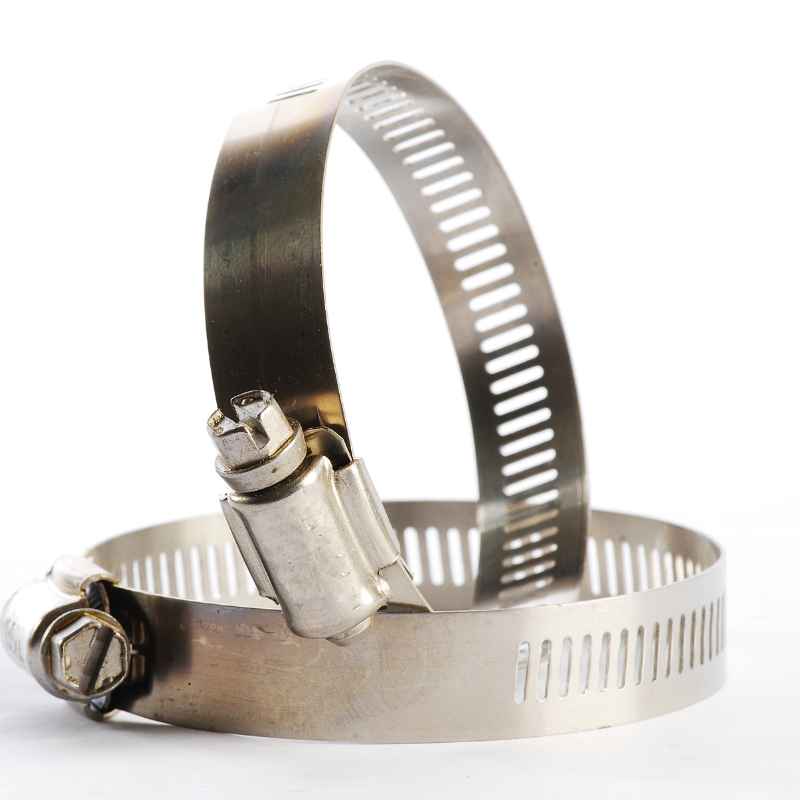
Steel hose gear clamps are generally not suitable for use on trees. Their rigid, metal construction and tightening mechanism can damage tree bark, restrict growth, and even girdle the tree, leading to serious health issues or death. Safer, tree-specific support methods are recommended.
Understanding Tree Support Needs
Trees grow in a unique way. Their trunks and branches get wider over time. This is called secondary growth.
They also need to breathe through their bark. When we think about supporting a tree, we have to consider these growth patterns. Anything we attach needs to be able to move and expand with the tree.
It also needs to allow air to reach the bark.
Think about how a tree trunk feels. It’s rough and can be brittle. The bark is its protective outer layer.
It’s like our skin, but much more delicate for a growing plant. If that layer is hurt, the tree is open to problems. Insects can get in.
Diseases can start. It’s a sensitive system.
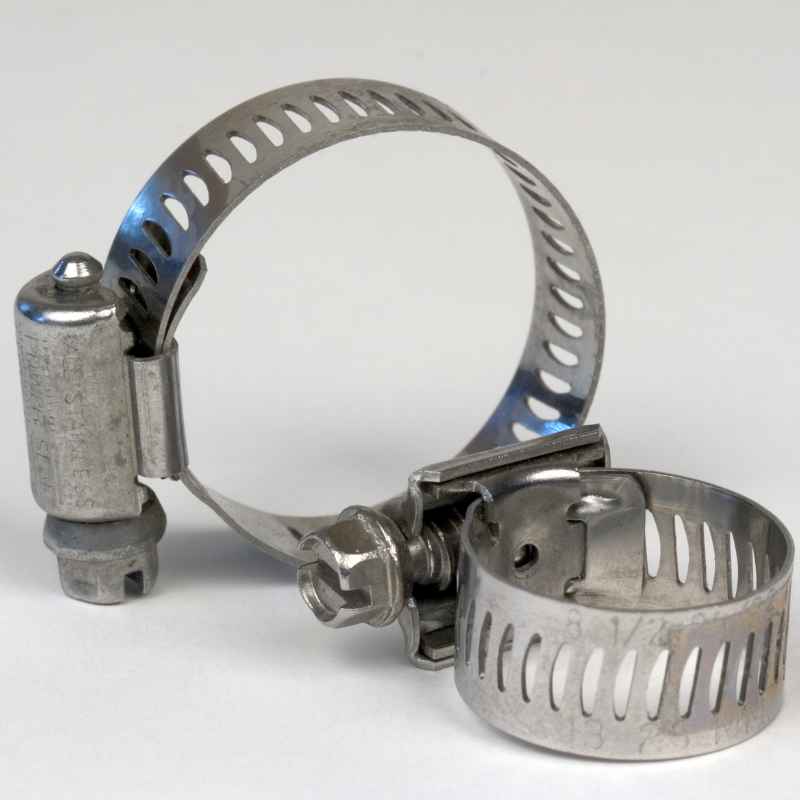
Why Steel Hose Gear Clamps Aren’t Tree-Friendly
Let’s break down why those metal clamps are a bad idea for trees. They are made for plumbing and mechanics. They are designed to create a tight, fixed seal.
This is the opposite of what a tree needs to thrive. They don’t bend or grow with the tree.
When you tighten a hose clamp, it bites down hard. This can easily cut into the soft bark of a young tree. Even on older trees, the bark can be damaged.
This damage doesn’t just heal like a scraped knee. It can create entry points for pests and diseases. It disrupts the flow of water and nutrients inside the tree.
As the tree grows, the clamp stays the same size. This is where the real danger lies. The tree keeps getting bigger.
The clamp digs in deeper and deeper. This is called girdling. It’s like wearing a belt that’s too tight, but forever.
The bark and the living tissues underneath get squeezed. This cuts off the flow of sap. This sap carries food and water to the rest of the tree.
Eventually, the part of the tree above the clamp won’t get enough to eat or drink. It starts to die. In severe cases, the whole tree can die.
It’s a slow, painful process for the plant. All because of a clamp that didn’t understand how trees work.
Hose Clamp vs. Tree Growth: A Contrast
Hose Clamp:
- Metal, rigid structure
- Tightens to a fixed size
- Designed for static, non-living materials
- Can easily cut or dig into surfaces
Tree:
- Living, growing organism
- Expands in width (secondary growth)
- Requires flexible support
- Bark is a vital, sensitive layer
Personal Experience: A Near Miss
I remember helping my neighbor set up a temporary support for a young apple tree. It had been blown over in a storm. We were in a hurry.
I spotted a few old hose clamps in my garage. They looked so strong. “These will hold it perfectly!” I told him, feeling pretty proud of my quick fix.
I carefully wrapped one around the trunk, just above the soil line, and tightened it. Then I used another to attach a stake.
A few months later, I was visiting again. The tree looked a bit sad. Its leaves were pale.
It wasn’t growing much. I walked closer and saw it. The hose clamp had dug deep into the bark.
It had created a nasty scar. The bark was peeling away around it. I felt a wave of panic.
I had almost killed that little tree with my helpfulness. We quickly cut the clamp off. It took a long time, but the tree eventually recovered.
That experience taught me a huge lesson about respecting how living things grow.
The Science of Tree Damage
When a clamp is too tight, it presses on the cambium layer. This is a thin layer of actively dividing cells. It’s located just under the bark.
The cambium is responsible for making new wood and bark. It’s the engine of the tree’s growth.
Applying constant pressure to the cambium stops its work. It also blocks the flow of xylem and phloem. Xylem carries water and minerals from the roots up.
Phloem carries sugars (food) from the leaves down. If either of these pipelines is blocked, the tree suffers. Parts of the tree above the blockage will starve.
This kind of damage isn’t always immediate. It can take weeks or months to become obvious. The tree might look stressed.
Its leaves might turn yellow or drop too early. Growth will slow. If the clamp remains, the damage will worsen.
The wood underneath can also be affected. This can make the tree weaker and more prone to breaking.
Quick Scan: Why Clamps Hurt Trees
Metal Digging In: Clamps can cut into bark.
Restricts Growth: They don’t expand as the tree grows.
Girdling Risk: Tight clamps can block sap flow.
Pest/Disease Entry: Damaged bark opens the door.
Stress and Weakness: The tree struggles to survive.
When Might Someone Think About Using Them?
People often consider hose clamps for temporary tree support. This usually happens in a few specific situations. For example, after a strong wind has bent a young tree over.
Or when a newly planted tree needs a little help to stay upright until its roots are established. The idea is to use a stake or a post and then attach the tree to it.
In these moments, convenience and available materials play a big role. A hose clamp seems like a readily available, strong fastener. It’s something many people have in their toolboxes.
They might not think about the long-term consequences for the tree’s health. They see a quick, cheap fix for a temporary problem.
Another thought might be about securing a brace. If a large branch is damaged but still attached, someone might want to brace it. They might look for something sturdy to hold the brace in place against the trunk.
A hose clamp could seem like a good candidate for this, too. They see its strength and assume it’s good for any job needing a strong hold.
Common Scenarios for Considering Tree Support
Scenario 1: Storm Damage
A young tree is bent or leaning heavily after a storm.
Scenario 2: New Planting
A newly planted tree needs stability while its root system develops.
Scenario 3: Branch Support
A heavy or damaged branch needs extra support to prevent breaking.
Scenario 4: Grafting/Repair
Sometimes used to hold grafts or repair splits temporarily.
Safer Alternatives for Tree Support
The good news is there are much better ways to support trees. These methods are designed with the tree’s well-being in mind. They allow for growth and movement.
They protect the bark. These are the tools arborists and experienced gardeners use.
One common method involves stakes and ties. You can use wooden stakes or metal poles. For the ties, avoid wire or rope that can cut.
Instead, use wide, soft materials. Fabric straps, especially those made for tree support, are great. They spread the pressure out.
They are also flexible.
Another excellent option is using flexible tree ties. These are often made of rubber or a special fabric. They have a loop on one end and a way to attach it to the stake on the other.
They are designed to stretch a bit as the tree grows. They also have a soft surface that won’t harm the bark.
For larger trees or more serious support needs, professional arborists might use specialized systems. These can involve cables and braces. But for most home gardeners, stakes and soft ties are the way to go.
The key is to check the supports regularly. Make sure they aren’t too tight and are still allowing the tree to grow.
Tree Support: What Works Best
Method: Stakes and Soft Ties
Description: Use wooden or metal stakes. Secure the tree with wide fabric straps, rubber tree ties, or soft cord.
Why it’s good: Allows movement, protects bark, flexible.
Method: Flexible Tree Guards
Description: Corrugated plastic or rubber tubes that go around the trunk or young branches.
Why it’s good: Protects bark from sunscald, animals, and minor impacts.
Method: Professional Cabling/Bracing
Description: Used for large, mature trees with structural issues. Involves cables and rods installed by experts.
Why it’s good: Provides strong support for significant problems.
How to Properly Support a Young Tree
When you plant a new tree, especially a bare-root one, it often needs some help standing straight. The goal is to give it just enough support so it doesn’t fall over. But you still want it to sway a little.
Swaying helps the tree develop a strong trunk and root system. It’s like exercise for the tree!
First, choose your stakes. Two stakes are often better than one. Place them on opposite sides of the tree.
Don’t place them too close to the trunk. About 6 to 12 inches away is usually good. This gives the roots some room to spread.
Drive the stakes firmly into the ground. Make sure they are deep enough to hold the tree securely.
Next, use your soft ties. You’ll want to attach the tie around the trunk. Do this gently.
Don’t pull it tight. It should be loose enough to slip a finger between the tie and the trunk. Then, attach the other end of the tie to the stake.
You might need two ties per stake, one on each side of the tree. If the tree is very young and thin, you can tie it in two places along the trunk.
The most important part is to check these supports often. Look at them every few weeks, especially during the growing season. As the tree gets bigger, you’ll need to loosen or adjust the ties.
You might even need to remove them completely. Most young trees only need support for one or two growing seasons. If the ties are left on too long, they can cause the very problems you were trying to avoid.
Step-by-Step Tree Staking
1. Choose Stakes: Select sturdy wooden or metal stakes.
2. Position Stakes: Place two stakes opposite each other, 6-12 inches from the trunk.
3. Drive Stakes: Ensure stakes are firmly in the ground for stability.
4. Use Soft Ties: Employ wide fabric straps or rubber tree ties.
5. Gentle Attachment: Tie loosely around the trunk, allowing a finger’s space.
6. Connect to Stakes: Secure ties to the stakes, providing gentle support.
7. Regular Checks: Inspect ties every few weeks and adjust as needed.
8. Removal: Remove stakes after 1-2 growing seasons when the tree is stable.
When is a Tree Normally Sturdy?
Trees are naturally designed to be strong. They don’t always need extra help. Knowing when a tree is sturdy is part of understanding its needs.
A healthy, established tree can withstand wind and its own weight without artificial support.
You can tell a tree is sturdy by its trunk. A strong trunk will be upright and have a good caliper (width) for its height. It won’t be leaning excessively.
The bark will look healthy and smooth, without deep cuts or cracks. The branches will be well-distributed and appear able to hold their own weight. There won’t be obvious signs of damage or disease.
The best way to ensure a tree is sturdy is to start with good planting practices. Choose the right tree for the right place. Make sure the soil drains well.
Provide adequate water, especially when the tree is young. Prune correctly to encourage strong branch structure from the beginning.
If a tree is naturally growing in a windy area, it will often develop a stronger, more flexible trunk to cope. This is its own natural adaptation. It doesn’t need us to interfere unless there’s a specific problem.
For most mature, healthy trees, you can just let them be!
When to Worry About Tree Support Issues
While we want to avoid unnecessary support, there are times when issues arise. You might see a tree leaning severely. This could be due to soil erosion around the base.
Or perhaps the tree is growing on a slope. Heavy snow or ice can also cause branches to bend dangerously.
Another sign of worry is if a tree has a split trunk. Or if a major branch looks like it’s about to break off. You might see cracks in the bark.
Or signs of decay, like mushrooms growing on the trunk. These are all indicators that the tree needs attention. They might need professional assessment.
If you’ve used stakes and ties, watch for signs that they are causing harm. If the ties are digging into the bark, or if the tree is growing around them, it’s time to adjust or remove them. It’s better to address these problems early.
Waiting too long can lead to the tree being permanently damaged or even failing.
Signs a Tree Needs Attention
Severe Leaning: Tree leans more than 15 degrees.
Split Trunk: A visible crack or split down the main trunk.
Damaged Branches: Branches are broken, cracked, or hanging precariously.
Bark Issues: Deep cracks, wounds, or signs of decay.
Staked Tree Problems: Ties digging in, tree growing into stakes.
Frequently Asked Questions About Tree Clamps and Support
Can I use wire to tie a tree to a stake?
It’s best to avoid using plain wire directly on a tree trunk or branches. Wire can easily cut into the bark and damage the cambium layer, leading to serious harm. If you must use wire, always wrap it with a protective material like a piece of rubber hose or thick fabric to cushion the contact.
How long should a tree stay staked?
Most young trees only need staking for one to two growing seasons. The goal is to provide temporary support until the tree establishes a strong root system and can stand on its own. Leaving stakes in too long can prevent the trunk from developing natural strength and flexibility.
What happens if a tree is girdled?
Girdling occurs when something tight encircles the tree trunk and cuts off the flow of nutrients and water. This process stops the movement of sap. The tree cannot transport sugars from the leaves to the roots or water from the roots to the leaves.
This will eventually lead to the death of the tree.
Are flexible tree ties really better than rope?
Yes, flexible tree ties are much better. They are designed to stretch slightly as the tree grows, preventing them from digging in. They are also made of softer materials that won’t chafe or damage the bark.
Regular rope can become tight as the tree grows, causing damage over time.
Can I use duct tape to temporarily fix a tree branch?
Duct tape is generally not a good long-term solution for trees. It can restrict growth and potentially damage the bark. While it might offer very temporary, superficial support, it’s better to use proper tree support methods or consult an arborist for more serious branch issues.
For minor splits, specialized grafting tape or flexible ties might be used very carefully.
What are the risks of using metal clamps on trees?
The primary risks include damaging the bark, restricting growth, and girdling the tree. Metal clamps are rigid and cannot adapt to the tree’s natural expansion. They can cut into the trunk, create entry points for pests and diseases, and ultimately starve parts of the tree by blocking essential sap flow.
Final Thoughts on Tree Support
It’s clear that steel hose gear clamps have no place in tree care. Their rigid nature is fundamentally at odds with a tree’s living, growing structure. While the intention to help might be there, the outcome can be devastating for the tree.
Always opt for solutions designed for living plants. Focus on flexibility, bark protection, and allowing for natural growth. Your trees will thank you by growing strong and healthy for years to come.