Can You Refinish Engineered Hardwood Floors? Honest Answer
It’s a question many homeowners ask, especially when their beautiful engineered hardwood floors start to look a little tired. You see those gorgeous hardwood floors in magazines or a friend’s home, and you wonder if yours can get that same glow back. The thought of refinishing is appealing, but the worry about whether it’s even possible can be a real head-scratcher.
Let’s dive in and figure this out together.
The short answer is: sometimes. Whether you can refinish engineered hardwood floors depends mainly on the thickness of their top wear layer. Thicker wear layers offer more room for sanding and refinishing, while very thin ones often do not.
Understanding Engineered Hardwood Flooring
Engineered hardwood is built differently than solid hardwood. Think of it like a layered cake. It has a thin top layer of real hardwood, called the wear layer.
Beneath that are several other layers, often made of plywood or high-density fiberboard (HDF).
This layered design gives engineered wood some cool benefits. It’s more stable than solid wood. This means it handles changes in humidity and temperature better.
So, it’s a great choice for basements or areas where solid wood might warp or cup.
But, that thin wear layer is key. It’s the part that shows off the wood grain and color. When you talk about refinishing, you’re really talking about sanding off the old finish and any damage.
Then, you apply a fresh new finish.
The big question is: can you sand enough to get past the wear layer without hitting the core layers? That’s what we need to look at closely.
The All-Important Wear Layer Thickness
This is the most critical part. The wear layer is the actual hardwood on top of your engineered floor. Its thickness is measured in millimeters (mm) or mils (a unit of thickness equal to one-thousandth of an inch).
For reference, 1 mm is about 40 mils.
Floors with a thicker wear layer are much more likely to be refinished. What’s considered “thick” can vary, but generally:
- Thin Wear Layer (1-2 mm or 40-80 mils): These are the trickiest. Many manufacturers say these cannot be refinished. Sanding even once might go too deep. It’s like trying to shave the top off a piece of paper without tearing through it.
- Medium Wear Layer (3-4 mm or 120-160 mils): These often can be refinished, but usually only once or twice in their lifetime. You have to be very careful during the sanding process.
- Thick Wear Layer (5 mm or more, or 200 mils+): These are the most promising for refinishing. They offer enough material to sand down and restore the floor multiple times.
It’s not just about the thickness. The type of wood used for the wear layer also matters. Harder woods like oak or maple tend to hold up better to sanding than softer woods like pine.
So, the very first step is to find out exactly what you have. Look for any product information you saved when you bought the floor. If you can’t find it, sometimes the manufacturer has online specs if you know the brand and model.
If all else fails, you might need to consult a flooring professional.
My Own “Oh No!” Moment with Flooring
I remember this one house I was helping a client with. They had these beautiful, wide-plank engineered floors that looked amazing when they first moved in. But, life happens, right?
A couple of dogs, some spilled wine, and a few dropped heavy items later, the floor looked pretty beat up. Scratches were everywhere, and a few spots were deeply gouged.
My client, let’s call her Sarah, was devastated. She loved those floors and couldn’t afford to
My stomach did a little flip. I knew engineered floors were different. I pulled out my measuring tape and a flashlight, trying to get a good look at the edge of a plank.
It was tough to tell exactly how thick that top wood layer was. It looked thin. Really thin.
I had to be honest with her. I explained the wear layer situation. “Sarah,” I said gently, “it looks like these might have a very thin top layer.
Refinishing might remove too much wood, and we could damage the core.” She looked so disappointed. That feeling of not being able to give her the easy fix she wanted really stayed with me.
We ended up exploring other options, like spot repairs and maybe a screen-and-recoat. But that moment taught me how crucial it is to understand the specifics of engineered wood before even thinking about sanding.
Wear Layer 101: Quick Guide
What it is: The actual hardwood on top.
Why it matters: It’s the only part that can be sanded.
Common Thicknesses: Usually ranges from 0.5mm to 6mm.
Refinishing Potential: Higher thickness generally means better refinishing chances.
The Refinishing Process: What Does It Involve?
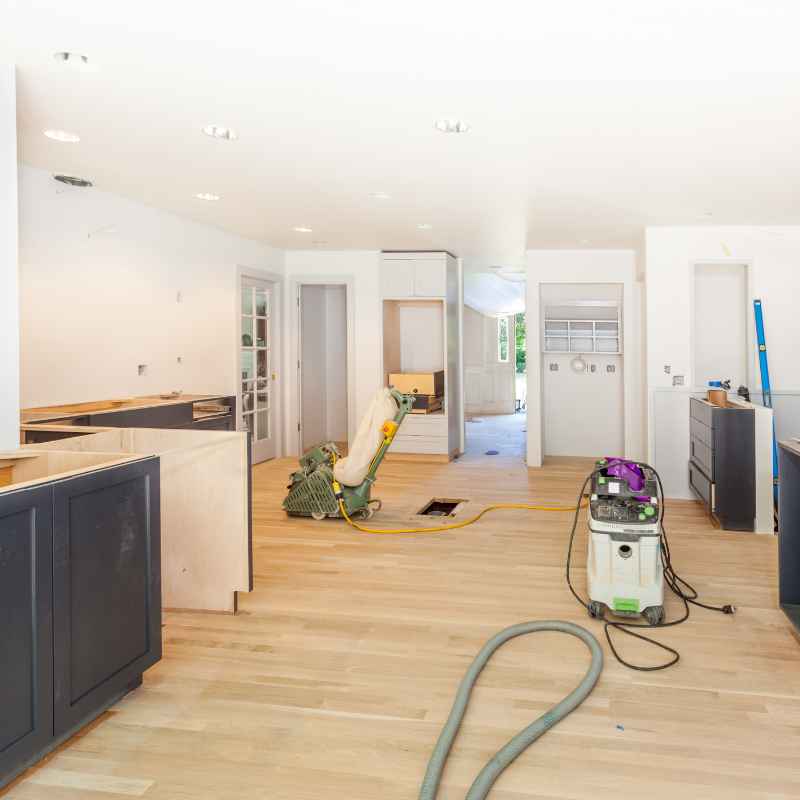
If you determine your floors can be refinished, it’s a multi-step process. It’s not a weekend DIY project for most people. It requires special equipment and a good amount of skill.
First, the old finish is sanded off. This is usually done with a drum sander for the main areas and an edge sander for the borders. This step removes scratches, stains, and imperfections.
The goal is to get down to fresh, bare wood.
Next, a finer grit sandpaper is used to smooth the surface even more. Then, the floor is cleaned thoroughly to remove all dust.
After that, you apply the new stain, if you choose to change the color. Stains soak into the wood, giving it a new hue. You have to apply them evenly.
Finally, several coats of a protective finish are applied. Polyurethane is common. This finish protects the wood and gives it that shine you want.
Each step needs careful attention. Over-sanding is the biggest risk with engineered floors. If the sander goes too deep, it can chew through the wear layer and expose the plywood or HDF core.
This is irreversible damage.
Because of this risk, many professionals recommend a “screen and recoat” for engineered floors instead of a full refinish. Let’s look at that.
Screen and Recoat vs. Full Refinish
These two processes sound similar but are very different in how they treat your floor.
Screen and Recoat
This is a less aggressive method. Instead of sanding off the old finish, a buffer machine with a light abrasive screen is used. This slightly roughens the surface of the existing finish.
It doesn’t remove wood.
Think of it like lightly buffing your nails before applying new polish. It creates a surface for the new finish to adhere to. After the screening, a new coat or two of finish is applied.
This process is great for floors that have a worn finish but no deep scratches or gouges. It refreshes the look and adds protection. It’s much quicker and less dusty than a full refinish.
The main limitation is that it only works on the finish, not the wood itself. If you have scratches that go into the wood, or dents, screening won’t fix them.
Full Refinish
This is the more intensive sanding process we talked about. It removes the top layer of wood and the old finish. It can fix deeper scratches, dents, and stains.
As mentioned, the success of a full refinish on engineered wood hinges entirely on that wear layer. If the wear layer is thick enough, you can refinish it multiple times. If it’s thin, one sanding might be all it can handle, or none at all.
When deciding between the two, consider the condition of your floors and the thickness of your wear layer. A professional can help assess this.
Quick Comparison: Screen & Recoat vs. Refinish
| Feature | Screen & Recoat | Full Refinish |
|---|---|---|
| Process | Light buffing of existing finish | Sanding off top wood layer |
| Fixes | Worn finish, light scuffs | Deep scratches, gouges, stains |
| Wear Layer Impact | Minimal impact on wood | Removes wood material |
| Frequency | Can be done more often | Limited by wear layer thickness |
| Best For | Floors with good wood, worn finish | Floors with significant damage (if wear layer allows) |
Signs Your Floors Might Be Refinishable
Beyond just knowing the wear layer thickness, there are other clues. Look at your floors closely. What kind of damage do you see?
Surface Scratches: If most of the scratches are light and only in the finish, screening might be enough. If they go deeper into the wood, that’s when refinishing becomes a consideration.
Dents: Dents are compressed wood. A full refinish can sometimes smooth these out if the dent isn’t too severe and the wear layer is sufficient.
Discoloration or Stains: Some stains can be sanded out. However, deep stains that have penetrated far into the wood might be impossible to remove completely without going too deep.
Worn Finish: If the finish is dull, cloudy, or peeling in areas, but the wood itself looks okay, a screen and recoat is often the best bet. This is common on high-traffic areas.
Consistency: Are the problems spread out evenly, or are there a few bad spots? If the majority of the floor is in good shape with just a few problem areas, sometimes touch-up work is more practical than a full refinish.
Ultimately, an experienced flooring contractor can take a look and give you a professional opinion based on their examination. They can often tell by looking at the edge of a plank or by carefully sanding a small, inconspicuous area.
When Refinishing is NOT an Option
Let’s be clear about when you should probably avoid refinishing. The most common reason is a wear layer that is too thin.
Very Thin Wear Layer: If you have less than 1 mm (about 40 mils) of hardwood, sanding is almost always out of the question. You risk going through the hardwood layer and hitting the core. This is a disaster.
The floor would be ruined.
Previous Refinishing: If your floors have already been refinished once or twice, the wear layer is thinner than it was originally. Each sanding removes material. You need to know how many times it’s been done before.
If you don’t know, be very cautious.
Damage to the Core: If there are areas where the core layers (plywood or HDF) are damaged, exposed, or warped, sanding won’t fix this. In fact, sanding might make it worse. You’d need to replace those planks, and matching can be tough.
Certain Installation Types: Floors glued down or stapled directly to concrete might be harder to refinish without issues. Sometimes the glue or fasteners can cause problems during sanding. However, this is more about the contractor’s skill than an absolute no-go.
Improper Wood Type: While rare, some engineered floors might use a wear layer of extremely soft wood that is too delicate for typical sanding equipment, even if the thickness seems adequate.
The DIY vs. Professional Dilemma
Many homeowners consider tackling floor refinishing themselves. It seems like a way to save money. However, with engineered hardwood, it’s a much riskier DIY project than with solid hardwood.
The machines used for sanding are heavy and can cause serious damage if not operated correctly. An experienced professional knows how to control the equipment, how much pressure to apply, and what grit sandpaper to use at each stage.
For engineered wood, they also know how to gauge the wear layer and how much they can safely remove. A mistake can be costly, leading to needing new flooring anyway. This is where hiring an expert really pays off.
They have the knowledge and experience to assess your specific floor. They can tell you honestly if refinishing is a good idea or if a screen and recoat is a better path. They also have access to professional-grade finishes that offer better durability.
When NOT to Refinish Your Engineered Floors
- Wear Layer Too Thin: If it’s less than 1mm, skip sanding.
- Core Damaged: Exposed or warped core means no refinishing.
- Previously Refinished Many Times: Check wear layer remaining.
- Deep, Unfixable Dents: Some damage is beyond sanding.
- Manufacturer’s Warning: Always respect the warranty.
What About Different Types of Engineered Wood?
The construction of engineered hardwood can vary. This affects refinishing potential.
Rotary-Cut vs. Sliced-Cut Wear Layers
The way the top hardwood layer is cut matters. Rotary-cut wear layers are peeled from a log like veneer. They are usually thinner and can sometimes be more prone to chipping or delaminating during aggressive sanding.
Sliced-cut wear layers are cut from logs in thin sheets. These are often thicker and more stable, making them better candidates for refinishing. You might see terms like “sawn cut” or “rotary cut” in product descriptions.
Installation Methods
How the floor was installed can also play a small role. Floating floors (where planks click together and aren’t attached to the subfloor) can sometimes have a bit more flex. This might require extra care from the refinisher to prevent damage.
Glued-down floors are more rigid. If the glue is old or failing, it can cause issues. Floors installed with staples or nails are usually more straightforward for sanding.
Acclimation
Engineered wood is designed to acclimate to moisture. However, if it wasn’t installed correctly or hasn’t acclimated well, you might see issues like gapping or cupping. These problems are generally not fixed by sanding.
The main takeaway here is that not all engineered wood is created equal. What works for one type might not work for another.
Real-World Scenarios: When It Worked and When It Didn’t
I’ve seen engineered floors brought back to life, and I’ve seen people learn the hard way. Here are a couple of examples.
Scenario 1: Success Story
My neighbor, Dave, has a house with about 15-year-old engineered oak floors. The wear layer was a solid 4mm. They had gotten dull and picked up a few scuffs from kids and pets.
He hired a reputable local company. They did a screen and recoat. The floor looks fantastic!
It wasn’t a deep refinish, but it restored the shine and protected the wood. He saved a lot of money compared to replacing.
Scenario 2: A Costly Mistake
A friend of mine bought a fixer-upper. The floors looked nice from a distance, but up close, they were scratched. He assumed they were solid hardwood and decided to DIY sand and refinish them.
He rented a big drum sander. He went a little too deep in one area, and you could see the lighter core material underneath the thin oak wear layer. He panicked and tried to fix it, but he just made it worse.
In the end, he had to replace the entire floor in that room.
These stories highlight the importance of knowing your floor and hiring the right people for the job, or at least understanding the risks if you go the DIY route.
Types of Wear Layers & Refinishing
Rotary Cut: Typically thinner. Sanding must be very light. More prone to damage.
Sliced Cut: Often thicker and more stable. Better for refinishing.
Sawn Cut: Similar to sliced cut. Usually offers good thickness.
Pre-finished vs. Site-finished: Refinishing applies to both, but pre-finished floors might have slightly different wear layer specs.
What This Means For Your Floors
So, what’s the bottom line for your own home? It all comes down to assessment and understanding your options.
When it’s Normal to Consider Refinishing (or Recoating)
It’s normal to think about refreshing your engineered floors when they show signs of age. This includes:
- Loss of shine in high-traffic areas.
- Light surface scratches that don’t go into the wood.
- Minor scuffs or dull spots from wear and tear.
- A general tired look that a new finish could fix.
When to Worry and Reconsider Refinishing
You should be cautious or stop considering refinishing if:
- You know or suspect the wear layer is very thin.
- There are deep gouges that have removed significant wood.
- The wood itself is cupping, warping, or damaged.
- The floor has been refinished multiple times already.
- You see evidence of the core layers being exposed.
In these cases, replacement might be the only viable long-term solution. Trying to force a refinish when it’s not suitable will likely lead to more problems and expense.
Simple Checks You Can Do
Before calling professionals, try these simple checks:
- Examine Edges: Look at the edge of a plank, especially near a vent or doorway where a piece might be missing. Can you see the different layers? Try to estimate the thickness of the very top wood layer.
- Feel for Damage: Run your hand over the floor. Can you feel deep grooves or splintering?
- Check Manufacturer Info: If you still have packaging or warranty information, look up the exact product. It should state the wear layer thickness.
If you’re unsure after these checks, it’s time to call in the experts.
Quick Fixes & Tips for Engineered Floors
While a full refinish might not always be an option, there are things you can do to maintain and protect your engineered hardwood floors.
- Clean Regularly: Sweep or vacuum with a soft brush attachment often. This removes grit that can scratch the surface.
- Use Mats: Place mats at entryways to catch dirt and moisture. Use mats in high-traffic areas inside your home, too.
- Protect Furniture: Put felt pads on the legs of all furniture. Lift, don’t drag, furniture when moving it.
- Wipe Spills Quickly: Don’t let liquids sit on the floor. Damp mop with a cleaner specifically made for hardwood floors. Avoid excessive water.
- Control Humidity: Keep indoor humidity levels stable, ideally between 30-50%. Use a humidifier or dehumidifier as needed. This prevents expansion and contraction that can damage the floor.
- Avoid Harsh Cleaners: Never use ammonia-based cleaners, waxes, or abrasive pads. They can damage the finish and the wood.
These maintenance tips can help extend the life of your floors, whether you can refinish them or not. They keep the existing finish looking good and prevent minor damage from becoming major problems.
Frequently Asked Questions About Refinishing Engineered Floors
Can I refinish my laminate floors?
Laminate flooring is different from engineered hardwood. It has a photographic layer covered by a clear protective coating. Laminate cannot be sanded or refinished.
If it’s damaged or worn, it usually needs to be replaced.
How many times can engineered hardwood be refinished?
It depends entirely on the thickness of the wear layer. Floors with a very thick wear layer (5mm+) might be refinished 2-3 times or even more. Floors with a thinner wear layer (3-4mm) might only be refinished once or twice.
Floors with a wear layer under 2mm are usually not refinished at all.
What is the average cost to refinish engineered hardwood floors?
The cost varies based on your location, the size of the area, and the condition of the floors. Generally, refinishing engineered hardwood can cost anywhere from $3 to $7 per square foot. This is often less expensive than installing new flooring, but more expensive than a screen and recoat.
What’s the difference between screening and sanding engineered hardwood?
Screening is a light buffing process that roughens the existing finish for a new coat. It doesn’t remove wood. Sanding, or full refinishing, removes the top layer of wood and the old finish, which requires a thicker wear layer.
Can I fix deep scratches on engineered hardwood without refinishing?
For deep scratches that have gone into the wood, a full refinish is usually needed if the wear layer allows. Minor scratches or gouges might be partially improved with wood repair pens or filler kits, but they won’t look as seamless as a refinished floor.
How do I find out the wear layer thickness of my engineered hardwood?
Check your original purchase documents or the manufacturer’s website for your specific product. If you can’t find it, a professional flooring contractor can often measure or estimate the wear layer thickness for you. Looking at the edge of a plank can sometimes reveal it.
Conclusion
So, can you refinish engineered hardwood floors? The answer is a clear “it depends.” It all comes down to that crucial top wear layer. Understanding its thickness is your first and most important step.
If you have a good amount of hardwood on top, you have options like screening or even a full refinish. If the wear layer is thin, focus on proper maintenance and gentle cleaning to keep your floors looking their best for years to come.
Sponsored / affiliate links. As an Amazon Associate I earn from qualifying purchases. I may earn additional commission from eligible campaigns.