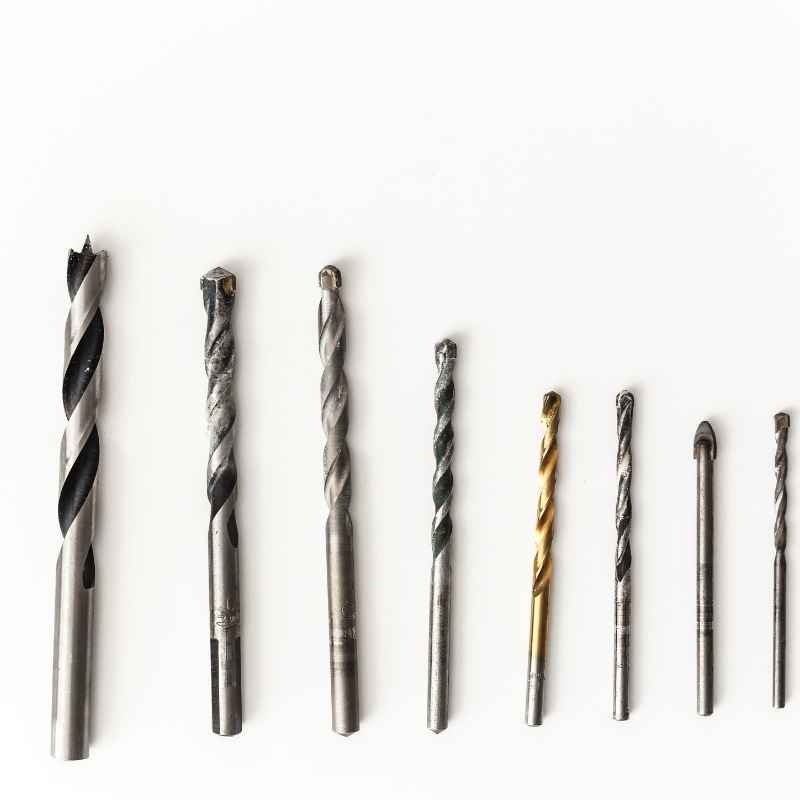
What Size Drill Bit For A 3/8 Concrete Anchor? Find Out
Drilling into concrete can feel like a puzzle sometimes. You’ve got your anchor, you’ve got your drill, but the bit size just isn’t adding up. It’s super common to get a little stuck here.
You want that anchor to hold tight. You don’t want it wiggling loose later. Let’s figure out the exact drill bit size you need.
For a 3/8 inch concrete anchor, you generally need a drill bit that is the same diameter as the anchor’s shaft. This means a 3/8 inch drill bit is typically the correct size for a 3/8 inch concrete anchor. Always check the anchor’s packaging for specific recommendations.
Understanding Drill Bit Sizes for Concrete Anchors
Concrete anchors are amazing for making things strong and stable. But they only work right if you drill the hole just so. The drill bit is the key here.
It makes the hole where the anchor will go.
Think of it like fitting a peg into a hole. If the hole is too big, the peg is loose. If the hole is too small, the peg won’t fit.
Anchors work the same way. The size of the drill bit matters a lot.
Why Size Matters: The Tight Fit
Most concrete anchors, like wedge anchors or sleeve anchors, work by expanding inside the concrete. They need a snug fit to grip properly. If the hole is too large, the anchor won’t have enough material to push against.
This means it won’t hold weight well.
On the flip side, if the hole is too small, you might not be able to get the anchor in at all. Or, you could damage the anchor or the concrete trying to force it. So, getting the drill bit size right is step one for a strong connection.
The general rule is simple: the drill bit should match the anchor diameter. For a 3/8 inch anchor, you’ll usually grab a 3/8 inch drill bit. This creates a hole that’s just the right size for the anchor’s body.
My Own Anchor Agony: A Personal Story
I remember one time, I was building a sturdy shelf unit in my garage. I was using some really beefy concrete anchors to make sure it wouldn’t budge. I had the anchors, I had my trusty hammer drill, but I stared at my drill bit collection.
Was it the 3/8 inch one? Or was it the slightly larger one?
I felt that familiar little pang of doubt. I’d seen anchors fail before, and it wasn’t pretty. The concrete was dusty, the air smelled of minerals.
I really wanted this to be right the first time. I ended up digging out the anchor’s box, almost afraid to trust my gut. There it was, printed in small letters: “Use a 3/8 inch masonry drill bit.” Relief!
It felt so good to know I was on the right track. That small piece of paper saved me a lot of potential frustration and saved my shelf unit.
Anchor Type Spotlight: Sleeve Anchors
Sleeve anchors are super common. You put them in a hole, and then tighten a nut. This pulls a sleeve up inside the concrete.
The sleeve expands. This creates a strong grip. For a 3/8 inch sleeve anchor, you’ll need a 3/8 inch drill bit.
Make sure your drill bit is designed for masonry.
Drill Bit Material Matters for Concrete
You can’t just use any drill bit on concrete. Concrete is hard stuff. It’s like drilling into rock.
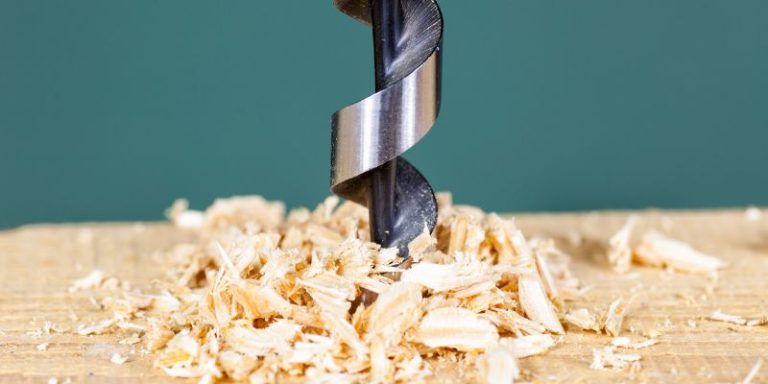
You need a special kind of drill bit. These are called masonry drill bits. They have a tough tip, often made of carbide.
Carbide is super hard. It can chew through concrete without getting dull too fast. Regular metal drill bits would just get ruined.
They’d overheat and break. So, always make sure you have a masonry bit. It should also be the right size.
Masonry Bit Tips: What to Look For
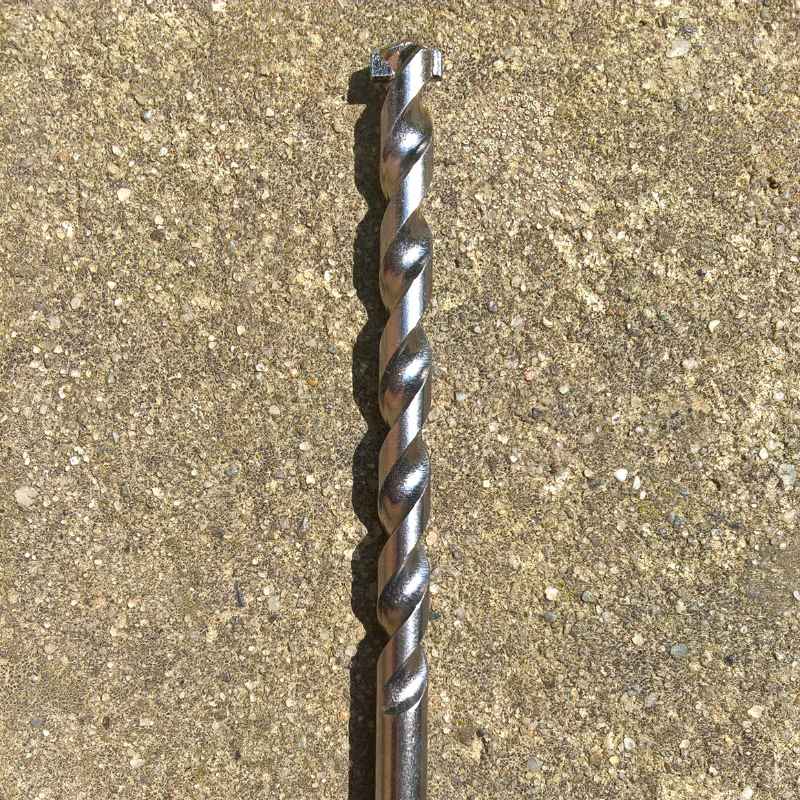
Masonry bits usually have a pointed, spade-like tip. This tip is often a different color. It might be gray or silver.
It’s made to dig into hard materials. The shank, or the part that goes into the drill, is usually round or hex-shaped.
When you’re buying a 3/8 inch masonry drill bit, look for brands known for quality. Names like Bosch, DeWalt, or Milwaukee are usually good. They make bits that last longer and drill cleaner holes.
This means less work for you.
Quick Scan: Anchor Sizes vs. Bit Sizes
| Anchor Diameter | Recommended Drill Bit Size |
|---|---|
| 1/4 inch | 1/4 inch |
| 5/16 inch | 5/16 inch |
| 3/8 inch | 3/8 inch |
| 1/2 inch | 1/2 inch |
Always confirm with anchor manufacturer instructions.
Factors That Can Change the Drill Bit Size
While 3/8 inch is the usual answer for a 3/8 anchor, there are a few things that might make you tweak that. These are less common but good to know.
Anchor Type Differences
Different anchors are built a bit differently. Some anchors have a thicker outer sleeve. Others might have a threaded bolt that sticks out.
The part that actually goes into the concrete hole is what matters most.
For example, some lag shields might need a slightly different size hole than a wedge anchor. Always look at the anchor itself. Check its packaging.
The manufacturer knows best.
Concrete Condition
The condition of your concrete plays a role. Is it old and crumbly? Or is it brand new and super hard?
Very old concrete might be a bit softer. You might need to be more gentle. New, dense concrete might require a sharper bit.
Sometimes, if concrete is old, you might need a slightly larger hole to get a good grip without breaking the concrete apart. But this is rare for common anchors. For a standard 3/8 anchor, stick to 3/8.
Contrast: Standard vs. Oversized Holes
Normal Hole:
Drill bit size = Anchor shaft size. Creates a snug fit. Anchor expands to grip.
Oversized Hole:
Drill bit is larger than anchor shaft. Anchor can spin. Anchor won’t hold weight.
Can damage anchor or concrete trying to force it.
Drill Bit Wear and Tear
Drill bits can wear down over time. A used bit might not cut as precisely as a new one. If your 3/8 inch bit is old and heavily used, it might have worn down slightly.
This could make the hole a tiny bit too small.
Conversely, if you’ve been drilling a lot, a bit could actually wear to be slightly larger. This is less common with good quality bits. It’s always best to use a bit that’s in good shape.
A new or well-maintained bit will give you the best results.
How to Confirm the Right Drill Bit Size
You’ve got your anchor. You’ve got your drill. How do you make absolutely sure you have the right bit?
Check the Anchor Packaging
This is the most important step. Every anchor comes with instructions. They are usually on the box or a small slip inside.
These instructions will tell you the exact drill bit size you need. They might even tell you how deep to drill.
I’ve seen anchor packages with clear diagrams. They show the anchor and the drill bit next to it. It’s usually very straightforward.
Don’t guess. Always look at the box first. It’s the clearest answer.
Read the Anchor’s Specs
If you lost the box, or the printing is too small, you can often find the specs online. Search for the brand and name of the anchor. Most manufacturers have websites with product details.
Look for a PDF spec sheet or installation guide.
These documents are usually very detailed. They will specify the required drill bit diameter and depth for each anchor size. This is a reliable backup if the packaging is missing.
Expert Tip: Measure Twice, Drill Once
Before you start drilling, take a moment. Lay the anchor next to your drill bit. If they look different, stop and re-check.
It’s better to pause now than to fix a wrong hole later. You can even measure the anchor shaft with a ruler or calipers if you’re unsure.
The Drilling Process: Best Practices
So, you have the right 3/8 inch masonry drill bit. You’re ready to drill. Here are some tips to make the job easier and safer.
Safety First!
Always wear safety glasses. Concrete dust can fly everywhere. It’s nasty stuff for your eyes.
Wear sturdy shoes. A drill can slip. Hearing protection is also a good idea.
Hammer drills can be loud.
If you’re drilling into a wall, make sure you know what’s behind it. You don’t want to hit electrical wires or pipes. Use a stud finder that detects live wires and pipes if you’re unsure.
Using Your Drill
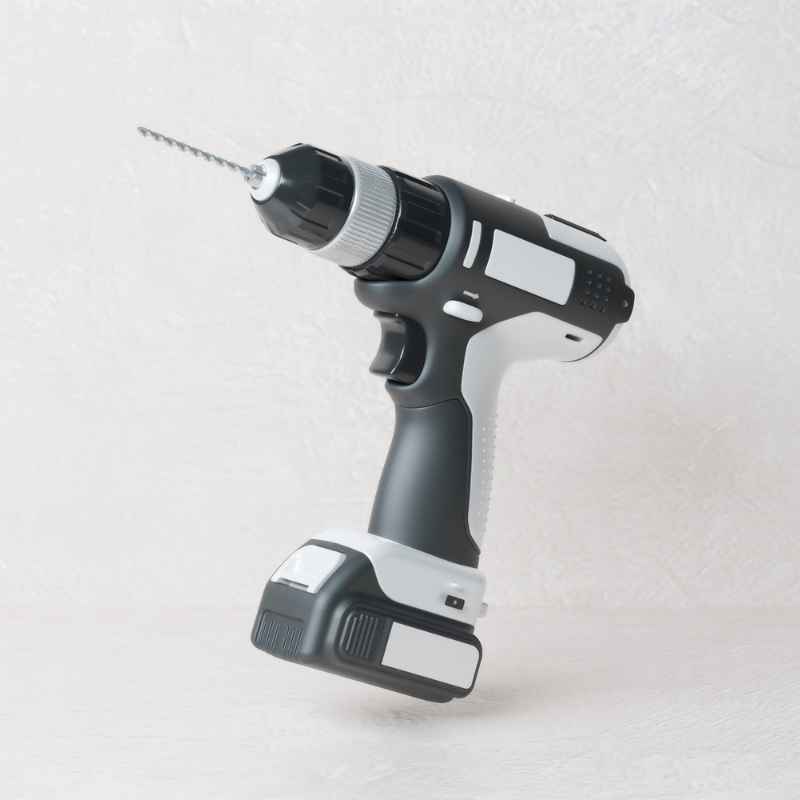
Make sure your drill is set to the correct mode. For concrete, you need the hammer drill setting. This is usually shown by a little hammer icon.
It adds a hammering action to the rotation. This helps break up the concrete.
Start slowly. Hold the drill straight up and down. Press firmly but don’t force it too hard.
Let the drill and bit do the work. If the bit gets hot, pull it out for a moment to let it cool. Clearing out dust can also help.
Observational Flow: Drilling a Hole
- Put on safety glasses.
- Set drill to hammer mode.
- Insert the 3/8 inch masonry bit.
- Mark your drilling spot.
- Start drill slowly.
- Apply steady pressure.
- Let the bit cut.
- Clear dust periodically.
- Drill to the required depth.
Clearing the Hole
As you drill, dust will build up. This dust can stop the bit from cutting effectively. It also makes the hole less clean for the anchor.
Periodically pull the drill bit out of the hole. Do this while the drill is still spinning slowly.
This helps clear out the dust. You can also use a can of compressed air or a shop vacuum to blow or suck the dust out of the hole. A clean hole is crucial for the anchor to set correctly.
When a 3/8 Inch Bit Might NOT Be Enough
Most of the time, a 3/8 inch bit is perfect for a 3/8 inch anchor. But let’s talk about those edge cases. When might you need something different?
Specialty Anchors
Some anchors are designed for specific jobs. For example, there are toggle bolts that need a larger hole for their wings to pass through. There are also some self-drilling anchors that create their own threads.
These might have different hole size requirements.
If you’re using an anchor that looks unusual or has a fancy name, check its instructions very carefully. Don’t assume it’s like a standard wedge or sleeve anchor.
Very Dense Concrete or Difficult Materials
If you’re drilling into something extremely hard, like reinforced concrete with very thick rebar close to the surface, or some types of engineered stone, a standard masonry bit might struggle. You might need a more heavy-duty bit. Sometimes a larger diameter bit might be needed to get through layers, but this is usually specified by the anchor or the material manufacturer.
In these situations, you might also need a more powerful drill. A rotary hammer drill is designed for tough jobs. It has more impact power than a standard hammer drill.
Split Insight: Depth Matters Too
Hole Depth: Your anchor needs to sit at the right depth. Too shallow, and it won’t grip well. Too deep, and it might not have enough concrete to push against.
The anchor packaging will tell you how deep to drill. It’s often about an inch or so longer than the anchor itself.
Pilot Holes (Less Common for Anchors)
Sometimes, for very long bolts or difficult materials, people drill a smaller “pilot hole” first. Then they use a larger bit to make the final hole. This is more common in wood or metalworking.
For standard concrete anchors, it’s usually just one size drill bit.
The goal with anchors is a tight fit. Drilling a pilot hole first might weaken the grip. So, unless the anchor instructions specifically say to do it, stick to the single, correct size bit.
What This Means for Your Project
Knowing the right drill bit size is more than just a detail. It’s the foundation of a strong, safe connection.
When It’s Normal to Use a 3/8 Inch Bit
It’s totally normal to use a 3/8 inch drill bit for a 3/8 inch concrete anchor. This applies to most common anchors: wedge anchors, sleeve anchors, expansion anchors, and lag shields. You’ll find this combination in many home and construction projects.
Think hanging a heavy gate, securing a fence post, or mounting heavy equipment.
When to Be Concerned
You should be concerned if:
- The anchor packaging says to use a different size bit.
- The hole you drilled feels loose for the anchor.
- The anchor won’t fit into the hole you drilled.
- You’re using a specialty anchor not meant for a simple fit.
If any of these happen, stop. Re-read the anchor instructions. Double-check your drill bit size.
It’s always better to be safe and sure.
Simple Checks for a Good Fit
After drilling, before inserting the anchor:
1. Visual Check: Does the hole look clean? Is it the right depth?
2. Anchor Test: Gently try to fit the anchor into the hole. It should go in with a little pressure, but not fall out.
If it’s too tight or too loose, something is wrong.
3. Dust Check: Is the hole clear of dust? Dust can prevent a proper grip.
Use compressed air if needed.
Quick Tips for Anchor Success
Beyond the drill bit size, a few other things help make your anchors super strong.
Use Quality Anchors
Don’t skimp on anchor quality. Cheap anchors might not be made with strong enough metal. Their threads might strip easily.
Go for reputable brands. The cost difference is usually worth the peace of mind.
Drill Deep Enough
This is a big one. The anchor needs enough concrete to grip. If the hole is too shallow, the anchor can pull out.
Always follow the depth recommendation. A little extra depth is usually better than not enough.
Keep It Clean
As mentioned, a clean hole is vital. Dust fills the space the anchor needs to expand into. Make sure you clear it out thoroughly.
A shop vac or compressed air works wonders.
Myth vs. Reality
Myth: Any drill bit will work on concrete if you drill hard enough.
Reality: You MUST use a masonry drill bit. It’s designed for concrete and will prevent damage to your drill and the bit itself. Using the wrong bit can be dangerous and ineffective.
Frequently Asked Questions About Anchor Drill Bits
What is the most common drill bit size for concrete anchors?
The most common drill bit size for concrete anchors is the same as the anchor’s diameter. For a 3/8 inch concrete anchor, this is typically a 3/8 inch masonry drill bit. Always check the anchor’s packaging for the exact recommendation.
Can I use a regular metal drill bit for concrete anchors?
No, you should not use a regular metal drill bit for concrete anchors. Concrete is a very hard material. You need a special masonry drill bit with a carbide tip.
These bits are designed to cut through concrete without breaking or dulling quickly. Regular bits will be damaged.
How deep should I drill for a 3/8 concrete anchor?
The required drilling depth for a 3/8 concrete anchor depends on the specific type of anchor. Generally, you should drill the hole about 1/2 inch to 1 inch deeper than the anchor’s embedment length. Always refer to the anchor manufacturer’s instructions for precise depth requirements.
What if my 3/8 drill bit feels loose in the 3/8 anchor hole?
If your 3/8 drill bit feels loose in the hole you just drilled for a 3/8 anchor, several things could be wrong. Your drill bit might be worn down and slightly smaller than 3/8 inch. Or, the concrete might be softer than usual.
In such cases, you might need to use a slightly smaller bit, or re-evaluate the anchor type. For most situations, a snug fit is needed.
Can I use a regular drill instead of a hammer drill for concrete anchors?
While you can sometimes use a regular drill for smaller concrete anchors and softer concrete, it is not recommended. A hammer drill or rotary hammer drill provides the necessary impact action to break through hard concrete effectively. Using a regular drill will be much slower and may not even be able to drill the hole, especially for larger anchors or denser concrete.
What is the difference between a hammer drill bit and a regular masonry bit?
A hammer drill bit is designed to be used with a hammer drill. It typically has a more robust carbide tip and construction. A regular masonry bit is designed for use with a standard drill but can also be used in a hammer drill’s non-hammering mode.
When using a hammer drill, a dedicated hammer drill bit is ideal for maximum efficiency and durability.
Final Thoughts on Your Anchor Project
Figuring out the right drill bit size for your 3/8 concrete anchor is a straightforward step. It’s usually just matching the sizes. But taking that extra moment to confirm ensures your work is strong and lasts.
Happy anchoring!
Sponsored / affiliate links. As an Amazon Associate I earn from qualifying purchases. I may earn additional commission from eligible campaigns.