Do You Need 2 Cherry Trees To Produce Fruit? Explained
You often need two cherry trees for fruit, but not always. It depends on the type of cherry tree. Some are self-pollinating, meaning one tree can produce fruit on its own.
Others need a second, different cherry tree nearby to help them make fruit. Choosing the right variety is key to a good harvest.
Understanding Cherry Tree Pollination
To get cherries, flowers on a cherry tree need to be pollinated. Pollination is like a tiny matchmaking service for plants. Pollen, a dust from the male part of a flower, needs to get to the female part of a flower.
This usually happens with the help of bees or other insects. They fly from flower to flower, carrying the pollen along.
For many plants, one flower on a tree can pollinate another flower on the SAME tree. This is called self-pollination. These trees are called self-fertile or self-pollinating.
They can make fruit all by themselves. You only need one tree to get a harvest.
However, many fruit trees, including many types of cherry trees, are not self-pollinating. These trees are called self-unfruitful. They need pollen from a DIFFERENT, compatible cherry tree.
This second tree acts as a pollinator. Without this cross-pollination, the flowers will fall off, and no fruit will form.
Sweet Cherries vs. Sour Cherries
The main difference for pollination needs comes down to sweet cherries and sour cherries. Sweet cherries are mostly NOT self-pollinating. They almost always need a partner tree.
Sour cherries, on the other hand, are often self-pollinating. This is a very important distinction for gardeners.
So, when you look at cherry tree descriptions, pay close attention to whether it says “self-pollinating” or if it lists specific pollinator partners. This information tells you everything about whether you need one tree or two.
Cherry Tree Types: A Quick Look
Sweet Cherries: Think Bing, Rainier, Stella, Lapins. These are popular for eating fresh. Most need a pollinator.
Sour Cherries: Think Montmorency, Morello. These are great for pies and baking. Many can pollinate themselves.
My Cherry Tree Adventure: A Tale of Two Trees (and Then One!)
I remember years ago, I really wanted cherries. I bought what I thought was a beautiful cherry tree. It was a lovely young thing, full of promise.
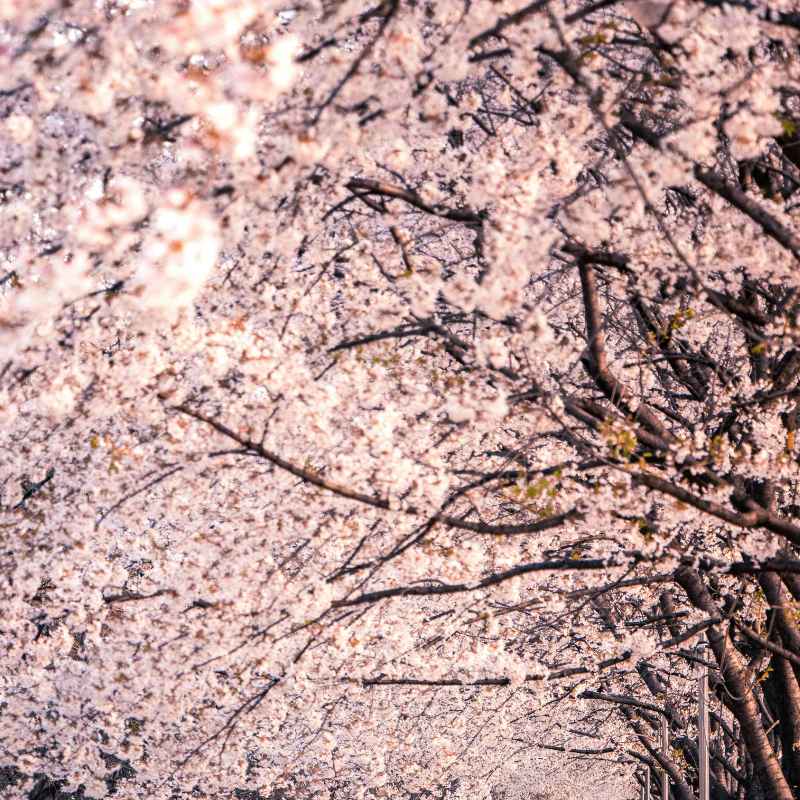
I planted it in a sunny spot and waited. The next spring, it flowered like crazy! It was covered in delicate white blossoms.
I was so excited. I pictured baskets of bright red cherries.
But then, summer came, and… nothing. The flowers fell off. Not a single cherry appeared.
I was so confused and disappointed. I thought maybe my soil was wrong. Or maybe it just needed more sun.
I tried everything I could think of. I fed it, I watered it just right, I even talked to it (don’t judge!). Still no cherries.
I went back to the nursery where I bought it. The nice lady there took one look at my tree’s tag and smiled a little sadly. “Ah,” she said, “this is a Bing cherry.
They’re wonderful, but they need a friend.” She explained about cross-pollination. Bing cherries can’t make fruit by themselves.
That’s when I learned the hard way. I had to go back and buy a second cherry tree. This time, I picked a compatible pollinator.
It took another year or two for both trees to get established. But oh, the next harvest! It was amazing.
This experience taught me so much about choosing the right trees for your garden.
Factors Affecting Cherry Tree Fruiting
Even if you have the right pollination setup, other things can affect your cherry harvest. It’s not just about having two trees. It’s about making sure they are happy and healthy trees.
Climate and Location
Cherry trees need a certain number of “chill hours.” This means they need a period of cold weather during the winter. This cold helps them wake up in the spring and set fruit. Different cherry varieties need different amounts of chill hours.
If you live in a very warm climate, you might need to choose a low-chill variety. If you have very cold winters, most varieties will do fine, but late frosts can still be an issue.
Frost can damage the delicate flowers. If a hard frost hits when the tree is blooming, the flowers can be ruined. This means no fruit that year.
Planting your tree in a spot that is somewhat protected from strong winds and late frosts can help. A spot that gets full sun is also important for good fruit production.
Soil and Water
Cherry trees like well-draining soil. They don’t like to have their feet wet. Soggy soil can lead to root rot, which is very bad for the tree.
If your soil is heavy clay, you might need to amend it with compost or plant on a raised mound to improve drainage.
Consistent watering is also important, especially when the tree is young and when it is setting and growing fruit. However, avoid overwatering. The soil should be moist, but not waterlogged.
Check the soil moisture by sticking your finger a few inches down. If it feels dry, it’s time to water.
Tree Health and Age
A young tree needs time to grow and mature before it can produce a lot of fruit. It might produce a few cherries in its third or fourth year, but a full harvest usually comes when the tree is older, maybe 5-7 years old. Just like people, young trees focus on growing bigger before they focus on producing fruit.
Pests and diseases can also affect fruit production. Healthy trees are less susceptible. Proper pruning, good air circulation, and keeping the area around the tree clean can help prevent problems.
If a tree is struggling with disease or pests, it might not have the energy to produce fruit.
Quick Check for Your Cherry Tree
Sunlight: Does it get at least 6-8 hours of direct sun daily?
Drainage: Does water drain away quickly after rain?
Age: Is it at least 3-4 years old?
Pollination: Do you know if it’s self-pollinating or needs a partner?
When One Tree IS Enough: Self-Pollinating Varieties
Now, let’s talk about the exceptions! Not all cherry trees require a partner. Some are wonderfully independent.
These are the self-pollinating, or self-fertile, varieties. If you have limited space or only want one tree, these are your best friends.
Many sour cherry varieties fall into this category. If you’re looking for cherries for pies, jams, or cooking, a self-pollinating sour cherry tree can give you a good harvest from just one plant. Common examples include Montmorency, which is a very popular choice.
What’s even better is that some sweet cherry varieties have also been developed to be self-pollinating. These are often newer cultivars. Varieties like Stella, Lapins, and Bing-Stark (a sport of Bing) are known to be self-pollinating.
This means you can enjoy fresh sweet cherries from a single tree.
So, the answer to whether you need two trees really hinges on which specific cherry tree variety you choose. Always check the plant tag or description carefully. It’s the most important piece of information you’ll need for a successful cherry harvest.
Self-Pollinating Sweet Cherry Stars
Stella: A popular, reliable self-pollinating sweet cherry that ripens mid-season.
Lapins: Another excellent self-pollinating sweet cherry, known for its large, firm fruit. It was developed in Canada.
Compact Stella: A smaller version of Stella, great for smaller gardens.
Hedelfingen: While often listed as needing a pollinator, some sources say it can be partially self-fertile.
Choosing a Pollinator Partner (If You Need One)
If you discover your chosen cherry tree variety needs a pollinator, don’t despair! Getting the right partner is part of the fun. The key is to choose a compatible variety that blooms at the same time as your main tree.
Compatibility means that the pollen from one tree can successfully pollinate the other. Most sweet cherries will pollinate other sweet cherries. Likewise, sour cherries can often pollinate other sour cherries.
However, a sweet cherry tree will generally not pollinate a sour cherry tree, and vice versa. They belong to different groups.
Timing is crucial. Your pollinator tree needs to be blooming when your main fruiting tree is blooming. If one tree flowers too early or too late, the bees won’t be around to do their work when both are open.
Look for varieties with similar bloom times. Nursery descriptions often list this.
You don’t need a large tree for pollination. Even a younger, smaller tree can serve as a pollinator. The goal is just to have viable pollen available.
Sometimes, even a neighbor’s compatible cherry tree might do the job if it’s close enough!
Pollinator Pairings: What Works?
Bing (needs pollinator) + Rainier (needs pollinator): Both bloom around the same time and are sweet cherries. This is a classic pairing.
Bing + Van: Van is another sweet cherry that often works well as a pollinator for Bing.
Stella (self-pollinating): Can often produce fruit on its own, but having another compatible sweet cherry nearby can sometimes increase yields.
Montmorency (sour, self-pollinating): Usually fine on its own. If you want to plant two sour cherries for a bigger harvest, another sour variety that blooms at the same time is best.
Dwarf and Semi-Dwarf Cherry Trees
Space is often a concern for home gardeners. Luckily, you can find cherry trees in different sizes. Dwarf and semi-dwarf varieties are perfect for smaller yards or even growing in containers.
These trees are grafted onto special rootstock that keeps them smaller.
Dwarf trees typically stay around 8-10 feet tall. Semi-dwarf trees might reach 12-15 feet. This makes them much easier to manage, prune, and harvest from.
You won’t need a ladder for most dwarf varieties.
The good news is that dwarf and semi-dwarf trees still need to follow the same pollination rules. A dwarf Bing tree still needs a pollinator unless it’s a dwarf self-pollinating variety like dwarf Stella or dwarf Lapins. So, if you buy a dwarf tree, check its pollination needs just like you would for a full-sized one.
Even with these smaller trees, if the variety is not self-pollinating, you might still need two. However, since dwarf trees are smaller, fitting two into a garden is much more feasible. You can plant them about 10-15 feet apart.
This gives them enough space to grow and for their branches to mingle slightly, which helps with pollination.
What Happens If You Plant Only One Non-Self-Pollinating Tree?
So, what’s the definite outcome if you ignore the advice and plant just one cherry tree that needs a pollinator? The most likely outcome is… no cherries. You’ll get beautiful flowers in the spring.
You might even see tiny little fruits start to form after the blossoms fade.
But then, these tiny fruits will likely shrivel up and fall off the tree. This happens because the flowers were never properly pollinated. The tree doesn’t get the signal to develop fruit.
It’s like trying to build a house with only one brick. It just won’t stand up.
Your tree will still grow. It will still look like a cherry tree. It will still bloom each spring, giving you that fleeting beauty and hope.
But the actual fruit, the sweet reward you’re looking for, simply won’t materialize. It’s a common mistake for beginners, and it can be a real bummer when you’ve invested time and effort into a tree that doesn’t produce.
If You Only Have One (Non-Self-Pollinating) Tree:
Expectation: Beautiful spring blooms.
Reality: Very few, if any, cherries.
Why: Lack of cross-pollination needed to set fruit.
What to do: Consider adding a compatible pollinator tree or choosing a self-pollinating variety.
Real-World Scenarios: Garden Sizes and Cherry Hopes
Let’s think about different home gardens. What works best for each situation? It’s all about matching your space and your desires to the right cherry tree choice.
The Small Backyard Gardener
If you have a postage-stamp-sized yard, a full-sized cherry tree might not be practical. Even two full-sized trees would be out of the question. In this case, your best bet is a self-pollinating dwarf or columnar cherry variety.
Columnar trees grow very narrow, like a telephone pole, taking up almost no horizontal space. You can get delicious sweet cherries from a single dwarf or columnar tree if you choose a self-fertile type.
The Ambitious Suburban Gardener
Suburban lots often offer more space. Here, you could likely fit two standard or semi-dwarf trees. This opens up more options.
You could choose two different compatible sweet cherry varieties to ensure pollination and have a longer harvest period. Or, if you love pies, a self-pollinating sour cherry is a great choice. If space allows, planting two compatible trees is often the most reliable way to ensure a good crop of sweet cherries.
The Urban Balcony Gardener
Can you grow cherries on a balcony? Yes, with the right approach! You’ll need a dwarf or super-dwarf variety planted in a large container.
Again, self-pollinating varieties are your easiest option. You might even find specific patio cherry trees. Ensure the pot is large enough, the soil drains well, and the plant gets plenty of sun.
You can move containers to follow the sun.
What This Means for Your Cherry Tree Decision
So, to bring it all together, what does this mean for you? It means you need to do a little homework before you buy your tree.
When It’s Normal to Have One Tree
It’s perfectly normal and successful to have just one cherry tree if you choose a self-pollinating variety. This includes most sour cherries and some specific sweet cherry cultivars like Stella or Lapins. These trees are designed to produce fruit on their own.
When You Might Need Two Trees
You will likely need two cherry trees if you choose a non-self-pollinating sweet cherry variety. This is very common. Varieties like Bing, Rainier, and Brooks need a compatible partner tree blooming at the same time to produce fruit.
Ensure your partner tree is of a different cultivar but blooms during the same window.
Simple Checks Before You Buy
Before you hand over your money, look for these things:
- Variety Name: Write it down.
- Pollination Type: Does it say “self-pollinating,” “self-fertile,” or does it list required pollinators?
- Bloom Time: If it needs a pollinator, what is its bloom time (early, mid, late)?
- Size: Is it standard, semi-dwarf, or dwarf?
Armed with this information, you can make a confident choice. You’ll know whether one tree is enough or if you need to plan for a second.
Quick Tips for Cherry Tree Success
Here are some easy tips to help your cherry tree thrive, whether you have one or two.
- Location, Location, Location: Pick a spot with full sun (at least 6-8 hours daily) and good air circulation.
- Soil Matters: Ensure your soil drains well. If it’s heavy clay, add compost or consider raised beds.
- Water Wisely: Water deeply but infrequently. Let the top inch or two of soil dry out between waterings.
- Mulch is Your Friend: Apply a layer of organic mulch around the base of the tree (but not touching the trunk) to help retain moisture and suppress weeds.
- Pruning for Health: Prune in late winter or early spring to remove dead or crossing branches and improve air flow. For most sweet cherries, prune after fruiting to avoid damaging buds.
- Pest Patrol: Keep an eye out for common pests like aphids or cherry fruit flies. Early detection and treatment are key.
- Patience is Key: Remember that it takes time for a cherry tree to mature and produce a full crop.
Frequently Asked Questions About Cherry Tree Fruiting
Do I need to plant two cherry trees if I want to grow them in pots?
Not necessarily. If you choose a self-pollinating variety (like Stella or Lapins), one tree in a pot is enough. If your chosen variety needs a pollinator, you would need two dwarf or container-friendly varieties that bloom at the same time and are compatible.
What is the difference between sweet and sour cherries regarding pollination?
Sweet cherries are often not self-pollinating and typically require a second, compatible cherry tree for cross-pollination to produce fruit. Sour cherries are frequently self-pollinating, meaning one tree can produce fruit on its own.
How far apart should I plant two cherry trees for pollination?
For best results, plant two compatible cherry trees about 15-20 feet apart. This allows enough distance for air circulation and for bees to easily travel between them. Even if they are a bit further, pollination can still occur if they bloom at the same time.
Can a different type of fruit tree pollinate my cherry tree?
No, cherry trees are very specific. They need pollen from another cherry tree of a compatible variety and bloom time. A plum or apple tree will not pollinate a cherry tree.
My neighbor has a cherry tree. Can it pollinate mine?
Possibly! If your neighbor’s cherry tree is a compatible variety and blooms at the same time as yours, it can act as a pollinator. The closer it is, the more likely it is to help.
You would need to know the variety of your neighbor’s tree to be sure.
What are ‘pollinator partners’ for cherry trees?
Pollinator partners are other cherry tree varieties that are compatible and bloom at the same time as your main tree. Their pollen is necessary to fertilize the flowers of your main tree, allowing it to produce fruit if your tree is not self-pollinating.
The Sweet Reward of Knowing
Deciding if you need two cherry trees is all about understanding pollination. It’s not a mystery! By picking the right variety, you can either enjoy fruit from a single, independent tree or confidently choose a compatible pair for a bountiful harvest.
Happy planting and happy cherry picking!
Sponsored / affiliate links. As an Amazon Associate I earn from qualifying purchases. I may earn additional commission from eligible campaigns.
 Fuller Brush Wood Floor Easy Clean Mist with Sprayer – 24 oz Gentle Cleaner with Vinegar for Hardwood & Laminate Floors – Removes Dirt, Dust & Stains – Safe for All Wood Finishes (Bottle with Sprayer)
 Fuller Brush Wood Floor Easy Clean Mist – 24 oz Gentle Cleaner with Vinegar for Hardwood & Laminate Floors – Removes Dirt, Dust & Stains – Safe for All Wood Finishes (Pack of 1)