How To Get Rid Of A Woodchuck Under Your Shed For Good
Woodchucks, also called groundhogs, can dig large burrows that weaken the ground under structures like sheds, leading to instability. Addressing this issue promptly is key to preventing further damage and ensuring safety. Effective removal involves understanding their habits and using humane, deterrent methods.
Prevention is also vital for long-term success.
Understanding the Woodchuck Under Your Shed
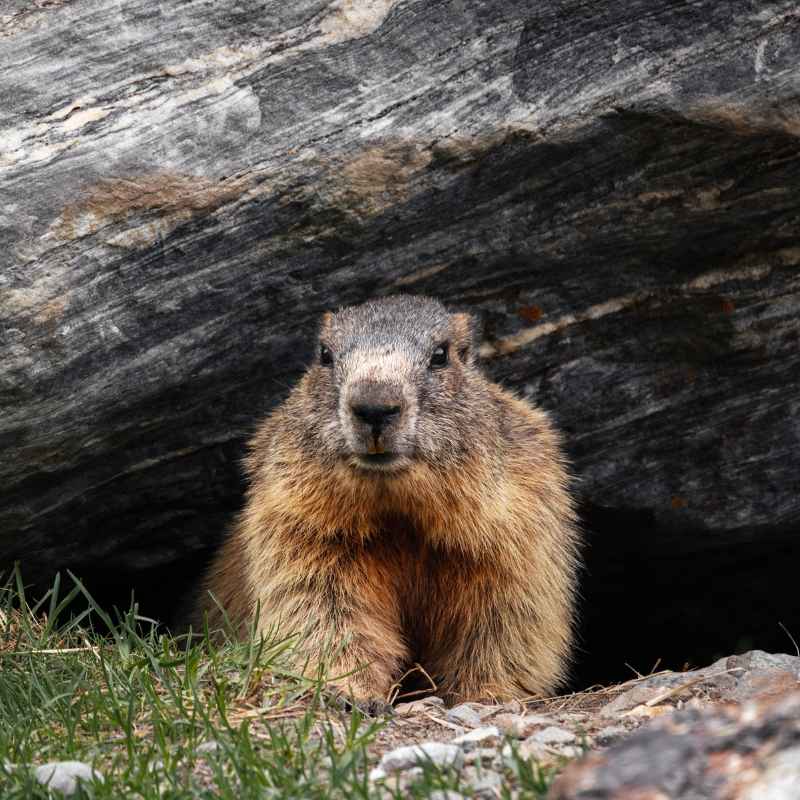
A woodchuck is a fascinating creature. It’s a mammal, part of the marmot family. They are also known as groundhogs.
These animals love to dig. They create extensive tunnel systems. These tunnels are their homes.
They are also places to hide from predators. Woodchucks are herbivores. They eat plants, vegetables, and fruits.
This is why your garden might also be a target.
When a woodchuck decides your shed is the perfect spot for a home, it’s usually for a few good reasons. The ground under a shed is often soft. This makes digging much easier for them.
It also offers protection. The shed roof shields them from rain and sun. The structure itself provides cover from hawks and other dangers.
They feel safe there.
Their burrows can be quite large. A single burrow can have multiple entrances. Some entrances are obvious.
Others might be hidden. These tunnels can run deep. They can weaken the soil around your shed’s foundation.
This is a big problem. It can make your shed unstable. It can also create tripping hazards.
In some cases, it can even damage the shed itself.
Woodchucks are most active in the morning and late afternoon. You might not see them much during the day. They tend to stay in their burrows.
But you will likely hear them. You might hear scratching. Or you might hear them gnawing.
Seeing fresh dirt piles is another big clue. These piles often appear near the shed’s base.
Their presence isn’t just about the burrow. They can chew on things. They might chew on wooden parts of your shed.
They might chew on electrical wires if any are exposed. This is a safety risk. It can also be costly to repair.
Their droppings can also create an unpleasant smell. It’s not just an eyesore; it’s a growing problem.
The key is to identify the issue early. The sooner you act, the easier it will be. Waiting too long means the burrow gets bigger.
The woodchuck might also feel more comfortable. It becomes more established. And that makes it harder to convince them to leave.
So, let’s look at what you can do. We want to get them out humanely and safely.

My Shed, My Sanctuary, and a Surprise Guest
I remember one summer evening. The sun was starting to set. I had just finished a long day of weeding.
My shed is my happy place. It’s where I keep my tools. It’s also where I go to just… breathe for a minute.
I walked towards it, ready to put away my trowel. That’s when I saw it. A fresh mound of dirt.
Right near the back corner.
My heart sank a little. I knew what that often meant. I’d seen it before in my neighbor’s yard.
I cautiously walked closer. Peeking under the edge of the shed, I saw a dark hole. It looked… significant.
Not just a small critter’s hole. This was bigger. I stood there for a moment, a mix of annoyance and a strange sort of awe.
A woodchuck had moved in.
My first thought was, “Oh no.” I pictured my shed’s foundation crumbling. I pictured all my tools being disturbed. I even imagined the woodchuck chewing through the power cord for my little workshop light.
It felt overwhelming. How do you even get a wild animal out from under your shed? It felt like a monumental task.
That night, I couldn’t sleep much. I kept thinking about it. I imagined the woodchuck digging deeper.
I worried about what damage it was doing right then. The idea of it being so close, yet unseen, was unsettling. It was a problem I knew I couldn’t ignore.
I needed to find a way to solve it, and fast.
Woodchuck Burrow Signs
- Fresh Dirt Piles: Look for mounds of loose soil near the shed.
- Large Openings: Holes are typically 10-12 inches wide.
- Multiple Entrances: A single burrow often has several access points.
- Chewed Wood: Gnaw marks on shed edges or foundation.
- Animal Droppings: Pellets found near the burrow entrance.
Why Woodchucks Choose Sheds
Sheds offer a unique set of advantages for a woodchuck. The main draw is shelter. The shed provides a roof.
This protects them from the elements. Rainstorms are less of a problem. Extreme heat is also less bothersome.
They are safe from predators like foxes or coyotes. This makes it a very appealing place to set up home.
The ground beneath a shed is often softer than open fields. This is because it’s less disturbed. There are fewer roots from large trees.
It hasn’t been heavily walked on. This makes digging much easier for the woodchuck. They can create their burrows faster.
They can also make them deeper without much effort.
Shed foundations are also usually at ground level. This means easy access. The woodchuck doesn’t have to dig far down to get under the structure.
This saves them energy. They can then expand their burrow system outwards. They can create multiple chambers for sleeping and storing food.
They might even create separate escape routes.
For a mother woodchuck, a shed can be an ideal maternity den. The warmth and shelter are perfect for raising young. She can feel secure.
She knows her kits will be safe from harm. This is a strong instinct for them. The presence of babies makes the burrow even more established.
Sometimes, the location of the shed plays a role. If it’s near woods or overgrown areas, it’s more attractive. These areas provide food sources.
They also offer natural hiding spots. A shed on the edge of a yard, close to nature, is a prime target.
They are creatures of habit. Once they find a good spot, they will often return. If a previous woodchuck used the burrow, it might be maintained or expanded.
They are not afraid to take advantage of a good setup. And a shed offers a really good setup for them.
Woodchuck Diet Staples
- Grasses and Clover: A primary food source in their diet.
- Garden Vegetables: Beans, peas, carrots, and lettuce are favorites.
- Fruits: Berries, apples, and other fallen fruits.
- Bark and Twigs: Especially in winter months or when other food is scarce.
- Insects: Occasionally, they might consume insects or grubs.
Humane Removal: The First Step
When you discover a woodchuck under your shed, the goal is to encourage it to leave on its own terms. This is often the kindest and most effective approach. It avoids stress for the animal.
It also avoids potential harm to you or the woodchuck.
Start by making the area less inviting. Woodchucks like peace and quiet. They also like darkness.
Loud noises can be a deterrent. You can try placing a radio near the burrow entrance. Tune it to a talk station.
Play it during the day. This constant human presence can make them nervous. They might feel exposed and seek a new home.
Scents can also be effective. Woodchucks have a strong sense of smell. Certain odors are unpleasant to them.
Ammonia is a good choice. Soak rags in ammonia. Place these rags near the burrow openings.
Mothballs are another option, though some people avoid them due to environmental concerns. A more natural option is castor oil. It’s known to be disliked by many burrowing animals.
You can also try light. Woodchucks prefer dark spaces. Placing a bright light near the burrow entrance can disturb them.
A floodlight that stays on at night can work. The constant light can make them uncomfortable. They might look for a darker, more secluded spot.
Physical barriers are also important, but should be considered after removal. You don’t want to trap the animal. You want to make them leave first.
Once they are gone, you can block the entrance. Ensure they have had ample time to exit before you do this.
Be patient. These methods take time. A woodchuck won’t pack its bags and leave overnight.
It might take several days or even a week or two. Consistency is key. Keep the noise, scent, or light going.
Observe the burrow. See if there’s any activity.
One common mistake is to try and seal the entrance immediately. If the woodchuck is inside, it will be trapped. This is inhumane.
It can also lead to the animal trying to dig out aggressively. This might cause more damage. Always give them a clear exit path.
Another thing to remember is nesting season. If it’s spring, there’s a chance of young in the burrow. Forcing the mother out could leave young to die.
Wait until any young are old enough to travel with their mother. This usually means waiting until they are several weeks old.
Quick Deterrent Checklist
- Radio: Play talk radio near burrow.
- Ammonia: Soak rags and place at entrances.
- Castor Oil: Mix with water and spray around opening.
- Bright Light: Use a floodlight at night.
- Repellent Granules: Some commercial options are available.
When to Consider Live Trapping
Sometimes, simple deterrents aren’t enough. The woodchuck might be stubborn. Or the burrow is too well-established.
In these cases, live trapping is an option. This involves using a humane trap. The goal is to catch the animal without harming it.
Choose a live trap that is large enough. A typical size is about 10 inches by 12 inches by 30 inches. These traps usually have a trigger plate at the back.
When the animal steps on it, the door slams shut.
Baiting the trap is important. Woodchucks love fresh vegetables. Slices of apple, carrots, or lettuce work well.
Place the bait deeper in the trap. This encourages the animal to go all the way in. You might also place a small trail of bait leading to the trap.
Place the trap directly in front of the main burrow entrance. Woodchucks often use a main path. Try to position it so they walk right into it.
Check the trap frequently. Ideally, check it every few hours. Do not leave it out overnight without checking.
You don’t want the animal to suffer from heat or thirst. It also increases the chance of predators finding the trapped animal.
Once you catch the woodchuck, you need to know what to do next. Relocation is often the next step. However, check your local laws.
Some areas have specific rules about trapping and relocating wildlife. You may need a permit. You may also have specific guidelines on where you can release the animal.
It’s generally advised to relocate the woodchuck at least 5-10 miles away. This is to prevent it from returning. Choose a suitable habitat.
Look for an area with plenty of vegetation. It should also have natural cover. Avoid releasing it near other homes or busy roads.
Remember to wear gloves when handling the trap. Even a trapped woodchuck can bite. They can also scratch.
The aim is always humane treatment. Handle the trap carefully and keep a safe distance.
If you are not comfortable with live trapping, it is perfectly fine to call a professional. Wildlife removal services have experience. They know how to handle these situations safely and humanely.
It might cost a bit, but it can save you a lot of stress and potential trouble.
Live Trapping Tips
- Trap Size: Choose a large, sturdy trap (e.g., 10x12x30 inches).
- Bait: Use fresh vegetables like apples or carrots.
- Placement: Position trap at the main burrow entrance.
- Frequent Checks: Check the trap every few hours.
- Gloves: Always wear protective gloves when handling the trap.
- Relocation: Check local laws before relocating.
Permanent Solutions: Preventing Return
Getting the woodchuck out is only half the battle. The real win is keeping them away for good. This is where prevention comes in.
It’s about making your shed area less attractive to them.
The most important step is to seal the burrow entrance. Once you are absolutely sure the woodchuck is gone, you need to block any holes. Use sturdy materials.
Fine mesh hardware cloth is a good choice. Bury it at least 12 inches deep. Bend the bottom 6-8 inches outward.
This creates an “L” shape underground. This makes it very hard for them to dig under it.
You can also use concrete or large rocks. Fill the burrow entrance completely. Make sure there are no gaps.
If the burrow is extensive, you might need to fill multiple openings. This makes it impossible for them to re-establish their home.
Next, consider your shed’s overall environment. Woodchucks are attracted to food sources. Keep your yard tidy.
Remove fallen fruit from trees. Don’t leave pet food or garbage accessible. If you have a garden, consider fencing it.
A chicken-wire fence, buried a foot deep and 3 feet high, can deter them.
Trim back overgrown vegetation around your shed. Woodchucks like to hide in tall grass and brush. Keeping the area clear makes it more open.
This makes them feel more exposed. It reduces their sense of security.
You can also try deterrent plants. Some plants are said to repel woodchucks. These include plants like common sage, marigolds, and lilacs.
While not a guaranteed solution, they might add an extra layer of protection.
Regular maintenance of your shed is also key. Check for any new openings or signs of digging. Address small issues before they become big problems.
A small hole can quickly become a full-blown burrow.
Consider the shed’s elevation. If it’s possible, raising your shed on concrete blocks can make it harder for woodchucks to burrow underneath. This also improves ventilation.
It helps prevent moisture buildup.
Finally, be aware of your surroundings. If you live in an area with a large woodchuck population, they may always be a potential threat. Consistent vigilance and proactive prevention are your best tools.
It’s about creating a less hospitable environment for them.
Prevention Steps Summary
Seal Entrances
Use buried hardware cloth or concrete.
Tidy Yard
Remove food sources and trim brush.
Fence Garden
Protect your plants from foraging.
Regular Checks
Inspect shed for new activity.
Real-World Scenarios and What They Mean
Let’s look at a few common situations you might encounter. This helps you know what to expect and how to react.
Scenario 1: The Weekend Gardener
You’re out gardening on a Saturday. You notice a large hole by your shed. You’ve seen woodchucks in the general area before.
You haven’t seen any activity recently, though. This is a good sign.
What this means: The woodchuck might be using your shed as a temporary shelter. Or it might be an older, abandoned burrow. You should still investigate.
Make sure it’s not actively being used. Use your senses. Sniff for strong animal odors.
Look for fresh tracks or droppings. If there’s no fresh activity, you can move to sealing the hole.
Scenario 2: The Shed with a Garden Nearby
Your shed is close to your vegetable garden. You’ve noticed plants disappearing. Then you discover a burrow right under the shed.
The woodchuck is clearly using both your garden and the shed for its needs.
What this means: This woodchuck has found a prime spot. It has access to food and shelter. You’ll need to address both issues.
Deterrents at the shed are crucial. But you must also protect your garden. Fencing the garden is a high priority here.
You might also need to be more aggressive with deterrents around the shed.
Scenario 3: The Winter Visitor
It’s late fall or early winter. You see a new burrow opening under your shed. You haven’t seen much woodchuck activity all summer.
What this means: Woodchucks are preparing for hibernation. They might be creating a winter den. This is a critical time.
They are storing fat. They need undisturbed rest. It’s especially important to not disturb them during this period.
Focus on deterrents and then permanent sealing after they have hibernated.
Scenario 4: The Established Colony
You’ve had woodchucks before. You sealed up old burrows. But now you see new activity.
It seems like they keep coming back.
What this means: This indicates a persistent problem. The area might be ideal for woodchucks. You need a robust, multi-faceted approach.
Focus heavily on permanent prevention. Ensure all previous burrow sites are sealed effectively. Consider landscaping changes that make the area less attractive.
Woodchuck Behavior Patterns
- Active Hours: Dawn and late afternoon.
- Hibernation: Typically from late fall to early spring (November to March).
- Digging: Primarily done in spring and summer for burrow expansion.
- Social Habits: Mostly solitary, except during mating season or when raising young.
When It’s Time to Call the Experts
While many woodchuck problems can be solved with DIY methods, there are times when professional help is necessary. Don’t hesitate to call in the experts if you experience any of these situations.
Safety Concerns: If the woodchuck appears aggressive, injured, or sick, do not approach it. Wild animals can carry diseases. They can also be unpredictable when threatened.
A professional wildlife removal service has the training and equipment to handle these safely.
Extensive Burrow Systems: If the burrow is very large and complex, it might be difficult to fully seal. Professionals can assess the extent of the damage. They can provide solutions that go beyond simply filling a hole.
Legal Restrictions: As mentioned, some areas have strict regulations on wildlife trapping and relocation. A professional service will be aware of and adhere to all local laws. They can handle the necessary permits.
Persistent Problems: If you’ve tried multiple methods and the woodchucks keep returning, it’s time for expert advice. They might identify underlying issues you’ve missed. They can offer more advanced or long-term solutions.
Personal Comfort Level: If you are simply not comfortable dealing with wild animals, that’s perfectly okay. Hiring a professional is a valid choice. It ensures the job is done right and safely, giving you peace of mind.
Look for services that are licensed and insured. Ask about their methods. Ensure they use humane practices.
Read reviews from other customers. A good service will explain their process clearly. They will also offer guarantees on their work.

Frequently Asked Questions About Woodchucks Under Sheds
Are woodchucks dangerous to humans?
Woodchucks are generally not aggressive towards humans. They prefer to avoid contact. However, if cornered or threatened, they can bite or scratch.
Always maintain a safe distance. If you suspect a woodchuck is sick or injured, do not approach it and contact a professional.
How quickly can a woodchuck damage my shed?
The damage can be gradual or quite rapid, depending on the woodchuck’s activity and the shed’s construction. They can weaken the ground beneath the shed, potentially causing instability. They may also chew on wooden structures.
Prompt action is key to minimizing damage.
Can I use poison to get rid of a woodchuck?
Using poison is strongly discouraged. It is inhumane, as it causes a slow and painful death. It can also pose a risk to pets, children, and other non-target wildlife.
Many areas prohibit the use of poisons for pest control.
What time of year is best to remove a woodchuck?
The best time is generally during their active season, from spring through fall. However, be mindful of nesting season in early spring. Avoid removal when young might be present and unable to travel.
Removal is also harder when they are preparing for or are in hibernation.
Will sealing the burrow kill the woodchuck?
If you seal the burrow while the woodchuck is inside, it could die. This is inhumane. Always use deterrents or traps to encourage the animal to leave first.
Ensure there is a clear exit route before you seal any openings permanently.
How do I know if a woodchuck is still in its burrow?
Look for fresh signs of activity. This includes fresh dirt piles, recent gnaw marks on wood, or visible droppings. You might also hear scratching or movement from within the burrow.
If you see fresh tracks leading into and out of the hole, it’s likely still occupied.
Conclusion
Dealing with a woodchuck under your shed can be a real headache. But by understanding their habits and using the right approach, you can reclaim your space. Focus on humane deterrents first.
Then, move to sealing the burrow securely. Prevention is your best friend for keeping them away for good. With patience and persistence, you can ensure your shed remains a safe, woodchuck-free zone.
Sponsored / affiliate links. As an Amazon Associate I earn from qualifying purchases. I may earn additional commission from eligible campaigns.