How To Remove Cat Urine Odor From Hardwood Floors For Good
Tackling cat urine odor on hardwood floors requires understanding the cause and using the right cleaning methods. It involves immediate cleanup, enzyme cleaners to break down the urine molecules, and proper sealing or refinishing if the damage is deep. Consistency is key to eliminating the smell permanently.
Understanding Cat Urine Odor on Hardwood
Cat urine has a distinct smell. This is because it contains uric acid crystals. These crystals don’t dissolve in water. That’s why just mopping often doesn’t remove the smell. When the urine dries, the crystals can reactivate with humidity. This brings the odor back, even when you thought it was gone.
Hardwood floors present a unique challenge. The wood is porous. It can soak up liquids easily. This means the urine can seep into the wood grain. It can even get down into the subfloor beneath. This deep penetration makes odor removal harder. It’s not just about cleaning the surface. You need to reach the source of the smell.
Several things can cause your cat to urinate outside the litter box. Medical issues are a common reason. Urinary tract infections or kidney problems can make it painful to use the box. This leads them to seek other spots. Behavioral problems are also frequent. Stress, anxiety, or changes in the home can trigger this. Sometimes, it’s as simple as a dirty litter box. Cats are very clean animals. They won’t use a box that is not up to their standards.
Why Does the Smell Come Back?
The main culprit is uric acid. Think of it like tiny, stubborn salt crystals. Water washes away the wetness but not the crystals. When the air gets damp, or you spill something, these crystals start to smell again. It’s like rehydrating dried-out markers. The smell just pops back to life. Regular cleaners don’t break down these crystals. That’s why you need special products.
My Own Close Encounter With Cat Urine and Hardwood
I remember this one time, a few years ago, I adopted a shy rescue cat named Luna. She was a sweetheart but had clearly been through a lot. For the first week, she was perfect. Then, one morning, I walked into my living room, and there it was. That awful, acrid smell of cat urine. My heart sank. I have beautiful, light oak floors throughout my main level. I immediately found the wet spot. It was right near the baseboard. I grabbed paper towels and soaked it up as fast as I could. I thought I had it all. I used my usual floor cleaner.
The smell seemed to disappear for a few hours. But then, later that day, when the humidity in the house went up, that awful odor returned. It was fainter, but definitely there. I felt a knot of panic in my stomach. This was going to be a nightmare. I spent the next few days trying everything. I scrubbed with vinegar. I tried baking soda. Nothing seemed to fully eliminate the lingering smell. It was a constant, unwelcome reminder. I was starting to doubt my choice to get Luna, which made me feel terrible. I knew I had to find a real solution, fast.
The Science of Odor Elimination: Enzymes to the Rescue
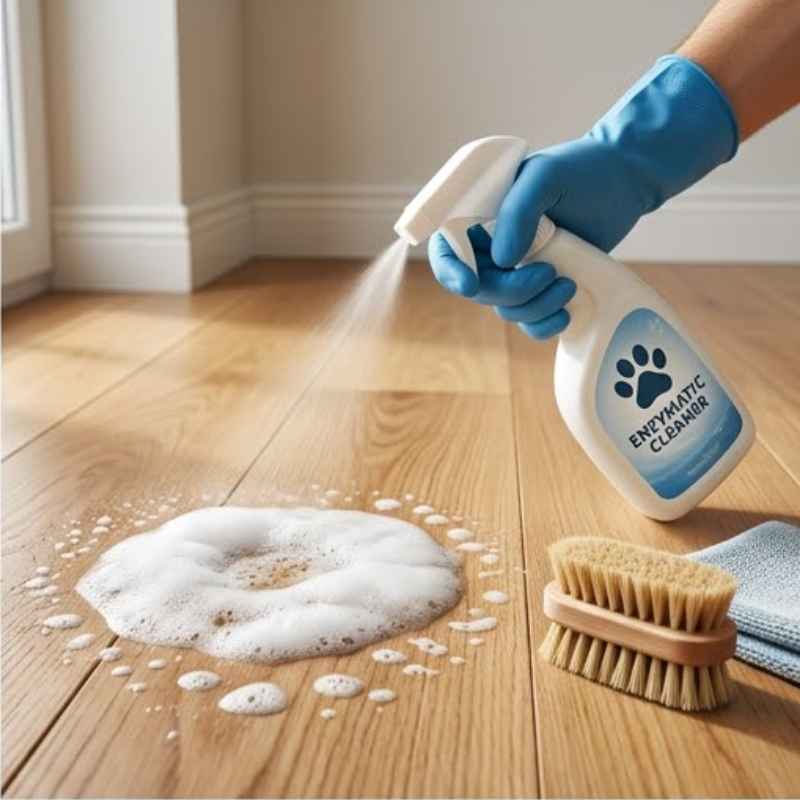
To truly get rid of cat urine smell, you need to break down the odor-causing molecules. This is where enzyme cleaners shine. They contain special biological agents. These agents are like tiny cleaning crews. They eat away at the organic matter in the urine. This includes the uric acid crystals.
When you apply an enzyme cleaner, it goes to work. It targets the proteins and other compounds in the urine. The enzymes essentially digest them. This process transforms the smelly compounds into odorless ones. Think of it like dissolving sugar in water, but on a molecular level. It’s a natural process that effectively neutralizes the source of the stink.
It’s important to use these cleaners correctly. You usually need to saturate the affected area. This ensures the enzymes can reach all the urine residue. Let them sit for the recommended time. Some cleaners work best when left to air dry. Others may need to be blotted up. Always follow the product’s instructions carefully. This is key to their effectiveness.
What Makes Enzyme Cleaners Different?
Most household cleaners just mask odors or clean the surface. They don’t get to the root of the problem. Enzyme cleaners are designed to do just that. They break down the actual smelly stuff. This is a chemical reaction powered by nature. It’s a much more thorough way to clean.
Immediate Action: What to Do Right Away
The moment you discover a fresh urine spot, act fast. Speed is your best friend here. The longer the urine sits, the deeper it penetrates the wood. It also starts to bond with the wood fibers.
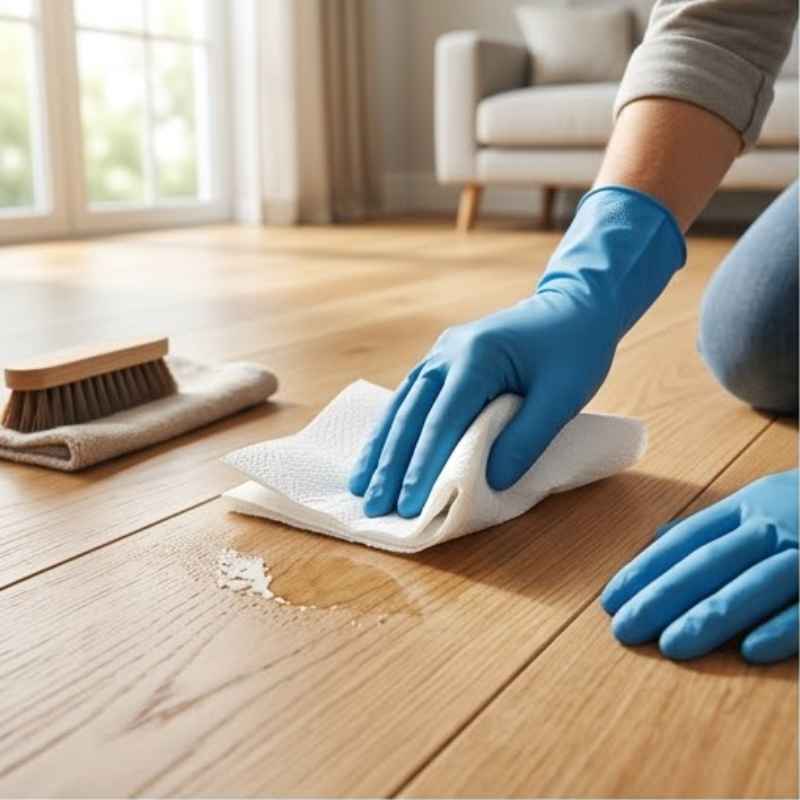
First, grab plenty of absorbent paper towels or a clean, thick cloth. Blot up as much of the liquid as you can. Do not rub. Rubbing can spread the urine. It can also push it deeper into the wood. Press down firmly. You want to absorb the wetness from the surface.
Once you’ve absorbed the visible liquid, you need to clean the area. For fresh accidents, a solution of mild dish soap and water can work. Use a damp cloth. Wipe the area gently. Then, dry it thoroughly with another clean cloth. The goal here is to remove surface residue before it dries completely.
Quick Scan: Fresh vs. Old Spots
- Fresh Spot: Act immediately. Blot, then clean with a mild solution.
- Old Spot: The odor has likely set in. Requires deeper treatment.
Finding Hidden Spots: The UV Blacklight Trick
Sometimes, you can smell urine but can’t find the spot. Cats are sneaky creatures. They might have had accidents in places you wouldn’t expect. This is where a UV blacklight comes in handy. It’s a surprisingly effective tool.
Turn off the lights in the room. Turn on your UV blacklight. Shine it over the hardwood floor. Cat urine stains will often glow under the UV light. They can appear as faint yellow or greenish marks. This helps you pinpoint all the areas that need treatment, even ones you missed before.
Walk slowly and methodically. Scan the entire floor. Pay attention to corners, edges, and under furniture. You might be surprised at what you find. Once you’ve located all the spots, you can then proceed with the proper cleaning methods.
Tips for Using a UV Light
- Darkness is Key: The darker the room, the better the results.
- Scan Broadly: Don’t just check the obvious areas.
- Mark the Spot: Use a piece of painter’s tape to mark glowing spots. This helps you remember where to clean.
Choosing the Right Enzyme Cleaner for Hardwood
Not all enzyme cleaners are created equal. For hardwood floors, you need one that is safe for wood finishes. Some cleaners can be too harsh. They might damage the sealant or the wood itself. Always check the product label. Make sure it specifies that it’s safe for sealed hardwood or finished wood floors.
Look for cleaners specifically designed for pet stains and odors. These are formulated to tackle uric acid. Popular brands often mention their effectiveness against urine. Read reviews from other pet owners. They can offer real-world insights.
When you apply the cleaner, it’s important to use enough product. For dried stains, you might need to apply it liberally. Let it soak in to reach the urine that has seeped into the wood. Some cleaners come with a spray bottle. Others might be a concentrate that you mix with water.
Enzyme Cleaner Application Steps
- Locate the Stain: Use a UV light if needed.
- Saturate the Area: Apply enough cleaner to cover and penetrate the spot.
- Let it Work: Follow product instructions for dwell time (often several hours or overnight).
- Blot or Dry: Remove excess moisture as directed by the product.
- Repeat if Necessary: Stubborn odors may require multiple applications.
Dealing with Set-In Stains and Deep Odors
If the urine has been on the floor for a while, it’s a tougher battle. The urine has had more time to soak into the wood. It might have even reached the subfloor. In these cases, a single application of enzyme cleaner might not be enough.
You may need to repeat the cleaning process several times. Between applications, let the area dry completely. This allows you to assess the odor level. Sometimes, the smell is not fully gone but is much less noticeable. Patience is crucial here.
If the odor persists after multiple enzyme cleaner treatments, the damage might be deeper. The urine may have penetrated the wood’s finish. It could have stained the wood itself. In such situations, you might need to consider more drastic measures.
When Standard Cleaning Isn’t Enough
Old urine stains can be very stubborn. The uric acid binds strongly to wood fibers. It also affects the finish. This is why repeated treatments are often needed. Don’t get discouraged if the smell doesn’t vanish after one try. It takes time and persistence.
When the Wood Finish is Damaged
Cat urine is acidic. It can break down the protective coating on your hardwood floors. This includes polyurethane or wax finishes. If the urine has sat for too long, it can etch the wood itself. This causes discoloration and permanent damage.
If you see dark spots or a dull patch on your floor where the urine was, the finish is likely compromised. You might notice the wood grain looks rough or altered. In these cases, the odor is likely trapped deep within the damaged wood.
If the damage is cosmetic, like a slight discoloration, you might be able to live with it. If the smell persists and the wood is visibly stained or damaged, you will likely need to refinish the affected area. This might involve sanding down the wood. Then, you’ll need to apply a new sealant. This is a more involved process.
Repair Options for Damaged Floors
For minor surface damage, a good quality wood cleaner and polish might help. For deeper etching or staining, you may need to sand and re-seal. If the stain is very dark or has penetrated the subfloor, it might even require replacing a few floorboards. Always test any cleaning or repair product in an inconspicuous area first.
DIY vs. Professional Cleaning: Which is Best?
For most cat urine incidents on hardwood, DIY methods with enzyme cleaners are effective. This is especially true if you catch the accident early. The cost of enzyme cleaners is much lower than hiring professionals.
However, there are times when calling a professional is the smarter choice. If you have a large area affected. Or if the urine has soaked through to the subfloor and caused mold or mildew issues. Professionals have stronger equipment. They also have specialized cleaning agents that can handle extreme cases.
Consider the value of your time and effort. If you’ve tried multiple DIY methods and the smell persists, a professional might save you frustration. They can assess the damage properly. They can recommend the best course of action, whether it’s deep cleaning or refinishing.
When to Call the Pros
- Extensive Soiling: Large areas are affected.
- Subfloor Damage: Urine has reached the foundation.
- Persistent Odor: DIY attempts have failed.
- Valuable Floors: You want to ensure expert care.
Preventing Future Accidents: The Long-Term Solution
The best way to deal with cat urine odor on hardwood is to prevent it from happening in the first place. This means addressing the root cause of your cat’s behavior.
Start by consulting your veterinarian. Rule out any medical issues. This is critical. If your cat is healthy, then consider environmental factors. Is the litter box clean? Is it in a quiet, accessible location? Try different types of litter. Some cats are picky about texture or scent.
Stress is a major trigger. Have there been changes in the household? New pets, new people, or moving furniture can upset a cat. Provide plenty of vertical space. Ensure your cat has toys and interaction. Sometimes, using a Feliway diffuser can help calm anxious cats.
Litter Box Best Practices
- Cleanliness: Scoop daily, change litter weekly.
- Number of Boxes: Rule of thumb is one box per cat, plus one extra.
- Location: Quiet, easily accessible, away from food and water.
- Type: Unscented, clumping litter is often preferred.
What This Means for Your Home and Your Cat
Dealing with cat urine on hardwood is more than just a cleaning chore. It affects the air quality in your home. It can damage your floors, costing you money. Most importantly, it’s a sign your cat is unhappy or unwell. Addressing it is an act of care for your pet.
When you successfully remove the odor, you restore your home’s comfort. You show your cat you are attentive to their needs. You create a healthier environment for everyone. It’s a win-win situation. It requires understanding and the right approach.
It’s normal for cats to have occasional accidents. But persistent urinating outside the box is not normal. It demands investigation. Don’t ignore it. Investigate the cause. Then, apply the proper cleaning methods.
Quick Fixes and Preventative Tips
Here are some quick tips to help you manage and prevent issues:
- Always Blot First: Never rub a fresh accident.
- Use UV Lights: Find hidden spots you might miss.
- Choose Enzyme Cleaners: They break down the odor molecules.
- Saturate Thoroughly: Let the cleaner reach the deep spots.
- Patience is Key: Old stains may need multiple treatments.
- Vet Check is Crucial: Rule out health problems first.
- Litter Box Management: Keep boxes clean and accessible.
- Reduce Stress: Identify and mitigate stressors for your cat.
Frequently Asked Questions
Can vinegar truly remove cat urine odor from hardwood?
Vinegar can help neutralize some odors and clean the surface. However, it does not effectively break down the uric acid crystals that cause persistent smells. While it might offer temporary relief, it’s usually not a permanent solution for cat urine odor on hardwood floors.
How long should I leave an enzyme cleaner on my hardwood floors?
Dwell times vary by product. Most enzyme cleaners require several hours to work. Some recommend leaving them on overnight. Always refer to the specific product’s instructions. Allowing it enough contact time is crucial for the enzymes to break down the urine components.
What if the urine has soaked into the subfloor?
If urine has penetrated the subfloor, it’s a more serious issue. You’ll likely need to remove the hardwood flooring in the affected area. Clean and treat the subfloor thoroughly with enzyme cleaners. You might also need to seal the subfloor before replacing the hardwood. Sometimes, mold can develop, requiring professional remediation.
Can I use bleach on cat urine on hardwood floors?
No, bleach is generally not recommended for cat urine on hardwood floors. Bleach can actually react with ammonia in urine to create toxic fumes. It can also damage the wood finish and discoloration. It doesn’t break down the uric acid effectively and can even set the stain permanently.
What is the best way to test if the odor is gone?
The best test is time and humidity. Clean the area thoroughly. Let it dry completely. Then, wait for a humid day or use a humidifier. If the odor reappears, the cleaning was not complete. You may need to repeat the treatment. Sniffing the area directly after cleaning isn’t always reliable.
Are there any natural enzyme cleaners for cat urine?
Yes, many commercially available enzyme cleaners are derived from natural sources. They use beneficial bacteria and enzymes to break down organic matter. Look for products labeled as “natural” or “eco-friendly.” These often use similar biological processes to effectively remove odors without harsh chemicals.
Conclusion: Restoring Freshness to Your Home
Tackling cat urine odor on hardwood floors can feel like an uphill battle. But with the right knowledge and tools, it is absolutely conquerable. Remember to act fast on fresh accidents. Use a UV light to find hidden spots. Trust in the power of enzyme cleaners to do the heavy lifting. Be patient with set-in stains. And always address the underlying reasons for your cat’s behavior.
By following these steps, you can successfully remove that stubborn odor. You’ll restore the fresh, clean scent to your home. You’ll create a more comfortable environment for both you and your beloved feline companion. Don’t let accidents ruin your beautiful floors.
Sponsored / affiliate links. As an Amazon Associate I earn from qualifying purchases. I may earn additional commission from eligible campaigns.