Range Hood vs Over-the-Range Microwave: Airflow Tradeoffs
Choose a dedicated range hood if you want stronger smoke, steam, and grease capture. Choose an over-the-range microwave if cabinet space matters more than ventilation, since many units move only modest airflow. A weak choice can leave odors behind, coat cabinets with grease, and make a later retrofit harder. This guide compares airflow, cabinet space, and installation tradeoffs so you can pick the setup that fits your kitchen.
| Decision factor | Range hood | Over-the-range microwave | Winner |
|---|---|---|---|
| Airflow and capture | Built entirely around moving air; often has a wider capture area and better front-burner coverage | Moves air with a built-in fan, but the vent opening is smaller and mounting height can limit capture | Range hood |
| Space use | Does not give you a microwave by itself; may require another microwave location | Replaces both a microwave and a separate hood, so it can free countertop and cabinet space | Over-the-range microwave |
| Installation complexity | May need ducting, cabinet changes, electrical work, and backsplash touchups | Often fits a standard 30-inch opening and may be easier to replace in an existing cutout | Over-the-range microwave |
| Noise and comfort | Quality ducted models can run at 1 to 2 sones at low speed | Fan noise varies, but the appliance is rarely judged mainly on quiet operation | Range hood |
| Best fit for heavy cooking | Stronger choice for frying, searing, and gas cooking | Works better for lighter cooking and space-limited kitchens | Range hood |
What each appliance does
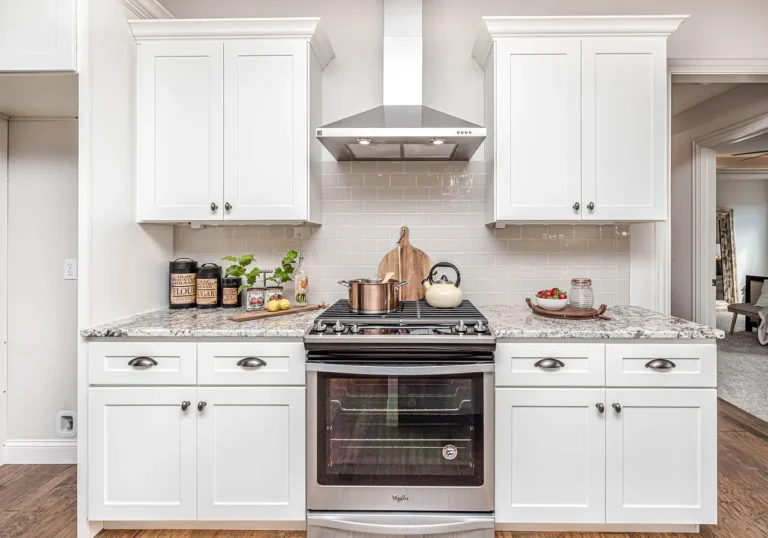
A dedicated range hood is a ventilation-only appliance. It can be ducted or recirculating, but its main job is to pull smoke, steam, grease, heat, and odors away before they spread through the kitchen. An over-the-range microwave combines a microwave oven with a built-in ventilation fan, so it handles two tasks in one opening.
The main tradeoff is direct. A range hood usually gives you better airflow and better capture, while an over-the-range microwave usually gives you more usable storage and counter recovery. That matters most when you cook often, use a gas range, or have limited room for a separate microwave.
How airflow and capture area compare
CFM is the airflow number used to compare ventilation strength. Higher numbers mean more air moved. Most over-the-range microwaves move between 150 and 400 CFM, while residential range hoods can range from 300 CFM to 1,200 CFM or more. That gap is why a dedicated hood usually clears smoke and odors more effectively.
Capture area matters too. A hood that is wide enough and deep enough to cover the front burners can catch plume before it rolls past the front edge of the appliance. An over-the-range microwave sits higher and usually presents a smaller capture zone, so steam and smoke from front burners can escape more easily.
Suppose you fry onions in a 30-inch pan on the front burner while a microwave sits about 15 inches above the cooktop. The fan may still pull some air, but the rising plume can spread before it reaches the intake. A wider hood with better depth is more likely to grab that plume at the source.
CFM and what it tells you
CFM helps you compare equipment, but it does not tell the whole story. A higher number usually means better ventilation, yet duct path, filter restriction, and hood size still matter. For gas ranges, the standard industry figure is 1 CFM per 100 BTU, and a four-burner gas range totaling 40,000 BTU requires at least 400 CFM of effective ventilation.
That benchmark puts many over-the-range microwaves at the low end for serious gas cooking. A ducted hood with a larger fan range is usually the safer fit when your cooktop produces more heat and combustion byproducts.
Why capture area changes front-burner performance
Capture area is the width and depth of the hood relative to the cooktop. If the hood is too shallow or too high, front-burner smoke escapes around the edges. That is one reason a hood can outperform an OTR microwave even when the two appliances claim similar airflow on paper.
Height matters because the plume expands as it rises. Every extra inch between the burners and the intake gives smoke more room to spread. That is especially noticeable with searing pans, boiling pasta, and open skillet cooking on the front burners.
Can an over-the-range microwave vent outside?
Yes, an over-the-range microwave can vent outside if it is set up for ducted venting, but many are sold and installed in recirculating mode. Ducted venting exhausts air outdoors through a wall or ceiling duct. Recirculating venting filters grease and odors and sends the air back into the kitchen.
A ducted OTR is better than a recirculating one, but it still usually starts with a smaller fan and tighter capture geometry than a dedicated hood. That means ducted does not automatically mean equal.
Ducted over-the-range microwaves
A ducted OTR can remove some heat, moisture, and odors outdoors. That helps, especially in apartments or homes where the opening already exists. Still, the appliance remains a microwave first and a ventilator second, so its vent performance is usually limited compared with a dedicated hood.
Recirculating over-the-range microwaves
Recirculating setups use grease and charcoal filters, then return the air to the kitchen. They help with odor, but they do not remove moisture or heat outdoors. In open-plan kitchens, that can mean lingering humidity after boiling or pan frying and more grease film on nearby surfaces over time.
Which is better for a gas range?
A dedicated range hood is usually the better fit for a gas range because gas cooking produces combustion byproducts in addition to smoke, steam, and grease. The standard airflow target is higher for gas, and many over-the-range microwaves do not move enough air to meet that need well, especially in heavy-use kitchens.
If the hood is ductless, the advantage shrinks. If the OTR is ducted but undersized, it still may not clear the plume fast enough. For gas cooking, the safer choice is usually the appliance designed entirely around ventilation.
Picture a 40,000 BTU gas range in a kitchen with an open dining area. A recirculating OTR may reduce smells after cooking, but it will not pull heat and moisture outside. A ducted hood with enough airflow and capture area is more likely to keep the adjacent rooms from filling with cooking byproducts.
Combustion byproducts and higher airflow needs
Gas flames produce byproducts that light electric cooking does not. That raises the bar for ventilation. The practical issue is not only odor, it is the load of heat, moisture, and combustion residue that needs to leave the room instead of hanging around in the air.
When a dedicated hood is the safer fit
Choose the hood when you sear often, simmer for long periods, or cook multiple burners at once. It is also the better fit if you want lower sound at low speed, since a quality ducted hood can operate at 1 to 2 sones on low. That helps in open kitchens where fan noise is hard to ignore.
Space and installation tradeoffs
An over-the-range microwave saves space because it combines two appliances in one opening. A dedicated range hood may free the cooktop area visually, but it often forces a separate microwave location and can trigger cabinet, electrical, backsplash, and storage changes during a swap.
The hidden cost is not only the hardware. It is the layout work around it. Replacing an OTR with a hood can mean losing the upper cabinet that held the microwave, moving the microwave elsewhere, and filling in trim or tile where the old unit sat.
Counter space and cabinet storage
Choosing a hood can recover countertop space if the microwave moves to a pantry, base cabinet drawer, or wall cabinet elsewhere. But you may lose upper cabinet storage at the range wall. Choosing an OTR keeps the microwave above the cooktop and avoids giving up a separate counter appliance footprint.
A common first-timer mistake is counting only the counter space saved by the OTR and ignoring the storage you may need to rebuild if you later switch to a hood. The hood can be the better long-term move, but it is usually the more disruptive one.
Electrical, duct, and backsplash changes
A hood retrofit can require a new electrical plan, a duct route through an exterior wall or ceiling, and patching or replacing backsplash material around the old opening. If you already have duct access and cabinet framing that supports a hood, the change is simpler. If not, the job can become a small remodel.
- Check whether the current vent path exits outdoors or only recirculates.
- Measure the cabinet opening and confirm whether a 30-inch hood or OTR fits the wall width.
- Note where the microwave would go if it leaves the range opening.
- Look for electrical changes, especially if the replacement needs a new outlet or moved circuit.
- Inspect backsplash and cabinet trim for patching work after removal.
Range hood decision table
Use this table as a quick filter. It scores each option by the scenario that matters most, then adds the practical consequence of the choice. The best pick changes with the kitchen, the cooking load, and whether you can vent outside.
| Scenario | Airflow | Space impact | Install complexity | Cleaning burden | Best fit |
|---|---|---|---|---|---|
| Small kitchen | Range hood: stronger; OTR: moderate | Range hood: higher impact; OTR: lower impact | Range hood: higher; OTR: lower | Range hood: lower if ducted; OTR: moderate | Over-the-range microwave |
| Gas range | Range hood: better; OTR: often undersized | Range hood: neutral; OTR: space-saving | Range hood: moderate to high; OTR: moderate | Range hood: lower if ducted; OTR: moderate | Range hood |
| Heavy cooking | Range hood: better; OTR: weaker | Range hood: lower convenience; OTR: highest convenience | Range hood: higher; OTR: lower | Range hood: grease filters still need cleaning; OTR: filters plus microwave cleaning | Range hood |
| Rental or limited duct access | Range hood: depends on vent path; OTR: acceptable in recirculating mode | Range hood: may cost storage; OTR: best use of one opening | Range hood: high; OTR: lower | Range hood: varies; OTR: filter-heavy | Over-the-range microwave |
| Renovation-ready kitchen | Range hood: best; OTR: workable but lower | Range hood: can be planned around; OTR: space-efficient | Range hood: easier to integrate during remodel; OTR: simpler swap | Range hood: lower long-term if ducted; OTR: moderate | Range hood |
Choose Range hood if… / Choose over-the-range microwave if…
Choose Range hood if you cook on gas, fry or sear often, want stronger capture at the front burners, or can vent outdoors. It is also the better choice if you care more about removing heat and moisture than keeping the microwave above the range.
Choose over-the-range microwave if you need to protect counter space, want one appliance to cover two jobs, or have limited duct access. It is the more practical choice for lighter cooking, tight kitchens, and rentals where a full ventilation rebuild is not realistic.
Frequently asked questions
Is a range hood better than an over-the-range microwave for ventilation?
Yes. A range hood is usually better because it is designed entirely around moving air, and dedicated hoods move significantly more air than OTR microwaves. The difference shows up most with smoke, steam, grease, and heat that need to be pulled away from the cooktop quickly.
How much airflow do over-the-range microwaves actually provide?
Most over-the-range microwaves move between 150 and 400 CFM. That is enough for light cooking in some kitchens, but it is often modest next to a dedicated hood. For gas ranges and heavy cooking, that airflow may be below what you need for effective capture.
Can an over-the-range microwave vent outside, or is it always recirculating?
An over-the-range microwave can be ducted to vent outside, so it is not always recirculating. Many models, though, are installed in recirculating mode with grease and charcoal filters. Ducted is better than recirculating, but the microwave still usually trails a true hood in performance.
Which is better for a gas range: a range hood or an OTR microwave?
A range hood is usually better for a gas range because gas cooking adds combustion byproducts on top of normal smoke and steam.
Do I lose too much cabinet space if I choose a range hood instead of an OTR microwave?
You may lose the upper cabinet above the range, and you may need a new spot for the microwave. That said, you can recover counter space elsewhere and gain better ventilation. The real question is whether the storage tradeoff is worth the airflow upgrade.
Is a ducted over-the-range microwave as good as a range hood?
No. Ducting helps, but it does not make an OTR microwave equal to a dedicated hood. The microwave still tends to have a smaller fan and less capture area, so it usually removes less smoke and grease, especially from front burners and high-output cooking.
What’s the main tradeoff between space savings and airflow?
The tradeoff is between keeping one appliance above the range and getting a stronger ventilation system. An OTR microwave saves space and simplifies the layout. A hood gives you better capture and airflow, but it often requires another microwave location and more installation work.
Can an OTR microwave handle frying, searing, or heavy cooking?
It can handle some of it, but it is not the best tool for the job. Frying and searing create more grease, smoke, and heat than a modest fan usually clears well. If that kind of cooking is regular, a dedicated hood is the better match.
Sponsored / affiliate links. As an Amazon Associate I earn from qualifying purchases. I may earn additional commission from eligible campaigns.