Kitchen Cabinets vs Open Shelves: Which Is Right?
Choose upper cabinets if you need hidden storage for everyday dishes, bulk food, or a busy household; choose open shelves if you store only a small set of items you use daily and can keep them dust-free. Poorly planned shelves or cabinets waste wall space, create clutter, and slow cleanup. The table below compares storage, cleaning, cost, and daily use so you can pick the better fit.
| Decision factor | Kitchen cabinets | open shelves | Winner |
|---|---|---|---|
| Storage volume | Enclosed uppers hold more and hide bulk goods, extra glassware, and pantry overflow. | Good for a tighter edit, but exposed storage gives up capacity to keep items visible and reachable. | Kitchen cabinets |
| Cleaning load | Doors block dust and help shield contents from grease. | Needs regular dusting and more wiping near cooking zones because shelves stay exposed. | Kitchen cabinets |
| Cost | Usually costs more because it uses more material and labor, though stock upper cabinets can fit a compact small-kitchen budget range. | Usually costs less because it needs fewer materials and simpler installation. | open shelves |
| Visual openness | Can feel heavier in small rooms, especially with full runs of wall cabinets. | Opens wall space and can make a small kitchen feel larger when shelves stay lightly loaded. | open shelves |
| Resale fit | More universally appealing because buyers often prefer concealed storage and a cleaner default look. | More trend-sensitive, so appeal depends more on the buyer and the rest of the kitchen. | Kitchen cabinets |
What changes the choice in real kitchens?
The real trade-off is hidden capacity versus visual openness. Upper kitchen cabinets give you enclosed storage that hides clutter and protects contents; open shelves make the wall feel lighter and keep daily items close at hand. That difference matters more than style when you cook, clean, and put groceries away.
This guide is for homeowners planning a remodel, a refresh, or a renter-friendly update. The best pick depends on how much you store, how often you cook, how much cleaning you are willing to accept, and whether resale matters later.
Start with your layout and routine, then decide how much open storage your kitchen can support. A room that looks balanced in a photo can still fail if you have nowhere to hide cookware, appliances, or bulk food.
Kitchen storage matrix
| Kitchen scenario | Storage | Cleaning | Cost | Visual openness | Resale fit | Recommendation |
|---|---|---|---|---|---|---|
| Small galley | Kitchen cabinets | open shelves | open shelves | open shelves | Kitchen cabinets | Hybrid |
| Family kitchen | Kitchen cabinets | Kitchen cabinets | Kitchen cabinets | open shelves | Kitchen cabinets | Kitchen cabinets |
| Frequent cook | Kitchen cabinets | Kitchen cabinets | open shelves | open shelves | Kitchen cabinets | Kitchen cabinets |
| Low-cook household | tie | open shelves | open shelves | open shelves | tie | open shelves |
| Resale-first remodel | Kitchen cabinets | Kitchen cabinets | tie | open shelves | Kitchen cabinets | Kitchen cabinets |
| Renter-friendly refresh | tie | open shelves | open shelves | open shelves | tie | open shelves |
| Clutter-prone household | Kitchen cabinets | Kitchen cabinets | tie | open shelves | Kitchen cabinets | Kitchen cabinets |
| Display-focused kitchen | tie | open shelves | open shelves | open shelves | tie | open shelves |
Small galley
Open shelves can make a small kitchen feel larger, but a galley also needs efficient storage and easy access without visual overload. The best fit is usually a hybrid, with a few open shelves over a short run and enclosed storage elsewhere.
That keeps the room from feeling boxed in while preserving enough wall space for dishes, pantry items, and small appliances. Floating shelves work well here because they can be cut to fit on-site and can run above worktop height.
Family kitchen
Kitchen cabinets win for a family kitchen because they store more and hide the daily mess that comes with school cups, snack bins, and mixed cookware. Upper cabinets also protect items from dust and grease, which matters when the kitchen stays busy.
Open shelves can still work for a few everyday mugs or bowls, but they should not carry the whole load in a household that needs fast reset time.
Frequent cook
If you cook often, kitchen cabinets are the safer choice. Heavy cooking can throw more grease into the air, so open shelves near the range or sink often need more wiping and more careful staging than many households are comfortable maintaining.
Shelves can still serve a dry prep zone for salt, oil, or the few plates you use daily. The rest belongs behind doors.
Low-cook household
Open shelves are a strong fit when you use only a limited set of dishes and cookware. With fewer items to store, the lower capacity is less of a problem, and the easier access can be a plus.
This is the type of kitchen where visible storage can work without turning clutter into a permanent problem, as long as the shelf load stays disciplined.
Resale-first remodel
Kitchen cabinets win for resale because enclosed storage is the safer buyer default. Many buyers prefer a kitchen that hides clutter and feels ready for broad use, not one that depends on someone else sharing the same display habits.
Open shelves can still appear in a limited, planned way, but a resale-first remodel should not replace most upper storage with exposed shelving.
Renter-friendly refresh
Open shelves often fit a renter-friendly refresh because they can be added with lighter intervention and less expense. They also help reduce visual bulk without changing the full cabinet run.
If the space already has limited storage, keep the shelf run short and pair it with existing cabinets rather than removing enclosed storage.
Clutter-prone household
Kitchen cabinets are the clear choice if clutter tends to spread. Doors hide mismatched containers, backup mugs, and the small items that quickly make open shelving look chaotic.
Open shelves demand more organization discipline than many homes can sustain. Once the shelf line fills up, the room can look busy instead of open.
Display-focused kitchen
Open shelves are best when you want to display a narrow, deliberate set of dishes, glassware, or serving pieces. They work well when the items are used often enough that they stay clean and rotated.
That same setup fails quickly if the shelves become a catchall. Display only works when the shelf contents stay edited.
Do open shelves make a small kitchen look bigger?
Yes. Open shelving in a small kitchen creates visual space and makes the room feel larger because more wall area stays visible above the worktop. That effect is strongest when the shelves stay lightly loaded and the rest of the room does not compete for attention.
The benefit drops fast when shelves are crowded with mixed containers, large appliances, or mismatched storage bins. Poor lighting also weakens the effect because the room still feels compressed even if the wall is technically open.
Wall cabinets can still be the better choice in a compact kitchen when storage matters more than openness. A narrow galley with limited counter space often needs vertical storage more than it needs an airy look.
Are open shelves harder to keep clean?
Yes. Open shelving is exposed to dust and kitchen grease, so it needs regular cleaning to avoid grime buildup. The cleaning burden rises near ranges, hoods, and splatter-prone prep zones, where airborne residue settles faster.
Dusting frequency depends on cooking style and shelf location, but exposed storage always asks for more upkeep than enclosed upper cabinets. It also requires more tidiness, because every item stays visible.
Families, heavy cooks, and clutter-prone households are most likely to struggle with open shelves. If the kitchen is used all day, a shelf that starts neat can drift out of order quickly.
Which option gives you more storage and less clutter?
Kitchen cabinets do both jobs better. Cabinets provide ample storage space for pots, pans, appliances, and pantry goods, and they keep kitchen essentials hidden behind doors. That hidden capacity matters when you need to stack, store, or rotate items that are not display-worthy.
Open shelving loses usable capacity the moment you remove upper cabinets. You also lose the ability to conceal bulky appliances, extra glassware, or less attractive pantry items, so the room can feel busier even if the wall looks lighter.
Suppose a 10-foot wall once held four upper cabinets and then switches to two short shelf runs. The room may feel more open, but the storage is now limited to a curated set of items instead of a full overhead bank.
Kitchen layout and placement rules
Open shelves work best above worktop height in dry zones, short wall runs, and display areas that are not exposed to heavy splashing. They are also useful where you want quick access to plates, glasses, or cooking basics.
Keep them away from high-grease cooking zones and splash-heavy spots near the sink unless you are willing to wipe them often. Floating shelves are a common open-shelf style because they use concealed supports, while bracketed shelves are easier to spot visually. Wall cabinets still make sense when you need maximum overhead storage in a small footprint.
Hybrid kitchen storage is often the practical answer. Upper open shelving plus lower cabinets, or glass-front cabinet alternatives, can balance display and concealment without giving up all of your storage.
Picture a narrow kitchen with one wall above the counter and a range at the far end. A short shelf over the prep section can hold dishes, while closed wall cabinets sit near the cooking zone to shield items from grease.
Choose Kitchen cabinets if… / Choose open shelves if…
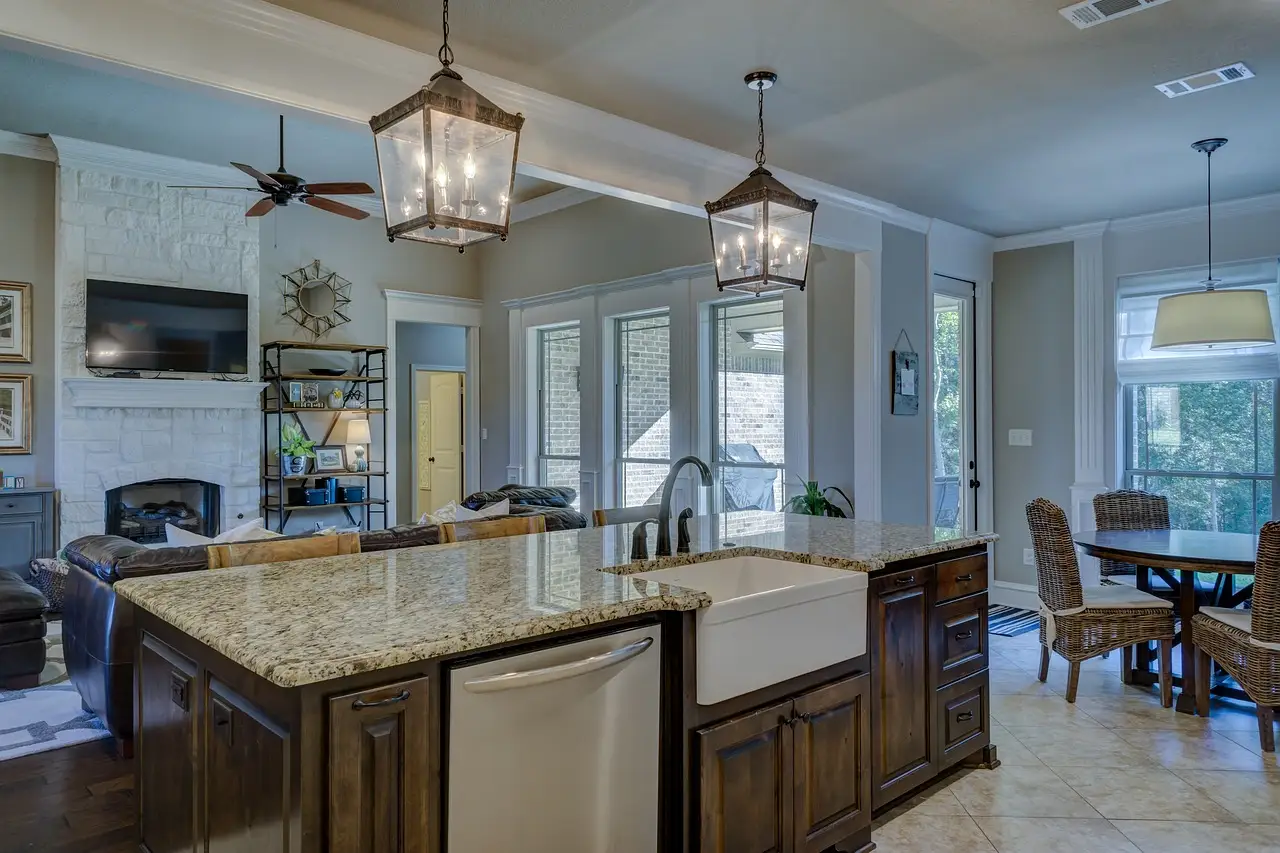
Choose Kitchen cabinets if you need maximum storage, want hidden clutter, cook often, or care most about resale fit. They are also the better pick for families, clutter-prone homes, and kitchens that need to store pots, pans, and pantry goods out of sight.
Choose open shelves if you keep a small set of daily items, want easier access, and can maintain a tidy shelf line. They suit low-cook households, display-focused kitchens, and smaller rooms where visual openness matters more than full overhead storage.
Choose a hybrid if you want the best compromise. That is the right call when you need concealed bulk storage but still want a few open shelves for the items you reach for every day.


Frequently asked questions
Are open shelves better than kitchen cabinets?
Open shelves are better only when your storage needs are light and your display discipline is strong. Kitchen cabinets are the safer choice for most households because they hide clutter, store more, and protect items from dust and grease. The better option is the one that matches how you actually use the kitchen.
How much storage do you lose with open shelving?
You lose the enclosed capacity of the upper cabinets you remove, plus the ability to hide bulky or mismatched items. The exact amount depends on cabinet count and shelf length, but the practical loss is easy to feel in daily use. You will usually need to edit what stays on display.
Which is cheaper: open shelves or cabinets?
Open shelves are almost always cheaper to install than full upper cabinets because they use fewer materials and simpler installation. That said, stock upper cabinets can still fit a compact small-kitchen budget range. Price alone should not decide the layout if storage or resale matters more.
Are open shelves harder to keep clean than cabinets?
Yes. Open shelving naturally collects more dust because it is not enclosed, and it also catches grease near cooking zones. Cabinets need less frequent wiping because the doors protect the contents. If you want lower maintenance, closed storage is the easier choice.
Should I mix open shelves and cabinets in my kitchen?
Yes, in many kitchens a mix is the most practical answer. Open shelves work well for everyday items and display, while cabinets handle bulk storage, overflow, and less attractive essentials. This setup is especially useful in tight spaces where you want openness without giving up all concealed storage.
Sponsored / affiliate links. As an Amazon Associate I earn from qualifying purchases. I may earn additional commission from eligible campaigns.