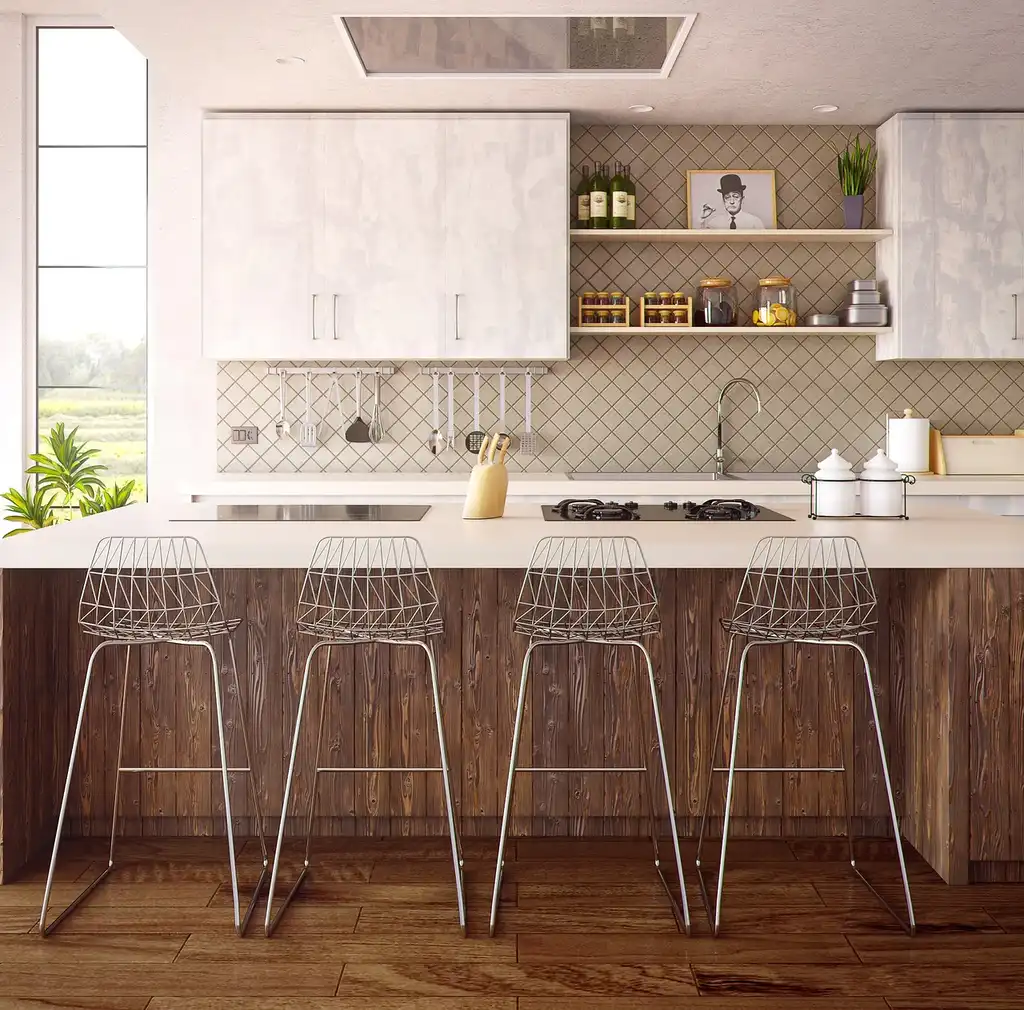
How much do kitchen cabinets cost? A quote checklist
As a rough rule of thumb, cabinet pricing can land in a broad range of roughly low hundreds to several hundred dollars per linear foot, depending on cabinet type, box construction, door finish, and install scope. Bad sizing, delivery, and finish upgrades can push a quote thousands higher after you sign. This guide shows how to estimate cabinet cost from kitchen size and compare quotes for hidden add-ons, layout changes, and upgrade tradeoffs.
How much do kitchen cabinets cost on average?
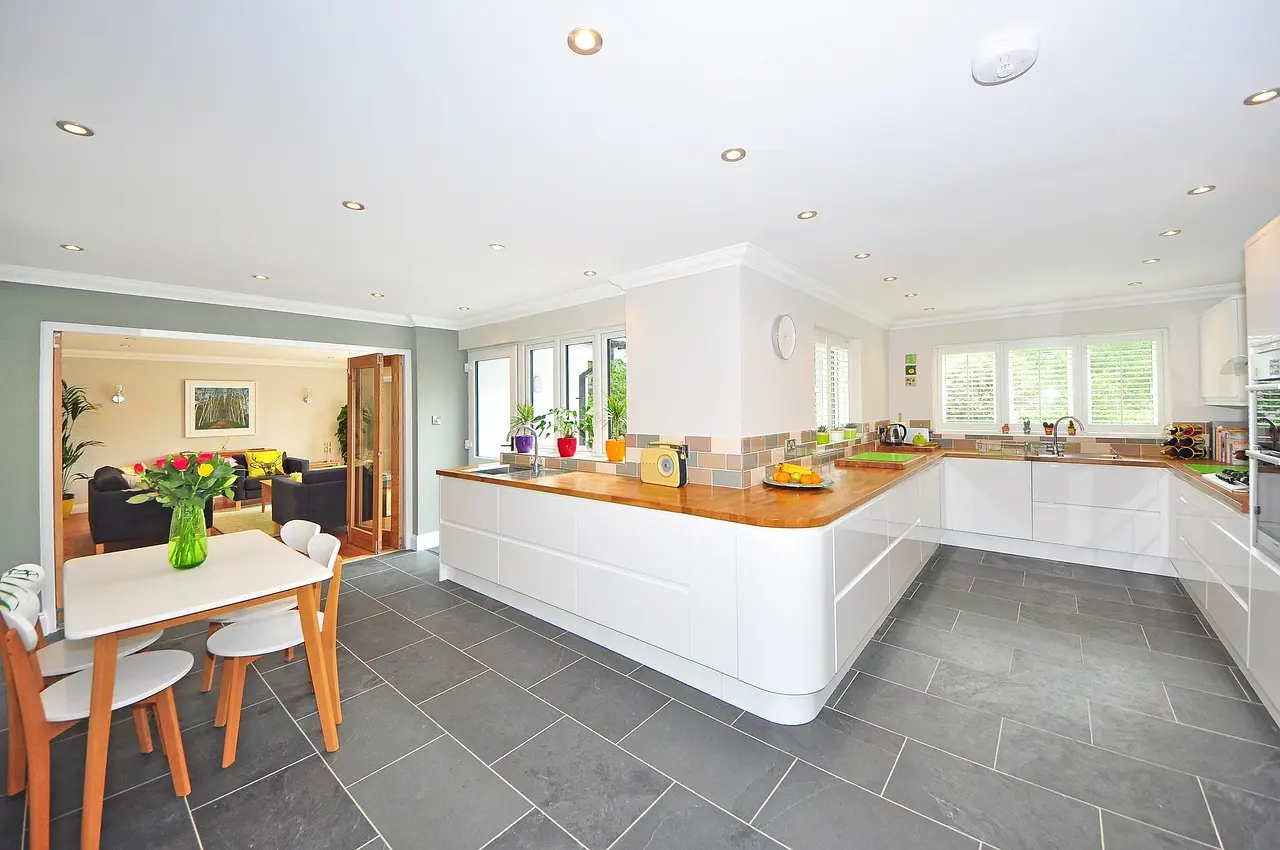
Cabinet-only pricing often starts around $2,000 and can reach $24,000, with a midpoint estimate of $13,000 for many projects. Installed totals run higher because labor adds material handling, prep, installation, and cleanup. Cabinets also often take 20% to 30% of a kitchen remodel budget, depending on scope.
Cabinet-only versus installed pricing
Keep cabinet boxes separate from installation when you compare bids. The cabinet line may look reasonable until labor, removal, trim, hardware, and delivery appear later. A quote that bundles everything is easier to judge, as long as every line item is itemized.
Why the range is so wide
Cabinet pricing changes with room size, box construction, finish level, and whether the order is stock, semi-custom, or custom. One flat number rarely fits a real kitchen. A small galley with simple runs can stay near the low end; a large U-shaped layout with tall pantry cabinets and finish upgrades moves quickly upward.
Where cabinets fit in a remodel budget
If the overall kitchen remodel budget is fixed, cabinets usually absorb a large share before countertops, plumbing, and flooring are even priced. A $10,000 minor spruce-up remodel example leaves less room for premium cabinets, so the buyer often needs to choose between nicer doors or broader scope.
📊 The estimated average project cost is $13,000. Source: How Much Will Those Swanky New Kitchen Cabinets Cost?.
How cabinet pricing works by linear foot
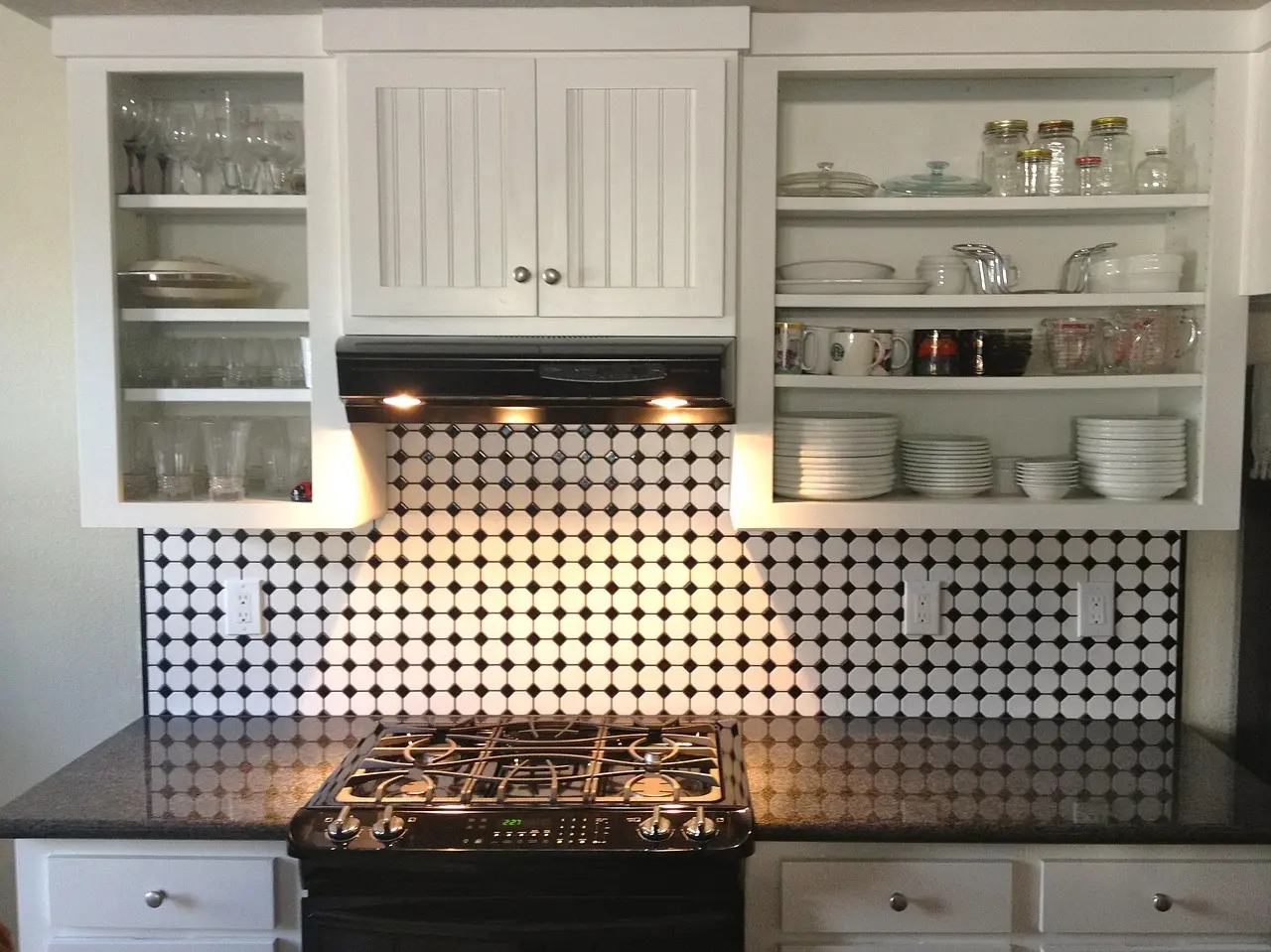
Kitchen cabinets are measured and priced by the linear foot. Retail estimates often use a 10×10 kitchen benchmark, and a 10×10 kitchen is described as about 20 linear square feet of cabinets. That benchmark helps compare bids, but it does not replace a real layout measurement.
How to use the 10×10 kitchen benchmark
Many quote sheets translate your wall space into linear feet, then multiply by a price per foot. That makes it easier to compare one supplier’s quote against another. It also prevents confusion when one bid includes more upper cabinets or extra pantry runs than another.
A simple formula for estimating total cost
Use this worksheet formula:
- Total cabinet estimate = linear feet × cabinet price per linear foot + installation + add-ons + contingency
- Cabinet-only estimate = linear feet × cabinet price per linear foot
- Installed estimate = cabinet-only estimate + installation + add-ons
If you want a middle-of-the-road planning number, the page uses $650 per linear foot as a midpoint. That does not mean every kitchen should be priced there. It is a planning anchor for midrange cabinets before the final quote is broken into parts.
| Kitchen size or quote basis | What it means | Planning use |
|---|---|---|
| Linear foot pricing | Cabinets priced by the linear foot | Best for comparing bids |
| 10×10 kitchen | Common pricing benchmark | Useful comparison standard |
| About 20 linear square feet | Approximate cabinet wall coverage for the benchmark kitchen | Helps convert benchmarks into size-based estimates |
| $100 to $1,200 per linear foot | Nationwide cabinet cost range cited | Broad planning range only |
How much do kitchen cabinets cost for a small kitchen?
A small kitchen can cost less overall, but it does not always price out cheaply per foot. Short runs still need end panels, fillers, and trim, and those add-ons can take a bigger share of the bill. Stock cabinets often fit small layouts well when the goal is a durable budget with fewer custom sizes.
What changes in a small layout
Small kitchens have fewer linear feet, so the total order may look manageable. The catch is fixed costs. Delivery, removal, and installation do not shrink in the same proportion as cabinet count, which is why a small kitchen can still produce a surprisingly high installed quote.
Where small kitchens still pick up extra charges
Say your kitchen has two short walls and one appliance run. If the cabinet boxes are compact but the installer needs fillers to bridge wall gaps, the quote rises even though the room is small. Narrow layouts also need careful planning around sink bases, corner cabinets, and toe kicks.
Cabinet materials and build level: what changes the price?
Natural wood, wood veneer, and laminate price differently because the face material, finish process, and cabinet construction are not the same. Stock, semi-custom, and custom tiers also change the final number. More size options, more finish options, and more exact fit usually mean more cost.
Material tiers
- Natural wood often costs more than basic finishes because the material and finishing steps are more involved.
- Wood veneer can lower the price compared with solid wood while still giving a wood look on visible surfaces.
- Laminate is often used in lower-cost or utility-focused projects.
Stock, semi-custom, and custom cabinets
Stock cabinets usually have the tightest size and style limits, which helps keep costs down. Semi-custom cabinets allow more size choices and finish options. Custom cabinets are built to order and usually cost more because they are made around the exact layout, materials, and detailing.
Door styles that change price
Shaker, glass-front, and beadboard doors can all affect the quote. Simple Shaker fronts often price differently from glass-front doors, which need extra materials and assembly detail. Beadboard also changes the build and finish process, so style is not only a design choice; it is a budget choice.
How much does cabinet installation cost?
Cabinet installation labor is roughly $50 to $250 per linear foot, and the total varies by market and contractor. Labor can include supplies, preparation, installation, and clean-up. If the old cabinets must be removed first, the labor number can climb again.
What installation usually includes
- Removal of existing cabinets, if quoted
- Prep for walls, floors, and layout
- Setting and leveling cabinet boxes
- Securing cabinets and checking alignment
- Installing fillers, trim, and related finish pieces
- Basic clean-up and haul-away, if included
Why labor can vary so much
Installation is not only about hanging boxes. Uneven walls, out-of-square corners, plumbing conflicts, and awkward appliance openings all slow the job. Two bids can use the same cabinets and still differ by a large amount because the labor scope is not identical.
What quote add-ons should you check line by line?
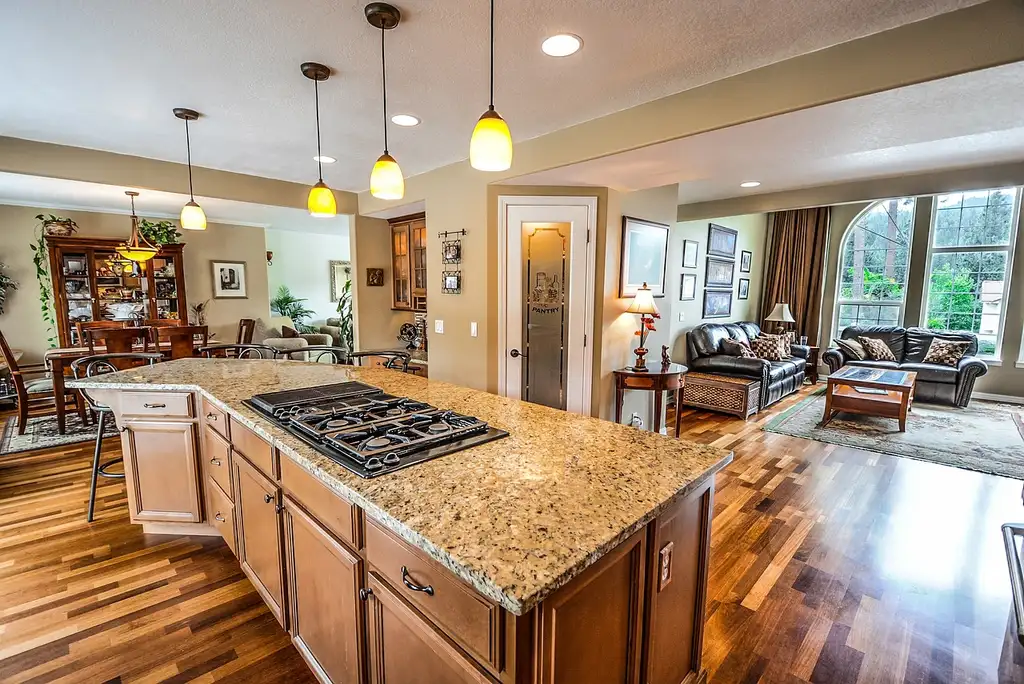
Many cabinet quotes look complete until the extras appear. Filler panels, toe kicks, trim, crown molding, hardware, removal, and disposal can all raise the final price. These items are often necessary, so the issue is not whether they exist; it is whether they were priced up front.
Common add-ons that move the total
- Filler panels for gaps between cabinets and walls
- Toe kicks that finish the cabinet base
- Trim for exposed edges and transitions
- Crown molding for a finished top edge
- Hardware such as pulls and knobs
- Removal of old cabinets
- Disposal or haul-away fees
- Contingency for wall damage, missing parts, or layout changes
A line-by-line budget template
| Line item | What to ask for | Why it matters |
|---|---|---|
| Cabinet boxes | Stock, semi-custom, or custom construction | Biggest driver of cabinet-only cost |
| Doors/fronts | Shaker, glass-front, beadboard, or other style | Style changes material and finish cost |
| Finish | Paint, stain, veneer, laminate | Often changes both price and durability |
| Installation | Labor, supplies, prep, install, cleanup | Can add materially to the total |
| Removal | Demo and haul-away of old cabinets | Often billed separately |
| Fillers and trim | Panels, scribes, edge trim | Frequently omitted from headline quotes |
| Hardware | Pulls, knobs, hinges if not included | Small line, real cost |
| Contingency | Budget buffer for surprises | Protects against quote drift |
A common mistake is looking only at the base cabinet price and forgetting to include hinges, pulls, and installation. A quote with cheap boxes can become the higher bid once installation, trim, and disposal are added. The safer comparison is the final installed total, line by line.
How much do kitchen cabinets cost at Home Depot or Lowe’s?
Store quotes can be a useful starting point, but they are not fixed national prices. Big-box pricing depends on cabinet line, finish, installation scope, and any local measurement or delivery fees. The right comparison is not store versus store alone; it is store quote versus a few local cabinet bids with the same scope.
What to confirm before you buy
Ask whether the quote includes cabinet boxes, doors, finish, installation, removal, fillers, trim, and hardware. Also confirm whether the price assumes a standard 10×10 kitchen or your actual layout. That is the easiest way to catch a quote that looks low only because it leaves out important parts.
When store pricing can look lower than the final bill
Suppose a quote at a home center covers only stock cabinets and delivery. The final invoice may rise after you add measurement, install labor, toe kicks, and crown molding. A lower shelf price can still end up as a higher total if the rest of the job is not included.
How much should kitchen cabinets cost?
Cabinets should cost enough to match the kitchen’s size, layout, and wear level without forcing the rest of the remodel into compromise. For many homeowners, that means using the 20% to 30% cabinet budget share as a guardrail, then narrowing choices by linear feet, material tier, and installation scope.
Budget planning takeaways
- Measure cabinet runs in linear feet before asking for quotes.
- Compare cabinet-only and installed totals separately.
- Check whether the quote assumes a 10×10 kitchen or your real layout.
- Watch for filler panels, trim, removal, and hardware.
- Get several local quotes before committing to a finish level.
Quick planning rule
Use linear feet to estimate, then pressure-test the quote. If the cabinet total seems too low, ask what is missing. If it seems too high, compare the material tier, labor scope, and add-ons before assuming the base cabinets are overpriced.
Frequently asked questions
How much do kitchen cabinets cost per linear foot?
The nationwide cabinet cost range cited is $100 to $1,200 per linear foot. A middle-of-the-road planning figure is $650 per linear foot. That midpoint is best used as a worksheet number, not as a promise of what every kitchen should cost.
How much do kitchen cabinets cost with installation?
Installed cost is higher because labor adds roughly $50 to $250 per linear foot, plus supplies, prep, installation, and clean-up. The installed total also changes with removal, trim, and layout issues. Always compare a fully installed quote against the cabinet-only line before deciding.
How much do kitchen cabinets cost to replace?
Replacement usually costs more than a simple cabinet purchase because old cabinets may need removal, disposal, wall patching, and re-leveling before new boxes go in. The final number depends on whether you are replacing in the same footprint or changing the layout, which can add labor fast.
How much do kitchen cabinets cost at Home Depot?
Home Depot pricing is not a fixed national number because cabinet line, finish, installation, and local services all change the total. Treat it as a quote source, not a universal price tag. Ask for the full installed figure and compare it with local bids on the same scope.
Sponsored / affiliate links. As an Amazon Associate I earn from qualifying purchases. I may earn additional commission from eligible campaigns.