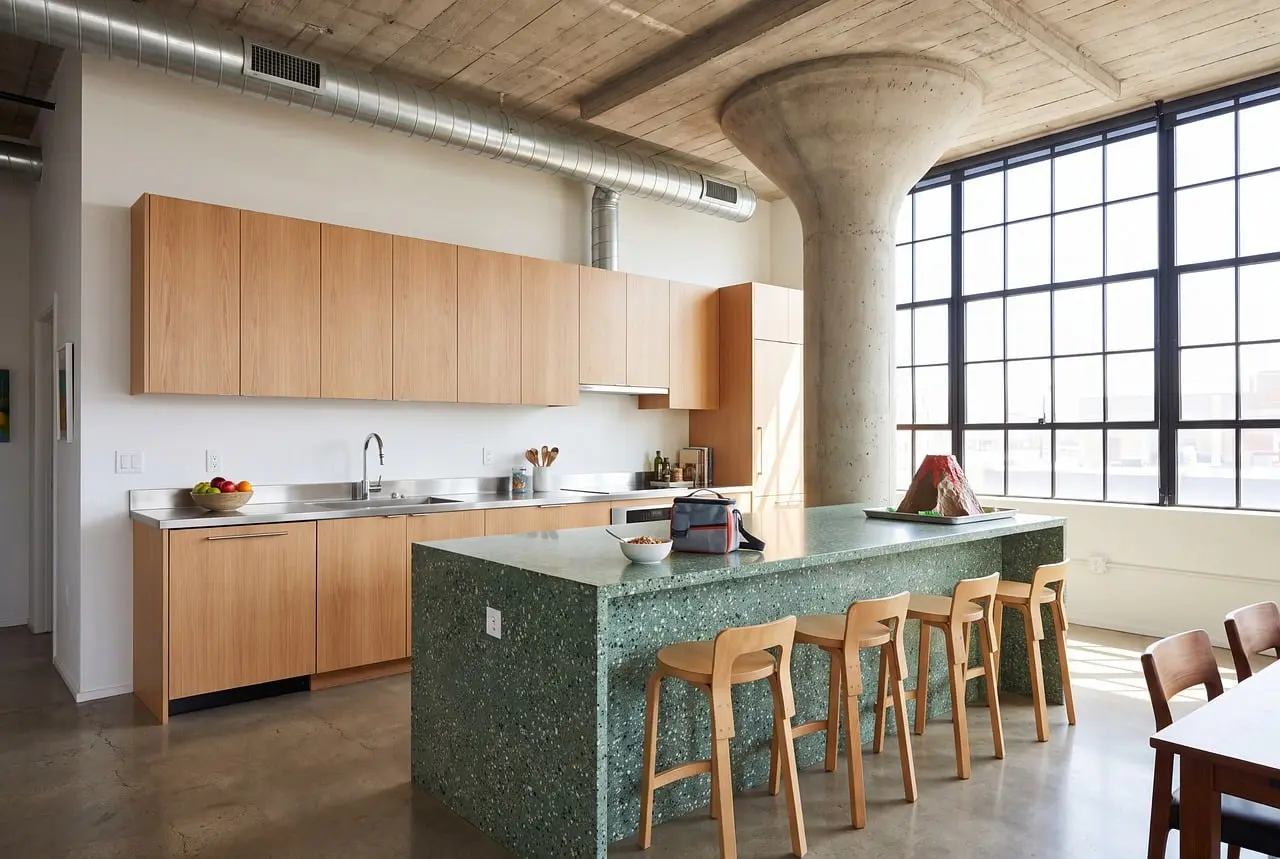
Kitchen Cabinets Guide
Use a 10-minute cabinet check: confirm 1/2-inch plywood boxes or better, soft-close full-extension hardware, dovetail or locked drawers, and a level fit before comparing stock, semi-custom, custom, framed, and frameless lines. Miss those basics and you can overpay for cabinets that sag, rack, chip early, or waste space around appliances and corners. This kitchen cabinets guide gives you a fast showroom framework to judge construction, fit, storage, and real value in one pass.
Selecting new cabinets may account for as much as 40 percent of a kitchen renovation budget. That is why I put buyer-side inspection ahead of finish color, sample lighting, or a sales tag that says “all-wood.” Quality means structure, fit, hardware, and service life.
The fastest inspection order is simple: box, back, rigidity, shelves, drawers, slides, doors, hinges, finish, then fit. I start with the cabinet body because a weak box stays weak no matter how good the door style looks. I end with sizing because plenty of bad buys start with the wrong widths, fillers, and appliance clearances.
The red flags that matter most are thin particleboard sides, stapled backs with little support, short-travel drawer slides, loose door panels, shelves that feel bouncy, and display units that already sit out of square. A showroom sample should handle constant abuse. If it already feels worn out, skip it.
How do I choose between stock, semi-custom, and custom cabinets?
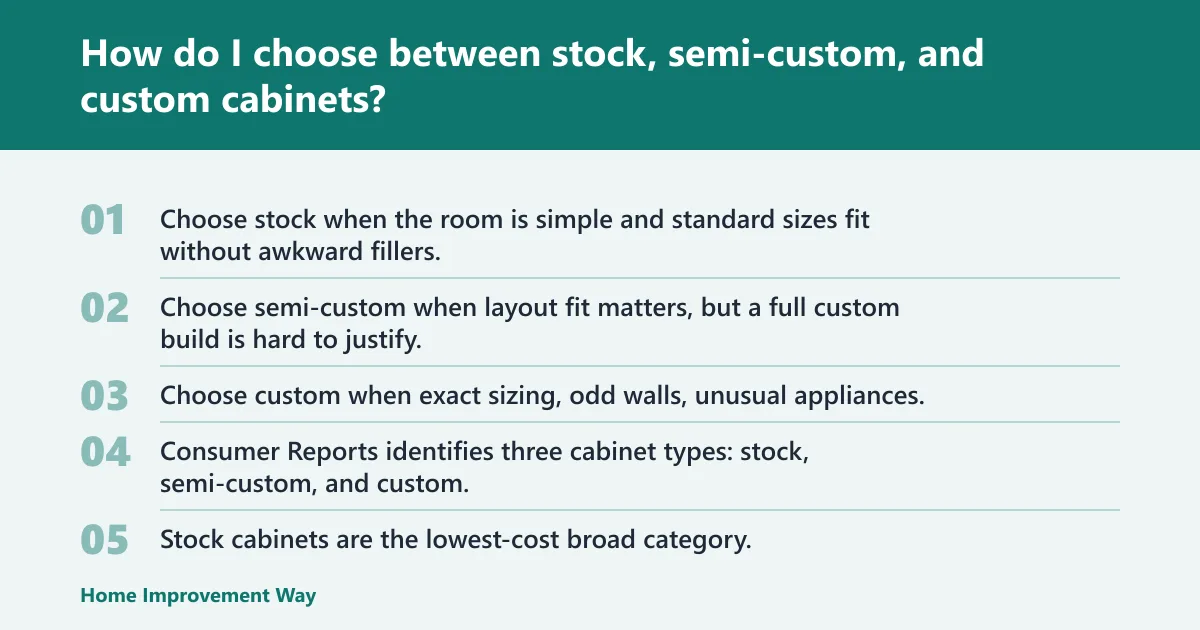


Choose stock when the room is simple and standard sizes fit without awkward fillers. Choose semi-custom when layout fit matters, but a full custom build is hard to justify. Choose custom when exact sizing, odd walls, unusual appliances, or storage problems cannot be solved cleanly with preset catalog dimensions.
Stock cabinets: where they work and where they miss
Consumer Reports identifies three cabinet types: stock, semi-custom, and custom. Stock cabinets are the lowest-cost broad category. They are off-the-shelf or assembled from limited sizes, finishes, and accessories. That makes them fast to buy, but the trade-offs usually show up in the fit.
Stock works well in straight runs, simple L-shapes, rentals, smaller remodels, and replacement jobs where the old layout is staying put. It works less well when windows, soffits, uneven walls, or appliance swaps force unusual widths. Big fillers and dead corners can wipe out the paper savings.
Semi-custom cabinets: the value middle
Semi-custom usually makes sense in real remodels because it gives you more control over widths, depths, finishes, and inserts without paying to build every box from scratch.
That matters in real kitchens. A slightly wider drawer base, a narrower pullout, or a reduced-depth wall cabinet can clean up the whole plan and cut filler strips that waste inches.
Custom cabinets: when exact sizing solves a real problem
Custom earns its price when the room itself is the problem. Think old houses, out-of-level floors, odd ceiling lines, appliance garages, or a need for a very specific pantry, lift cabinet, or charging station.
Custom is the highest cost tier, but it should fix something you can point to on a plan: fit, access, storage, or a hard layout conflict. If a stock or semi-custom line can solve the same problem with a filler and one smart accessory, custom may be overspending.
Decision table: matching cabinet type to the room
| Cabinet type | Best use case | Main trade-off | Buyer check |
|---|---|---|---|
| Stock cabinets | Simple layouts, tight budgets, faster purchase | Limited styles and sizes, more filler use | Count fillers and dead space before calling it a bargain |
| Semi-custom cabinets | Most remodels with moderate fit demands | Higher price and longer ordering window than stock | Use added width and depth choices to cut wasted inches |
| Custom cabinets | Exact sizing, odd walls, unusual storage needs | Highest cost tier | Only pay extra when exact sizing fixes a real layout problem |
📊 A typical kitchen has 25 to 30 feet of cabinets. Source: Best Kitchen Cabinet Buying Guide.
Are frameless cabinets better than framed cabinets?
Neither is automatically better. Framed cabinets can feel sturdy and forgiving, while frameless cabinets give more interior access and a cleaner opening. The better choice depends on box thickness, back support, hinge mounting, and how much storage access is gained in the actual sizes being compared.
Framed cabinets: structure and access trade-offs
Framed cabinets use a face frame on the front of the box. Doors and drawers attach to that front structure, and the frame can add rigidity. This is a common traditional layout, but the frame slightly narrows the opening.
That smaller opening matters most on pullouts, tray storage, and wider drawers. On the good side, a solid face frame can help the front stay true if the side material is less impressive.
Frameless cabinets: more opening, but the box has to work harder
Frameless cabinets are also known as European-style. With no face frame, there is more direct access to the cabinet interior. That is useful in drawer-heavy kitchens and tight spaces where every inch of entry width counts.
But the box itself carries more of the load. Better frameless cabinets may use a 3/4-inch plywood box instead of 1/2-inch particleboard. If a frameless sample feels springy at the front corner or the back panel looks weak, move on. (consumerreports.org)
How to check rigidity without tools
- Open the door or drawer halfway.
- Press lightly on the top front corner of the box.
- Look for racking, creaking, or visible movement at the back.
- Check whether the reveal around the door stays even when pressure is applied.
- Inspect the back attachment and hanging rail before trusting the display.
A rigid framed cabinet should not twist easily at the face frame. A rigid frameless cabinet should feel planted at the front edge and back corners. If either one shifts enough to change gaps, the structure is too light.

What construction details should I look for in quality cabinets?
Look for a stiff cabinet box, a strong back panel, secure shelf support, and assembly that uses more than staples doing all the work. Good cabinets carry dish weight, resist wall-hanging stress, and stay square. Weak cabinets fail first at the back, shelves, and front corners.
Cabinet boxes: plywood, furniture board, and thin particleboard
For boxes, material choice matters more than sales language. Plywood usually resists screw pull-out and moisture trouble better than thin particleboard. Furniture board can perform well when it is dense, well edged, and backed by good joinery. Thin particleboard is the problem child.
Thin side panels flex under load. Fasteners loosen faster. Hinges lose their grip sooner when doors get heavy or the kitchen gets damp.
Back panels, hanging rails, and corner reinforcement
The back panel tells the truth. A full, well-secured back or a strong hanging rail system helps wall cabinets stay on the wall and stay square. A weak, thin back stapled into a shallow groove is a common failure point, especially on wider cabinets.
Also look for corner blocks, solid fastening points, and more than one method holding the box together. A sample that depends on a few staples and hope is easy to spot.
Shelves and sag resistance
Press on the center of a long shelf. It should feel firm, not bouncy. Shelves that already deflect in the showroom will only get worse under dish stacks, pantry cans, or mixer storage.
Edge-banded shelves generally hold up better at the front than raw-looking cut edges. Shelf pins should fit tightly. Sloppy shelf-pin holes are a warning sign for the whole line.
Joinery and fasteners
Good assembly often combines dowels, cam locks, screws, glue, or captured construction details that keep parts from walking apart. Bad assembly relies on staples driven into weak material with little reinforcement.
The buyer does not need to see every hidden joint. One look at the underside, back, and inner corners usually tells enough.
What are the best kitchen cabinet doors and drawers?
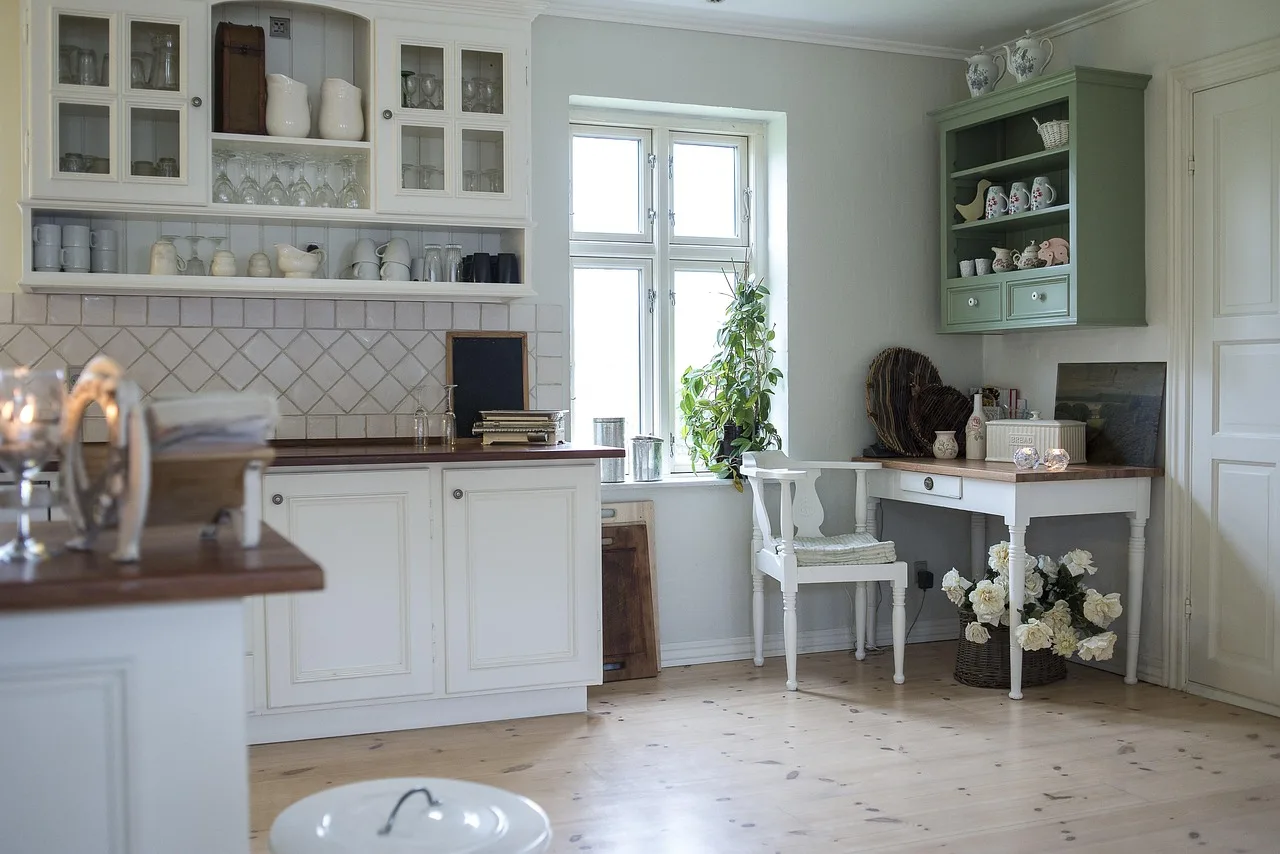
The best cabinet doors use a solid wood frame with a stable center panel, and the best drawers use strong box material, captured bottoms, and full-extension guides. Doors and drawers fail from repeated motion, slamming, and humidity changes, so moving parts deserve closer attention than static panels.
Door construction: what to favor
Look for a solid wood frame around the door. For the center panel, wood or plywood is usually the safer bet when comparing similar build levels. Inspect panel fit, corner joints, and finish consistency around the inside profile.
A good door should feel solid without rattling. The panel should sit cleanly. Corner joints should look tight and even.
Panels that need extra scrutiny
Veneered particleboard or MDF door panels are where buyers should slow down and inspect closely. These materials can work, but edge durability, hinge screw holding, and moisture tolerance vary a lot. A loose veneer edge, telegraphed seam, or soft-feeling corner is a pass signal for the buyer.
Do not assume “solid wood” applies to the whole door. Often it applies to the frame only. That can be fine, but the panel still needs to be judged on its own.
Drawer boxes: where quality shows fast
Drawers are one of the easiest quality checks in the store. Solid wood sides are a good sign. Particleboard drawer sides deserve more suspicion, especially if the bottom is thin and the corners look stapled.
Dovetail joinery is a positive sign. So are locked corners and captured drawer bottoms that sit in grooves rather than being merely tacked underneath. Grab the fully opened drawer and wiggle lightly. The box should stay tight.
Slides and hinges: feel matters, but details matter more
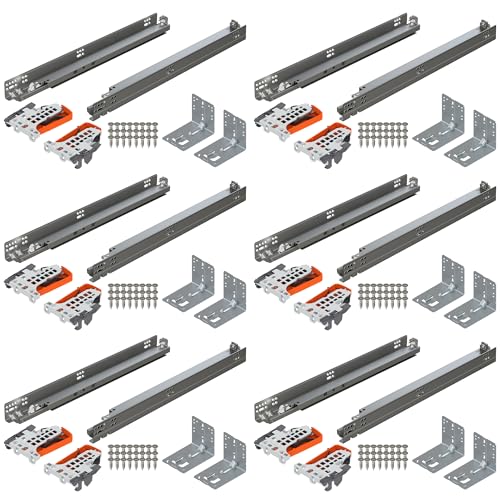
Full-extension guides are worth seeking out because they let the drawer open fully, not most of the way. Soft-close is useful, but soft-close alone does not prove anything about box strength or slide quality.
On hinges, check adjustability and repeatability. Open and close the door several times. It should return to the same reveal, not drift or rub. On slides, extension travel should be smooth, without chatter, tilt, or a hard jerk near the end.
How much space do I need for standard kitchen cabinets?
Most buyers need less style advice and more measurement discipline. A typical kitchen has 25 to 30 feet of cabinets, and fit errors around appliances, corners, fillers, and aisle space quickly decide whether stock can work. Measure the room first, then compare cabinet systems against those constraints.
Base, wall, and tall cabinet dimensions that drive decisions
Standard buying decisions usually start with base cabinets, wall cabinets, and tall storage. If a line skips the widths or depths a plan needs, buyers often get pushed into bad filler use or an unnecessary cabinet tier upgrade.
IKEA SEKTION is a useful modular reference point for comparison shopping. IKEA lists 157 kitchen cabinet items on its cabinet page. SEKTION base cabinets include 24x24x30-inch and 30x24x30-inch options, and SEKTION wall cabinets include a 30×14 3/4×30-inch option.
Fillers, end panels, and appliance clearances
Many replacement mistakes come from ignoring the side space needed for handles, door swing, fridge clearance, or a dishwasher next to a corner. Fillers are normal. Oversized fillers are where value gets lost.
If a stock plan needs filler after filler to make the room work, that is a sign to price a semi-custom line. Better fit often beats the lower shelf price.
Aisles, corners, and measuring before shopping
Before visiting a showroom, record wall lengths, window and door locations, ceiling drops, vent locations, and appliance widths. Also note where doors conflict, where corners are blind, and where panels must die cleanly into a wall.
Bring those notes to every quote comparison. A line that looks cheaper on paper may need extra fillers, end panels, and awkward dead space that push the real installed value in the wrong direction.
Cabinet quality scorecard: the one-page pass or fail checklist
How to use the scorecard in 10 minutes
Use this kitchen cabinets guide scorecard in order. Spend the first half on structure, the second half on moving parts and fit. Any line that fails three structural checks should be dropped before color, accessories, or discount talk enters the conversation.
| Check | Pass | Fail |
|---|---|---|
| Box material | 1/2-inch plywood boxes or better; dense furniture board with clean edges and solid fastening | Thin particleboard sides, spongy feel, chipped edges |
| Back panel and hanging support | Substantial back or hanging rail, secure attachment, no flex | Thin stapled back with little support, visible bowing |
| Drawer construction | Solid wood or similarly stiff box, dovetail or locked corners, captured bottom | Particleboard drawer sides, stapled corners, bottom tacked on |
| Slides | Soft-close full-extension guides, smooth travel, minimal side play | Partial extension, chatter, tilt when open, rough close |
| Hinges | Adjustable hinges, consistent reveal after repeated cycling | Door drifts, rubs, or sags after a few openings |
| Door panel material | Solid wood frame with wood or plywood panel; tight joints | Loose-feeling veneered particleboard or MDF panel, swollen edges |
| Framed or frameless rigidity | Box stays square when front corner is pressed lightly | Noticeable racking, reveal changes, back movement |
| Finish durability | Even sheen, no rough edges, no chips at corners, wipe-clean feel | Dry spray feel, thin coverage on edges, scratches visible on display |
| Fit red flags | Plan uses modest fillers and clean appliance spacing | Large fillers, dead corners, forced compromises around appliances |
Fast finish checks buyers can do on the spot
Look at edge coverage first. Thin finish usually shows on inside edges, lower rail corners, and around routed profiles. Then inspect high-touch areas of the display for chips and polish wear. A display cabinet is a stress test sitting in public.
Touch matters too. A durable finish should feel cured and even, not chalky, sticky, or thin at the edges.
Which cabinet features are worth paying extra for?
Pay extra for features that solve daily access or clutter problems, especially in base cabinets and hard-to-reach wall storage. Skip feature bundles that sound clever but do little for function. Useful upgrades can increase cost by more than 20 percent, so each add-on needs a job.
Pullout trash and recycling
A pullout trash can is often money well spent because it clears floor clutter and keeps waste near prep space. Check the slide quality carefully here. Trash pullouts carry real weight and get slammed hard.
Lift cabinet hardware and upper storage access
Lift cabinet hardware can help with appliance garages or upper storage that would otherwise be annoying to reach. This makes sense only if the family will actually use that zone. Fancy motion means nothing if the opening still lands in a dead corner.
Built-in charging station and small-appliance storage
A built-in charging station works when the kitchen truly functions as a family drop zone. It is less useful if cords and devices already live elsewhere. Hidden mixer storage or appliance garages can be good, but only when counter habits support them.
Features that often disappoint
Skip expensive organizers in cabinets that hold bulky items anyway. Also be careful with add-ons that eat too much opening width. Function can get worse when a feature takes more room than it saves.
Which cabinets give the best value for different budgets?
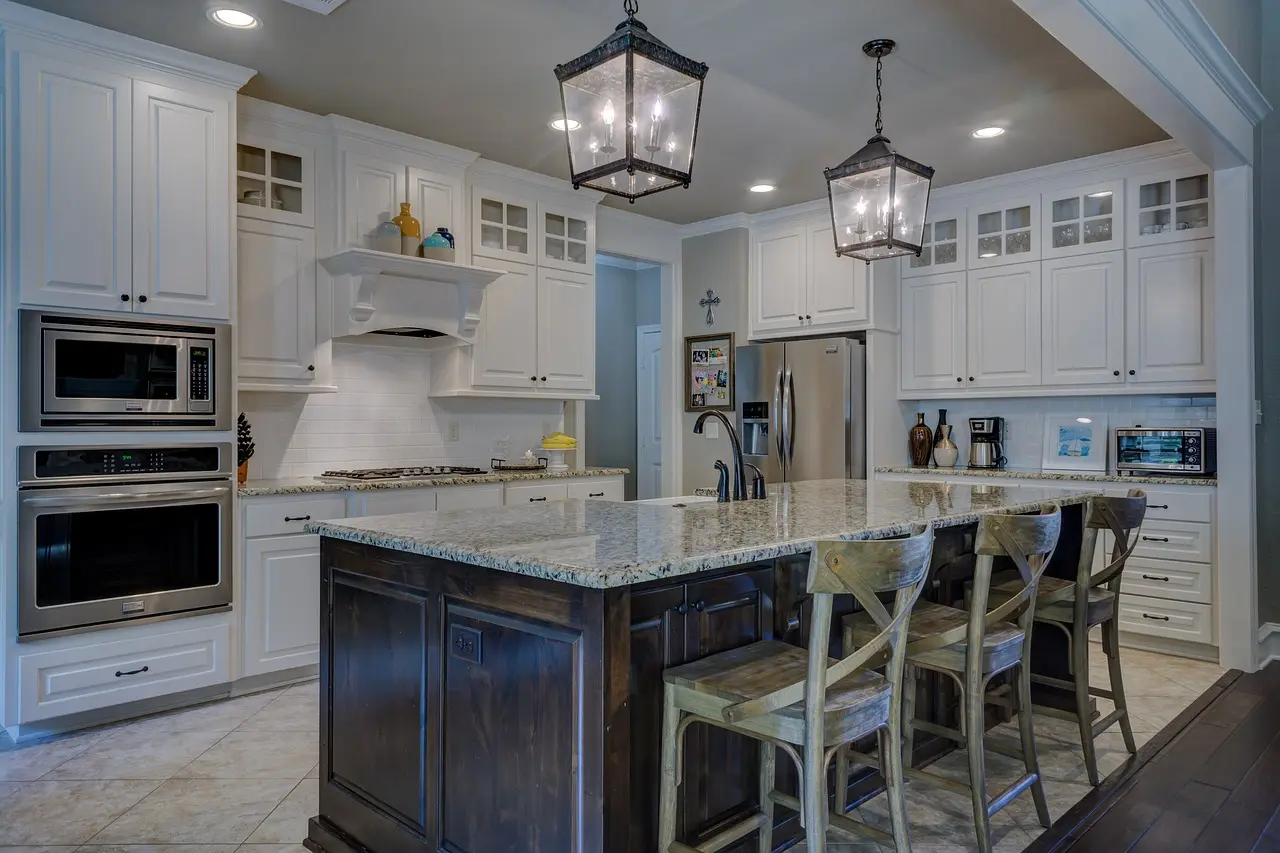
Best value comes from matching build quality and fit to the room, not from chasing the cheapest line or the fanciest label. Budget-friendly value usually comes from good modular or stock systems with solid boxes. Mid-range value usually comes from semi-custom sizing that prevents wasted space.
Best-value stock and modular paths, including IKEA SEKTION
IKEA SEKTION deserves a grounded look because it gives buyers a budget-friendly modular option with base cabinets, wall cabinets, and multiple widths and depths. IKEA also offers free expert help to plan your kitchen, which can help catch fit mistakes before ordering.
That does not make every plan a match for IKEA. Use the scorecard anyway. Check box stiffness, drawer travel, panel durability, and filler use exactly as with any other system.
When semi-custom earns the extra spend
Semi-custom often wins when a room is close to standard but not quite. A better width mix, better storage insert choices, or cleaner fridge and range fit can make a visible difference every day. I see the best value here when modest size changes remove wasted filler, fix awkward appliance gaps, and make the kitchen work harder without paying custom-shop pricing.
Where custom spending pays off, and where it does not
Custom spending pays off in tough rooms, very specific storage needs, and exact visual alignments. It does not pay off when the room is basic and the buyer is mainly chasing a finish or door profile that exists elsewhere.
What to compare line by line
Compare quotes by box material, back construction, drawer box build, slide type, hinge type, shelf thickness feel, included panels, fillers, and accessories. Door style is easy to compare. Structural value is where the money hides.
Keep cosmetic alternatives in perspective. Refinishing old cabinets can cost about $50 per door, and cabinet refacing costs about $150 per cabinet. Those routes can make sense if the existing boxes are sound, but they do not fix weak layout, poor storage, or damaged cabinet bodies.
For style research only, broad inspiration collections often group kitchens around cabinets, islands, backsplashes, and cabinet organizers, with examples such as wood kitchen cabinets and painted cabinet ideas. That can help narrow looks, but it should come after the structure and fit checks in this kitchen cabinets guide.
Frequently asked questions
Which kitchen cabinets are best quality?
The best quality cabinets are the ones with stiff boxes, strong backs, reliable drawer slides, stable door panels, and a layout that fits the room without waste. Quality is proven by construction and service life, not by a label, a finish name, or a display that looks expensive.
What are the best kitchen cabinet doors?
The best kitchen cabinet doors usually have a solid wood frame, a stable center panel made of wood or plywood, tight joints, and a durable finish at the edges. Any veneered particleboard or MDF panel should be inspected closely for edge weakness, swelling risk, and loose-looking seams.
What are the best quality cabinets?
The best quality cabinets combine good materials with good engineering. That means a rigid box, dependable hardware, drawers that open fully without wobble, and doors that stay aligned. A semi-custom line can outrank a pricier line if it fits better and avoids weak construction shortcuts.
How do I choose between stock, semi-custom, and custom cabinets?
Choose stock for simple layouts and tighter budgets, semi-custom for most remodels that need better sizing, and custom for rooms with exacting constraints or special storage needs. The right choice depends on fit, fillers, dead space, appliance clearances, and whether exact dimensions solve a real problem.
What construction details should I look for in quality cabinets?
Check box material first, then back panel support, shelf stiffness, drawer joinery, slide extension, hinge adjustment, and door panel build. Thin particleboard sides, weak backs, stapled drawer corners, and drifting door gaps are the failures that matter most during a fast showroom inspection.
Which cabinet materials hold up best over time?
Plywood tends to hold up well in cabinet boxes, while solid wood or similarly stiff drawer sides and captured bottoms usually wear better in drawers. For doors, solid wood frames with stable wood or plywood panels are safer bets than flimsy veneered particleboard or poorly finished MDF panels.
Sponsored / affiliate links. As an Amazon Associate I earn from qualifying purchases. I may earn additional commission from eligible campaigns.


