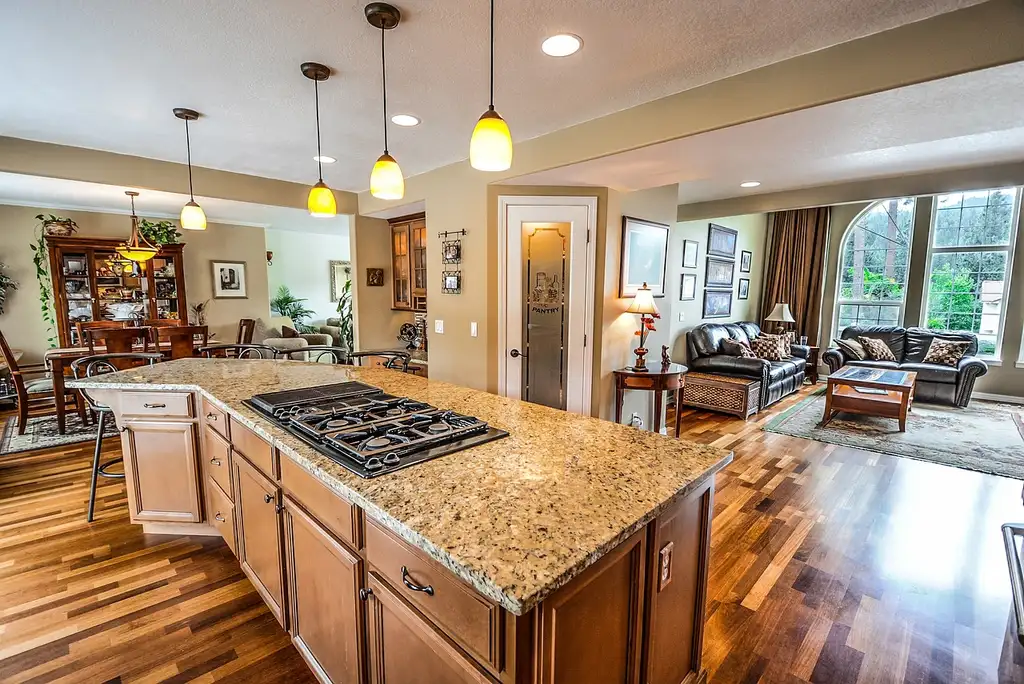
Custom vs Stock Kitchen Cabinets: What’s Worth Paying?
Custom cabinets are worth paying for when your kitchen has nonstandard dimensions, severe storage pain points, or moisture-prone zones that need better materials. Otherwise, stock or semi-custom usually gives better value. Pick wrong, and you can pay more for gaps, wasted space, slower lead times, and hardware that wears out too soon. Here’s how custom, semi-custom, and stock compare on fit, storage, durability, timing, and total cost.
Custom vs stock kitchen cabinets: the real trade-off

The trade-off is direct: custom cabinets solve fit and storage problems that standard sizes cannot, while stock cabinets solve budget and speed problems better than anything else. Semi-custom sits in the middle with some sizing changes and more finish options, but it still cannot match true custom for odd walls, unusual heights, or specialty storage.
| Decision factor | Custom | stock kitchen cabinets | Winner |
|---|---|---|---|
| Fit in irregular kitchens | Built to exact measurements | Standard sizes, more filler strips and gaps | Custom |
| Storage efficiency | Can be sized for the space and the item | Works best when the layout already matches standard widths | Custom |
| Moisture exposure tolerance | Can specify better boxes and construction in wet zones | Depends heavily on the cabinet line and material | Custom |
| Timeline | Longer lead time | Ready for immediate installation | stock kitchen cabinets |
| Total cost | Premium pricing | Budget-friendly | stock kitchen cabinets |
Fit is where custom wins
Custom cabinets are built to a kitchen’s exact measurements, so they win when walls are out of square, ceilings vary, or a run ends in dead space that stock sizes cannot fill cleanly. Stock cabinets are pre-manufactured in standard sizes, which keeps them fast and affordable, but it also limits how precisely they can fit the room.
Cost and timing favor stock
Stock cabinets usually win on budget and schedule. If a project needs fast installation or the layout already lines up with common widths, there is no reason to pay extra just to replace one standard option with another.
Storage efficiency depends on the plan
Custom only pays back when it creates real storage you will use, such as a drawer stack sized for baking sheets, a pantry tall enough for appliance parking, or a corner solution that avoids dead volume. If the room already accepts common cabinet widths, stock can work well enough without the extra spend.
📊 Builder-grade cabinets can cost $3,000–$8,000 for a 10×12 kitchen. Source: Custom vs Builder-Grade Cabinets: Is the Upgrade Worth $15K….
How much more do custom cabinets cost?
Custom cabinets cost much more than stock because you are paying for exact sizing, higher-spec boxes, and more labor in fabrication and ordering. Builder-grade cabinets are shown at $75–$200 per linear foot, semi-custom at $200–$500 per linear foot, and full custom at $500–$1,200+ per linear foot.
Typical kitchen budget ranges
For a 10×12 kitchen, builder-grade cabinets can cost $3,000–$8,000, while full custom cabinets can cost $20,000–$48,000+. That gap is large enough that custom should solve a real problem, not just look nicer on paper.
Hidden costs often come from labor and revisions
Custom orders can add expense through extra measuring, approval cycles, delivery coordination, and revision delays if walls are not level or dimensions change late in the remodel. Those soft costs matter because a cabinet line that needs fewer adjustments can cut installer time and avoid change orders.
Do stock cabinets waste space in your kitchen?
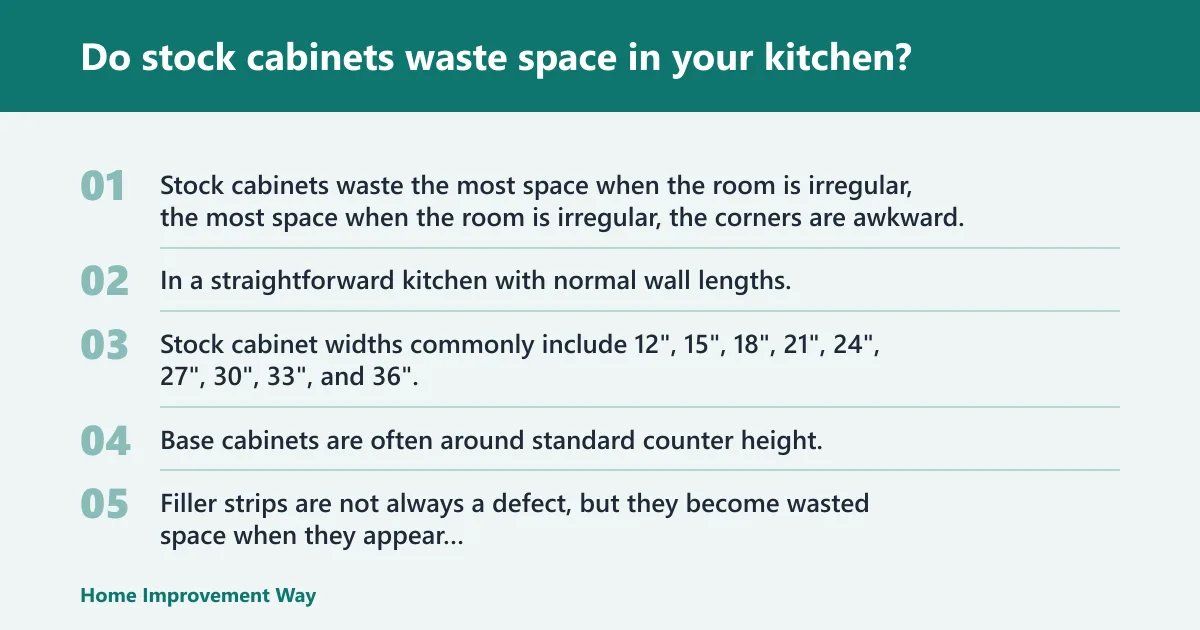
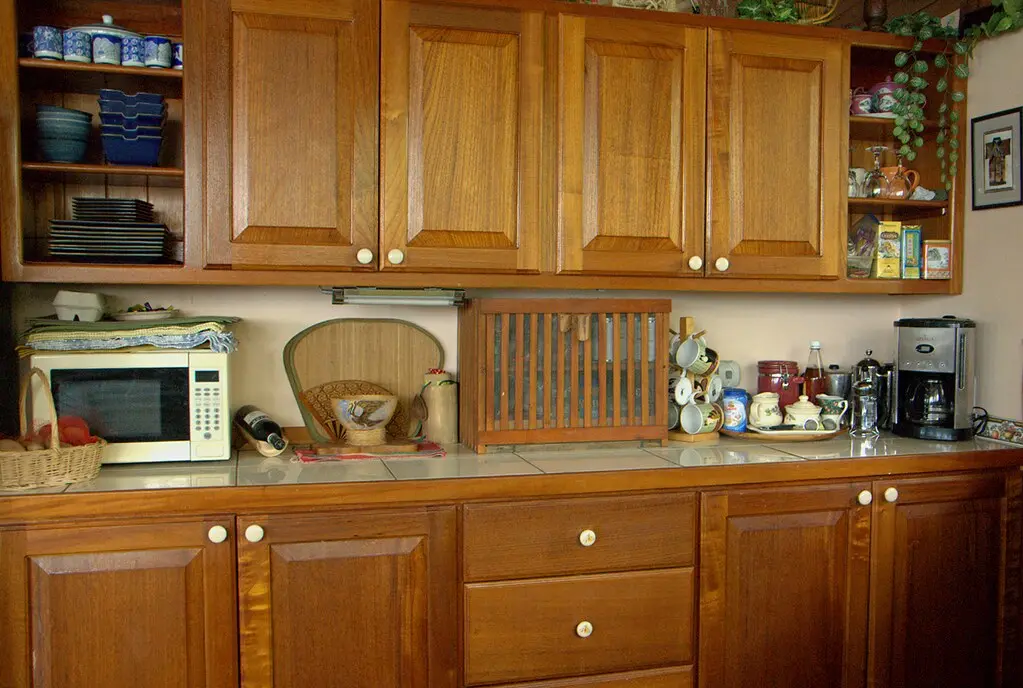
Stock cabinets waste the most space when the room is irregular, the corners are awkward, or the ceiling height does not match standard box heights. In a straightforward kitchen with normal wall lengths, stock cabinets can fit well enough, especially when you are not trying to capture every inch of storage.
Standard sizing creates the limit
Stock cabinet widths commonly include 12″, 15″, 18″, 21″, 24″, 27″, 30″, 33″, and 36″. Base cabinets are often around standard counter height, and uppers are often around a standard cabinet height, so anything outside those proportions may require filler strips or some compromise.
When filler strips become a problem
Filler strips are not always a defect, but they become wasted space when they appear beside a range, at a pantry end panel, or in a tight galley where every inch matters. In those cases, custom can reclaim usable width, while semi-custom may solve part of the issue if the needed change falls within its size increments.
Say your galley kitchen is 8 feet wide and one wall ends with a 5-inch gap after standard cabinets are placed. That gap can turn into dead space or a visual patch. Custom sizing can absorb it, while stock may need fillers that do nothing for storage.
What cabinet materials and hardware actually matter?
The materials that matter most are the ones that resist sagging, swelling, and hardware pull-out over time. Particleboard is common in lower-cost cabinets, plywood is more resistant to moisture, solid wood is strong but can move with humidity, MDF is smooth for painted finishes, and wood veneer improves appearance over a stable core.
What fails first in daily use
The first failures are usually at the sink base, near the dishwasher, and at high-touch doors and drawers. Particleboard swelling from moisture, loose hinge screws, soft-close wear, and drawer slide issues usually show up before a cabinet “wears out” everywhere else.
Hardware quality changes how cabinets feel
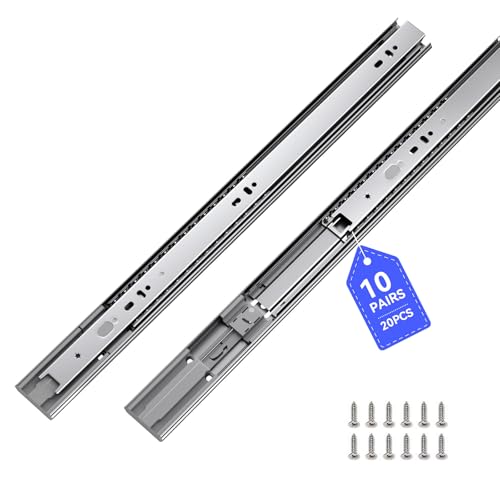
Drawer slides, hinges, soft-close mechanisms, full-extension slides, and undermount hardware affect everyday use more than many buyers expect. Full-extension drawers make the back of the drawer usable, while better hinges and slides reduce wobble, noise, and early alignment issues.
Where custom cabinets earn back the money
Custom earns back money when it removes a functional problem that stock cabinets would leave behind: moisture exposure, wasted corners, poor pantry access, or special storage that standard boxes cannot handle well. The value is practical, not decorative.
Moisture-prone zones
Under-sink cabinets and the cabinet next to a dishwasher take repeated moisture exposure. Plywood resists swelling better than particleboard, so paying for better construction in those zones makes more sense than upgrading every cabinet in the room.
Storage pain points
Corners, tray storage, trash pull-outs, and deep pantry cabinets are where custom sizing can matter most. These are also the spots where a poor layout makes daily use annoying, so the extra cost can pay back in convenience and fewer dead zones.
Special layouts
Galley kitchens, L-shaped kitchens, and out-of-square rooms are stronger cases for custom because the room itself creates the problem. When the kitchen shape is unusual, standard widths can leave a lot of unusable space or force awkward fillers.
Suppose a rental kitchen has standard wall lengths, a normal sink location, and no special storage requests. In that case, stock or semi-custom is usually enough. Put the money into moisture-resistant construction and better slides instead of paying for dimensions the room does not need.
How long do custom cabinets take compared with stock?
Custom cabinets usually take 8-12 weeks or longer, while stock cabinets are ready for immediate installation. Semi-custom is the middle option, often taking longer than stock but less time than full custom because it is built in size increments usually restricted to 3-inch intervals.
Lead time is only part of the schedule
Measurement, approval, and revision cycles can extend a custom order if the room is not square or the design changes late. That schedule risk matters in a remodel because the installer may be waiting on cabinet delivery before countertops, plumbing finish work, or final trim can continue.
Installation speed follows the cabinet type
Stock cabinets usually install faster because they arrive ready to go and often need fewer site changes. Custom cabinets can install cleanly too, but the project depends more on precise field conditions and pre-approval of dimensions.
What cabinet construction details actually improve durability?
The details that matter most are box material, joinery quality, hardware grade, and the cabinet’s resistance to moisture at stress points. Better materials help, but the biggest durability gains come from the places that fail under load: drawers, hinges, sink bases, and tall pantry doors.
Box construction matters
Builder-grade cabinets use particleboard or thin plywood boxes, semi-custom cabinets use 1/2″ plywood boxes, and full custom cabinets use 3/4″ hardwood plywood boxes. That progression matters most where weight, steam, or fastener pull-out are recurring stresses.
Wood species is not the only issue
Solid wood, MDF, and wood veneer each have a place, but material choice should match the cabinet’s job. MDF can work for painted faces, wood veneer can give a stable surface over a better core, and plywood generally handles damp zones better than particleboard.
Are semi-custom cabinets a better value than fully custom?
Semi-custom is often the better value when you want more sizing and finish choices than stock provides, but your kitchen does not need exact custom dimensions. It is a strong middle-ground option because it improves flexibility without jumping all the way to custom pricing or lead times.
When semi-custom is enough
If your kitchen mostly fits standard widths but needs a few adjustments, semi-custom may solve the problem at a lower cost than full custom. That is especially true when you want upgraded materials or hardware without redesigning the entire layout.
When semi-custom still falls short
Semi-custom is not a substitute for true custom in irregular spaces because its dimensions are still limited. If the room needs exact width, depth, or height changes, the 3-inch interval restriction can still leave filler and lost storage.
Will custom cabinets increase resale value enough to justify the cost?
Custom cabinets can help resale value in higher-end homes, older homes with tricky layouts, or markets where buyers expect built-in quality, but they do not automatically return their full cost. In many homes, buyers notice that the kitchen feels well planned more than they notice that every cabinet was custom built.
When buyers notice cabinet quality
Buyers tend to notice cabinet quality when the kitchen is part of a premium price bracket, when poor fit is obvious, or when storage is a major selling point. They notice soft-close drawers, full-extension access, and clean fit because those details affect daily use.
When resale does not justify the spend
In a starter home, a rental, or a price-sensitive market, spending heavily on full custom often outpaces what buyers are willing to pay back. In those cases, stock or semi-custom with durable hardware can be the smarter resale play.
Choose custom if… / Choose stock kitchen cabinets if…
Choose custom if the kitchen has out-of-square walls, unusual ceiling heights, a layout that wastes storage, or wet zones that need better box construction and hardware. Choose stock kitchen cabinets if the room already works with standard sizes, the budget is tight, or the remodel needs quick installation more than exact fit.
Choose custom cabinets if…
- The kitchen has irregular dimensions or odd angles.
- You need specialty storage that stock sizes cannot fit well.
- Moisture-prone areas need better materials and construction.
- You are paying for long-term function, not just a new look.
Choose stock kitchen cabinets if…
- The layout accepts standard widths without heavy filler use.
- You want immediate availability and faster installation.
- The project is rental-focused, budget-focused, or resale-neutral.
- You can improve the package with better hardware and selected upgrades.
Where semi-custom fits
Semi-custom is the best middle-ground choice when you need some sizing flexibility, better finishes, or stronger materials, but not exact custom dimensions. It often makes the most sense in standard kitchens that need a few targeted improvements rather than a full redesign.
Decision matrix: when to pay for custom and when to skip it
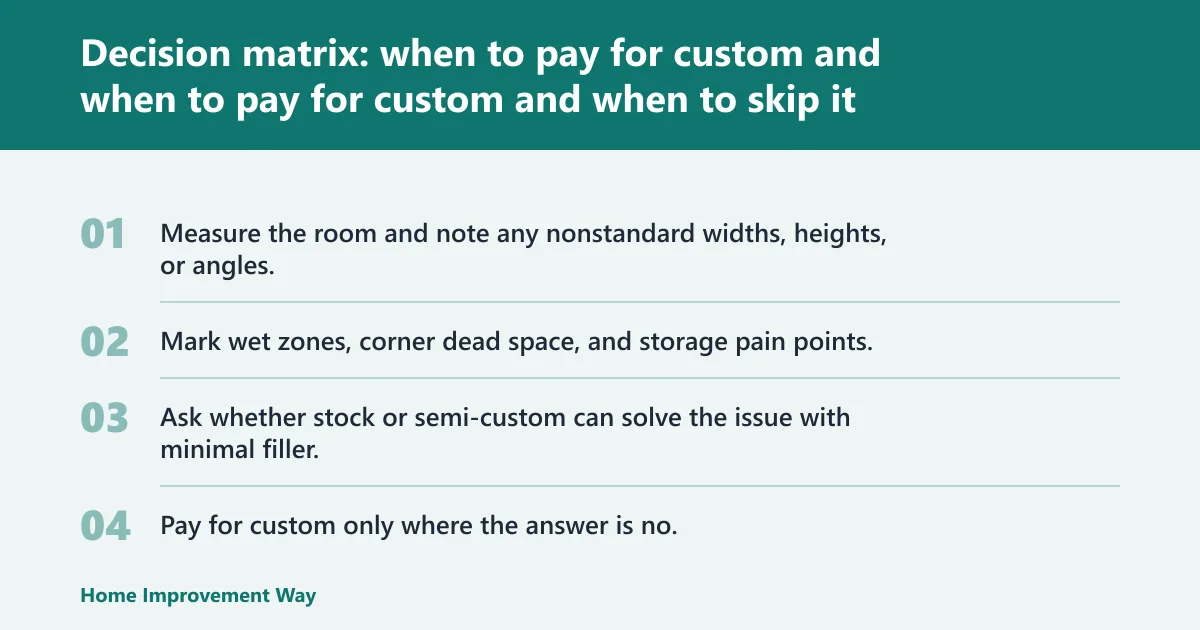
Use custom when the kitchen has specific pain points that standard cabinets cannot solve well. Skip it when the room already fits common sizes, the budget is firm, and the main need is durable, decent-looking storage rather than specialized construction.
| Decision factor | Custom | stock kitchen cabinets | Pay for it if… |
|---|---|---|---|
| Fit | Exact measurements | Standard sizes | Walls are out of square, ceilings vary, or fillers would waste usable width |
| Storage efficiency | Can be tailored to items and workflow | Works best in conventional layouts | You need pantry, corner, tray, or trash storage that stock does not handle well |
| Moisture risk | Can specify stronger construction where needed | Depends on cabinet line and material | The sink base or dishwasher zone gets frequent moisture exposure |
| Timeline | Longer lead time | Immediate installation | Your project can absorb scheduling delay and revision time |
| Total cost | Premium pricing | Lower upfront cost | The functional gain is worth several thousand dollars more in the full kitchen budget |
- Measure the room and note any nonstandard widths, heights, or angles.
- Mark wet zones, corner dead space, and storage pain points.
- Ask whether stock or semi-custom can solve the issue with minimal filler.
- Pay for custom only where the answer is no.
Frequently asked questions
Are custom kitchen cabinets worth the extra money?
They are worth the extra money when fit, moisture resistance, or specialized storage solves a real kitchen problem. If the room is standard and the layout already works, stock or semi-custom usually gives better value because you avoid paying a premium for capacity you will not use.
What is the price difference between custom and stock kitchen cabinets?
Builder-grade cabinets are shown at $75–$200 per linear foot, semi-custom at $200–$500 per linear foot, and full custom at $500–$1,200+ per linear foot. For a 10×12 kitchen, that often means $3,000–$8,000 for builder-grade versus $20,000–$48,000+ for full custom.
When should I choose custom instead of stock cabinets?
Choose custom when your kitchen has irregular dimensions, awkward corners, or special storage needs that standard boxes cannot solve cleanly. It also makes sense in moisture-prone zones where better construction materials can reduce swelling and long-term wear around sinks and dishwashers.
Do stock cabinets waste space in an irregular kitchen?
They often do, because standard widths and heights can leave filler strips, dead corners, or awkward gaps in out-of-square rooms. In a regular kitchen, though, stock cabinets can fit well and keep costs down without causing meaningful waste.
Sponsored / affiliate links. As an Amazon Associate I earn from qualifying purchases. I may earn additional commission from eligible campaigns.