Wood Kitchen Cabinets vs Painted Cabinets
Choose painted cabinets for a tighter, more uniform look. Choose natural wood if you want better scratch concealment and easier touchups; for busy kitchens, wood usually ages better. Ignore finish behavior and you can end up with visible chips, repeated repainting, and cabinets that look tired long before the boxes fail. This guide compares wear, cleaning, repairability, moisture resistance, style, and resale impact so you can pick the finish that fits your kitchen.
| Decision factor | kitchen cabinets | painted cabinets | Winner |
|---|---|---|---|
| Scratch and chip visibility | Visible grain and tone variation can disguise small marks better. | Smooth, uniform surfaces make chips, dents, and smudges easier to spot. | kitchen cabinets |
| Repair and update flexibility | Spot repair is harder to hide because grain and color shift across doors. | Touch-ups and full repaints are more straightforward. | painted cabinets |
| Humidity and movement tolerance | Movement still happens, but small gaps and finish shifts are less noticeable. | Hairline cracks at rails, stiles, and face frames show more clearly. | kitchen cabinets |
| Cleaning and day-to-day upkeep | Warm soapy cloth cleaning works; wax or oil may be needed for some finishes. | Warm soapy cloth cleaning is usually enough, with occasional touch-up care. | painted cabinets |
| Style flexibility | Best for farmhouse, Scandinavian, and rustic rooms. | Works with modern, traditional, and transitional kitchens. | painted cabinets |
| Resale safety | Warm-toned natural wood is gaining appeal, especially white oak and walnut. | White, beige, and gray remain broadly marketable, but color trends move faster. | tie |
| Best-use kitchen conditions | Heavy cooking, kid wear, humidity swings, and bright sun all suit this side better. | Lower-wear kitchens or remodels that may be repainted later suit this side better. | kitchen cabinets |
The core trade-off
The real choice is not wood versus color. It is how much wear, movement, and cleanup you want to see every day. Natural wood hides small damage better and usually ages into a patina; painted cabinets give you a smoother, more uniform surface and far more color control, but chips and wear show sooner.
That difference matters most in kitchens with steam, strong sunlight, or hard use. If you want the finish to take daily scuffs with less visual drama, natural wood usually has the edge. If you want a clean, consistent look and the option to repaint later, painted cabinets are more flexible.
Scratch and chip visibility
Painted cabinets show chips, dents, and natural wear sooner than stained wood. On a flat painted panel, a nick exposes a contrasting layer immediately, especially on edges, corners, and around pulls.
Natural wood cabinets still scratch and dent, but grain and tone variation can make those marks less obvious at a glance. That advantage is strongest on darker, busier grain patterns and weaker on very light, even-toned wood.
Humidity, seasonal movement, and cracks
Cabinet doors move with temperature and humidity. Solid wood expands and contracts across the grain, and that movement often appears first at rails, stiles, and face frames as fine cracks or hairline separations.
Paint tends to reveal that movement more clearly because the film can split along joints. A solid wood frame with an MDF center panel can reduce some center-panel movement, while an MDF frame and center panel or one-piece MDF door keeps movement more predictable under paint.
Sun exposure and finish aging
Direct sun can fade or shift both finishes, but painted surfaces often show the change as a broader color change across the door. Natural wood may also darken or lighten over time, yet the variation usually looks like aging rather than a failed patch.
If part of your kitchen gets afternoon light every day, expect the finish closest to the window to age first. That matters more with painted doors in light colors because uneven fading and yellowing are easier to notice on a uniform surface.
How do the materials change the result?
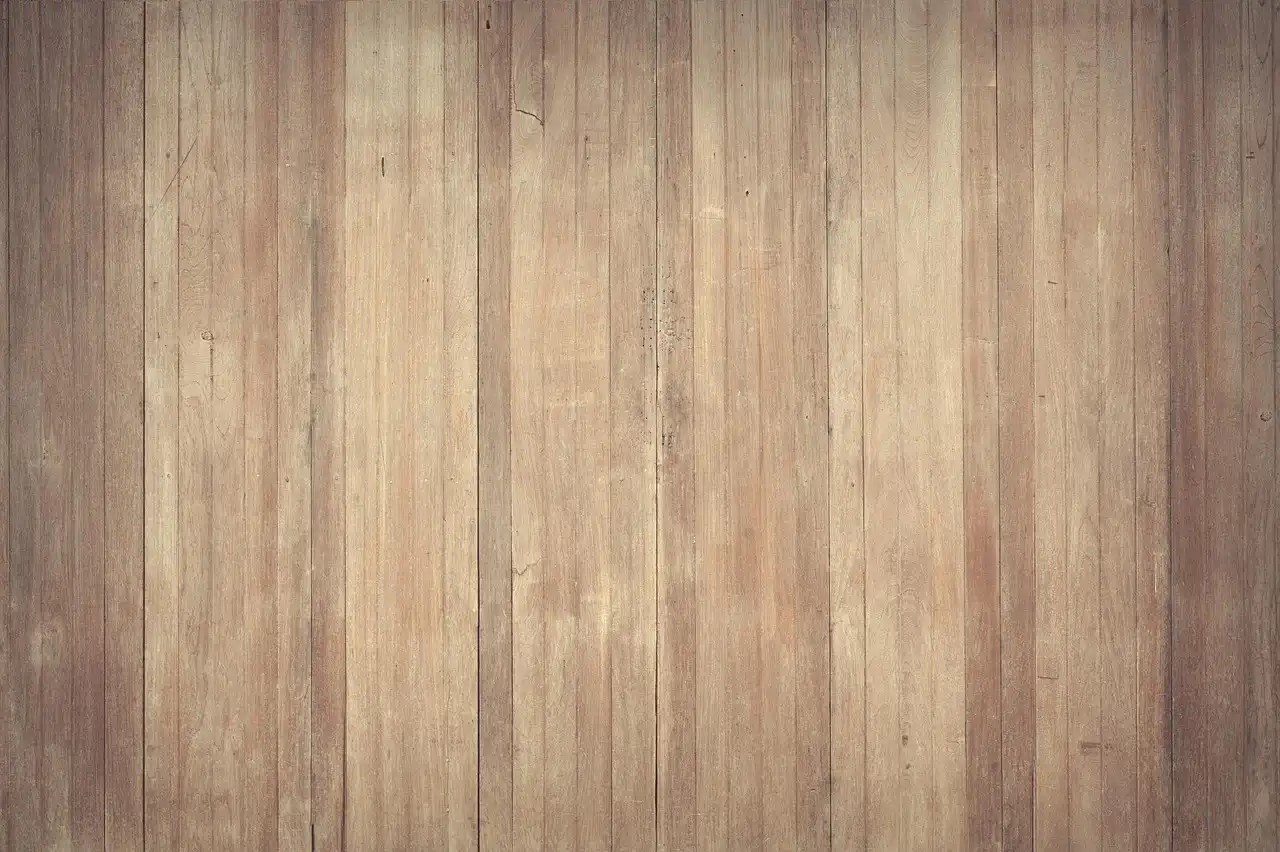
Substrate matters as much as the finish. Solid hardwood cabinets can cost $500 to $1,500 per linear foot, while MDF painted cabinets are listed at $150 to $400 per linear foot and plywood painted cabinets at $200 to $500 per linear foot. The door build changes how well either finish holds up.
Solid wood, plywood, MDF, and HDF under paint
Solid maple and other hardwood species move with humidity, so paint has to bridge seasonal movement without cracking. That is why painted edges, joints, and center-panel seams deserve close attention on solid wood doors.
MDF and HDF stay more stable, which is one reason they are common under paint. They do not give you visible grain, but they help painted doors stay flatter and reduce the chance of grain telegraphing through the finish.
Door construction: frame-and-panel, one-piece MDF, and flat versus raised profiles
A solid wood frame with an MDF center panel is often a practical painted-door build because the center panel stays more stable than solid wood. An MDF frame with an MDF center panel or a one-piece MDF door can be even more predictable for a painted finish.
Raised panel profiles create more edges, and edges are where chips tend to show first. Flat panels are simpler to keep clean and easier to spot-repair, which is why they are common in modern painted kitchens.
Why painted finishes expose movement more clearly
Paint forms a continuous film across joints. When wood expands or contracts, that film can split or open at the weakest line, often where the stile meets the rail or where a face frame meets the door opening.
Stain on visible wood usually disguises those shifts better because the grain pattern is already part of the look. That does not stop movement. It just makes the result less obvious.
How much upkeep do you want?
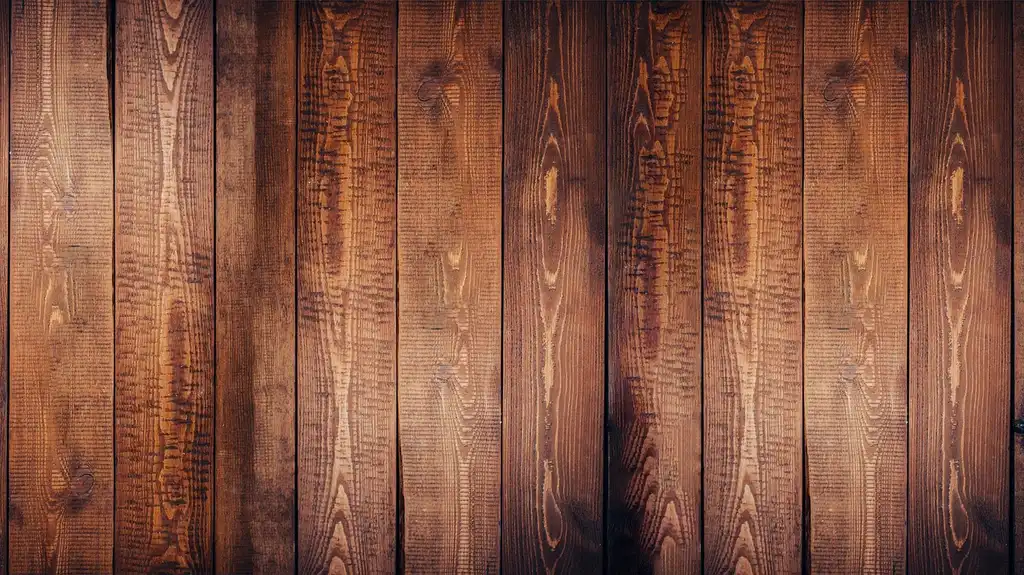
Cleaning is simple for both finishes, but the repair path is different. A warm soapy cloth is enough for routine wipe-downs on both painted and natural wood cabinets, yet painted doors are more likely to need cosmetic touch-ups, while wood may need oiling or waxing depending on the finish system.
Cleaning painted cabinets versus cleaning wood finish cabinets
Painted cabinets usually clean up quickly because the surface is smooth and uniform. Fingerprints, grease, and smudges remain visible on light colors, though, so high-touch areas around handles and trash pull-outs often need more frequent wiping.
Natural wood can be just as easy to wipe, but some finishes benefit from periodic oiling or waxing. That extra care is not always needed, yet it can help maintain a consistent sheen on older wood finishes.
Touch-ups, repainting, and stain repair
Paint gives you the best repaintability. Professionally repainted cabinets are listed at $50 to $150 per linear foot, and painting average-sized kitchen cabinets costs about $2,000 to $5,000. That is useful if you want to change color later or refresh a dated finish.
Stain repair is less forgiving. A small scratch can often be softened, but matching color, sheen, and grain tone across a door is harder than brushing in paint. Stain application may require $1,500 to $4,000, but later repairs are not as simple as a fresh coat.
Oiling or waxing natural wood
Some natural wood cabinets need occasional oiling or waxing to keep the surface even and to slow the dry, faded look that can appear on exposed areas. That care is manageable, but it is still more specific than a simple wipe-down.
If you want the lowest-friction path, painted cabinets are easier to refresh in a controlled way. If you want the finish to age more quietly, wood usually gives you that buffer.
Which style fits your kitchen?
Style should come after performance, but it still matters. Painted cabinets offer a smooth, uniform look with endless color options, and they work well in modern, traditional, and transitional kitchens. Natural wood cabinets often show visible grain and tone variation, which can give a warmer, more organic appearance.
Painted cabinets for modern, traditional, and transitional rooms
Painted kitchen cabinets can fit many layouts because color can do much of the design work. White, beige, and gray are current painted-cabinet colors, and they help a room read cleaner and more open.
That flexibility matters if you want a backsplash, countertop, or wall color to do more of the visual work. Painted doors also let you change direction later without replacing the cabinet boxes.
Warm-toned natural wood, especially white oak and walnut, is described as a top kitchen trend in 2026. It also suits farmhouse, Scandinavian, and rustic rooms because the grain and tone variation feel intentional rather than decorative.
Wood cabinets can show patina over time, and that is part of the appeal for many homeowners. The trade-off is simple: the finish becomes harder to keep looking new, but often easier to accept as it ages.
White, neutral paint, and warm wood in resale
Resale depends on the buyer pool and the rest of the house. White and neutral painted cabinets usually cast the widest net because they are easy to coordinate, while warm wood can outperform paint in current trend-driven markets when the species and tone feel current.
The all-white kitchen era is shifting toward warmer, more organic materials. That does not make paint a bad resale choice, but it does mean natural wood in a fresh tone can feel safer than it once did.
Choose kitchen cabinets if… / Choose painted cabinets if…
Choose kitchen cabinets if you cook often, live with humidity swings, or expect kids, pets, and regular use to leave marks. Choose painted cabinets if you want a smoother look, simpler future color changes, or a style that can move from modern to traditional without changing the boxes.
Choose kitchen cabinets if you want grain, knots, and tone variation to hide minor wear. Choose painted cabinets if you prefer a uniform finish and accept that chips and smudges will show sooner.
Choose kitchen cabinets if you want a warmer surface that can age into patina. Choose painted cabinets if you want the option to repaint later and keep the room visually consistent.
Frequently asked questions
Painting kitchen cabinets vs new cabinets
Painting existing cabinets usually costs less than replacing them, and professionally repainted cabinets are listed at $50 to $150 per linear foot. New cabinets make more sense when the boxes are damaged, the layout is poor, or the existing doors have construction that keeps cracking the finish.
Wood stained vs painted kitchen cabinets
Stained wood shows grain, tone shifts, and more natural texture, while painted cabinets create a smoother, more uniform surface. Stain hides some wear better on day one, but paint gives you more color control and easier repainting when the style changes.
White kitchen cabinets vs wood cabinets
White cabinets feel brighter and more neutral, which helps in many resale settings. Wood cabinets feel warmer and usually conceal small damage better, especially when the grain is active enough to break up marks and small finish changes.
Can wood kitchen cabinets be painted?
Yes, but the substrate and construction matter. Solid wood, plywood, MDF, and HDF all respond differently under paint, and prep must account for movement, sheen, and adhesion so cracks and chips do not show up early at joints and edges.
Are painted kitchen cabinets in style?
Yes. White, beige, and gray remain current painted-cabinet colors, and painted finishes still fit modern, traditional, and transitional kitchens. The bigger style shift is that warmer wood tones, especially white oak and walnut, are also very current.
Should I paint wood kitchen cabinets?
Paint them if you want a fresh color, plan to update the room again later, or prefer a uniform look over visible grain. Keep the original wood finish if the grain is attractive, the doors already fit the room, and you want better camouflage for small wear.
Sponsored / affiliate links. As an Amazon Associate I earn from qualifying purchases. I may earn additional commission from eligible campaigns.