Kitchen Drawers vs Cabinets: What Stores Better?
For many kitchens, base drawers can store daily-use items better than base cabinets when the load stays under about 20 to 25 pounds and easy reach matters; base cabinets can work better when plumbing, height, or bulky cookware sets the limit. Get this wrong and you waste lower storage, create dead space, and make everyday items harder to reach. This guide compares drawers and cabinets by item size, weight, and reach zone so you can choose the right base layout.
| Decision factor | Kitchen drawers | cabinets | Winner |
|---|---|---|---|
| Access and visibility | Full-extension access brings contents out to you, so labels, lids, and small items are easier to see. | Deep shelves hide items behind the front edge unless you add pull-outs. | Kitchen drawers |
| Fit for tall or bulky items | Limited by drawer side height and opening depth. | Better for stand mixers, tall food containers, and awkward cookware. | cabinets |
| Weight and hardware | Heavy-duty full-extension drawer slides support heavy cookware, but they add cost and complexity. | Doors use simpler hardware and can hold bulky items without slide limits. | cabinets |
| Cost | Drawers cost about 20–40% more on most lines, and dividers can add more. | Cabinets are typically less expensive than drawers, though roll-outs and corner fittings raise the total. | cabinets |
| Space efficiency in real use | Better for everyday reach zones and fast sorting of pots, pans, lids, and pantry goods. | Better where height, plumbing, blind corners, or bulk create a storage constraint. | Kitchen drawers |
Which stores better?
Drawers usually store better when you want easy access, clear visibility, and fast retrieval of daily items. Cabinets store better when you need vertical clearance, a plumbing-safe under-sink zone, or a box that can hold tall and awkward pieces without fighting the opening.
Base cabinets and drawer base cabinets
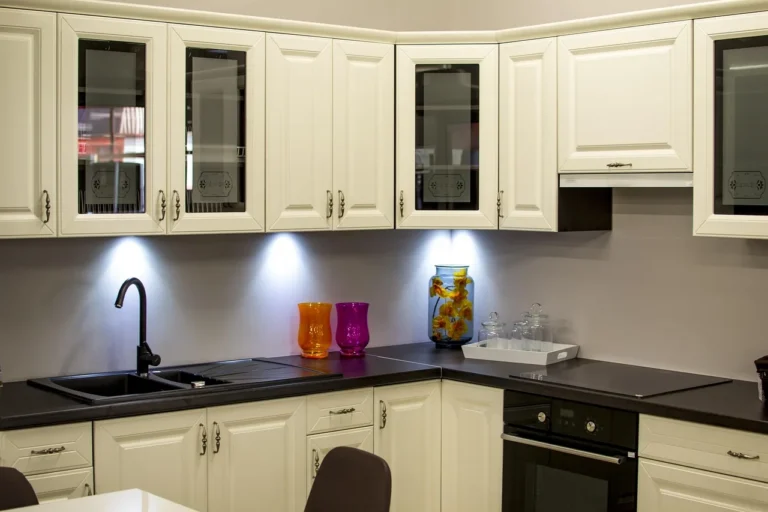
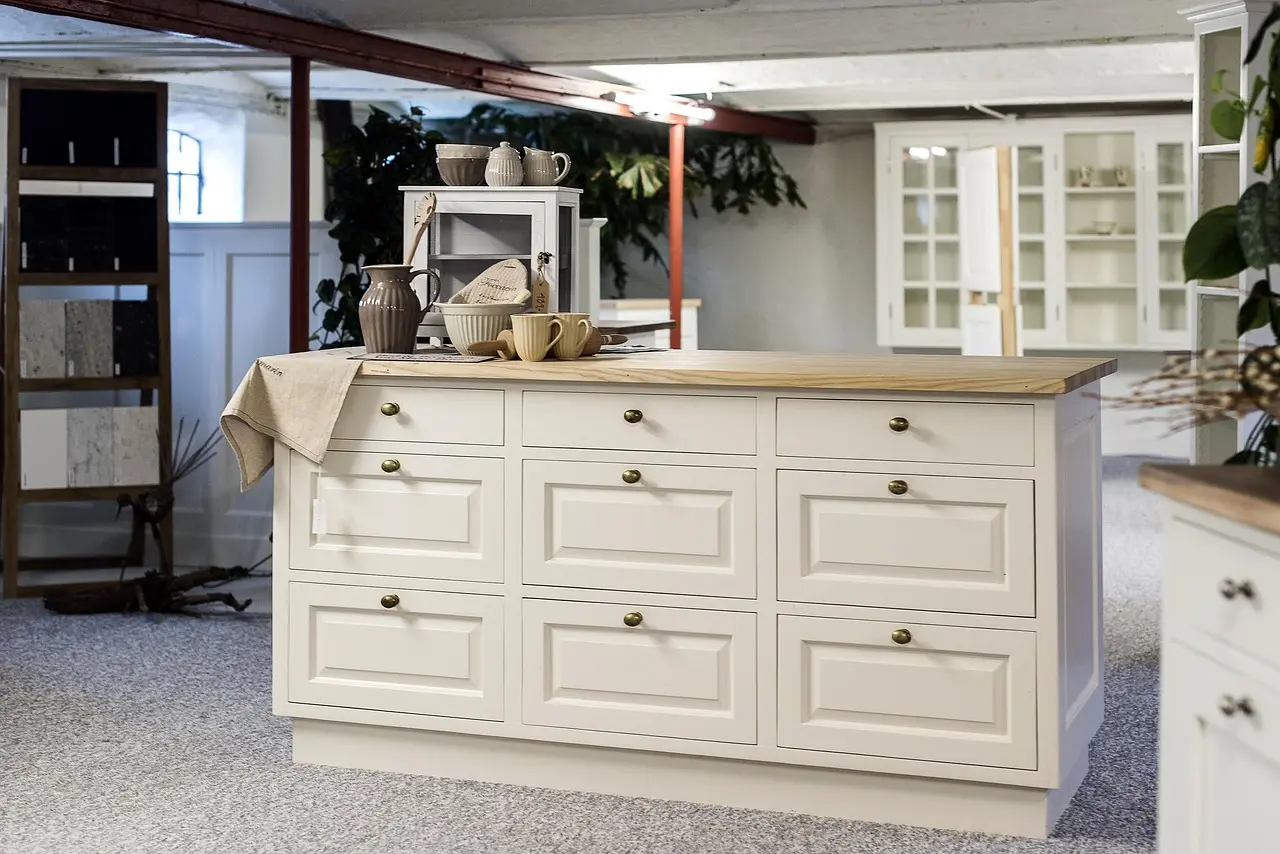
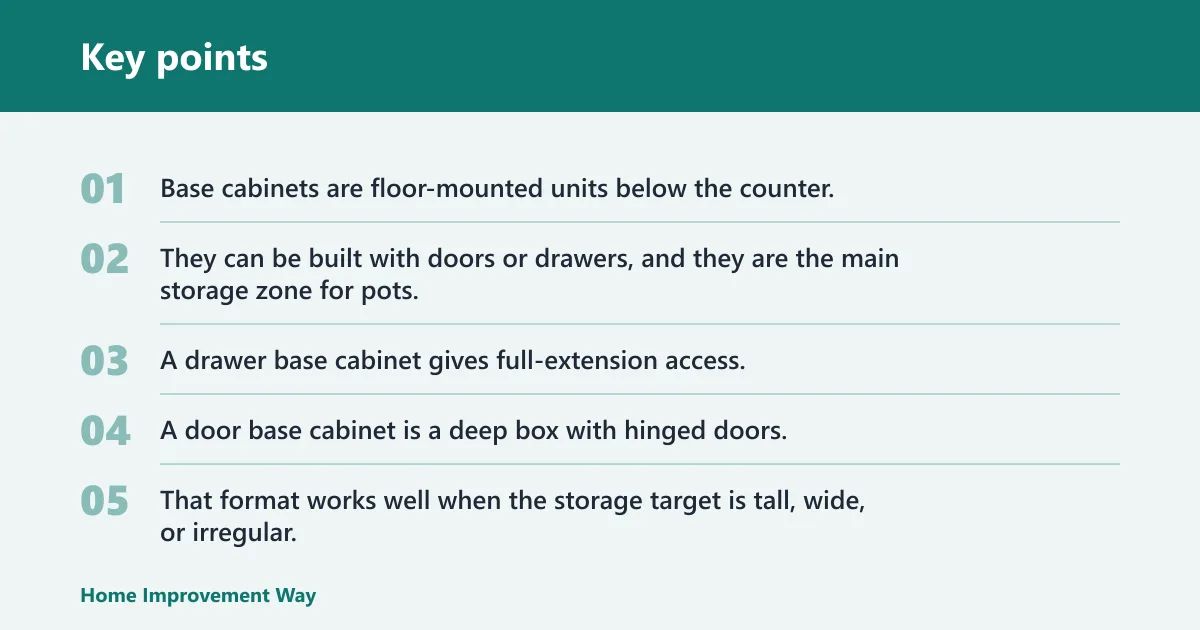
Base cabinets are floor-mounted units below the counter. They can be built with doors or drawers, and they are the main storage zone for pots, pans, dishes, and bulky items. A drawer base cabinet gives full-extension access, so the contents come all the way out instead of staying buried in the back.
A door base cabinet is a deep box with hinged doors, often paired with shelves or pull-outs. That format works well when the storage target is tall, wide, or irregular. It is also the safer answer when plumbing or corner geometry makes a drawer stack a bad fit.
Why the answer depends on size, weight, and reach zone
The real question is not “drawer or cabinet” in the abstract. It is whether the item belongs in a high-access reach zone, whether its weight stresses the hardware, and whether the storage cavity is blocked by height, plumbing, or corner dead space.
Say your most-used skillet stack sits in the lower right of the prep zone and is easy to pull forward in one motion. A pair of drawers there beats a door cabinet because you can pull the whole stack forward in one motion. Say the same cabinet must fit a stand mixer of about 14 inches and its bowl. A door base is the practical choice.
Drawer vs cabinet comparison
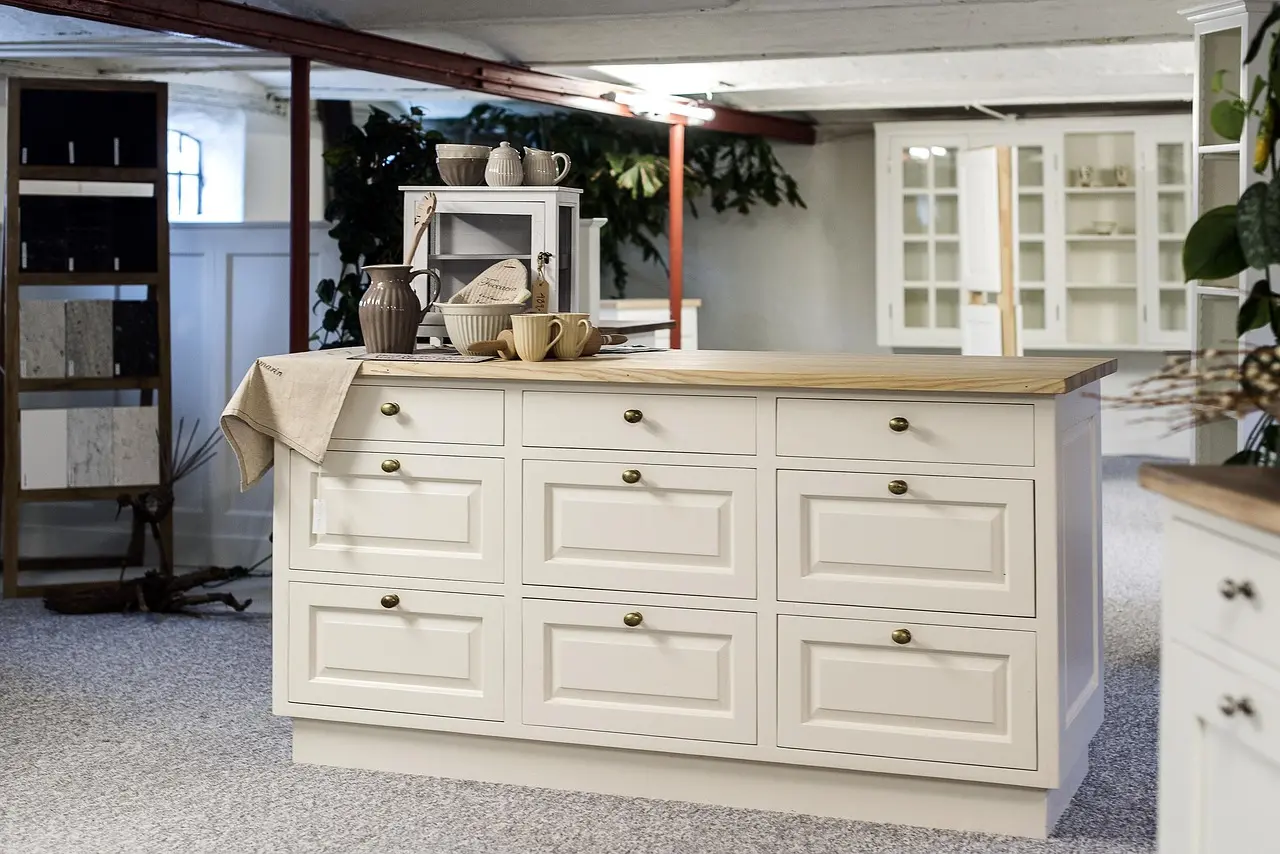
Kitchen drawers win on access and sorting. Cabinets win when the item is tall, bulky, or blocked by plumbing. The best layout usually mixes both by zone, so the lower storage matches the job instead of forcing every item into the same box.
Access and visibility
Drawers are easier to use because contents come all the way out. That matters most for pans, lids, spices, lunch containers, and anything that tends to disappear behind other items. You see the entire drawer face at once.
Cabinets hide more behind the front edge. Roll-out shelves help, but a door cabinet with roll-out trays is a two-step access process: open the door, then pull the tray. That extra motion is fine for occasional-use storage, but it slows everyday cooking flow.
Weight capacity and hardware
Heavy-duty full-extension drawer slides are the hardware that make deep drawers work for cookware and dishes. They support heavy loads, but they also raise the price and can fail faster if the drawer box is warped or overloaded. Once the drawer is packed beyond its design, the benefit drops fast.
Door cabinets avoid slide limits, which is why they still handle bulky items well. They are not a free pass, though. Add too many accessories and the cost climbs, and deep shelves can turn into dead space if the contents are hard to reach.
Cost: box, slides, and accessories
Drawer pricing is not only about the box. The slide set, dividers, and reinforced construction all add cost. Drawers cost about 20–40% more on most lines, and that gap can widen when you choose wide, deep, heavy-duty units for cookware.
Cabinets are typically less expensive than drawers at the base level. Hidden costs show up when you add roll-out shelves, Lazy Susans, blind-corner fittings, or under-sink organizers. A basic door cabinet may be cheaper, but a fully usable cabinet can cost more than the box suggests.
Space efficiency in real use
Drawers usually store more efficiently for daily use because they reduce wasted reach space. You do not have to crouch to find the back row, and dividers keep items from drifting into the dead zone near the rear panel. That is why drawers are ideal for pots, pans, lids, dishes, utensils, and pantry goods.
Cabinets can still waste space if the shelf depth is too great or the corner is blind. A blind corner cabinet creates hard-to-reach dead space unless you add special fittings. A Lazy Susan improves access in a deep corner, but it is still a compromise compared with straight, full-extension drawer storage.
What fits best in drawers?
Drawers are best for items you touch often, sort by category, and want to grab without digging. They are strongest for medium-weight items that stay within the slide rating and for anything that benefits from top-down visibility. They are a better choice than cabinets for most lower-zone daily storage.
Pots, pans, and lids
Pots, pans, and lids are the classic drawer load. Flat or nested cookware sits neatly in a deep base drawer, and the full-extension pull lets you see the whole stack. Lids can stand in vertical dividers, which prevents the usual clatter and stacking problem.
Utensils, prep tools, and dish storage
Utensils, peelers, measuring tools, and prep gadgets belong in shallower drawers near the prep counter. They stay visible, organized, and reachable from a standing position. That is also where dividers do the most work, because small tools spread out fast.
Food storage containers, bakeware, and spices
Food storage containers fit well in drawers because you can separate lids from bases and sort by size. Bakeware, sheet pans, and cutting boards also work well when the drawer is tall enough to stand the pieces on edge. Spices belong in shallow drawers near prep space, not buried behind deep shelves.
Heavy items that still stay within slide limits
Heavy items can live in drawers if the slide package is sized for the load and the box is built well. That includes cast-iron cookware, stacked plates, and dense pantry items. Once the weight rises beyond the hardware spec, the drawer stops being efficient and starts being a maintenance risk.
What fits best in cabinets?
Cabinets win when the item needs height, irregular clearance, or a storage zone that drawers cannot shape around. They are also the practical choice for plumbing-blocked spaces and for items that are too tall, too bulky, or too awkward for a full-extension drawer stack.
Tall items and bulky gear
Stand mixers, tall food containers, and oversized bowls usually fit better behind doors. The box depth gives you more vertical freedom than a drawer sidewall can provide. If the item has a handle, a lid, or an odd footprint, the cabinet often handles it better.
Small appliances that do not need daily reach
Small appliances that come out occasionally can live on a cabinet shelf. Coffee grinders, blenders, and specialty tools do not always need the easiest reach zone. If they are light enough and tall enough, the cabinet saves drawer space for better daily-use items.
Under-sink storage and plumbing-clear zones
Under-sink cabinets are the major exception that favors doors. Plumbing takes up the center of the box, so drawers usually waste space or need custom cutouts. Door bases are best for under-sink supplies because they can work around pipes and traps more easily.
Corners, blind corners, and deep boxes
Corner storage changes the math. A Lazy Susan can improve access in a corner cabinet, but a blind corner cabinet still carries dead space and awkward reach. Special fittings help, yet they add cost and do not beat a straightforward drawer stack for daily items.
Kitchen storage matrix
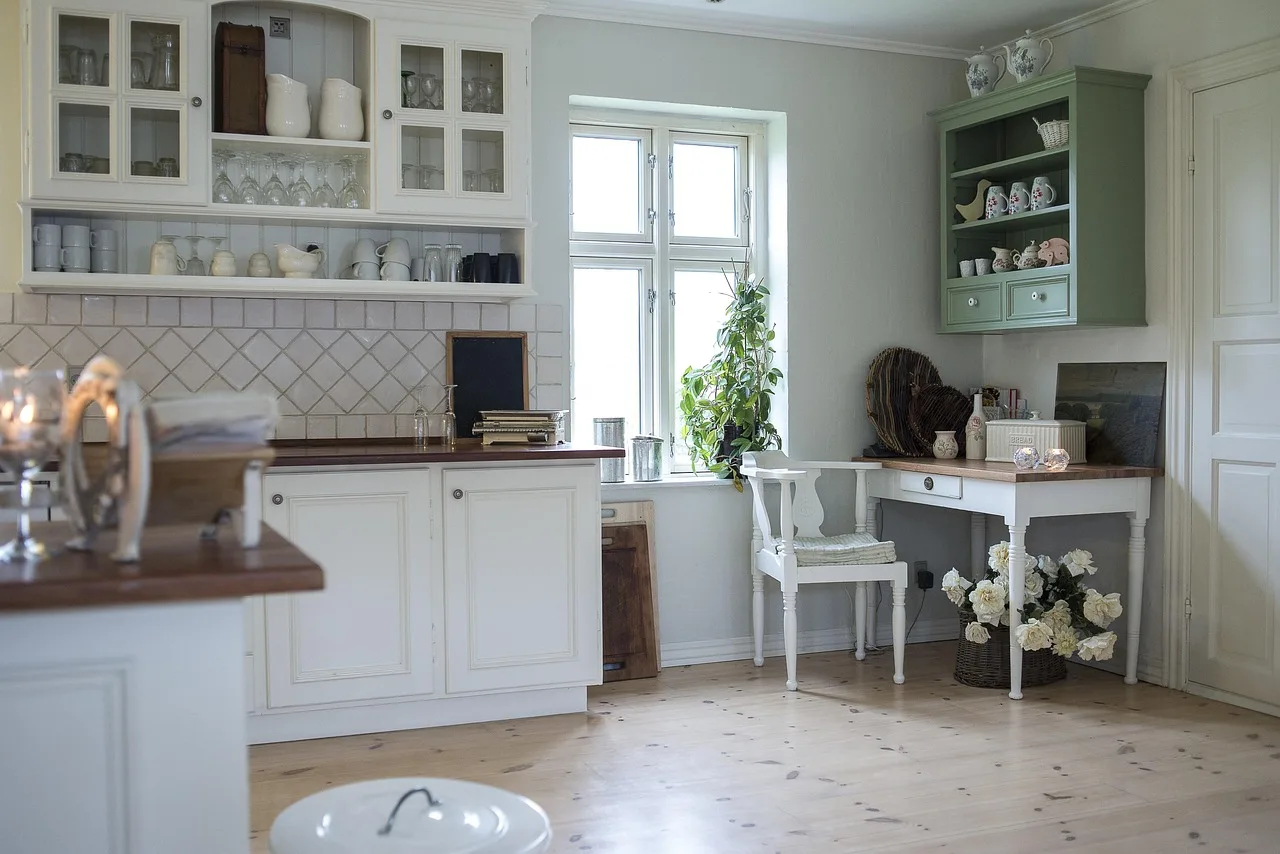
This matrix maps common items to the storage type that usually fits them best. Use it as a layout tool, not a rulebook. The best choice still depends on item height, weight, and how often you reach for it.
| Item | Ideal cabinet/drawer type | Why it fits | Red-flag failure case |
|---|---|---|---|
| Pots | Kitchen drawers | Heavy, daily-use cookware stays visible and easy to lift out. | Overloaded slides or a drawer box that sags under weight. |
| Pans | Kitchen drawers | Flat profiles stack neatly and pull out without reaching to the back. | Drawer not deep enough for handles or nested pans. |
| Lids | Kitchen drawers | Vertical dividers keep lids sorted and prevent pileups. | Loose lids slide around and jam the front edge. |
| Stand mixer | cabinets | Tall, bulky shape needs vertical clearance more than drawer access. | Forcing it into a deep drawer wastes space and strains hardware. |
| Sheet pans | Kitchen drawers | Edgewise storage keeps them visible and easy to grasp. | Drawer height too short for full-length pans. |
| Food storage containers | Kitchen drawers | Better visibility for matching lids and bases. | Containers migrate to the back of a deep cabinet shelf. |
| Spices | Kitchen drawers | Shallow access makes labels readable at a glance. | Deep cabinet shelf hides the back row. |
| Trash pull-outs | cabinets | Best housed in a door base with a dedicated pull-out frame. | Trying to assign a drawer stack to this zone wastes the opening. |
| Under-sink supplies | cabinets | Plumbing leaves a broken storage shape that doors handle better. | Drawer fronts clash with pipes or lose usable volume. |
| Mixing bowls | Kitchen drawers | Nested sets stay accessible and can be lifted as a unit. | Drawer width too narrow for the largest bowl. |
| Serving platters | cabinets | Large flat items often need vertical or angled cabinet storage. | Drawer depth forces awkward stacking and edge damage. |
| Cutting boards | Kitchen drawers | Easy to store vertically near prep space. | Deep shelf makes them hard to pull from the back. |
| Large stockpot | Kitchen drawers | Works if the drawer is deep and reinforced for weight. | Slide rating too low for the load. |
| Baking sheets with racks | cabinets | Tall, irregular sets often fit better in a door base with dividers. | Drawer opening too low for the rack height. |
| Pet food or bulk pantry goods | cabinets | Bulk bags and bins need height and flexible spacing. | Drawer width and weight rating are not enough. |
| Utensils | Kitchen drawers | Shallow drawers with dividers keep daily tools sorted. | Deep cabinet storage buries the most-used tools. |
| Small appliances used weekly | Kitchen drawers | Drawer access is fast if the appliance fits the height. | The appliance lid or cord catches on the front frame. |
| Corner cookware | cabinets | Corner organizers can use awkward space better than a straight drawer run. | Blind-corner dead space traps items out of reach. |
Choose Kitchen drawers if…
Choose Kitchen drawers if you want better access for daily-use items, especially pots, pans, lids, utensils, and pantry goods. Choose them when the items are medium-weight, the zone is below the counter, and you can pay for full-extension slides and dividers. They are also the stronger pick for aging-in-place access because they reduce bending and digging.
When drawers make the most sense
- You want the fastest reach for the most-used items.
- Your storage is below the counter and not blocked by plumbing.
- Your cookware and supplies fit within the drawer height and slide rating.
- You want cleaner sorting with dividers instead of stacked shelves.
Suppose a base run about 30 inches wide sits beside the range and holds 10-inch pans, lids, and utensils. Drawer stacks make that zone work harder than doors because the reach is direct and the contents stay visible. The cost is higher, but the daily workflow is better.
Choose cabinets if…
Choose cabinets if you need height clearance, corner solutions, plumbing-constrained storage, or a place for tall and bulky items. Choose them when the contents are infrequent, irregular, or too large for practical drawer use. They are also the better budget move when you need to keep the hardware package simple.
When cabinets make the most sense
- You need to store tall appliances or awkward bulk items.
- The zone is under the sink or interrupted by plumbing.
- The layout includes a blind corner or other deep, hard-to-reach space.
- You want to limit hardware cost and keep the build simpler.
A common first-timer mistake is filling every base with drawers and leaving no good place for the mixer, trash pull-out, or plumbing run. That plan looks organized on paper, then fails once the tallest items arrive. Cabinets solve the shape problem where drawers cannot.
Frequently asked questions
Do kitchen drawers store more than cabinets?
Kitchen drawers do not always hold more by volume, but they usually store more usable items in the lower reach zone because the contents are easier to see and access. Cabinets may hold taller objects, yet a lot of that space becomes harder to use once shelves, plumbing, or corners get in the way.
Are drawers better than cabinets for pots and pans?
Yes, for most kitchens. Pots, pans, and lids are exactly the kind of daily-use, medium-weight items that benefit from full-extension access and dividers. Cabinets still work if the cookware is unusually tall or if the drawer hardware would be pushed beyond a reasonable load.
What should go in kitchen drawers vs cabinets?
Put pots, pans, lids, utensils, bakeware, food storage containers, and spices in drawers when you want speed and visibility. Put stand mixers, bulk pantry goods, trash pull-outs, under-sink supplies, and other tall or awkward items in cabinets. That split follows size, weight, and reach zone.
Are kitchen drawers more expensive than cabinets?
Usually, yes. Drawers cost about 20–40% more on most lines, and that difference grows when you add heavy-duty slides, dividers, or wide drawer boxes. Cabinets are typically less expensive than drawers, but roll-outs, corner fittings, and under-sink organizers can narrow the gap.
Which is better for small kitchens, drawers or cabinets?
Small kitchens often benefit from drawers because every inch needs to work hard and easy access matters more in tight rooms. That said, wide drawers take up budget and can consume cabinet width fast. Use drawers where you reach most often, and keep cabinets for tall or plumbing-blocked spots.
What is the best mix of drawers and cabinets in a kitchen?
The best kitchens mix drawers and doors by zone. Use drawers near the range and prep area for daily items, then use cabinets for tall storage, trash pull-outs, under-sink space, and corners. That mix gives you reach where you need it and volume where drawers would waste space.
Sponsored / affiliate links. As an Amazon Associate I earn from qualifying purchases. I may earn additional commission from eligible campaigns.