Tile Installation on Drywall: Safe or Not?
Drywall is generally suitable for tile only in dry, low-impact areas with sound, flat, primed paper-faced gypsum and moderate tile weight; it is generally not suitable behind tub surrounds, showers, steam areas, or any wall with soft, damaged, or sagging gypsum board. Ignore that rule and the tile can crack, grout can fail, and the wall can rot behind the finish. This guide shows how to judge moisture exposure, substrate condition, and tile weight so you can choose drywall, a primer step, or a proper backer board.
Can you tile directly on drywall?


Yes, but only in dry interior locations where the drywall is clean, firmly fastened, and not exposed to direct water. Bare gypsum drywall is suitable in dry, interior applications, and polymer-modified thinset is the usual adhesive choice for wall tile there. Manufacturer and industry guidance also keeps standard drywall out of showers and tub surrounds unless it is part of a listed waterproofing system. USG drywall guidance and TCNA methods and substrate standards align on that split: dry-room okay, wet zone not okay. If the wall is damp, soft, loose, or exposed to spray, drywall is the wrong substrate.
What drywall can handle in dry rooms
Drywall can work behind tile when the room stays dry and the tile load is moderate. That includes a kitchen backsplash, a half-bath wall away from splash, or a laundry room wall that sees only ordinary ambient humidity. The key is that the wall must stay dimensionally stable and the face paper must remain intact.
Standard gypsum drywall has no moisture resistance. That does not mean it fails in every room with plumbing nearby. It means the wall needs to stay out of the wet zone and away from repeated saturation, condensation, or direct spray. Manufacturer installation instructions for cementitious membranes and wall boards keep the same distinction: dry interior gypsum is one thing; water exposure is another.
Why wet areas are a different category
Shower walls and tub surrounds belong in a different category because tile alone does not make drywall waterproof. Water gets through grout lines, transitions, and penetrations. In a shower, that moisture reaches the substrate regularly, so bare drywall is not appropriate. Cement backer board or a waterproofed tile assembly is the normal solution there, as reflected in USG guidance on drywall use and tile-industry standards.
A waterproofing membrane can be part of a wet-area system, but it belongs over an approved substrate system, not over bare drywall. Think of drywall as a dry-room panel, not a wet-area base.
How tile weight changes the call
Tile weight changes how much the wall has to carry and how flat the surface must be. Small ceramic wall tile is easier on drywall than heavy stone or large-format tile. Large-format tile often needs a flatter, stiffer substrate and may call for larger notch sizing or better bedding than many wall-tile installations. Questionable drywall is a poor candidate for that load.
Say your backsplash uses 3-by-6-inch ceramic subway tile over a solid kitchen wall. That is a typical drywall application if the surface is sound. Now suppose the same wall gets 24-by-48-inch porcelain panels. The substrate and flatness demands rise fast, and drywall that looked “fine” for small tile may no longer be a good choice.
Where drywall is acceptable for tile
Drywall is most defensible in dry interior areas with routine, limited splash rather than direct water exposure. Kitchen backsplashes are a standard example. Half-bath walls and vanity walls can also be acceptable when they are outside the direct spray path. Laundry and other dry utility walls fall into the same group if the wall stays sound and clean.
Kitchen backsplashes
Kitchen backsplashes are commonly acceptable over drywall, and a backsplash near a sink is not treated as a wet area in the cited guidance. The surface still needs grease-free prep, because cooking residue can interfere with bond. Clean drywall, stable skim repairs, and a proper thinset bond are the normal path. MAPEI’s installation guidance for thinset mortar also emphasizes proper substrate cleanliness and soundness before tile is set.
Half-bath and vanity walls
A half-bath is usually dry enough for tile on drywall if the wall is outside the splash zone and not directly hit by shower water. Vanity walls can fall into that same category. The caution is simple: a bathroom is not automatically a wet area, but the area around a tub, shower, or wet-floor splash path is not the same thing as a dry wall.
Laundry and other dry utility walls
Laundry rooms can be fine when the wall only sees normal room humidity and occasional cleaning. Drywall stays acceptable there if the face is intact and the tile is not oversized or excessively heavy. The moment the wall becomes a splash target, or the tile selection demands extra stiffness, the substrate choice should change.
Where drywall is not acceptable for tile
Do not use bare drywall in shower walls, tub surrounds with a shower head, steam areas, or any location with direct water spray. These are wet areas, and drywall is not the right substrate. The failure mechanism is predictable: moisture softens the board, weakens the paper face, and can let tile or grout detach.
Shower walls
Shower walls are a no-go for bare drywall. They are exposed to direct water contact, frequent wetting, and slow drying cycles. Standard drywall is not moisture resistant, so the assembly needs cement backer board, a waterproof membrane system, or another approved wet-area substrate. Bare drywall does not belong behind shower tile, and TCNA methods treat shower assemblies as system installations rather than simple tile-over-board jobs.
Tub surrounds
Tub surrounds with a shower head are treated like wet areas. Even if the wall looks mostly dry between uses, the assembly gets repeated water contact. That is enough to move it out of the drywall category. Use cement backer board or a waterproofed system instead of hoping a primer or better thinset will solve the problem.
Direct-spray and high-moisture areas
Any wall that gets direct spray, standing water, or persistent condensation is not a drywall tile location. That includes shower niches built into the wet zone, walls beside open showers, and areas where water routinely reaches the substrate. Moisture-resistant drywall, often called green board, is still not waterproof and is not a substitute for a wet-area backer. USG’s drywall guidance and tile-industry standards both keep wet-zone assemblies separate from ordinary gypsum drywall.
Is this drywall tile-safe?
Use this check before you buy adhesive or start layout. If the location is dry, the drywall is sound, and the tile load is reasonable, drywall can be acceptable. If the location gets direct water, the wall is damaged, or the tile is too heavy or too large for the substrate, move to cement backer board or a waterproofed system.
| Scenario | Safe? | Red flags to check | Recommendation |
|---|---|---|---|
| Kitchen backsplash over clean drywall | Yes | Grease, glossy paint, loose paper | Tile is usually acceptable if the wall is sound, flat, and cleaned before setting |
| Backsplash near a sink | Yes, with caution | Frequent splash, caulk failure, stained joint compound | Use a sound drywall surface and protect transitions so water does not reach raw gypsum |
| Half-bath wall away from the vanity splash path | Yes | Steam buildup, peeling paint, old patch seams | Drywall is acceptable if the wall stays dry and the finish is firm |
| Vanity wall beside a sink | Usually yes | Direct faucet spray, soft spots, flaky compound | Keep tile out of the direct spray zone and correct any weak surface before tiling |
| Laundry room wall with ordinary room humidity | Yes | Water line leaks, detergent residue, damp backing | Drywall can work if the wall stays dry and the tile is not unusually heavy |
| Dry bedroom or hallway accent wall | Yes, if the design calls for tile | Dust, torn paper, sagging board | Use only on firm drywall with proper prep and appropriate tile weight |
| Painted drywall with sound, dull paint | Usually yes | Glossy paint, wax, chalking, peeling | Clean thoroughly, test bond risk, and avoid slick or failing coatings |
| Patched drywall that is fully cured and flat | Usually yes | Hollow patches, ridge lines, cracked repair, loose dust | Tile only after the repair is tight, flat, and primed where needed |
| Shower wall | No | Direct spray, constant wetting, grout joints | Use cement backer board or a listed waterproof wall system instead |
| Tub surround with a shower head | No | Recurring splash, standing water, caulk breakdown | Do not use drywall; build a wet-area tile assembly instead |
| Green board in a shower | No | Moisture-resistant label mistaken for waterproofing | Green board is not a shower substrate; use an approved wet-area system |
| Large-format tile on drywall | Maybe, only in a dry room | Warped board, poor flatness, high load, hollow spots | Use only if the wall is very flat, very sound, and outside any wet zone |
| Drywall with loose paper or fuzzy facing | No until repaired | Loose paper, torn face, powdery surface | Remove loose material, seal or replace damaged areas, then reassess |
| Drywall with glossy paint | Maybe, but risky | Slick sheen, residue, poor mechanical key | Improve surface prep or choose a different substrate if the coating will not bond well |
Can you tile over painted or patched drywall?
Yes, if the painted or patched surface is clean, tight, and suitable for bond. Painted drywall can be tiled over when the surface is clean, but sheen matters because glossy paint can act like a bond breaker. Patches are fine only when they are fully cured, flat, and well bonded.
Paint sheen and adhesion risk
High-sheen paint is the bigger risk, not paint by itself. Gloss and semi-gloss reduce mechanical grip and can weaken adhesion if not properly prepared. A dull, well-cleaned painted wall is different from a slick or contaminated surface. If the paint is peeling, chalking, or flaking, stop and remove it or change the substrate.
A common first-timer mistake is to tile over satin paint in a powder room because the wall “looks fine.” The tile may stick at first, but the bond can fail if dust, wax, or soft paint film remains under the adhesive.
Loose paper and damaged facing
Loose or unclean surfaces can act as bond breakers and reduce adhesion. That includes torn drywall paper, fuzzy edges from repair work, and old wall damage that was only lightly skimmed. If the paper face is loose, cut it back, seal it, or replace the damaged section before tiling.
Exposed joint compound should be primed before tiling. That does not mean prime the whole wall by default. It means selective priming where the compound is exposed and likely to over-absorb moisture from the adhesive or create a weak bond area.
When primer helps and when it does not
Bonding primer helps on exposed joint compound or properly prepared painted surfaces in dry-area installs. It can make the surface more uniform and improve adhesion. It does not rescue soft paper, loose paint, greasy residue, or a wet-area installation. Primer is a prep step, not a substitute for the right substrate.
How do you prep drywall before tiling?
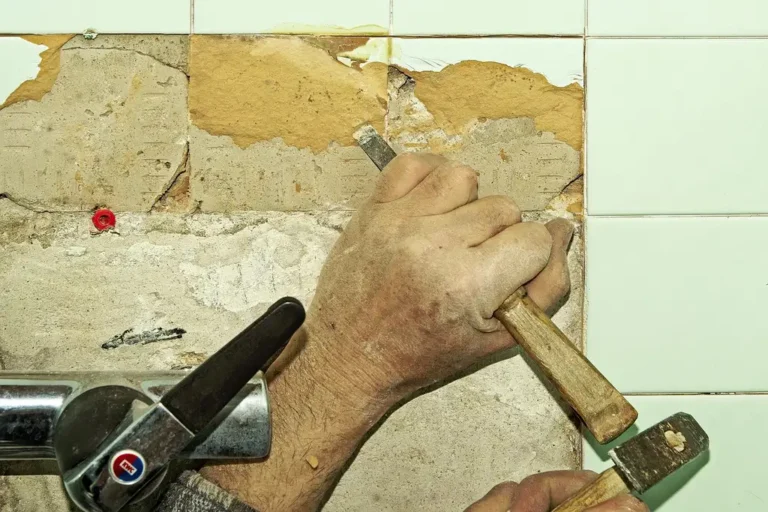
Start by confirming the wall is dry, firm, flat, and free of contamination. Then clean off grease, scrape loose paint, trim torn paper, and fill or level flaws that would telegraph through tile. Use primer only where the surface needs it, and choose an adhesive that matches both the tile and the room conditions.
What to use instead of drywall
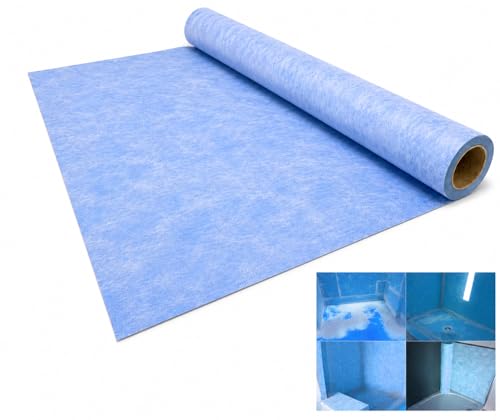
Use cement backer board or another approved wet-area tile backer where drywall is not acceptable. In showers and tub surrounds, that usually means a cement board substrate plus a waterproofing membrane system. The membrane may be liquid-applied or sheet-type, but it belongs on an approved base, not on bare drywall.
Cement backer board
Cement backer board is the preferred alternative in wet areas. It is more rigid than drywall and is the standard substrate for showers and tub surrounds. It does not soften the way gypsum board can when water reaches it. That makes it the safer choice wherever the wall will see direct water contact. It is the material most tile-industry methods call for when the installation needs a true wet-area substrate.
Waterproofing membrane systems
A waterproofing membrane is used to keep moisture out of the wall assembly, but only when the rest of the system is built for wet service. Some systems go over cement board or another approved substrate. Schluter Kerdi can be installed over drywall according to the cited guide, but that is a system-specific exception, not permission to tile a bare shower wall with standard drywall and ordinary prep. Follow the manufacturer’s waterproofing membrane instructions exactly when using that type of assembly.
When green board is still not enough
Moisture-resistant drywall, or green board, is explicitly not waterproof. It can help in some humid or splash-adjacent dry rooms, but it is not a shower substrate and should not replace cement board in a wet zone. If the wall gets direct spray or repeated saturation, move to a true wet-area system.
Can you tile over green board or moisture-resistant drywall?
Usually yes only in the same dry or low-splash places where ordinary drywall would be acceptable. Green board is not waterproof, so it does not upgrade a shower or tub surround into a safe tile base. Treat it as a limited moisture-tolerant panel, not as permission to skip wet-area backer board.
What adhesive should you use on drywall?
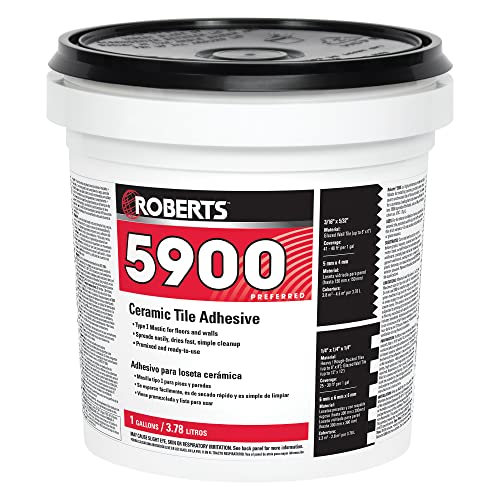
For most dry-room drywall tile installs, use a polymer-modified thinset mortar unless the tile manufacturer or adhesive label says otherwise. Mastic is limited to small wall tile in truly dry interior areas and only where the product label allows it. In wet or high-moisture areas, follow the substrate system requirements rather than choosing adhesive first. Thinset mortar guidance from a major manufacturer is consistent with that approach.
- Check the wall location for direct water, splash, or only dry-room humidity.
- Inspect the drywall face for loose paper, soft spots, peeling paint, and bad patches, then scrape off anything chalky or flaking.
- Verify the panel is firmly fastened, flat, and free of grease, dust, soap residue, and loose compound.
- Choose the tile and adhesive together: polymer-modified thinset for most dry-wall installs; mastic only for small wall tile in dry areas where the product allows it.
- Prime exposed joint compound or problem paint areas only when needed, using a compatible primer.
- Switch to cement backer board or a waterproofed system for showers, tub surrounds, and any direct-spray location.
Frequently asked questions
Where is it safe to put tile on drywall?
Safe locations include kitchen backsplashes, half-bath walls outside the splash path, vanity walls, and some laundry room walls. These are dry or low-splash areas, not wet zones. The drywall must be firmly fastened, free of loose paper, and clean enough that dust, grease, or old repair material will not block adhesion.
Can you put tile on drywall in a bathroom?
Sometimes. A bathroom wall outside the shower or tub surround can be fine if it stays dry and the drywall is in good shape. The shower wall, tub surround, and any area with direct spray are different. Those need cement board or another approved wet-area assembly instead of bare drywall.
Can you tile over painted drywall?
Yes, if the paint is clean, sound, and not overly slick. Painted drywall can be tiled over when the coating is stable and the surface is properly prepared. Glossy or contaminated paint raises bond risk, so cleaning and surface evaluation matter. If the paint is failing, remove it or change the substrate.
Do you need primer before tiling over drywall?
Not always. Exposed joint compound should be primed before tiling, and selective priming can help on patched or painted areas in dry installs. It is not a cure for loose paper, dust, grease, or an improper wet-area application. Primer helps bond; it does not turn drywall into a shower substrate.
What kind of thinset should be used on drywall?
Polymer-modified thinset mortar is the usual recommendation for drywall-backed wall tile in dry areas because it offers better bond strength and flexibility. Mastic may be acceptable for small wall tile in dry rooms if the product allows it, but it is not for wet areas or natural stone. Check the adhesive label, the tile packaging, and the substrate limits before you start.
Sponsored / affiliate links. As an Amazon Associate I earn from qualifying purchases. I may earn additional commission from eligible campaigns.