When to Caulk vs Grout Tile Joints in Bathrooms and Kitchens
Use grout for tile-to-tile joints that stay in the same plane, and use color-matched caulk or leave a proper movement joint at changes of plane, substrate transitions, perimeters, and other spots where movement or water stress is expected. Wrong filler choice leads to cracked grout, loose tile, trapped moisture, and repeated repairs. This guide maps bathroom and kitchen tile joints so you can identify each one and choose grout, caulk, or no filler based on movement, moisture, and the joint type.
This guide is part of our Tile installation guide series.
| Decision factor | When to caulk | grout tile joints in bathrooms and kitchens | Winner |
|---|---|---|---|
| Movement tolerance | Best where the joint opens and closes a little, such as corners, perimeters, and fixture transitions. | Best where adjacent tile stays in the same plane and the assembly is not expected to move much. | When to caulk |
| Wet-area performance | Strongest choice for shower corners, tub edges, and splash-prone transitions when the sealant is 100% silicone. | Works in tile fields, but grout is not the right filler at joints that must flex under water exposure. | When to caulk |
| Appearance and finish options | Available as paintable acrylic latex or color-matched silicone, depending on the joint and location. | Offers a harder, more uniform look across tile fields, with sanded or unsanded options for joint width. | tie |
| Repair burden | Failed sealant can be cut out and replaced, but recurring movement may keep breaking it if the joint type is wrong. | Failed grout at a movement joint usually cracks again until the joint is changed to a flexible fill or left open. | tie |
| Best fit use case | Transitions, corners, edges, dissimilar materials, and wet joints that need flexibility. | Tile-to-tile field joints that stay within the layout grid. | tie |
Tile joints explained
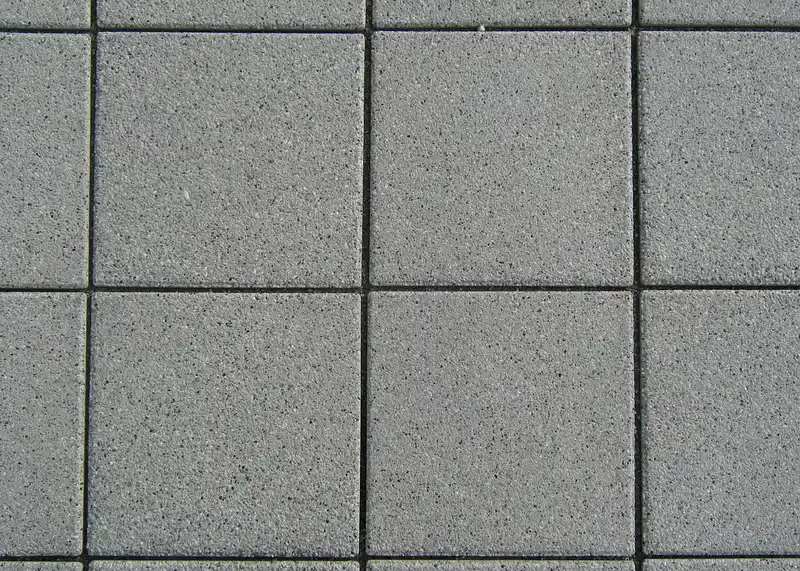
Start with the joint type, not the product. A field joint sits between two pieces of tile in the layout. A change of plane is where a wall meets a floor, another wall, a tub, or a shower pan. A perimeter joint sits at the edge of the tile assembly where it meets the room or fixture. A dissimilar-material transition is where tile meets wood, metal, drywall, stone, or a manufactured fixture.
Field joints versus movement joints
Field joints are the places where grout belongs. Movement joints are the places where grout cracks first, because the materials on either side expand, contract, or shift at different rates. In most bathroom and kitchen work, movement joints belong at corners, edges, and transitions, not across the middle of the tile field.
Think of grout as a hard filler for the tile grid. Think of caulk as a flexible sealant for joints that need to move a little. Leave an open movement joint when the assembly calls for it and the detail will be hidden by trim, a fixture flange, or another finished edge.
Changes of plane and perimeter joints
Changes of plane include wall-to-wall and wall-to-floor intersections. These are common failure points if they are grouted solid, because the adjacent surfaces do not behave like one piece. Perimeter joints at the room edge do the same job on a larger scale: they let the tiled surface move without forcing cracks into the field.
Suppose a shower wall meets a shower pan at a 90-degree corner. That corner needs a flexible joint, not hard grout, because the pan, wall framing, and tile backer do not all move the same way.
Dissimilar-material transitions
When tile meets a bathtub, a sink, a countertop, a metal trim strip, or a painted wall, the joint usually needs caulk or an open movement joint. Different materials expand and contract differently, and the joint must absorb that difference instead of locking it in place. That is the main reason caulk often belongs where tile meets fixtures or trim.
A common first-timer mistake is grouting a backsplash tight to a countertop and then seeing a hairline crack appear along the seam within a season of normal use. The field tiles may be fine. The transition is the problem.
Joint decision table
This map helps you sort the joint before you reach for a tube or a bag. The recommended fill depends on movement, moisture, and what the tile is touching. If the joint is a change of plane or a dissimilar-material transition, grout is usually the wrong default.
| Location | Expected movement | Water exposure | Recommended fill | Common failure symptom |
|---|---|---|---|---|
| Inside corner of shower walls | Moderate | High | Silicone caulk | Cracked grout or split sealant bead |
| Wall-to-floor intersection in a bathroom | Moderate | Low to medium | Silicone caulk or open movement joint | Corner cracking and edge powdering |
| Tile to bathtub deck | Moderate | High | Silicone caulk | Gaps, staining, or recurring mildew |
| Tile to shower pan | Moderate | High | Silicone caulk | Separated bead or cracked hard filler |
| Shower niche corners | Moderate | High | Silicone caulk | Corner splits and darkened joints |
| Tile to sink backsplash | Low to moderate | Medium | Silicone caulk | Open seam or staining behind the sink |
| Countertop to backsplash | Moderate | Low to medium | Silicone caulk | Hairline crack or pulled-away bead |
| Floor perimeter at baseboard or shoe trim | Moderate | Low | Leave open or use matching caulk if exposed | Edge cracking or tenting stress |
| Tile to metal trim | Low to moderate | Low to medium | Silicone caulk | Debonding at the trim edge |
| Tile to drywall return | Low to moderate | Low | Acrylic latex caulk if paintable finish matters | Visible crack line at the joint |
| Tile-to-tile field joint on a wall | Low | Low to medium | Grout | Normal grout wear or surface haze |
| Tile-to-tile field joint on a floor | Low | Low to medium | Grout | Grout loss from traffic, not flexing |
| Transition from tile to wood threshold | Moderate | Low | Silicone caulk or open movement joint | Cracking where materials meet |
| Backsplash splash zone behind a sink | Low to moderate | Medium | Silicone caulk at edges and corners | Mildew-stained seam or loose edge |
Use this table as a field guide. If the joint is at a boundary, a corner, or a fixture, flexible sealant usually beats grout. If the joint is between tiles inside the layout and the assembly is stable, grout is usually the right fill.
When should you use caulk?
Use caulk when the joint needs to move, when tile meets another material, or when the location sees regular water. Corners, perimeters, bathtub edges, shower pans, and backsplash transitions are all common caulk locations. If the joint is expected to flex, hard grout usually fails first.
Corners and edges that move
Inside corners are the clearest case for caulk. Wall-to-wall and wall-to-floor corners move more than flat field joints, so rigid grout cracks there. Perimeter joints at the edge of the tile field often need the same treatment, especially when the tile abuts framing, trim, or a tub deck.
Do movement joints in tile need caulk instead of grout? In most bathroom and kitchen details, yes. The point of the movement joint is to absorb expansion and contraction, not to lock the edge in place.
Tub, shower, and sink transitions
Use caulk where tile meets a bathtub, shower pan, or sink backsplash. These transitions see water, cleaning, and small shifts in the surrounding assembly. 100% silicone is the first choice in wet areas because it stays flexible and handles frequent water exposure better than paintable options.
Can you grout where tile meets a bathtub or shower pan? Not as the normal choice. That joint usually belongs to a flexible sealant, because the tub or pan moves differently from the wall tile assembly.
Kitchen backsplash and counter joints
Should you use silicone or acrylic caulk around kitchen backsplash tile? Silicone is the safer pick where water or sink splash is common, especially at the countertop seam. Acrylic latex can make sense where the joint is dry and paintability matters more than movement or water resistance.
Picture a 4-foot backsplash above a sink where the counter edge flexes slightly under load and cleaning water hits the seam every day. Silicone at the countertop joint is less likely to split than grout or a stiff paintable caulk.
When should you use grout?

Use grout for tile-to-tile joints inside the field of the layout when the surfaces stay in the same plane and the assembly is not expected to move much. Grout gives a hard, finished look and fills the narrow gaps between tiles. It does not belong in most movement joints.
Tile-to-tile field joints
Field joints are the classic grout location. They connect one tile to the next across the wall or floor, and they are meant to stay visually continuous. If the joint is part of the tile pattern and not a boundary, grout is usually the right filler.
What joints in a shower or bathroom should never be grouted? Inside corners, wall-to-floor edges, and tile-to-fixture transitions are the ones to leave flexible. Those spots are movement joints, not field joints.
Sanded versus unsanded grout
Grout joint width affects the grout choice, not the movement-joint choice. Sanded grout is typically used in wider tile-to-tile joints, while unsanded grout is used in narrower joints or delicate tile surfaces that could scratch. The width of a movement joint does not make it a grout joint.
How wide can a tile joint be before grout or caulk fails? There is no single cutoff that fits every assembly. Wider joints need the right product geometry, surface prep, and in sealant joints, support such as backer rod so the sealant can bond correctly.
Where joint width changes the decision
Grout width tells you which grout form to choose. It does not turn a corner into a grout joint. If the joint is wide because the tile meets another surface, that joint may need backer rod and sealant, or it may be left open as a movement joint depending on the detail.
Backer rod helps control sealant depth in wider gaps and helps keep the sealant from sticking to three sides. That geometry lets the joint flex instead of tearing from the inside. Use the rod when the joint is deeper than a surface bead should fill, and follow the sealant maker’s instructions for the final profile.
Which caulk works best?
For wet areas, 100% silicone is usually the best first choice. For joints that need paintability and only modest movement, acrylic latex caulk can work in drier locations. The right pick depends on moisture, motion, and whether the joint sits between similar or dissimilar materials.
100% silicone for wet areas
Use 100% silicone at shower corners, tub-to-tile joints, shower pan edges, sink backsplashes, and other frequent water exposure points. It resists water better than paintable latex blends and stays flexible longer in moving joints. The tradeoff is that it usually cannot be painted.
What kind of caulk should I use for tile joints in wet areas? Start with 100% silicone unless the assembly specifically calls for another sealant type. Wet areas are not the place to prioritize paintability over moisture resistance.
Acrylic latex where paint matters
Acrylic latex caulk is the paintable choice when the joint is relatively dry and appearance matters more than maximum movement. It can suit a tile-to-drywall return, a dry trim edge, or a lightly stressed joint that will be painted. It is less forgiving than silicone in wet or high-movement spots.
Backer rod and sealant depth
For deeper or wider sealant joints, use backer rod before caulking. It supports the sealant shape and helps avoid three-sided adhesion, which can split a bead as the joint moves. Do not guess at sealant depth; shape the joint so the product can do its job and follow the label for the exact application.
What should you never grout?
Do not grout most changes of plane, perimeter joints, or dissimilar-material transitions in most cases. Those joints exist to move, and grout locks them in place. In bathrooms and kitchens, that mistake shows up fast at corners, edges, tubs, pans, and fixtures.
Inside corners
Inside corners at walls or niches should generally get flexible sealant, not grout. If the corner is cracked already, that is a sign the joint needed movement accommodation from the start. Cut out the rigid fill and replace it with the proper flexible detail.
Wall-to-floor edges
Wall-to-floor intersections are movement joints in most tiled rooms. The floor and wall move differently, even when the difference is small. Grouting that seam often leads to cracking along the edge and a visible break in the finish.
Tile-to-fixture and trim transitions
Do not grout where tile meets a bathtub, shower pan, sink, counter, metal trim, or similar fixture. Those transitions need flexibility. If the joint stays open, that can be correct too, as long as the assembly detail is meant to be an open movement joint.
Repair failed tile joints
Repair starts with the failure mode. Cracked grout at a corner points to a joint that needed flexibility. Split silicone often means the bead was too thin, too deep, contaminated, or attached to the wrong surfaces. Recurring mildew usually points to moisture, poor ventilation, or a sealant that has aged out.
Replace cracked grout
Remove cracked grout at movement joints and replace the detail with caulk or an open joint, depending on the assembly. If the crack is in a true field joint, clean out the loose material and regrout with the correct type for that width. A crack at a corner is a clue, not a mystery.
Remove and recaulk failed silicone
Cut out all loose silicone before recaulking. New sealant will not bond well over old residue, soap film, or mildew. Clean and dry the joint, install backer rod if needed, and apply a fresh bead that fits the joint rather than bridging a gap with a skinny line of sealant.
Stop recurring mold and gaps
If mold keeps returning, look beyond the bead. Poor air movement, constant splash, standing water, and an oversized joint can all shorten sealant life. Clean, dry, and re-detail the joint only after the surrounding surface is ready to accept it. Otherwise the same failure returns.
Verdict: When to caulk or grout tile joints in bathrooms and kitchens?
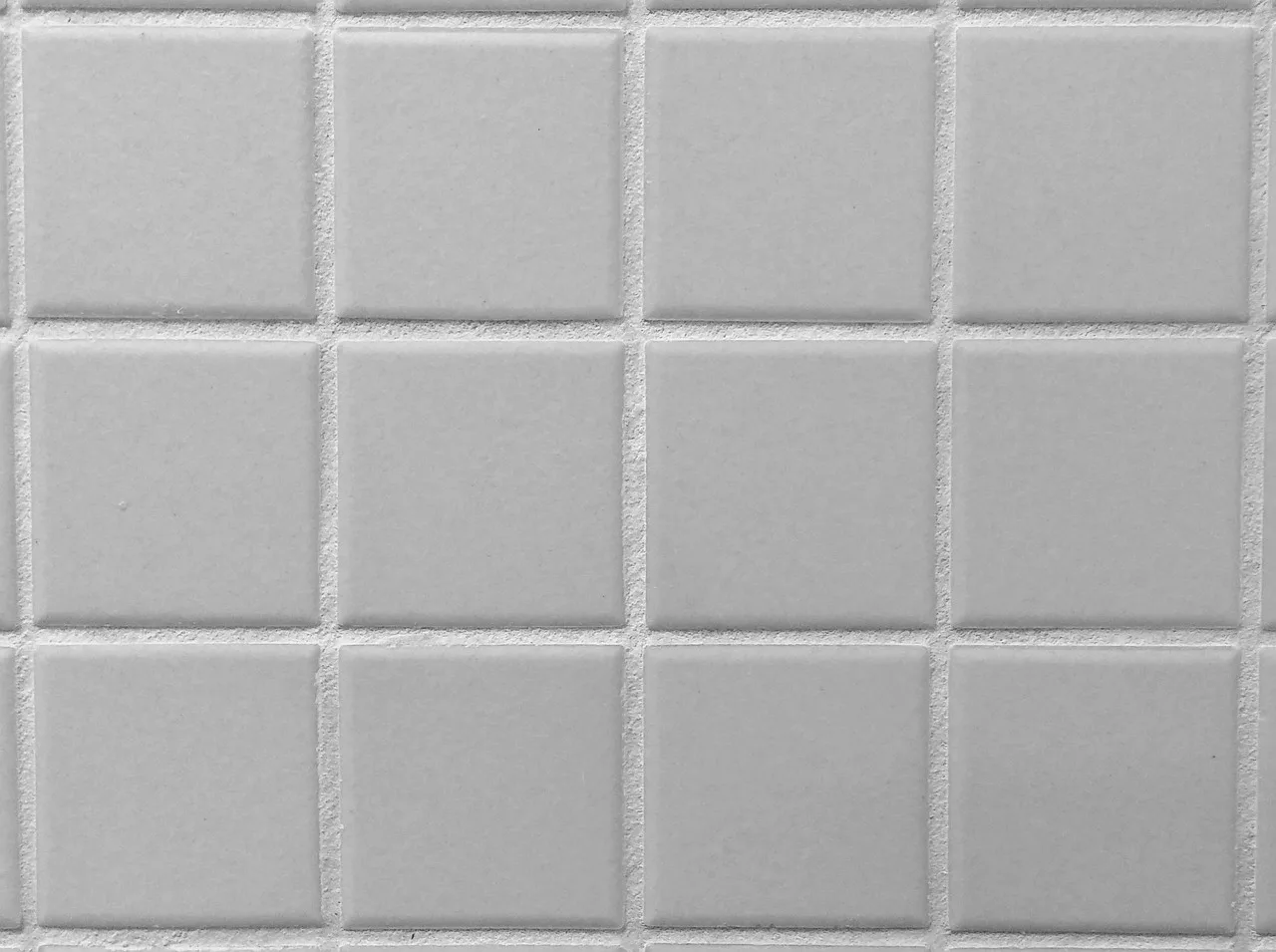
Choose When to caulk if the joint is an inside corner, wall-to-floor edge, bathtub edge, shower pan corner, sink backsplash seam, countertop-to-backsplash transition, or other boundary where movement, water, or a dissimilar material meet.
Choose grout tile joints in bathrooms and kitchens if the joint is a tile-to-tile field joint that stays in the same plane, inside the layout grid, and is not expected to move much.


Frequently asked questions
When should I caulk tile corners instead of grouting them?
Caulk tile corners whenever the joint is a change of plane, such as wall-to-wall or wall-to-floor. Those corners move more than flat field joints. Grout belongs between tiles in the layout, while corners usually need flexible sealant or, in some assemblies, an open movement joint.
What joints in a shower or bathroom should never be grouted?
Do not grout inside corners, wall-to-floor edges, tub-to-tile transitions, shower-pan edges, or the joint around niches and fixtures. These are movement joints, and rigid filler cracks there. Use flexible sealant or leave the joint open if the detail is designed that way.
Can you grout where tile meets a bathtub or shower pan?
That joint usually should not be grouted. A bathtub or shower pan moves differently from the tile wall, so a rigid filler cracks easily. A flexible sealant, usually 100% silicone in wet areas, is the better choice for that transition.
What kind of caulk should I use for tile joints in wet areas?
Use 100% silicone in wet areas such as shower corners, tub edges, and sink splash zones. It is the better fit when water exposure is frequent and movement is expected. Acrylic latex is more paintable, but it is usually the weaker choice for those joints.
How wide can a tile joint be before grout or caulk fails?
There is no universal width limit that guarantees success or failure. The joint type matters more than the number. Wider sealant joints need proper geometry, often with backer rod, while grout width mainly affects sanded versus unsanded selection in tile-to-tile field joints.
Should I use silicone or acrylic caulk around kitchen backsplash tile?
Use silicone where the backsplash meets the countertop or sink area, because water and movement are more likely there. Acrylic latex is best reserved for dry, paintable trim lines where flexibility is a smaller concern. For most sink-adjacent backsplash joints, silicone is the safer call.
How do I know if a tile joint is a perimeter joint or a field joint?
A field joint is between two tiles in the layout. A perimeter joint sits at the edge of the tile assembly where it meets a wall, floor boundary, fixture, trim, or other material. If the joint marks a boundary, it is usually not a grout joint.
Sponsored / affiliate links. As an Amazon Associate I earn from qualifying purchases. I may earn additional commission from eligible campaigns.