Best Caulk for Wood Joints and Trim Repairs
Paintable acrylic latex caulk is commonly recommended for tight interior trim gaps under about 1/4 inch, siliconized acrylic near moisture, and polyurethane or advanced polymer sealant for exterior moving joints; repair damaged wood with filler or epoxy. The wrong choice cracks, shrinks, peels, or traps water, which can mean recurring repainting and rot. This guide sorts common wood repairs by joint movement, gap size, and exposure, then explains what to buy and when to skip caulk.
Wood joint decision table


The right product depends on what the joint is doing. If the opening is only cosmetic, a small paintable bead is usually enough. If the joint moves, sees rain, or has missing wood, caulk alone is the wrong fix.
| Problem type | Gap width | Movement level | Paintability | Common failure mode | Best repair method |
|---|---|---|---|---|---|
| Interior painted trim hairline crack | Up to 1/8 inch | Low | Needed | Thin bead shrinks or feathers out | Hairline paintable caulk |
| Trim-to-wall joint with seasonal movement | Up to 1/4 inch | Low to moderate | Needed | Adhesion loss on dusty paint or glossy surfaces | Siliconized acrylic or paintable silicone caulk |
| Exterior trim, fascia, or brick mold transition | Up to 1/2 inch when the joint is sound | Moderate to high | Often needed after cure | Cracking from sun and temperature movement | Flexible exterior sealant, often with backer rod |
| Deeper gap that would waste caulk | Wider or deeper than a surface bead should span | Any | Depends on topcoat | Sinking, splitting, or slow cure in deep voids | Backer rod plus caulk |
| Missing wood, rot, or broken edge | Irregular or widened loss of material | Not a sealant job | Yes, after shaping | Caulk tears away or hides continuing decay | Wood filler or epoxy |
For concrete fillers, some manufacturers also tie the filler size to the gap size, and one product line lists sizes from 3/16 inch through 1-3/8 inch. That is a reminder that joint width and depth matter before you buy anything.
How to choose by gap size, movement, and paintability
Start with three checks: how wide the joint is, whether the joint moves, and whether you need paint to stick to the final bead. Painted interior trim usually needs a paintable caulk. Exterior wood trim needs a more flexible sealant because weather movement is stronger.
Joint size means more than width. Depth matters too, because a bead that is too deep uses excess material and a bead that is too shallow can skin over, split, or lose support. If the opening is large enough to take a thick bead, add backer rod first.
When the joint is damaged wood rather than a clean seam, stop thinking about caulk. Caulk follows movement. It does not rebuild a missing edge, fill a crushed corner, or replace rotten fibers.
What is the best caulk for wood trim?
For most painted wood trim, the best choice is a paintable acrylic latex or siliconized acrylic caulk for small gaps. Use paintable silicone caulk where the label calls for paintability and the repair needs more flexibility than plain latex offers. Pure silicone is not paintable.
For interior trim, a clean bead matters. Acrylic latex caulk is common because it is paintable and easy to tool on trim meeting walls. Siliconized acrylic is a frequent upgrade when you want a bit more flexibility without giving up paint adhesion.
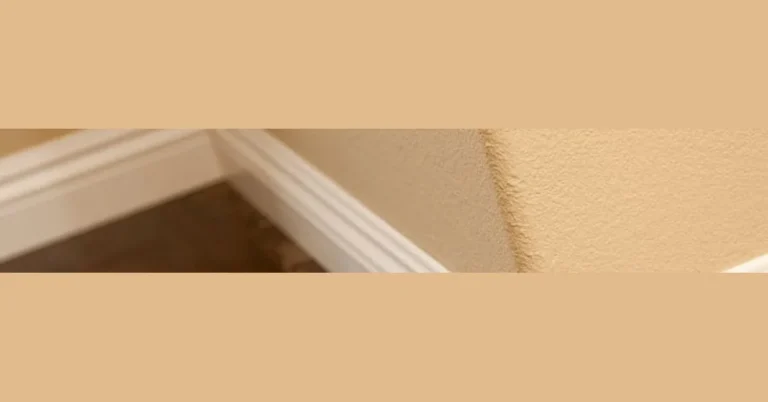
Picture a bedroom baseboard with a 1/8-inch gap after drywall movement. Paintable caulk is the right repair. Picture the same baseboard where the corner has split and wood is missing. That needs filler or epoxy first.
What caulk works for interior trim that needs painting?
Interior painted trim usually calls for a paintable bead that will take finish paint cleanly. Acrylic latex caulk is common for that job. Siliconized acrylic caulk is also common on trim and molding because it remains paintable and handles movement better than plain latex in many applications.
Paintable silicone caulk belongs in the narrower category of joints where the label specifically allows paint and the joint needs silicone-like performance. Silicone caulk by itself will not accept paint, so it is a poor choice for finish trim that will be painted later.
Use small beads on clean, sound surfaces. Dust, chalky paint, and peeling layers weaken adhesion. Old caulk that has started to shrink or crack should come out before you recaulk.
Can I paint over caulk on wood trim?
Yes, if the product is paintable and has cured according to the label. Acrylic latex and siliconized acrylic are the usual choices for trim because they accept paint. Pure silicone does not accept paint, so it should not be used where a painted finish is required.
Paintability is not the only issue. The surface must also be sound. Fresh caulk over dusty trim, glossy old enamel, or failing paint often peels with the paint layer. Clean the joint and remove loose material first.
Should you use caulk or wood filler?

Use caulk for joints that need flexibility and a clean paint line. Use wood filler or epoxy when the wood is missing, broken, or needs shaping. Caulk is for movement. Filler is for rebuilding material. If you confuse those jobs, the repair fails early.
Use wood filler for missing wood and shaping
Wood filler is the better choice when you need to rebuild a nicked corner, fill a gouge, or smooth a torn section before sanding and painting. It is not flexible, so it should not span a joint that opens and closes with seasonal movement.
Filler can be shaped and sanded after cure, which makes it useful on small repair areas where the original profile matters. It is not the right material for a trim-to-wall seam that moves.
Use epoxy for damaged sections that need rebuild work
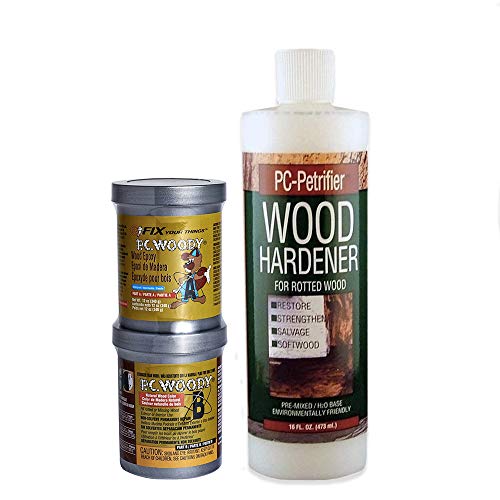
Epoxy is better than caulk when the damage goes beyond a surface blemish and part of the wood is missing or soft. It can rebuild sections that need strength and shape before priming and painting. It is still not a moving-joint sealant.
For rot or severe breakage, repair the substrate first. Caulk over failing wood only hides the problem and usually cracks again as the damaged area shifts.
Use caulk only for movement joints and finish gaps
Caulk belongs where two stable surfaces meet and the gap is small enough for a flexible bead. That includes painted trim meeting drywall, casing around doors, and some exterior trim seams. It does not replace lost material.
Old caulk can shrink, crack, and fall out as the joint moves and weather changes. That is a maintenance issue, not a sign to switch to thicker caulk without checking the substrate.
What caulk should you use for exterior trim?
For exposed exterior wood trim, use a flexible exterior-grade sealant that can handle sun, moisture, and seasonal expansion and contraction. Exterior wood moves more than interior trim, and the joint often sees direct weather exposure. Pure silicone is still useful around wet areas, but it is not paintable.
Exposed exterior wood trim and weather movement
Outside the home, caulk is used at wood trim, windows, doors, and penetrations. It helps keep water from entering where it is not wanted. On exterior fascia, brick mold, and trim-to-cladding transitions, the joint often fails because the materials move at different rates.
That movement means a standard interior caulk is a weak fit. A flexible exterior sealant has better movement tolerance, which helps the bead survive sun and temperature swings.
Where backer rod helps in wider exterior gaps
Backer rod is used to control joint depth and support deeper gaps. It also helps limit sealant use in wider openings. Put it in the joint before applying caulk when the gap is too deep for a proper surface bead alone.
A common first-timer mistake is trying to fill a wide exterior seam with caulk only. The top skins over while the center stays under-supported, then the bead sinks, splits, or releases from one side.
Exterior brick mold pulling away by about 3/8 inch along one edge is often better repaired with backer rod plus exterior sealant. A backer rod plus exterior sealant is more appropriate than trying to bridge the whole cavity with one heavy bead. The depth is controlled, the bead stays supported, and you use less material.
How do you keep caulk from failing?
Failure usually comes from the substrate, the joint size, or the product choice. Clean the joint, remove loose old caulk, match the material to the gap, and follow the label for cure time and paint timing. Old caulk can shrink, crack, and fall out if those basics are ignored.
- Remove failing caulk and any loose paint or dust.
- Check whether the wood is sound or needs filler or epoxy first.
- Measure the gap width and depth before you choose a product.
- Add backer rod for deeper or wider joints that should not be filled solid.
- Use the caulk type that matches movement and paint requirements.
- Tool the bead and follow manufacturer instructions for cure and cleanup.
Old paint matters. Dusty edges and glossy finishes can block adhesion, especially on interior trim where the bead is small and needs a clean bond line. End grain on wood can also draw liquid out of the bead faster than expected, which leaves a weak edge if the joint is not prepared well.
Basic caulking tools are enough for most repairs: a caulk gun, a utility knife, a putty knife or scraper, and a damp cloth for cleanup. These products are widely sold at hardware stores, so the bigger decision is usually not availability. It is fit.
Frequently asked questions
What is the best caulk for wood to wood joints?
For wood-to-wood joints that need to stay flexible, use a paintable siliconized acrylic or a flexible exterior sealant if the joint is outside. If the joint is tight and interior, acrylic latex can work well. If the wood is damaged or missing, switch to filler or epoxy first.
What caulk sticks best to wood joints?
The best adhesion comes from the right product on a clean, sound surface. For painted trim, acrylic latex or siliconized acrylic usually performs well when the paint is solid and the joint is prepared. Dust, failing paint, glossy finishes, and wet wood weaken bond strength fast.
How do I stop caulk from shrinking and cracking on wood?
Choose the right material for the movement level, keep the joint clean, and avoid overfilling deep gaps. Use backer rod where needed, and do not apply caulk over loose paint or failing old sealant. Shrinkage and cracking are common when the bead is unsupported or the substrate moves too much.
Should I use caulk or wood filler for trim repairs?
Use caulk for small gaps that need flexibility, especially where trim meets walls. Use wood filler for chips, dents, and missing wood that need shaping and sanding. For soft or rotted sections, epoxy is often the better rebuild material before you prime and paint.
Sponsored / affiliate links. As an Amazon Associate I earn from qualifying purchases. I may earn additional commission from eligible campaigns.