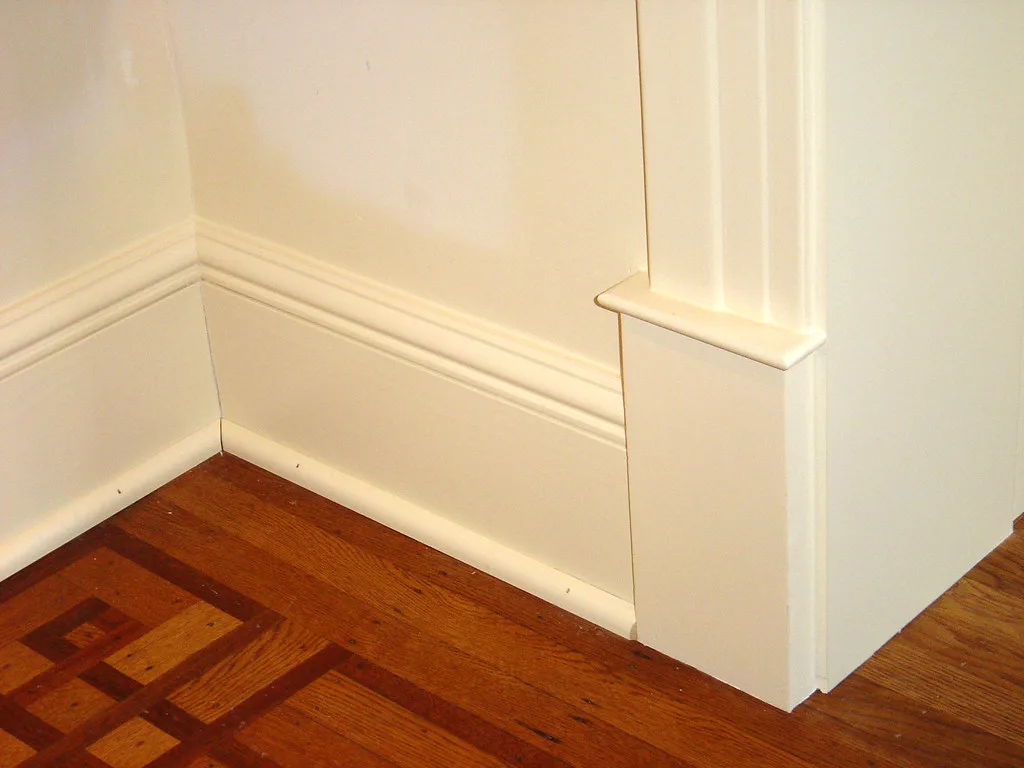
3 Best Caulk for Baseboards and Trim (2026): we compared
For many baseboards, crown, and interior trim jobs, a paintable siliconized acrylic caulk works well for gaps up to about 1/4 inch; use plain acrylic latex for tight, low-movement joints, and backer rod plus sealant for larger gaps. Pick the wrong type, and you get cracked beads, shrink lines, or paint that will not cover cleanly. This guide shows which caulk to buy by gap width, paintability, and how much seasonal trim movement to expect.
Quick comparison
| Product | Badge | Best for | Price | ||
|---|---|---|---|---|---|
 |
Dap Alex Flex White Acrylic Latex Interior Molding and TrimDAP | Our pick | Flexible acrylic latex for trim, paintable in 30 minutes | $58.39
Price as of 11 Oct 2026
|
View |
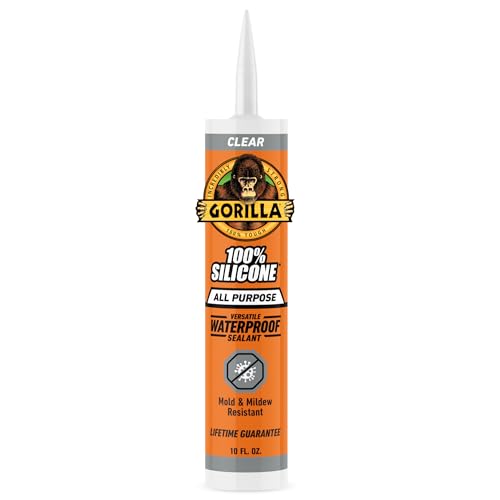 |
Gorilla 100% Silicone Waterproof Caulk, Clear, 10 ozGORILLA | Also great | 100% silicone, waterproof, mold/mildew-resistant | $9.84
Price as of 11 Oct 2026
|
View |
 |
Red Devil 0746 Painter’s Caulk, 10.1 oz, Paintable AcrylicRed Devil | Budget pick | Acrylic latex, paintable in 2 hours, water cleanup | $32.60
Price as of 11 Oct 2026
|
View |
 |
Minwax Fast Drying Polyurethane Protective Wood Finish,Minwax | Pair with it | Clear satin polyurethane wood finish for protection | $8.99
Price as of 11 Oct 2026
|
View |
If you want one general-purpose pick, start with a paintable siliconized acrylic trim sealant. If the joint is wider or keeps reopening, move to a hybrid polymer or acrylic urethane formula instead of forcing standard latex to do a harder job.
How we chose
The comparison below uses four practical filters for interior trim: gap width, movement tolerance, paintability, and cure timing. Humidity resistance matters too, mainly in kitchens, baths, and other rooms where moisture lingers.
Also check finish compatibility. A bead that disappears on flat paint can stand out on semi-gloss or glossy trim, especially in bright side light.
- Gap width: hairline seams, 1/8-inch gaps, and 1/4-inch gaps do not need the same chemistry.
- Movement tolerance: settling houses and loose trim need more stretch than fixed, well-fastened molding.
- Paintability: some products are paint-ready in about 30 minutes, while others need hours or days.
- Room conditions: humidity and splash zones change the value of mold and mildew resistance.
Dap Alex Flex White Acrylic Latex Interior Molding and Trim Sealant 10.1 Oz: best for fast paintable trim work
This fits painted baseboards, crown, and trim when you want an interior-specific sealant that is flexible, paintable in 30 minutes, and aimed at molding joints. Based on the spec sheet and buyer feedback, it suits medium-use trim gaps that still need a clean painted finish.
Its main advantage is speed. Dad Improvement lists DAP Alex Flex as paint-ready in about 30 minutes, which helps when you need to move from caulk to paint without a long pause.
The drawback is scope. It is still a paintable trim sealant, not a cure-all for wide settlement cracks or joints that keep opening every season.
Gorilla 100% Silicone Waterproof Caulk, Clear, 10 oz Cartridge: best for wet areas, not painted trim
This is for places where water exposure matters more than paintability. Gorilla’s clear 100% silicone formula is waterproof and mold- and mildew-resistant, so it fits trim-adjacent joints near sinks, tubs, and splash-prone areas better than a standard interior painter’s caulk.
The drawback is simple: 100% silicone is a poor match for most painted baseboards and crown because paint adhesion is the weak point. Use it where you do not plan to paint the bead, not as your default trim caulk.
Its fast water-ready claim is useful for small repairs, but that does not make it the right choice for visible painted molding.
Red Devil 0746 Painter’s Caulk: best for budget paintable trim
This is a practical choice when you want a basic acrylic latex painter’s caulk for interior trim at a lower upfront cost. It fits hairline seams, small baseboard gaps, and other cosmetic joints where you plan to paint the bead rather than leave it exposed.
Its selling point is convenience: water cleanup and ready-to-paint timing are friendly for simple weekend work. The drawback is that standard acrylic latex is usually less forgiving than siliconized acrylic when the joint has more movement or when the trim needs stronger adhesion to stay intact through seasonal change.
For wider or recurring cracks, it can need a second pass sooner than a stretchier trim sealant.
Minwax Fast Drying Polyurethane Protective Wood Finish, Clear Satin, ½ Pint: best for sealing wood, not caulking trim gaps
This is not a trim caulk. It is a clear satin polyurethane finish for wood protection, so it belongs on finished wood surfaces rather than in a baseboard or crown gap.
It may matter when you are dealing with raw or stained wood trim and want a protective clear finish after repairs, but it does not solve joint movement or fill seams. The drawback is that it is the wrong product category for the job this article covers.
If your goal is to close visible trim gaps, use a caulk or sealant first, then finish with paint or another compatible coating as needed.
What is the best caulk for baseboards and crown molding?
The best caulk for most baseboards and crown molding is a paintable siliconized acrylic trim caulk. It gives you the best balance of adhesion, flexibility, and finish compatibility for visible interior joints, especially when the gap is small to moderate and the trim will be painted.
Acrylic latex caulk is still fine for very tight seams. Bob Vila lists Sashco Big Stretch as best overall in a baseboard roundup, which is a reminder that movement tolerance matters more than brand name alone. For most homeowners, though, a siliconized acrylic trim formula is the safer default because it handles minor seasonal change better than plain latex.
Why the joint matters more than the room
Baseboards and crown do not all behave the same. A well-fastened painted trim joint in a dry room may only need a cosmetic bead, while a long run on an exterior wall can open and close with the seasons.
That is why the best answer is not one product for every trim line. Match the formula to the gap and to the amount of movement you expect.
Should I use acrylic latex or siliconized acrylic for interior trim?
Use acrylic latex for tight, low-movement seams and siliconized acrylic for most painted interior trim. Siliconized acrylic usually wins because it adds better adhesion and more flexibility without giving up paintability, which makes it a stronger all-around choice for baseboards and crown.
Plain acrylic latex is still useful for cosmetic hairline gaps. But once you want better crack resistance, a siliconized formula is usually the more practical pick for visible molding where seasonal movement can break a weaker bead.
Where each one fits
Acrylic latex is enough when the trim already fits well and the bead is only hiding a narrow seam. Siliconized acrylic is better when the joint is longer, the trim is glossy, or the house moves enough to reopen a basic bead.
Dad Improvement recommends DAP Alex Flex Premium Molding & Trim Siliconized Sealant for all trim types and medium-to-large gaps, and that is the right kind of logic to follow here.
How wide of a gap can trim caulk handle before it cracks?
As a rule of thumb, hairline seams and small gaps are usually fine for paintable trim caulk, while wider gaps push you toward more flexible formulas. Past that, you should start thinking about backer rod, joint repair, or a sealant designed for larger movement rather than basic latex.
Cracking usually shows up when the bead is asked to span too much width or to flex too often. A cosmetic gap can be hidden with trim caulk, but an active joint that keeps opening is a movement problem first and a filling problem second.
Cosmetic seam or movement problem?
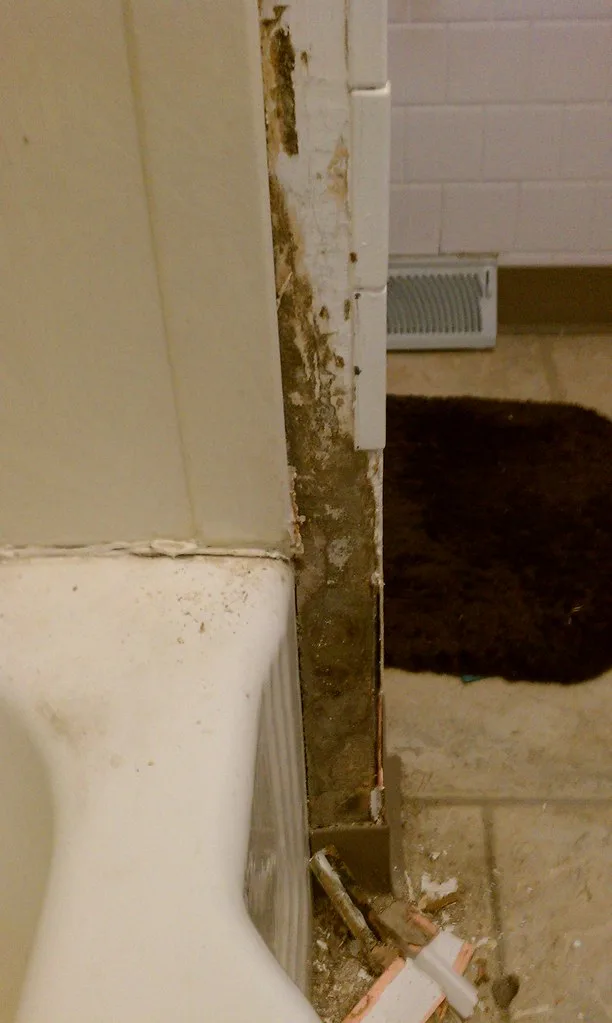
A thin line where baseboard meets wall is usually cosmetic. A recurring split along crown on an outside wall, or a gap that returns after every heating and cooling cycle, points to movement, not just appearance.
That distinction controls product choice. Basic latex is fine for cosmetic seams; wider or active joints need more stretch.
Can I paint over caulk on baseboards and crown molding?
Yes, if the label says paintable and you wait for the manufacturer’s paint-ready window. Paintability matters because interior trim is usually expected to disappear under the finish, but paint adhesion can suffer if you coat the bead too soon or use the wrong chemistry for glossy trim.
Siliconized acrylic, acrylic latex, and many hybrid formulas are made for painting. Pure silicone usually is not, which is why it should stay out of most painted trim jobs.
Where paint adhesion gets tricky
Glossy and semi-gloss trim paint can make any bead stand out if the surface was dusty, oily, or applied too heavy. A thin, tooled bead on a clean surface is far less likely to flash or telegraph through the finish.
If the trim is already high-sheen, keep the bead narrow and use a product meant to accept paint cleanly.
How fast does trim caulk become paint-ready?
Paint-ready time varies by chemistry and room conditions. Some products are ready in roughly half an hour, while others need a couple of hours or more, and full cure can take several days. Humidity slows cure, so a bead in a damp room may need longer than the label’s best-case estimate.
Do not confuse tack-free time with paint-ready time. Tack-free means the surface will not feel wet; paint-ready means the bead can accept coating without distortion, wrinkling, or poor adhesion.
Useful examples from current products
Bob Vila lists Sashco Big Stretch with a tack-free time of 30 minutes and a full cure time of 4 to 5 days. Dad Improvement says DAP Alex Flex becomes paint-ready in about 30 minutes. Red Devil’s painter’s caulk is listed as ready to paint in 2 hours.
Those numbers are not interchangeable. A bead can be dry to the touch long before it is ready for finish paint.
When should I choose a colored caulk instead of painting it?
Choose color-matched caulk when the trim color is already close to the bead you want, especially on white semi-gloss trim or wood-tone molding where a visible paint line would be more obvious than the seam itself. Colored caulk can reduce or even eliminate the need to paint.
It is useful when light hits the trim from the side and every transition shows. Sashco Big Stretch comes in 13 colors, and Bob Vila notes that it dries to a semi-gloss finish, which can help it blend better on some trim styles.
Tradeoffs versus paintable white caulk
Color-matched caulk is less flexible in one sense: it asks you to match the room’s finish more closely at the purchase stage. Paintable white caulk is more forgiving if you plan to repaint the trim anyway.
If the room has mixed lighting or the trim color may change later, white paintable caulk is usually the safer long-term choice.
What caulk works best for gaps in old house trim that keeps moving?
For old-house trim that keeps moving, choose a high-flexibility sealant such as a hybrid polymer or an acrylic urethane rather than basic acrylic latex. Extra stretch matters when seasonal movement keeps reopening the joint, because a rigid bead will crack again even if the first application looks neat.
F1 matters here: Sashco Big Stretch can stretch up to 500 percent of its original size without splitting or cracking. Bob Vila lists it as best overall, and DAP Extreme Stretch is identified as best for large gaps. That is the category to look at when the joint is active, not just ugly.
How to read the failure pattern
If the same crack returns in the same spot, the trim may be loose, underfastened, or moving against the substrate. Caulk can hide the symptom, but it cannot stop movement by itself.
Suppose a 1/4-inch crack keeps reopening at a stair landing every heating season. A standard painter’s caulk will likely fail again; a stretchier hybrid or urethane sealant is the more rational choice.
What should I use for trim gaps near bathrooms or kitchens?
Near bathrooms or kitchens, choose a caulk with moisture resistance if the joint may see steam, splashes, or repeated damp cleaning. Mold and mildew resistance matters there, but it should not be assumed for dry-room trim caulk, and it does not automatically make a product better for painted molding.
For wet-adjacent trim that still needs paint, a paintable siliconized acrylic or a hybrid formula may work better than 100% silicone. For true splash zones where paint is not the goal, a silicone waterproof sealant is often the better fit.
Do not overuse bathroom caulk on trim
Silicone-only bathroom caulk is usually the wrong answer for painted baseboards and crown because paint adhesion is poor. Use it only when moisture resistance outweighs finish requirements.
If the room is humid but the trim is painted and not directly exposed to water, a paintable trim sealant is usually the better balance.
Which one should you buy
If you want one product for most painted interior trim, buy a paintable siliconized acrylic trim caulk. It is the best all-around choice for baseboards, crown, and molding because it balances flexibility, adhesion, and paintability without pushing you into specialty territory.
Choose plain acrylic latex when the seam is hairline and movement is low. Choose a hybrid polymer or acrylic urethane when the gap is wider, the house moves more, or the bead keeps cracking.
Choose color-matched caulk when the trim finish is already the exact look you want and painting the bead would make the line more visible. Choose moisture-resistant formulas only where the room conditions justify them.
A simple field rule
Say your baseboard gap is a thin shadow line along a white wall. A paintable acrylic latex or siliconized acrylic bead is enough.
Say your crown crack returns every winter and measures closer to 1/4 inch. Start with a stretchier hybrid or urethane sealant instead of standard painter’s caulk.
Quick picks by trim situation
| Trim situation | Best caulk type | Paint? | Paint-ready timing | Main failure to watch |
|---|---|---|---|---|
| Hairline seams | Acrylic latex or siliconized acrylic | Yes | Follow label; often 30 minutes to a few hours | Thin bead shrinking below the paint film |
| 1/8-inch gaps | Siliconized acrylic | Yes | After the manufacturer’s paint-ready window | Cracking if the bead is too thin or joint moves |
| 1/4-inch gaps | Hybrid polymer or acrylic urethane | Usually yes | Often longer than fast painter’s caulk | Shrink lines or split joints if you use basic latex |
| Settling-house joints | Hybrid polymer or high-flex stretch sealant | Usually yes | Respect full cure, not just tack-free time | Repeated cracking from seasonal movement |
| Prefinished trim | Color-matched caulk | Often no | N/A if you are not painting | Visible paint line on semi-gloss or wood tone |
| Higher-humidity rooms | Siliconized acrylic or moisture-resistant sealant | Sometimes | Longer if humidity is high | Slow cure and mildew where water lingers |
How to choose the right trim caulk
Start with the gap. Hairline seams and other cosmetic joints can take a paintable acrylic latex or siliconized acrylic caulk. Once the gap gets wider, or the line keeps reopening, move up to a more flexible hybrid or urethane formula.
Then check the finish. If the trim is semi-gloss or glossy, paintability and bead shape matter more, because sloppy caulk telegraphs under light. If the trim is already the right color, a matched bead can look better than paint.
Finally, check the room. Humid spaces call for moisture resistance; dry bedrooms do not need that feature by default. A good trim caulk choice is less about the biggest label claim and more about matching chemistry to movement.
Sponsored / affiliate links. As an Amazon Associate I earn from qualifying purchases. I may earn additional commission from eligible campaigns.