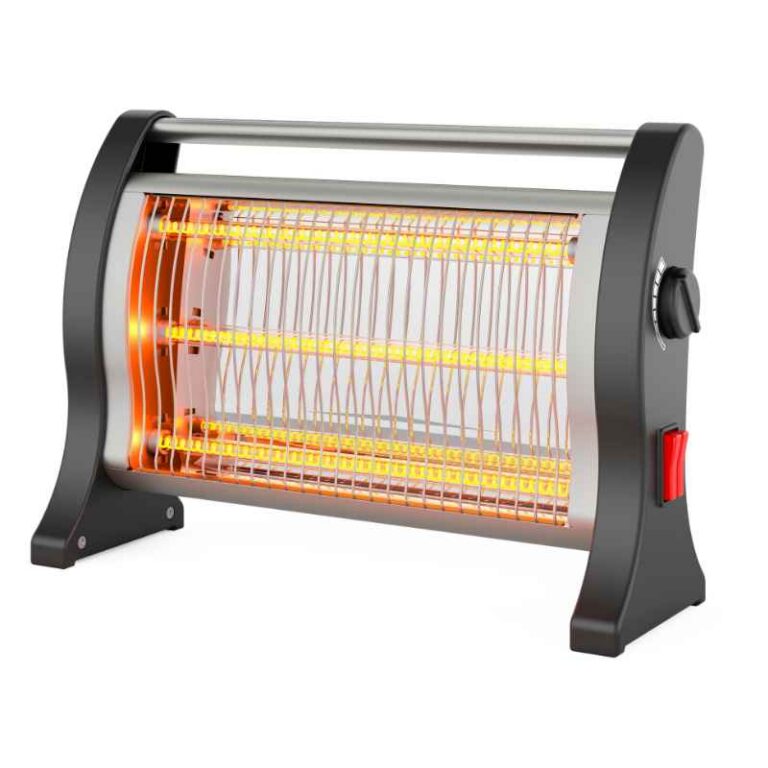
Whale Gas Space Heater Not Working: Safe Model-Specific Checks
Whale gas heaters are fixed LPG-fired space heaters built for caravans, motorhomes, and narrowboats rather than houses, so most “not working” cases trace back to the gas and low-voltage electrical systems that are unique to leisure vehicles: an empty or shut-off cylinder, a frozen or worn regulator, a flat or low leisure battery, or a blocked flue after months in storage. This guide covers the model-specific checks that are safe to do yourself before booking a Gas Safe or marine engineer, and where to stop and call one.
Check the Gas Supply First
Confirm the cylinder valve is fully open and the cylinder isn’t empty, LPG cylinders often still show pressure on a gauge while nearly empty because propane pressure only drops sharply near the very end. Feel the regulator body on the cylinder in cold weather, if it’s coated in frost or ice it has likely iced up from rapid gas draw at low ambient temperature, which is common with propane below freezing, and this cuts gas flow before it reaches the heater. Check that any inline gas isolation valve near the heater itself is open, these are easy to bump closed during storage or winterizing.
Check the 12V Power to the Heater
Whale space heaters use a low-voltage circuit to power the spark ignition and, on fan-assisted models, the circulation fan. If the leisure battery has dropped below roughly 10.5 to 11 volts, there often isn’t enough voltage to generate a reliable spark or keep the flame-failure device satisfied, so the unit may click and fail to light or light briefly then cut out. Check the relevant fuse in the vehicle or boat’s fuse panel, a blown fuse from a previous short will stop the heater dead even with good gas supply.
Inspect the Flue and Air Intake
Vehicles and boats left stored over summer are a favorite nesting spot for spiders, mud dauber wasps, and insects inside the external flue terminal or the venturi tube that mixes air and gas. A partially blocked flue can trigger the heater’s safety cutoff (a downdraft or spillage sensor if fitted) or cause poor, sooty combustion. Visually check the external flue terminal for webbing or debris and clear it with the heater off and gas supply closed.
Flame-Failure Device and Ignition Sequence
Like most fixed LPG appliances, Whale heaters rely on a thermocouple or flame-failure device that must be heated by the pilot or main flame for roughly 15 to 30 seconds before it holds the gas valve open on its own. If you’re holding the control in and the flame goes out the moment you release it, the device isn’t heating fully in time, either because of a weak flame from low gas pressure or a fault in the device itself. This is a component a technician replaces rather than something to bypass.
When to Stop and Call a Professional
Stop immediately and call a Gas Safe registered engineer or qualified marine technician if you smell gas, see soot staining around the heater or flue, notice a yellow rather than blue flame, or the heater has tripped a carbon monoxide alarm. These are combustion or venting faults, not something to keep testing in an enclosed cabin.
Frequently Asked Questions
Why does my Whale heater click but not light?
A click with no ignition usually means the piezo or spark igniter is firing but there’s no gas reaching the burner, most often from a closed valve, an iced regulator, or a near-empty cylinder. Weak battery voltage can also produce a click that’s too weak to generate a proper spark.
Is it safe to run a Whale gas heater with the windows closed?
Fixed LPG heaters like Whale units are designed with a flue that vents combustion gases outside the cabin, so they’re intended to run in a closed-up boat or caravan, unlike unflued portable propane heaters. You should still have a working carbon monoxide alarm installed and tested.
How often should the flue be inspected?
Check the external flue terminal at the start of each season, especially after winter storage, since insects and birds commonly nest in unused flue outlets over several months of inactivity.
Sponsored / affiliate links. As an Amazon Associate I earn from qualifying purchases. I may earn additional commission from eligible campaigns.
 MEGAWISE Portable Air Conditioner and Heater, 420W 110V Compact AC Unit with Remote Control, 1400W Cooling Capacity, 800W Heating, Dehumidifier, Fan, Sleep Timer, ChampagneAZEUS Portable AC and Heater Unit, 420W 110V Compact Air Conditioner for Tent RV Truck Cabin and Small Room, 1400W Cooling, 800W Heating, Remote Control, Dehumidifier, Sleep Timer, Champagne