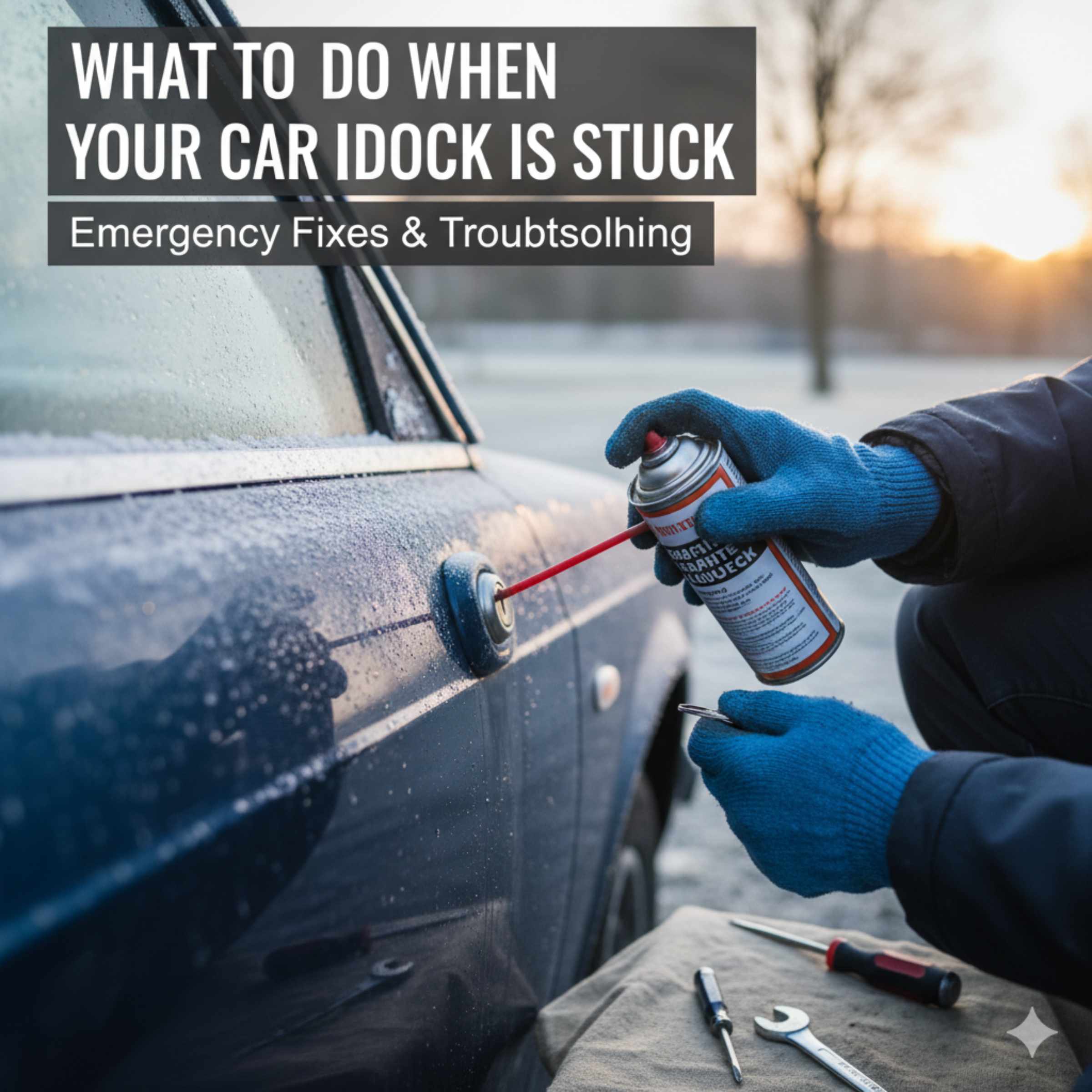
What To Do When Your Car Door Lock Is Stuck: Proven Fixes
Quick Summary: If your car door lock is stuck, don’t panic! Often, a simple fix like lubricating the mechanism, checking the key, or gently manipulating the lock can solve the problem. For more complex issues, understanding the common causes and knowing when to seek professional help is key.
It’s a frustrating moment we’ve all likely faced: you’re trying to get into your car, or perhaps trying to lock it up, and the door lock simply won’t budge. Whether it’s a stubborn key that won’t turn, a handle that feels loose, or a lock that’s completely unresponsive, a stuck car door lock can be a real hassle. But before you call for expensive roadside assistance, know that many of these common issues have straightforward solutions you can often tackle yourself. We’ll walk you through the most common reasons your car door lock might be stuck and provide simple, proven fixes that can get you back on the road with confidence. Let’s dive in and unlock those doors!
Why Is My Car Door Lock Stuck? Common Culprits
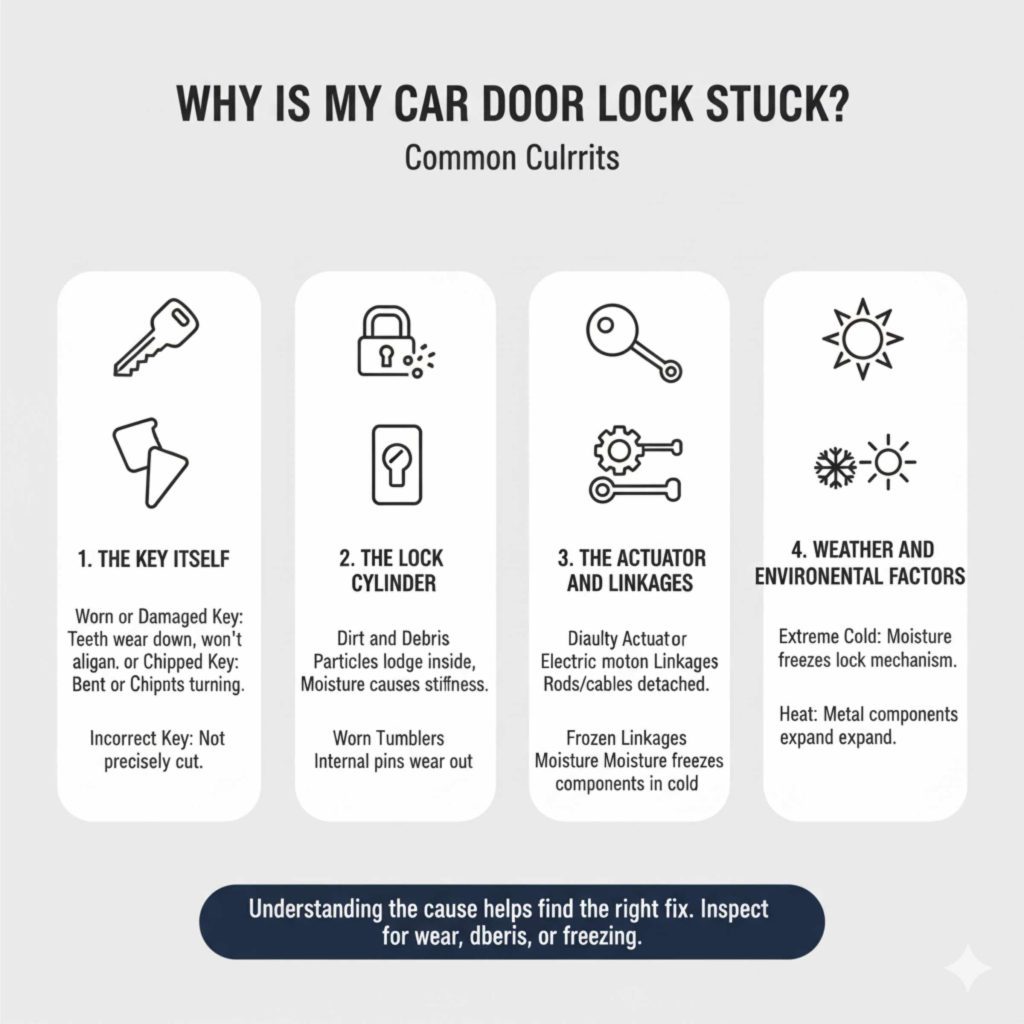
Understanding why your car door lock is acting up is the first step to fixing it. Like any mechanical component, car door locks can experience wear and tear, or be affected by environmental factors. Here are some of the most frequent reasons for a stuck lock:
1. The Key Itself
Sometimes, the simplest explanation is the right one. Your car key is the direct interface with your lock mechanism, and if it’s not in perfect condition, it can cause problems.
- Worn or Damaged Key: Over time, the teeth on your key can wear down, especially if you use it frequently. A bent or chipped key won’t align correctly with the tumblers inside the lock cylinder, preventing it from turning.
- Incorrect Key: While less common, using a key that isn’t precisely cut for your vehicle can lead to a stuck lock.
2. The Lock Cylinder
The lock cylinder is the heart of your car’s door lock system. It contains a series of pins or tumblers that must be lifted to the correct height by the key’s bitting for the cylinder to rotate and unlock the door. Several issues can affect its operation:
- Dirt and Debris: Small particles of dirt, dust, or even ice can get lodged inside the lock cylinder, preventing the pins from moving freely.
- Corrosion and Rust: If your car is exposed to moisture, especially in humid or salty environments, the internal components of the lock cylinder can rust, making them stiff and difficult to operate.
- Worn Tumblers: Just like the key, the internal pins (tumblers) within the lock cylinder can wear out over time, leading to a loose fit and difficulty in engaging with the key.
3. The Actuator and Linkages
Inside your car door, there’s a system of rods, cables, and an actuator (often an electric motor) that physically move the locking mechanism. If any part of this system fails, the lock might appear stuck.
- Faulty Actuator: This is a common issue, especially with power locks. The electric motor that moves the lock can burn out or seize up, meaning it won’t respond to commands from your key fob or the interior lock switch.
- Disconnected or Broken Linkages: The rods or cables connecting the exterior handle, interior handle, lock cylinder, and actuator can become loose, bent, or detached, preventing them from transferring motion correctly.
- Frozen Linkages: In cold weather, moisture can freeze the rods and cables, making them immobile.
4. Weather and Environmental Factors
The elements can be tough on your car’s external components, including door locks.
- Extreme Cold: Moisture trapped in the lock mechanism can freeze, rendering it inoperable.
- Heat: While less common, extreme heat can sometimes cause metal components to expand slightly, potentially making a stiff lock even harder to turn.
DIY Fixes: What To Do When Your Car Door Lock Is Stuck
Don’t worry, many stuck lock situations can be resolved with a few simple tools and a bit of patience. Here’s a step-by-step guide to try before you consider professional help.
Step 1: Inspect and Clean Your Key
Before you do anything else, take a close look at your car key. Is it bent, chipped, or excessively worn? If so, this is likely your culprit. Trying to force a damaged key can further harm the lock cylinder.
- Clean the Key: Sometimes, grime can build up on the key’s teeth, interfering with its fit. Use a soft cloth and a little bit of rubbing alcohol to clean it thoroughly.
- Check for Damage: If the key is visibly bent or damaged, you’ll need a replacement. You can usually get a new key cut at a hardware store or dealership if you have a spare.
Step 2: Lubricate the Lock Cylinder
Dirt, dust, and lack of lubrication are major enemies of smooth lock operation. A good quality lubricant can often free up a stiff or stuck lock.
What You’ll Need:
- Graphite Lubricant (Dry Powder): This is generally recommended for car locks as it doesn’t attract dust like oil-based lubricants. You can find it at most auto parts stores.
- Silicone Spray Lubricant: Another good option that won’t attract as much dirt as traditional oils.
- A Small Straw or Applicator: Many lubricants come with one.
How to Apply:
- Insert the straw: Place the straw or applicator tip directly into the keyhole.
- Apply lubricant: Give a short spray or puff of powder. Don’t overdo it; a little goes a long way.
- Work the key: Insert your car key and gently try to turn it back and forth, wiggling it slightly. Do this several times.
- Repeat if necessary: You might need to repeat the lubrication and key-wiggling process a few times for best results.
Important Note: Avoid using WD-40 for this purpose if possible. While it can temporarily loosen things, it’s more of a solvent and water displacer than a long-term lubricant. It can attract dust and gunk over time, potentially making the problem worse. For more on lubricants, check out Consumer Reports’ guide on lubricating locks.
Step 3: Address Cold Weather Issues
If the temperature has dropped, your lock might be frozen. Forcing it can break your key or damage the lock.
What You’ll Need:
- Hair Dryer: A common household item that can generate heat.
- De-icer Spray (Lock Thaw): Specifically designed for frozen locks.
- Gloves: To protect your hands.
Methods:
- Hair Dryer Method: Point the hot air from the hair dryer directly at the lock cylinder for a few minutes. Try to insert and turn the key gently. Be patient; it might take a few tries.
- De-icer Spray: Follow the instructions on the de-icer can. Typically, you spray it directly into the lock. The chemicals in the spray will help melt the ice. Then, try turning the key.
- Warm Key Method: If you have a spare key, you can warm it up slightly with a lighter (be careful not to melt the plastic!) or by holding it in your hand for a bit. Then, insert it into the lock. The slight warmth can sometimes melt minor ice buildup.
Safety Tip: Never use an open flame directly on a lock that has been sprayed with de-icer, as some de-icers are flammable.
Step 4: Check the Interior Lock Switch and Door Panel
If your key turns but the door still won’t open, or if the lock seems unresponsive, the issue might be with the internal mechanisms, especially if you have power locks.
- Try the Interior Lock Switch: Use the power lock/unlock button inside the car. If this works, the issue is likely with the key cylinder or the exterior linkage. If it doesn’t work, it points towards a problem with the actuator or the electrical system for that door.
- Listen for the Actuator: When you use the interior switch or key fob, listen closely to the door you’re trying to open. Can you hear a whirring or clicking sound from the actuator trying to engage? If you hear it but the lock doesn’t move, the linkage might be disconnected or broken. If you hear nothing, the actuator itself might have failed.
Step 5: Gently Wiggle and Jiggle
Sometimes, the internal components are just slightly misaligned. A bit of gentle persuasion can help.
- While turning the key: Apply slight upward or downward pressure on the key.
- While turning the key: Gently push the door inwards towards the car body, then pull it outwards. Sometimes, the pressure on the latch mechanism can prevent it from disengaging.
- Try the other door: If one door lock is stuck, try opening another door. Sometimes, if the car is slightly “settled” on its suspension, one door might be under a bit more stress than others. Opening a different door can sometimes release tension on the entire system.
When to Call a Professional
While many car door lock issues are DIY-friendly, there are times when you’ll need to bring in the experts. If you’ve tried the above steps and the lock remains stubbornly stuck, or if you suspect a more significant mechanical or electrical failure, it’s time to call for help.
Signs You Need Professional Assistance:
- Key Won’t Go In: If your key won’t fully insert into the lock cylinder, there might be a foreign object or severe internal damage.
- Key Turns Freely But Lock Doesn’t Engage: This often indicates a broken internal component or a disconnected linkage.
- No Response from Power Locks: If neither the key fob nor the interior switch works, and you don’t hear the actuator, the actuator or related wiring might be the issue.
- Multiple Doors Stuck: If more than one door lock is malfunctioning, it could point to a larger electrical system problem or a more widespread mechanical issue.
- You’ve Tried Everything Else: If you’ve exhausted the basic DIY fixes, it’s best to leave it to the pros to avoid causing further damage.
Who to Call:
- Automotive Locksmith: These specialists are equipped to handle key and lock cylinder issues, including re-keying and replacing lock cylinders. They can often come to your location.
- Car Dealership: For complex electrical issues or actuator problems, your car’s dealership will have the specific diagnostic tools and parts for your make and model.
- Mobile Mechanic: Some mobile mechanics are also skilled in diagnosing and repairing door lock and actuator issues.
Understanding Car Lock Components: A Quick Overview
To better understand what might be going wrong, it’s helpful to know the basic parts involved in your car’s door locking system. Here’s a simplified look:
| Component | Function | Common Issues |
|---|---|---|
| Key | The primary tool to operate the lock cylinder. Its unique shape (bitting) aligns the pins. | Worn teeth, bent, chipped, broken. |
| Lock Cylinder | Contains pins and springs that are lifted by the key to allow rotation. | Dirt, debris, rust, worn pins, internal breakage. |
| Actuator | An electric motor or vacuum-powered device that physically moves the locking mechanism. | Burned out motor, seized gears, electrical failure. |
| Linkages (Rods/Cables) | Connects the exterior handle, interior handle, lock cylinder, and actuator to the latch mechanism. | Bent, detached, seized, broken. |
| Latch Mechanism | The part that physically secures the door closed. | Can seize or be affected by linkage issues. |
Preventative Maintenance: Keeping Your Locks in Top Shape
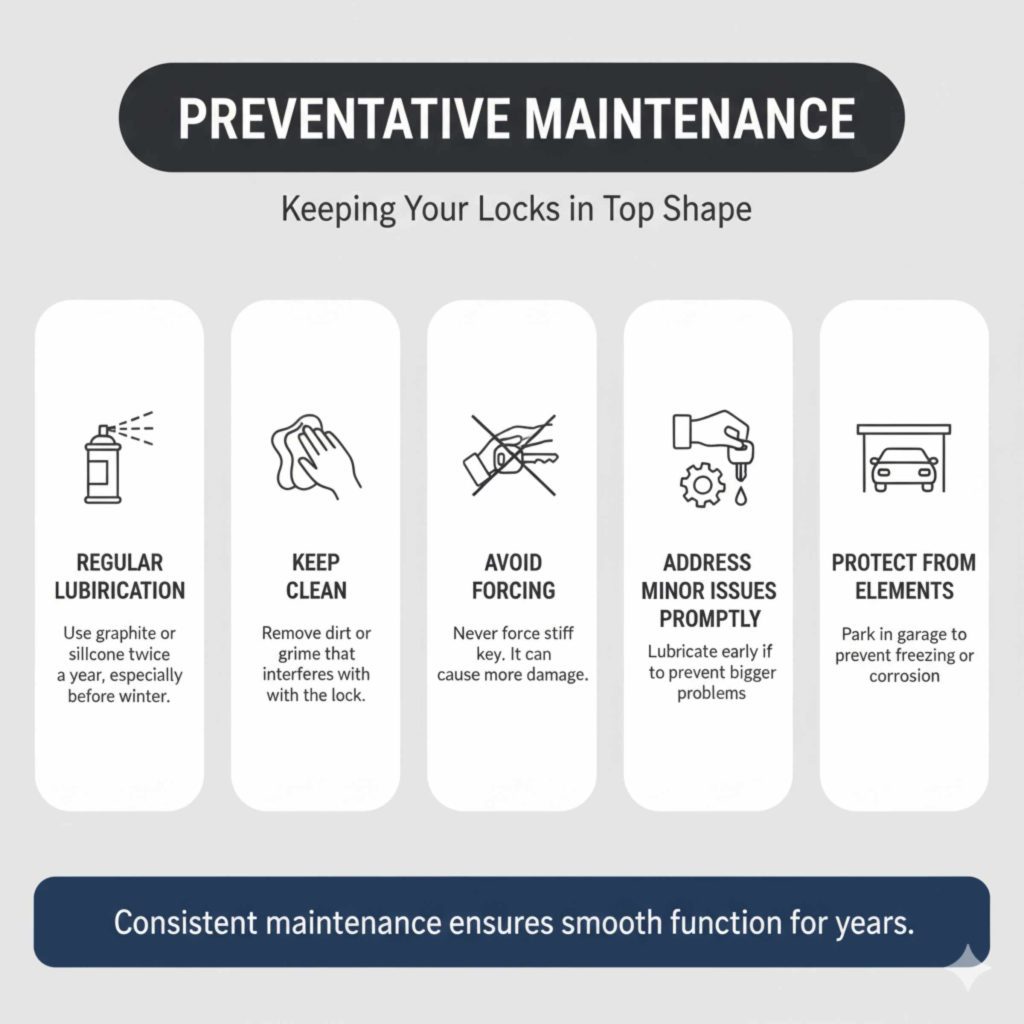
The best way to deal with a stuck car door lock is to prevent it from happening in the first place. A little bit of regular maintenance can go a long way.
- Regular Lubrication: Just like your home locks, your car’s door locks benefit from occasional lubrication. Use a graphite or silicone-based lubricant at least twice a year, especially before winter.
- Keep Keys Clean: Regularly clean your car keys to remove any dirt or grime that could interfere with the lock mechanism.
- Avoid Forcing: Never force a key that feels stiff or jammed. This is a sign that something is wrong and forcing it can cause more damage.
- Address Minor Issues Promptly: If you notice a lock is becoming a bit stiff or your key is harder to turn than usual, lubricate it right away. Early intervention can prevent bigger problems.
- Protect from Elements: If possible, park in a garage or covered area to protect your car’s locks from extreme weather conditions, which can lead to freezing or corrosion. For more on vehicle maintenance, the National Highway Traffic Safety Administration (NHTSA) offers excellent general vehicle safety and maintenance tips.
Frequently Asked Questions (FAQ)
Q1: My car door lock is frozen. What’s the quickest way to unfreeze it?
A: The quickest methods involve using a hair dryer to warm the lock cylinder or a specialized de-icer spray designed for car locks. Avoid using open flames.
Q2: Can I use household lubricants like cooking oil in my car door lock?
A: No, it’s best to avoid household oils like cooking oil. They can attract dust and grime, potentially gumming up the lock mechanism and making the problem worse in the long run. Stick to graphite or silicone-based lubricants specifically designed for locks.
Q3: My car key won’t turn in the lock at all. What should I do?
A: First, try cleaning and lubricating the lock cylinder as described above. If the key still won’t turn, it might be bent, damaged, or the lock cylinder itself could be worn or jammed. Inspect your key for damage. If the key looks fine, it’s likely time to call an automotive locksmith.
Q4: My power locks aren’t working, but the key works. Is the actuator broken?
A: Not necessarily. If the key works manually, the actuator itself might be fine, but the electrical signal to it could be interrupted, or there could be an issue with the door lock switch or wiring. Listening for the actuator’s sound when using the power lock button can help diagnose this.
Q5: How often should I lubricate my car door locks?
A: It’s a good practice to lubricate your car door locks at least twice a year, perhaps in the spring and again before winter. This helps prevent them from seizing up due to dirt, moisture, or cold temperatures.
Q6: What if I have a keyless entry system and the door won’t open?
A: If your key fob battery is dead, the system might not respond. Try using the hidden physical key (usually stored in the fob) to manually unlock the door. If that doesn’t work, check the car’s manual for any specific emergency override procedures or call roadside assistance.
Conclusion
Dealing with a stuck car door lock can be a real headache, but as we’ve explored, many common issues have simple, accessible fixes. From cleaning your key and applying a bit of lubricant to gently working the mechanism, you often have the power to resolve the problem yourself. Remember to always start with the simplest solutions and proceed with care to avoid causing further damage. Keeping your keys and locks clean, and performing occasional preventative maintenance, will significantly reduce the chances of encountering a stubborn lock in the future.
By understanding the potential causes and knowing these proven DIY fixes, you can tackle many stuck lock situations with confidence. And if you find yourself facing a more complex problem that these steps can’t resolve, don’t hesitate to call on a trusted automotive locksmith or mechanic. They have the specialized knowledge and tools to get your car doors working smoothly again, ensuring you can get in and out of your vehicle without a hitch.