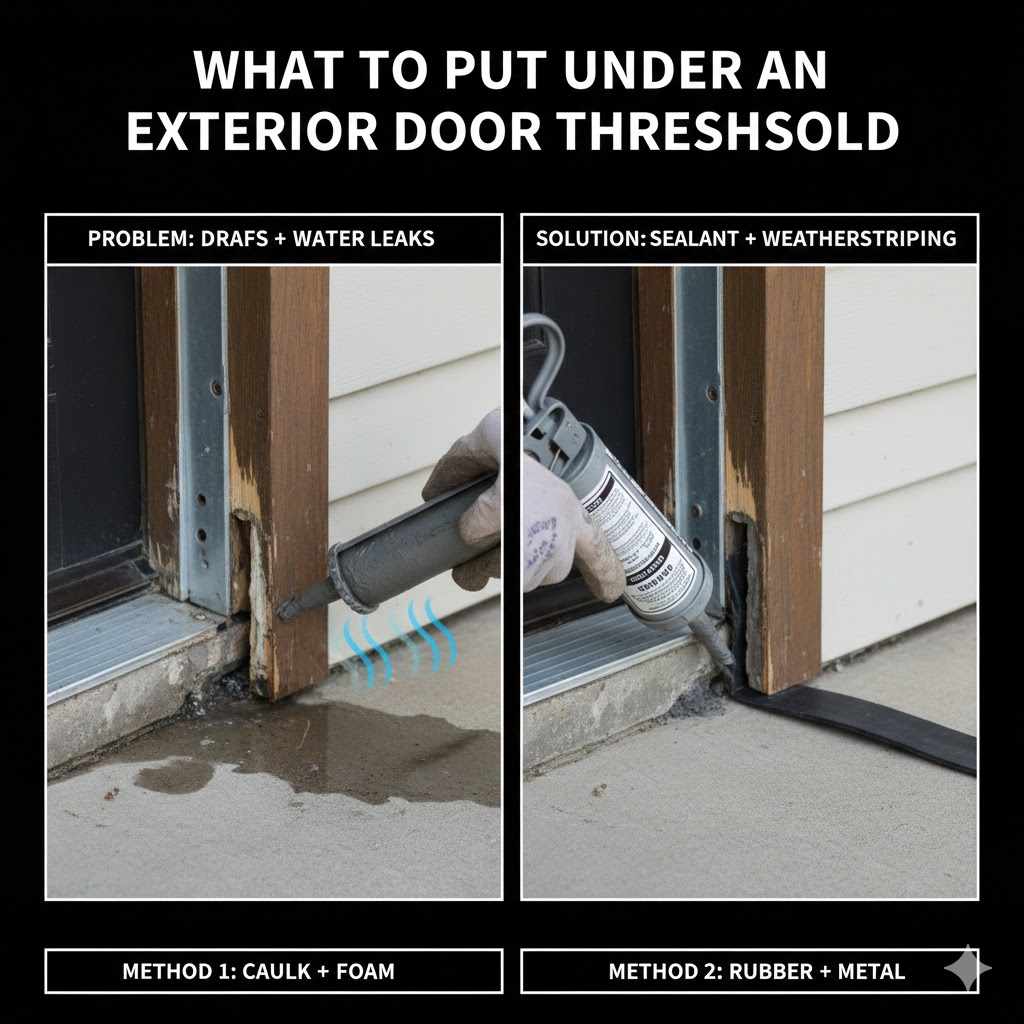
What to Put Under an Exterior Door Threshold
Figuring out what goes under an exterior door threshold might seem a little tricky at first, especially if you’re new to home projects. Lots of people wonder about this, and it’s easy to get confused with all the different materials and methods. But don’t worry!
We’ll walk through this step-by-step, making it super simple. You’ll learn exactly what to put under your door threshold to make it look great and work right.
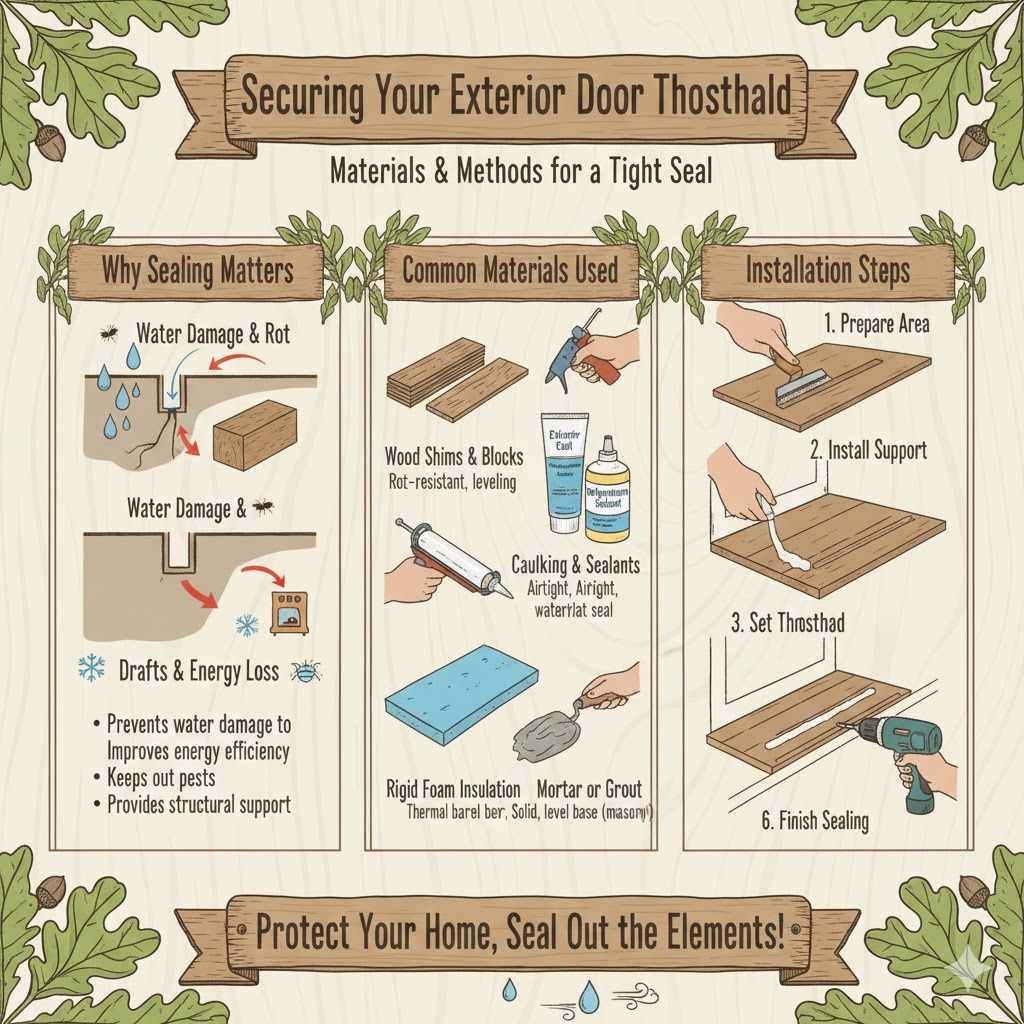
Securing Your Exterior Door Threshold
This section looks at the materials and methods used to secure and seal the area beneath your exterior door threshold. A well-supported threshold is key to preventing drafts, water intrusion, and structural issues. We will explore different options that ensure a tight fit and long-lasting protection against the elements.
Why Sealing Under the Threshold Matters
Proper sealing under your exterior door threshold is really important for several reasons. It stops water from getting into your home’s foundation, which can cause big problems over time. It also keeps out drafts, making your home more comfortable and saving you money on heating and cooling bills.
A good seal also prevents pests like ants or spiders from finding their way inside. Think of it as a crucial defense for your home.
- A tight seal prevents water damage. When rain or snow melts, water can seep under the threshold if it’s not properly sealed. This can rot the subfloor and framing, leading to costly repairs. Good sealing creates a barrier that directs water away from your home’s structure.
- It improves energy efficiency. Gaps under the threshold let conditioned air escape and outside air enter, making your heating and cooling systems work harder. This increases your energy bills and reduces your home’s comfort. A sealed threshold helps keep your home at a stable temperature.
- It keeps pests out. Small gaps can be entry points for insects and rodents. Sealing these spaces makes it much harder for unwanted guests to get into your home, maintaining a healthier living environment.
- It provides structural support. The threshold rests on materials that are placed underneath it. These materials help distribute the weight of foot traffic evenly, preventing the threshold from sagging or becoming loose over time.
Common Materials Used Under Thresholds
Several materials are commonly used to create a solid base and seal under an exterior door threshold. Each has its own advantages, depending on the climate, door type, and desired durability. Choosing the right material ensures that your threshold performs its job effectively for years to come.
-
Wood Shims and Blocks
Wood is a traditional and widely used material. Cedar, redwood, or pressure-treated lumber are good choices because they resist rot and insects. Shims are tapered pieces of wood that can be used to fill small gaps and level the threshold. Solid wood blocks can provide a firm, sturdy base. -
Caulking and Sealants
High-quality exterior-grade caulk is essential for sealing any remaining small gaps between the threshold and the subfloor or frame. Polyurethane sealants are known for their flexibility and durability, able to withstand temperature changes and movement. This creates an airtight and watertight seal. -
Rigid Foam Insulation Boards
Some professionals use rigid foam insulation boards cut to size. This material offers excellent insulation properties, helping to prevent thermal bridging and further reducing drafts. It also provides a firm surface for the threshold to rest on. -
Mortar or Grout
In some installations, a bed of mortar or grout might be used. This provides a very solid and level base, especially in masonry construction. It creates a durable foundation that fills any imperfections in the subfloor.
Installation Steps for a Solid Under-Threshold Base
Installing materials under your exterior door threshold involves careful preparation and application to ensure a lasting seal and stable support. Following these steps will help you achieve a professional result that protects your home.
-
Prepare the Area
Remove the old threshold and any debris. Ensure the subfloor and the bottom of the door frame are clean and dry. Any old caulk or rot should be removed. -
Install Support Materials
Place your chosen support materials, like wood blocks or cut foam boards, under where the threshold will sit. Use shims to adjust height and ensure the threshold will be level. -
Apply Sealant
Before setting the threshold, apply a generous bead of exterior-grade caulk or sealant around the perimeter where the threshold will meet the subfloor and frame. This creates the primary seal. -
Set the Threshold
Carefully place the new threshold into position. Press down firmly to make sure it makes good contact with the sealant and the support materials. -
Secure the Threshold
Fasten the threshold according to the manufacturer’s instructions, usually with screws driven through the threshold into the subfloor or framing. -
Finish Sealing
Apply a final bead of caulk around the edges of the threshold that meet the jambs and the subfloor for an extra layer of protection.
Benefits of a Properly Installed Threshold
A properly installed exterior door threshold offers numerous benefits that contribute to the comfort, security, and longevity of your home. It’s more than just a piece of trim; it’s a vital component of your home’s weatherproofing and structural integrity. Understanding these advantages highlights why paying attention to the details, like what goes underneath it, is so important.
Improved Energy Efficiency and Comfort
One of the most noticeable benefits of a well-sealed threshold is improved energy efficiency. When exterior doors are properly sealed, drafts are significantly reduced. This means your home’s heating and cooling systems don’t have to work as hard to maintain a comfortable temperature.
Less air leakage translates directly to lower energy bills.
-
Reduced Air Leakage
A tight seal under and around the threshold prevents conditioned air from escaping your home and outside air from entering. This is especially important during extreme weather, keeping your home warmer in winter and cooler in summer. -
Consistent Indoor Temperature
By minimizing drafts, the temperature in your home remains more consistent. You won’t experience those chilly spots near the door, leading to greater overall comfort for everyone living there. -
Quieter Home Environment
Proper sealing can also help reduce noise pollution from outside. A tighter seal means less sound can penetrate your home, contributing to a more peaceful living space.
Enhanced Protection Against Water and Pests
A key function of the threshold area is to prevent water and pests from entering your home. Proper installation and sealing create a barrier that is crucial for protecting your home’s structure and health.
-
Water Intrusion Prevention
Rain, snowmelt, and even splashing from cleaning can find their way under poorly sealed thresholds. This water can damage subflooring, framing, and even foundation materials, leading to rot and mold. A good seal directs water away. -
Pest Control
Even small gaps can serve as entry points for ants, spiders, mice, and other small pests. Sealing these areas makes it much more difficult for them to get inside, helping to maintain a hygienic home.
Increased Durability and Longevity
The materials placed under the threshold play a direct role in its durability. A solid, well-supported threshold resists wear and tear better, and the home’s structure itself is protected, leading to a longer lifespan for both components.
-
Structural Support
The threshold bears a lot of weight from foot traffic. Adequate support underneath prevents sagging, cracking, or loosening, ensuring the threshold remains stable. -
Protection of Home Structure
By preventing water damage and pest infestation, a well-installed threshold helps protect the underlying subfloor, framing, and even the foundation walls from degradation. This reduces the need for future repairs.
Types of Exterior Door Threshold Materials
Choosing the right material for your exterior door threshold and what goes underneath is vital for its function and appearance. Different materials suit different climates and home styles. They also affect how well the threshold seals and supports itself.
Solid Wood Thresholds
Solid wood thresholds are a classic choice, offering durability and a natural aesthetic. They are typically made from hardwoods or treated softwoods that can withstand moisture and wear.
-
Material Options
Common woods include oak, maple, cherry, and walnut. For exterior use, pressure-treated pine or rot-resistant woods like cedar and redwood are also popular. These woods are chosen for their strength and resistance to decay. -
Installation Considerations
Wood thresholds require proper sealing and finishing to protect them from moisture. They need to be securely fastened to the subfloor and often have a slight slope to help shed water away from the door. -
Durability and Maintenance
With proper care, wood thresholds can last for many years. They may need occasional refinishing or resealing to maintain their appearance and protective qualities against the elements.
Metal Thresholds
Metal thresholds, often made of aluminum, brass, or bronze, are known for their extreme durability and resilience. They are a practical choice for high-traffic areas and can offer a modern or traditional look depending on the finish.
-
Material Properties
Aluminum is lightweight and corrosion-resistant, making it a popular choice. Brass and bronze offer a richer appearance and are very hard-wearing. These metals are less prone to warping or rotting than wood. -
Types of Metal Thresholds
They come in various styles, including single-piece, saddle, and strip thresholds. Some metal thresholds are designed with thermal breaks to improve insulation. -
Installation and Longevity
Metal thresholds are typically screwed into place and often paired with a sealant underneath. Their robust nature means they require minimal maintenance and can last for decades.
Composite Thresholds
Composite thresholds are made from a blend of wood fibers and plastics or other synthetic materials. This combination aims to provide the look of wood with enhanced resistance to moisture, rot, and insects.
-
Composition and Benefits
These thresholds offer good stability and are less susceptible to swelling or shrinking with humidity changes than solid wood. They are often easier to clean and maintain. -
Performance Characteristics
Composite materials can mimic the appearance of natural wood very effectively. They provide good durability and are a good choice for areas prone to dampness. -
Environmental Impact
Many composite products use recycled materials, making them a more environmentally friendly option for some homeowners looking for sustainable building materials.
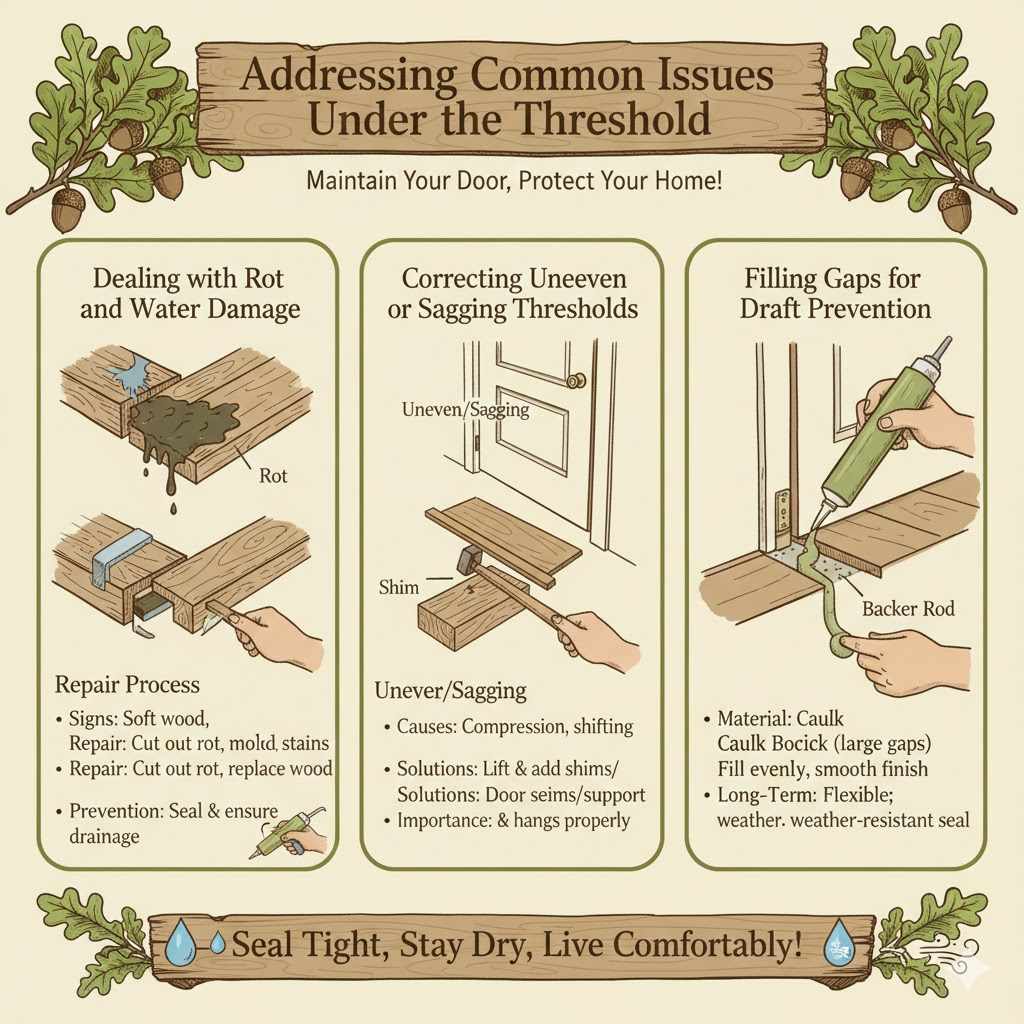
Addressing Common Issues Under the Threshold
Problems under an exterior door threshold can lead to drafts, water damage, and even structural weakness. Identifying and fixing these issues promptly ensures your door functions correctly and protects your home.
Dealing with Rot and Water Damage
Rot is a common problem, especially in older homes or areas with high moisture. It occurs when wood is exposed to water for extended periods.
-
Identification
Signs of rot include soft, spongy wood, discoloration, or mold growth. You might notice a musty smell or see water stains around the threshold or door frame. -
Repair Process
If rot is found, the damaged wood must be removed. Small areas can be repaired by cutting out the rotten section and replacing it with new wood. For extensive rot, the affected framing may need to be rebuilt. -
Prevention
Proper sealing and drainage are key. Ensure that water drains away from the door and that the threshold is well-sealed to prevent moisture ingress. Regular inspection can catch problems early.
Correcting Uneven or Sagging Thresholds
An uneven or sagging threshold can cause doors to drag, not close properly, or allow drafts. This usually happens due to inadequate support underneath.
-
Causes
Over time, the subfloor can compress, or the materials supporting the threshold might shift or deteriorate. This leads to the threshold losing its levelness. -
Solutions
Often, the solution involves lifting the threshold slightly to add or adjust supporting materials. This could mean adding shims, wood blocks, or even a layer of sturdy, moisture-resistant material. The goal is to create a firm, level surface. -
Importance of Leveling
A level threshold ensures the door hangs correctly and seals properly against the weatherstripping. This is crucial for energy efficiency and preventing water from seeping under the door.
Filling Gaps for Draft Prevention
Gaps under a threshold are primary culprits for drafts. These gaps can be minor or significant and allow air to flow freely between the inside and outside.
-
Material Selection for Gaps
For small gaps, a high-quality exterior-grade caulk or sealant is usually sufficient. For larger gaps, you might need to use backer rod (a foam rope) before applying caulk, or even small pieces of wood or rigid foam. -
Application Techniques
Apply sealant evenly, ensuring it fills the entire gap. Smooth the caulk with a damp finger or tool to create a clean finish. Make sure the area is clean and dry before applying any sealant for best adhesion. -
Long-Term Sealing
The chosen material should be flexible enough to accommodate minor house movement and resistant to weathering. This ensures the seal remains effective for a long time, keeping your home draft-free.
Frequently Asked Questions
Question: What is the best material to put under an exterior door threshold for waterproofing
Answer: For waterproofing, a combination of a solid, moisture-resistant base like a properly sealed treated wood block or composite material, along with a generous application of high-quality exterior-grade polyurethane sealant or caulk, is highly effective. This creates a robust barrier against water intrusion.
Question: Can I use spray foam insulation under my door threshold
Answer: While spray foam can fill small gaps and offer some insulation, it’s generally not recommended as the primary structural support material under an exterior door threshold. It can be too flexible and may not provide the firm base needed for the threshold’s long-term stability and weight-bearing capacity. It’s better used for sealing small, incidental gaps after primary support is in place.
Question: How do I know if my exterior door threshold needs replacing
Answer: You should consider replacing your exterior door threshold if you notice signs of rot, significant cracking or warping, if the door no longer seals properly, if you experience drafts, or if water pools around the threshold. A sagging or uneven threshold is also a clear indicator that replacement is needed.
Question: Should the threshold be level with the floor inside the house
Answer: Typically, an exterior door threshold is slightly higher than the interior finished floor to prevent water from easily flowing inside. However, the threshold should be level with the exterior ground or landing. The transition from the threshold to the interior floor often involves a reducer or transition strip.
Question: What is the purpose of a threshold reducer
Answer: A threshold reducer, also known as a transition strip, is used to bridge the height difference between the exterior door threshold and the interior flooring. It creates a smooth and safe transition, preventing tripping hazards and providing a finished look to the entryway.
Final Thoughts
Choosing what to put under an exterior door threshold involves creating a solid base and a waterproof seal. Materials like treated wood, composite boards, and high-quality sealants work together to support the threshold, prevent drafts, and stop water damage. A well-installed threshold ensures your home stays comfortable and protected.