Best Siding Options for Barns (2026): Research Shows
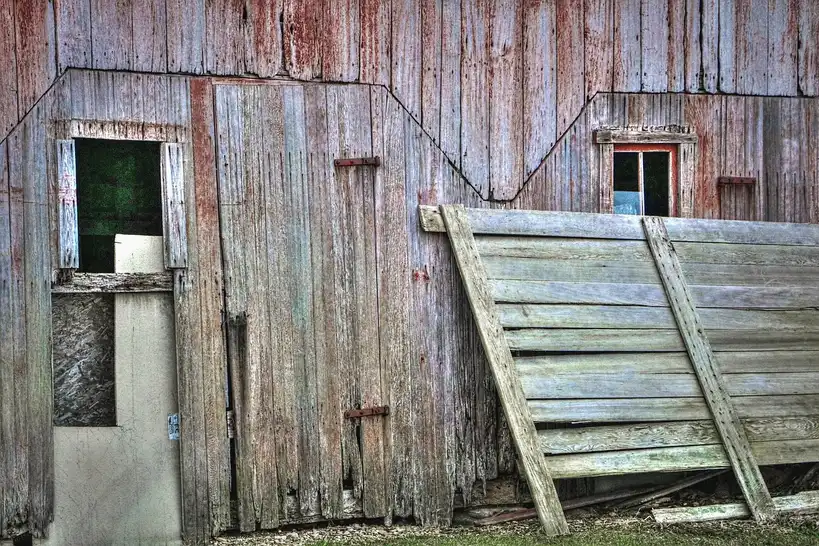
For most barns, steel panels fit storage and livestock barns, while engineered wood or fiber cement suits workshop or decorative barns. Start with use, then check moisture exposure and how much maintenance you can handle. Wrong siding can rot, rust, trap moisture, or raise repair costs fast. This guide compares the best barn siding options by function, climate, installed cost, durability, and upkeep.
Quick comparison
| Product | Badge | Best for | Price | ||
|---|---|---|---|---|---|
 |
NeatiEase 10 Pcs Metal Roofing Panels, 8.1 Feet CorrugatedNeatiEase | Our pick | 10 pcs · corrugated galvanized steel · black | $219.99
Price as of 25 Oct 2026
|
View |
 |
2pc Siding Installation Kit, Compatible with 5/16-Inchgroword | Also great | 2 pc · fiber cement siding · install kit | $29.99
Price as of 25 Oct 2026
|
View |
This table separates materials that work on a barn from materials that only look right on paper. Read it against your building use: wet weather, animal wash-downs, impact risk, and how often you can repaint or replace damaged sections.
How we chose
The main filter is use case. A storage barn does not need the same impact resistance or wash-down durability as a decorative barn, and a livestock barn has a very different moisture load than a workshop.
We also weighed moisture control, repair limits, installed cost, and maintenance burden. Installed cost matters more than material price alone, because trim, WRB, fasteners, flashing, and labor can move the final number a lot.
For barns, wall assembly matters as much as the siding itself. House wrap or another WRB belongs behind cladding on prepared wall assemblies, and furring strips may be needed to support vertical barn-style siding.
Suppose a 40-by-60 storage barn sits in a windy, wet area. Steel panels with proper flashing and ventilation will usually be the better fit than wood, because the wall can shed water better and needs less upkeep.
Steel siding: best for most pole barns
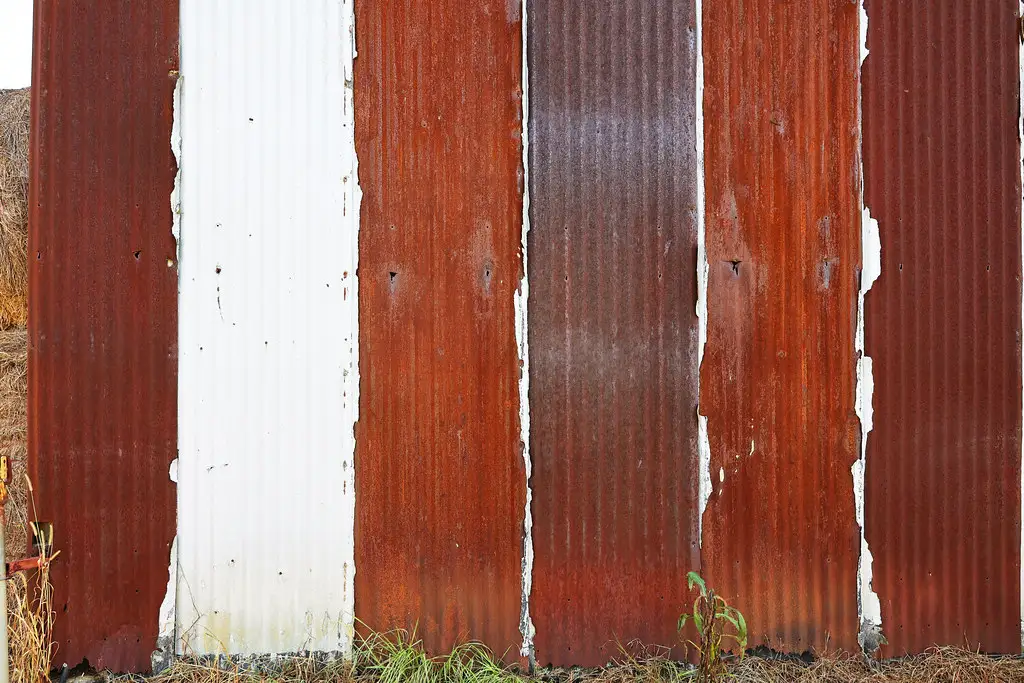
Steel is the default pick for most working barns because it is lightweight, easy to install, and well suited to post frame construction. Steel siding is the most commonly used option for post frame construction, and properly installed panels can last 30 to 50 years with a warranty.
Choose steel for storage barns, livestock barns, and many workshop shells. Galvanized and galvalume substrate variants are common, and both are used to improve corrosion resistance. That said, steel can rust if cut edges, fasteners, or scratched areas are left exposed to moisture.
The main drawback is impact and finish damage. Dented panels are common around equipment, tack areas, and busy doors, and repairs may be visible even when the structure is still sound.
Where steel works best
Steel fits barns that need fast coverage, strong weather protection, and lower maintenance than painted wood. It also makes sense where condensation control can be handled with good ventilation, a proper WRB, and well-sealed penetrations.
Vinyl siding: best for the lowest upfront cost
Vinyl is an economical choice for a pole barn or detached car garage, and it is easy to install. It can work on a barn exterior when the building is relatively sheltered, impact risk is low, and the owner wants simple upkeep rather than maximum durability.
Its weak point is failure under damage. Vinyl siding has a shorter lifespan than other options and cannot be patched if damaged, so a struck panel usually needs replacement. It also tends to be a poor choice where heat, wind, or animal contact is frequent.
For barn use, vinyl is best treated as a light-duty cladding, not a work surface. If the building has repeated hose-downs, hay abrasion, or equipment contact, vinyl is usually the wrong call.
Where vinyl falls short
Vinyl is less forgiving on barn exteriors because a cracked or warped section is not repaired board-by-board. It is a budget option, but the savings can disappear if exposed panels need frequent replacement.
Engineered wood siding: best for a wood look with better durability
Engineered wood siding gives a realistic wood look without rot and termite damage. It is available in styles and colors, and it can be a strong middle ground when you want a warmer appearance than steel but less vulnerability than plain wood.
It also offers better impact resistance than many owners expect from a wood-look product. The tradeoff is maintenance: it typically requires priming and painting, and those coatings need to be kept up to help preserve the surface and edges.
For workshop barns and decorative barns, engineered wood often makes more sense than cedar if you want the look of wood without the same level of moisture and insect concern.
When engineered wood beats plain wood
Choose engineered wood when appearance matters, but you still want better resistance to rot and termites than solid wood siding. It suits barns that stay reasonably dry and are not exposed to constant wash-down or direct livestock moisture.
Board-and-batten wood: best for a traditional barn look
Board-and-batten siding gives the classic barn profile with vertical planks and batten strips over the joints. It often goes over furring strips, and those strips are typically installed perpendicular to the wall studs, usually 16 to 24 inches apart depending on siding size.
This style can work well on decorative barns and some workshops, but it is more maintenance-heavy than steel. The gaps between boards, the exposed fasteners, and the paint cycle all demand more attention over time.
Galvanized nails are commonly used, and good detailing matters. If moisture gets behind the boards and the assembly cannot dry, the barn can end up with trapped water and recurring repairs.
Why this option needs more upkeep
Board-and-batten wood is a style choice first and a durability choice second. It looks right on a traditional barn, but it is less forgiving in wet climates and around animals unless the wall assembly is detailed carefully.
Fiber cement and brick: best for low-maintenance durability
Fiber cement is the closest durable painted-cladding option in this group, and it is often chosen where a long-lasting, lower-maintenance surface matters more than speed of install. It can mimic wood profiles, but it still needs proper flashing, clearance, and paint care.
Brick siding is in a different weight class. It is generally resistant to denting and rot and does not require painting, which can make it appealing for a permanent-looking barn or outbuilding. The tradeoff is cost, labor, and structural planning, because brick is heavy and usually requires a contractor or bricklayer.
Versetta Stone is another option in the same general durability conversation. It is a mortarless, cement-based siding panel with a stone veneer look and mechanical fasteners, but it usually costs more than simpler barn cladding.
Weight and foundation concerns
Brick and similar heavy claddings can affect foundation decisions. That matters more on new builds than on retrofit jobs, where the wall assembly and supporting structure already exist.
Barn siding decision table
| Material | Best use case | Installed cost band | Maintenance interval | Moisture risk | Impact resistance | Repairable board-by-board? |
|---|---|---|---|---|---|---|
| Steel | Storage barns, livestock barns, pole barns, workshops | Moderate | Inspect annually; touch up cut edges and fasteners as needed | Low to moderate, depending on coatings and detailing | Good, but dents can show | No |
| Vinyl | Budget sheds, light-duty barn exteriors, detached garages | Low | Low routine care; replace damaged sections as needed | Moderate | Poor to fair | No |
| Engineered wood | Workshop barns, decorative barns, mixed-use outbuildings | Moderate to higher | Repaint on a regular cycle, plus edge checks | Moderate | Fair to good | Sometimes, depending on profile and layout |
| Board-and-batten wood | Traditional barns, decorative barns, some workshops | Moderate to higher | Frequent inspection and repainting | Higher | Fair | Yes, in many cases |
| Fiber cement | Durable workshops, decorative barns, low-maintenance projects | Moderate to higher | Periodic paint maintenance | Low to moderate | Good | Limited |
| Brick | Permanent-looking barns, high-end decorative structures | Higher | Very low routine upkeep | Low | Very good | No |
Read the table like a barn owner, not a house buyer. The cheapest material is not always the cheapest building if the wall needs frequent repairs, and the most durable face can still fail if the assembly behind it traps water.
For wet weather, look closely at moisture risk and repair limits. For high-wear barns, impact resistance matters more than decorative texture, especially around doors, wash stations, and feeding areas.
Best exterior siding for a barn in wet weather
Steel is often a strong exterior siding choice for a barn in wet weather because it sheds water well, resists rot, and is relatively easy to detail around large openings. The key is the panel and the full wall assembly, including WRB, flashing, and ventilation.
In damp barns, moisture control matters more than style. If the building has livestock, wash-downs, or warm air meeting cold sheathing, condensation can collect behind the siding and shorten the life of the wall if the assembly cannot dry.
A common first-timer mistake is choosing a “waterproof” face and ignoring the back side of the wall. A barn wall that cannot dry out can fail from the inside even when the exterior still looks fine.
What is the cheapest siding for a barn?
Vinyl is usually the cheapest siding for a barn at the material level, and it can stay economical on simpler jobs because it installs easily. Barn siding installation costs between $3 to $9 per square foot, but the final total changes with trim, WRB, fasteners, and labor.
Reclaimed barn wood siding can cost $9-$12 per square foot for materials only, so “cheap wood” is not always cheap once sorting, handling, and installation are added.
If your budget is tight, steel may still beat vinyl over time on a working barn because it lasts longer and tolerates the job better.
What is the best type of exterior siding for a barn?
There is no single best siding type for every barn. Steel is the best all-around siding for most working barns, but engineered wood and fiber cement make more sense when the barn is closer to a workshop or decorative outbuilding.
The right answer depends on moisture exposure, impact risk, and how much maintenance you will accept. A livestock barn, a dry storage barn, and a decorative lofted barn do not need the same wall skin.
Should a barn use wood siding or metal siding?
Metal siding is usually the better choice for barns that deal with moisture, equipment bumps, or low-maintenance expectations. Wood siding can work, especially on decorative barns, but it needs more upkeep and is less forgiving in wet or animal-heavy settings.
Cedar can be good for exterior barn siding, but only when you are ready for regular maintenance. It brings a traditional look, yet it is not as forgiving as metal where moisture, abrasion, or wash-downs are part of daily use.
If the barn is meant to stay practical, not precious, metal usually wins on durability and upkeep.
How installation affects barn siding performance
- Start with the wall assembly, not the finish layer. Install house wrap or the specified WRB before cladding on prepared walls.
- Use furring strips where vertical barn-style siding needs a support plane or a drainage space. They are typically spaced 16 to 24 inches apart, depending on siding size.
- Flash openings carefully. Doors, windows, corners, and penetrations are where water gets in first.
- Choose fasteners that match the material. Galvanized nails are common in wood barn assemblies, and corrosion-resistant fasteners matter in wet areas.
- Plan ventilation so condensation can escape. Barns often need more drying potential than houses because they see wider temperature swings and more moisture load.
Best choice by barn type
Storage barn: steel is the best fit for most storage barns because it keeps cost and upkeep reasonable while handling weather well.
Livestock barn: steel is still the strongest general choice, with careful attention to ventilation, corrosion-resistant fasteners, and washable wall details.
Workshop barn: engineered wood or fiber cement works well when appearance matters and maintenance is acceptable. Steel also fits if the shop is more utilitarian.
Decorative barn: board-and-batten wood, engineered wood, fiber cement, or even brick can fit, depending on the look and the budget.
Say your barn is a 32-by-48 storage building with a concrete apron and frequent door use. Steel will usually be the practical choice. Suppose the same size building is a weekend workshop with visible gables and a lower moisture load; engineered wood or fiber cement may suit the appearance better.
Which one should you buy?
If your budget is tight, start with vinyl only for light-duty barns and detached garage-style buildings. For a working barn, steel is usually the better buy because the lower maintenance and longer service life often justify the higher starting cost.
If the barn will see wet weather, livestock, or frequent hose-downs, steel is the safest all-around recommendation. If you want the lowest maintenance, brick is hard to beat, but the weight and contractor requirements narrow its appeal.
For a decorative barn, choose engineered wood or board-and-batten wood if the traditional look matters most, or fiber cement if you want a painted finish with less upkeep than wood.
Do not choose on looks alone. The right siding is the one that matches the barn’s use, the wall assembly behind it, and the maintenance schedule you can actually keep.
Frequently asked questions
What is the cheapest siding for a barn: vinyl is usually the cheapest?
Vinyl is usually the cheapest siding choice up front for a barn, especially on light-duty buildings. But the total cost can rise if panels are damaged, because vinyl cannot be patched and usually needs replacement sections. For working barns, steel often gives better long-term value.
What is the best exterior siding for a barn in wet weather?
Steel is usually the best exterior siding for a barn in wet weather because it sheds water well and resists rot. The real performance comes from the full wall assembly: WRB, flashing, ventilation, and corrosion-resistant fasteners all matter. Poor detailing can defeat even a durable panel.
What is the best type of exterior siding for a barn: steel is the best all-around?
Steel is the best all-around type for most working barns, including storage and livestock buildings. It is lightweight, relatively fast to install, and available in galvanized or galvalume substrates. For decorative or workshop barns, engineered wood or fiber cement can be a better visual fit.
Is cedar good for exterior siding on a barn?
Cedar can work on a barn, but it needs regular maintenance and is less forgiving than metal in wet or livestock settings. It suits decorative barns better than wash-down or high-abuse buildings. If you want a traditional wood look with less risk, engineered wood is worth a look.
Should a barn use wood siding or metal siding: metal siding is usually better?
Metal siding is usually better for barns that need moisture resistance, impact tolerance, and lower maintenance. Wood siding can still make sense for decorative barns or workshop barns where the look matters more and upkeep is acceptable. The right answer depends on use, climate, and maintenance tolerance.
What siding lasts longest on a pole barn
Good quality vinyl and metal siding can last up to 50 years with proper care, but steel is the more common choice for post frame construction and the stronger all-around option for a pole barn. Brick can last a very long time too, but it changes the structure and cost picture considerably.
Which siding is lowest maintenance for a barn?
Brick is the lowest maintenance of the common barn options because it does not dent or rot and does not require painting. Steel is also low maintenance for a working barn, but it still needs inspection for rust at cut edges and fasteners. Vinyl needs little routine care but is less durable when damaged.
Sponsored / affiliate links. As an Amazon Associate I earn from qualifying purchases. I may earn additional commission from eligible campaigns.