How to Estimate Exterior Siding Cost Per Square Foot
Estimate exterior siding cost per square foot by multiplying net wall area by an installed rate, then add about 10% to 15% for waste and extra for tear-off. For planning, vinyl material-only pricing is often about $2 to $10 per square foot, while installed vinyl commonly runs about $6 to $12 per square foot, and fiber cement installed often lands around $10 to $18 per square foot. Bad measurements can throw a siding budget off by thousands, so the key is to separate material, labor, and project adders before you compare quotes.
Quick answer: net wall area × waste × installed rate + tear-off + repairs + trim/permits. One siding square equals 100 sq ft, so divide your final square footage by 100 to convert to ordering quantity. For most vinyl projects, a practical installed planning range is about $6 to $12 per square foot depending on grade, profile, region, and site conditions.
How siding cost is priced
Siding pricing starts with exterior wall area, not living space. One square of siding covers 100 square feet, so square footage can be converted into material quantity before you compare quotes. Installed cost matters more than material-only price because labor, waste, removal, and repairs can move the total far above the sticker price. Manufacturers and remodel-cost references commonly price siding by square foot, but the final bid still depends on region, access, and how much prep work the walls need.
Material-only price versus installed price
Material-only pricing is useful for rough comparisons, but it leaves out most job costs. Installed pricing usually includes labor, fastening, cutting, and site work, and labor can account for about 30% to 50% of total vinyl siding cost according to major cost guides and contractor pricing models. If you only budget by material, your number will usually come in low. For a broader benchmark, regional pricing databases such as RSMeans-style cost libraries and major contractor calculators typically show a wide spread between supply-only and installed totals.
Why exterior wall area controls the estimate
Exterior siding square footage is not the same as a home’s interior size. Two houses with the same living area can have very different wall areas because of height, bump-outs, garages, and rooflines. Measure all exterior walls before pricing, or the estimate will be off. That is also why a house-size shortcut can be misleading if it is not tied to actual wall dimensions.
Measure exterior wall area first
Measure each exterior wall, add the results together, and then decide whether to subtract windows and doors. Some estimators use gross wall area first and subtract openings later; others leave openings in place because cuts, trim, and waste offset part of that area. The key is to use one method consistently.
Convert square feet to siding squares
After you total the wall area, divide by 100 to get siding squares. That conversion matters because siding is often priced and ordered in squares, while budgets are usually discussed in square feet. A 2,300-square-foot wall area means about 23 squares before waste. In contractor estimating and manufacturer ordering, this “one square = 100 sq ft” unit is the standard shorthand for materials and labor planning.
- Measure the length and height of each exterior wall.
- Multiply length by height to get wall area for each wall.
- Add all wall areas together for total exterior wall area.
- Subtract doors and windows only if your estimator does that step.
- Add 10% to 15% for waste, cuts, and future repair slack.
- Divide by 100 to convert the final total into siding squares.
What changes siding cost per square foot?
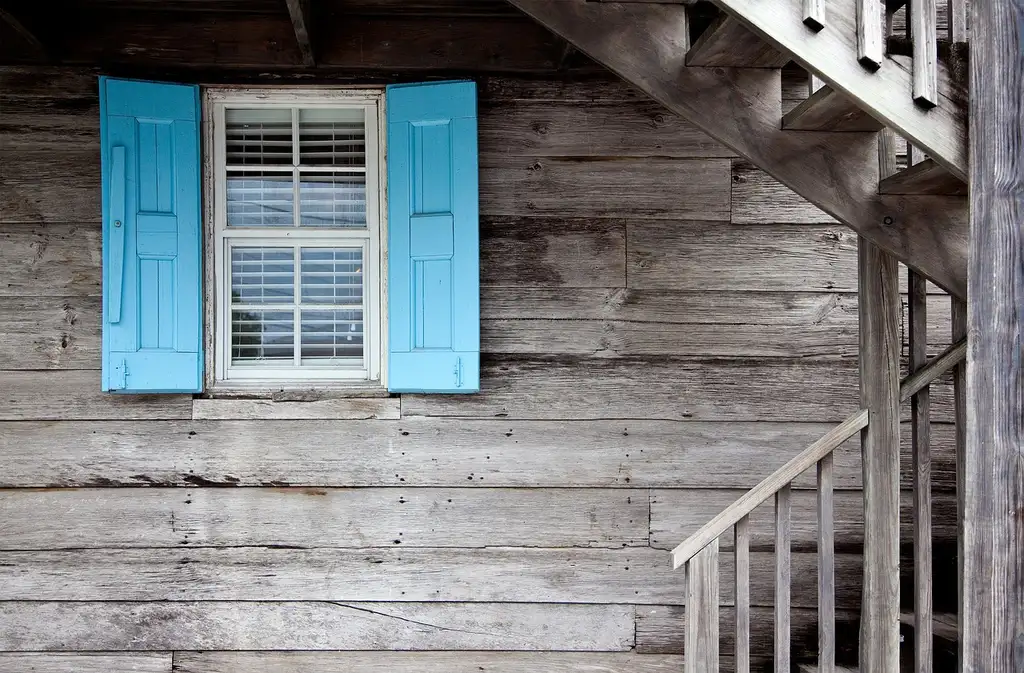
The price per square foot changes with material grade, profile, labor, waste, access, and project extras. Vinyl siding cost varies by product tier and installation complexity, while fiber cement tends to price higher on labor because it is heavier and usually takes more cutting and fastening. Style changes cost because different profiles take different amounts of material and labor.
Material grade and thickness
Vinyl siding grades create a clear cost ladder. Builder’s grade vinyl siding costs about $2 to $6 per square foot for material only. Standard residential grade vinyl siding costs about $4 to $7 per square foot. Premium or thick vinyl siding costs about $6 to $10 per square foot. Insulated or super thick vinyl siding costs about $7 to $12 per square foot. Manufacturer product lines and retail catalogs generally support this kind of tiered pricing, though the exact number shifts by region and color availability.
Thicker vinyl usually costs more because it uses more material and may offer better dent resistance. That does not make every premium panel a better choice for every house. It does mean you should compare material-grade pricing before you compare styles by color alone. If you are comparing apples to apples, keep the product line, thickness, and insulation level consistent.
Style and profile complexity
Style changes cost because different profiles take different amounts of material and labor. Clapboard or traditional lap vinyl siding costs about $2 to $6 per square foot for material only. Board and batten vinyl siding costs about $3 to $9 per square foot. Vinyl shake siding costs about $3 to $10 per square foot.
Other common vinyl styles include smooth, beaded, Dutch lap, scalloped, and brick-look. More detailed profiles can raise cost because they use more material, create more cut points, or take more time to align. A flatter profile usually installs faster than a profile with deeper texture or narrow courses.
Say your house has a simple ranch shape with long, open walls. A standard lap profile may keep labor lower than a board and batten look with many vertical transitions, even if both cover the same square footage. The difference comes from handling time, not wall area alone. That is why material grade and profile should be priced together instead of as separate afterthoughts.
Labor, waste, and project access
Labor for vinyl siding installation averages about $2 to $5 per square foot, based on contractor cost guides and remodeling price references. That number can be a large share of the total, and labor can account for about 30% to 50% of total vinyl siding cost. Steep roofs, tall walls, and tight side yards usually make the job slower. Fiber cement installed pricing is usually higher because the product is heavier and more labor-intensive, which is why installed benchmarks often run around $10 to $18 per square foot.
Waste also matters. Cuts around openings, gables, and corners create scraps that still have to be paid for. Add 10% to 15% to cover waste and common field adjustments, especially on homes with many corners or mixed wall heights. Regional labor rates can push the final number up or down, so quotes from neighboring states or metro areas may not line up exactly.
Labor, removal, and other adders
Labor often includes more than nailing up panels. It may include setup, layout, cutting, trim work, and cleanup, and in some bids it also includes tear-off and hauling. Removal is not always built in, so you need to ask where demolition sits in the quote. Government and industry cost references commonly treat removal as a separate scope item when the existing cladding is not part of a simple overlay.
When removal and disposal are included
Some contractors bundle removal and disposal into the labor line. In other bids, siding removal and disposal appear as a separate charge. Separate siding removal charges typically range from $1,000 to $2,500, though the exact figure depends on the material being removed, number of stories, and local dump fees. If the old siding is difficult to strip, the charge can rise above that range. Major renovation cost guides and demolition pricing references generally show a wide spread here because tear-off is highly site-specific.
Heavy materials, layered siding, rot behind the cladding, and tight access can all push tear-off higher. That is why a low material quote can still turn into a high installed total once the crew starts opening walls.
A common first-timer mistake is to compare a “new siding” price against a “full replacement” price as if they were the same. If the old cladding must come off, the job needs more labor, more disposal, and possibly repair work before the new siding goes on.
Common extras: trim, sheathing repair, house wrap, permits
Common adders include corners, trim, sheathing repair, house wrap, and permits. These are not always large line items by themselves, but they can change the total budget enough to matter. Rotten sheathing or missing house wrap can add work before the first panel goes up. Some building departments also require permit fees or inspections, and those costs vary by location.
Ask bidders what is included in the square-foot price. A clean quote should show whether trim, flashing, wrap, permits, and disposal are already included or priced separately. If the quote is vague, the final bill usually is too.
Siding cost worksheet
Use this worksheet to move from wall area to an installed budget. It separates net wall area, waste allowance, siding squares, material-only range, labor range, and removal or disposal adders. The math is simple, and it gives you a better number than a single “average” price.
| Measured wall area | Waste allowance | Squares needed | Material-only range | Labor range | Removal/disposal adder | Estimated total range |
|---|---|---|---|---|---|---|
| 1,000 sq ft | 10% to 15% | 11 to 12.5 squares | $2,000 to $10,000 | $2,000 to $5,000 | $1,000 to $2,500 | $5,000 to $17,500 |
| 1,500 sq ft | 10% to 15% | 16.5 to 17.5 squares | $3,000 to $15,000 | $3,000 to $7,500 | $1,000 to $2,500 | $7,000 to $25,000 |
| 2,000 sq ft | 10% to 15% | 22 to 25 squares | $4,000 to $20,000 | $4,000 to $10,000 | $1,000 to $2,500 | $9,000 to $32,500 |
| 3,000 sq ft | 10% to 15% | 33 to 37.5 squares | $6,000 to $30,000 | $6,000 to $15,000 | $1,000 to $2,500 | $13,000 to $47,500 |
How to use the worksheet: multiply wall area by 1.10 to 1.15 for waste, divide by 100 for squares, then multiply by the material and labor rates you expect. Add removal and disposal if the old siding must come off. If the project includes heavy repairs, treat the total as a floor, not a ceiling. For a more precise estimate, use a lower, middle, and higher rate based on the product tier you are considering.
How much should you budget by home size?
Budget by exterior wall area, not by the home’s living space. The same 2,000-square-foot house can have different siding totals depending on shape, stories, rooflines, and whether the contractor includes tear-off. The examples below are starting points for planning, not fixed bids. They are intentionally aligned with the worksheet above so the wall-area math and the project totals do not conflict.
1,000 square feet example
A 1,000-square-foot exterior wall area can land in a wide range because material grade and labor swing the total. With waste, labor, and possible removal included, a budget in the mid-thousands to the high teens is plausible for vinyl, while fiber cement installed would generally sit higher. If the project uses higher-grade vinyl and adds tear-off, the total climbs quickly.
1,500 square feet example
At 1,500 square feet, the job usually needs enough material to make waste and labor matter. Standard vinyl with moderate labor may stay near the middle of the range, while premium or insulated product pushes the total higher. Removal and disposal can add another layer if old siding must come off. Local pricing and access can move the estimate up or down, especially in higher-cost labor markets.
2,000 and 3,000 square feet examples
A 2,000-square-foot home can cost roughly $9,000 to $32,500 depending on grade, labor, and tear-off. A 3,000-square-foot exterior can cost roughly $13,000 to $47,500. Those figures show why wall area, grade, and labor all matter at the same time. A larger house does not just need more panels; it also needs more installation time.
Suppose two houses both have 2,000 square feet of exterior wall area. One uses standard vinyl and a simple lap profile with light tear-off. The other uses insulated vinyl, more corners, and full disposal. The second house can easily cost thousands more even though the wall area is the same.
Frequently asked questions
How do I estimate exterior siding cost per square foot?
Start with exterior wall area, not living space, then add 10% to 15% for waste. Convert the total into siding squares by dividing by 100, choose an installed rate, and add removal if needed. The installed number is the budget figure that matters most, because labor and tear-off often move the total.
What is the average siding cost per square foot?
For vinyl, the overall range is about $3 to $12 per square foot, depending on whether you are looking at material-only or installed pricing. The installed total is usually higher than material alone because labor averages between $2 and $5 per square foot and may make up 30% to 50% of the project. Grade and style shift the number within that range.
How much does siding cost per square foot installed?
Installed vinyl siding often lands about $6 to $12 per square foot, while installed fiber cement often lands around $10 to $18 per square foot. The total includes labor, cuts, waste, and sometimes removal. Builder’s grade sits at the low end, while insulated or super thick vinyl sits at the high end. The style you choose can also move the installed number noticeably.
How much does labor add to siding cost?
Labor for vinyl siding installation averages about $2 to $5 per square foot. It can account for 30% to 50% of total vinyl siding cost, so it is a major budget line. Removal, hauling, and site complexity can be part of labor or billed separately, depending on the contractor.
What size home does one square of siding cover?
One square of siding covers 100 square feet. That unit is used to convert wall area into material quantity and ordering size. If you measure 2,400 square feet of exterior wall area, that equals 24 squares before waste. After a waste allowance, the order size gets a little larger.
How much should I budget for siding removal and disposal?
Separate siding removal charges typically range from $1,000 to $2,500. Heavier materials can cost more to remove, and difficult access or hidden damage can push the number higher. Some contractors include removal in labor, so ask whether demolition, hauling, and dump fees are already part of the quote.
Does siding style change the cost per square foot?
Yes. Clapboard or traditional lap vinyl siding costs about $2 to $6 per square foot, board and batten costs about $3 to $9, and vinyl shake costs about $3 to $10. More detailed or labor-heavy profiles usually cost more because they take longer to install and can require more cuts and waste.
How do I estimate siding cost for my house size?
Measure all exterior walls, add them together, and decide whether to subtract openings. Add 10% to 15% for waste, divide by 100 for squares, then multiply by the installed rate you expect. Add removal, trim, repair, wrap, and permit costs if your project includes them. If you are comparing bids, make sure each one uses the same wall-area method and the same assumptions for tear-off and repairs.
Sponsored / affiliate links. As an Amazon Associate I earn from qualifying purchases. I may earn additional commission from eligible campaigns.