Best Exterior Siding for Snowy Regions
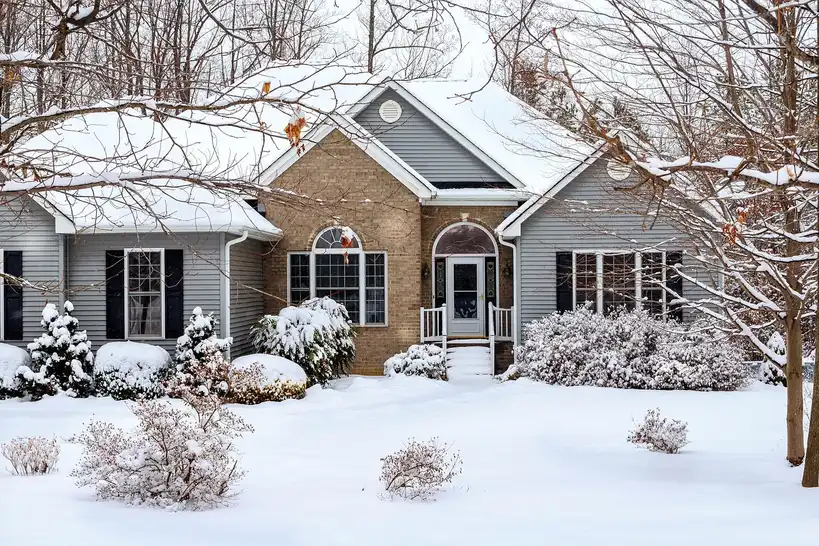
For snowy regions, fiber cement is often considered one of the strongest all-around exterior siding options for wet freeze-thaw exposure; steel can fit impact-prone sites, and engineered wood can suit drier cold zones. Avoid vinyl where freeze-thaw cycling is severe. Bad siding choices can crack, warp, or leak, which drives repair bills and moisture damage. This guide ranks siding by the winter failure it stops best and matches each option to the snowy home type it fits.
Quick picks
- Best overall: Fiber cement for wet, freezing climates with wind, drifting snow, and repeated thaw-refreeze cycles.
- Best snow shedding: Steel siding on steep roofs, exposed walls, and homes that face heavy drifting.
- Best budget-cold-climate compromise: Insulated vinyl in lower-impact areas with milder cold and a strong installation plan.
- Best wood look with less moisture risk: Engineered wood for drier cold zones and homeowners willing to maintain paint and caulk.
Snow siding decision table
What the matrix measures
The most useful way to compare siding in snowy regions is by the winter failure it resists best. Snowstorms and freezing weather can damage exterior siding in bitterly cold climates, and snow drifts expose siding to ice, moisture, and wall pressure. Freeze-thaw cycles can expand and contract materials, which is where cracking and warping start.
| Material | Snow load resistance | Freeze-thaw performance | Moisture tolerance | Impact resistance | Maintenance load | Best-fit home type |
|---|---|---|---|---|---|---|
| Fiber cement | High | High | High | Medium | Low to medium | Mountain homes, lake-effect snow zones, shaded walls, windy lots |
| Steel | High | High | High | Medium to low | Low | High-wind plains, steep roofs, buildings that need strong snow shedding |
| Insulated vinyl | Medium | Medium to low | Medium | Medium | Low | Lower-impact cold-climate homes, remodels where added insulation matters |
| Engineered wood | Medium | Medium | Medium | Medium | Medium to high | Drier cold zones, homes that want a wood look with less moisture risk |
How to read the best-fit home type column
Use the home type column to match siding to exposure, not just climate. A lake house with heavy drift exposure needs different protection than a sheltered cabin in a dry valley. North-facing walls, long roof overhangs, and shaded elevations dry more slowly, so they need better moisture tolerance than sunny walls.
What is the best exterior siding for snowy regions?
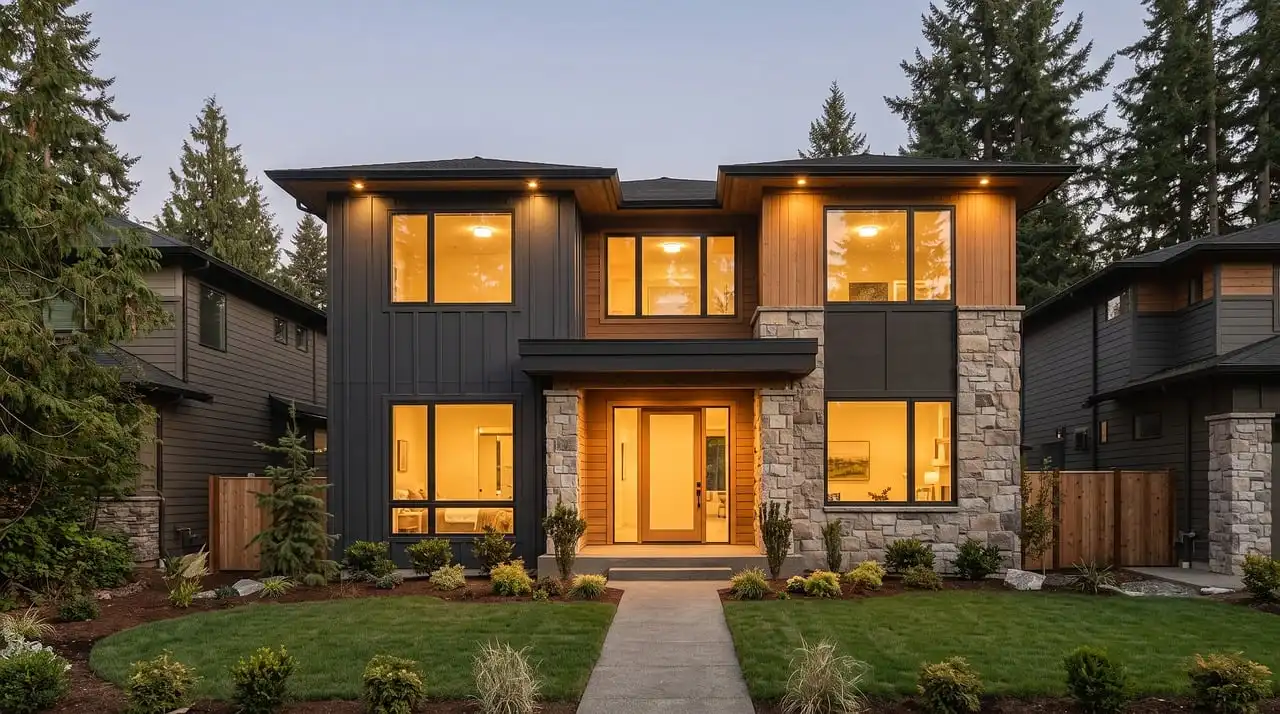
Fiber cement is the best all-around choice for snowy regions because it handles wet, freezing conditions better than standard vinyl and needs less upkeep than engineered wood. It resists moisture, rot, insects, and fire in harsh climates, and HZ5 products are designed to resist shrinking, swelling and cracking in wet, freezing conditions.
Why fiber cement wins most often
Fiber cement fits the failure pattern that matters most in snow country: repeated wetting, freezing, and high wind. Hardie’s climate system is based on several variables across multiple climate zones, which is useful because cold-climate risk can change with elevation, snow load, and exposure. It is also heavy, so professional installation matters.
Picture a two-story home on a ridge with drifting snow on one side and strong wind on the other. A siding choice that stays stable under moisture and wind load is more useful than one that only looks good on a mild day. That is where fiber cement pulls ahead.
Where another material may fit better
Steel can be the better choice when snow shedding and wind resistance matter more than impact cosmetics. Insulated vinyl can fit a lower-risk house in a colder zone if the wall assembly needs extra thermal resistance and the siding stays out of the harshest exposure. Engineered wood fits drier cold areas where the wood look matters.
Which siding sheds snow best?
Steel siding sheds snow best because its surface and panel profiles let snow slide off more easily than textured or heavier-absorbing materials. Steel siding has excellent snow-shedding ability and is highly resistant to wind and fire, which makes it a strong choice for exposed walls and steep, drifting sites.
Why panel profile matters as much as material
A smoother panel with fewer ledges sheds better than a profile that catches snow on lap edges, trim returns, or decorative details. Long roof overhangs can also dump snow onto the wall below, so the lower courses need strong fastening and good seam integrity. Smoothness helps, but details decide whether snow stays off the wall or piles up.
Suppose a garage wall sits below a roof valley that sends meltwater and slush down the face every week. A profile that sheds quickly reduces the time moisture sits against the siding, but flashing, wrap, and edge details still have to handle the runoff.
Does vinyl siding crack in cold weather?
Yes. Standard vinyl can crack in cold weather because vinyl tends to get more brittle as temperatures drop, which can increase the risk of impact damage. Temperature changes from summer to winter can also cause vinyl siding movement and cracking. That risk gets worse where snowblowers, ice chunks, and repeated freeze-thaw cycles hit the wall.
Standard vinyl vs insulated vinyl
Insulated vinyl adds insulation and is more impact-resistant than standard vinyl, so it is the better vinyl option for a cold climate. Even so, low-grade insulated vinyl can still crack in extreme cold. If the wall sees deep snow, drifting, or stone impact from plows, vinyl remains a less forgiving choice than fiber cement or steel.
Where cold makes vinyl more likely to fail
Vinyl is most vulnerable on low walls near driveways, on north-facing elevations, and on homes where snow accumulates against the siding. Ice can pry at laps and trim, and wind can flex panels when fasteners are not secure enough. In those conditions, the material choice matters, but fastening and expansion allowance matter too.
Fiber cement siding for freeze-thaw climates
Fiber cement is one of the strongest answers for freeze-thaw climates because it resists shrinking, swelling and cracking in wet, freezing conditions when the right product line is used. That stability helps in mountain homes and in regions where days warm up, then temperatures drop below freezing again at night.
Why HZ5 matters in wet, freezing regions
HZ5 is worth paying attention to because it is designed for climate zones with moisture and freeze risk. That matters on walls that stay damp longer, especially north-facing walls, shaded sides, and elevations with wind-driven snow. If a product line is not rated for that kind of exposure, the wall has less margin for error.
Installation matters for fiber cement
Fiber cement often works well in snow, ice, and wind exposure, but it may need professional installation because of its weight and detail sensitivity. Fasteners need secure placement, joints need clean flashing integration, and seams must stay tight. If the assembly is sloppy, the siding loses the advantage it was meant to provide.
Steel and engineered wood options
Steel for wind and snow shedding
Steel siding makes sense for high-wind cold plains, exposed ridgelines, and homes that get hit by drifting snow. Its best trait is quick shedding of snow and ice. Its main tradeoff is denting from hail, debris, or snowblower throws, so it suits homes where impact from hard objects is less likely.
Engineered wood for a wood look with less moisture risk
Engineered wood looks like real wood and handles moisture better than traditional wood, but it still needs periodic maintenance. It fits sheltered cold-climate homes, especially where owners want a warmer appearance and are willing to repaint or recaulk on schedule. It is not the top choice for constant thaw-refreeze saturation.
Exterior siding checklist
House wrap and moisture control
Moisture barrier or house wrap is important in cold climates because it helps manage moisture behind siding and can reduce the risk of intrusion from snow and ice. Without it, meltwater that gets behind the panels can sit against the wall and work deeper into the assembly during repeated freezing.
Flashing at windows and doors
Proper flashing around windows and doors matters in mountain regions. Openings collect wind-driven snow and meltwater, so the detailing needs to move water out, not just cover the seam. Bad flashing turns a siding choice that should perform well into a leak path.
Continuous insulation and thermal bridging
Look for continuous insulation to reduce thermal bridging. It improves energy efficiency, and higher R-values are worth seeking where possible. In snowy climates, that helps keep the wall warmer and can reduce the melt-refreeze pattern that feeds ice problems near edges and penetrations.
Fasteners, seams, and edge detailing
High winds at elevation stress siding fasteners and seams, so secure attachment is not optional. The wall also needs adequate spacing from the ground to prevent snow buildup. Keep joints, transitions, and trim terminations tight enough to resist storm-driven movement, but detailed so they can drain and dry.
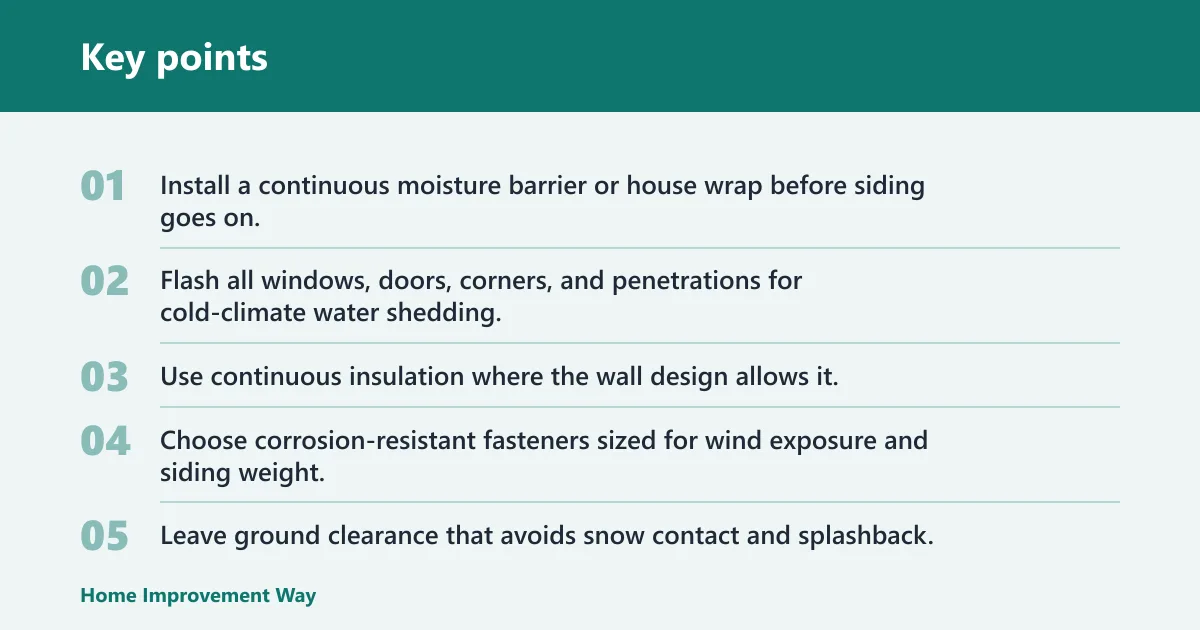
- Install a continuous moisture barrier or house wrap before siding goes on.
- Flash all windows, doors, corners, and penetrations for cold-climate water shedding.
- Use continuous insulation where the wall design allows it.
- Choose corrosion-resistant fasteners sized for wind exposure and siding weight.
- Leave ground clearance that avoids snow contact and splashback.
- Detail seams so panels stay locked in high winds without trapping water.
What siding should I avoid in snowy climates?
Avoid standard vinyl on walls that face the hardest winter exposure, especially where freeze-thaw cycling is severe. Traditional wood also needs frequent maintenance and is less forgiving when moisture stays trapped. Any siding can fail if seams, flashing, or fasteners are weak, but some materials give you less room for error.
Best matches by snowy-region subtype
For lake-effect snow, choose fiber cement or steel because repeated wetting is a bigger problem than cold alone. For mountain homes, prioritize fiber cement with HZ5 or steel, since freeze-thaw cycles and elevation wind both matter. For high-wind cold plains, steel often fits best because the wall needs strong attachment and snow shedding.
A common first-timer mistake is choosing a siding by appearance alone, then learning later that the north wall stays wet for days after every storm. That wall needs more moisture tolerance than the sunny side, even on the same house.
How to choose
Start with the winter failure you are trying to stop. If cracking from freeze-thaw is the main risk, choose fiber cement. If snow shedding and wind are the main risks, steel may be better. If you want a wood look and the site is drier, engineered wood can fit. Use insulated vinyl only where the exposure is mild enough that brittleness and cracking are not the dominant concern.
Then check the wall, not just the climate. North-facing walls, shaded elevations, long roof overhangs, and low areas near snow buildup need better moisture control, stronger fasteners, and better flashing than sheltered walls. That is often the difference between a siding that lasts and one that starts failing at the seams.
Frequently asked questions
Is fiber cement good for snow and freeze-thaw cycles?
Yes. Fiber cement is one of the strongest choices for snow and freeze-thaw climates because it resists moisture, rot, insects, and fire, and HZ5 products are made for wet, freezing conditions. It still needs correct installation, especially secure fastening, flashing, and proper ground clearance.
What siding sheds snow best?
Steel siding sheds snow best because it has excellent snow-shedding ability and performs well in high wind. Smooth panel profiles shed better than profiles with more ledges or texture. Even so, you still need proper flashing and seam detailing so meltwater does not get trapped behind the panels.
What siding lasts longest in mountain climates?
Fiber cement usually lasts longest in mountain climates when it is installed correctly, because it handles freeze-thaw cycles, moisture, and wind exposure well. Steel can also last a long time, but denting may be a concern. Engineered wood can do well in drier mountain settings with regular maintenance.
Sponsored / affiliate links. As an Amazon Associate I earn from qualifying purchases. I may earn additional commission from eligible campaigns.