Best Exterior Siding for a Cabin: Choose by Exposure
The best exterior siding for a cabin is usually fiber cement or engineered wood on the main walls, with metal, masonry, or treated wood on the splash zone and base, chosen by how much rain, snow, and splash the wall takes. If you ignore that split, you invite rot, paint failure, swelling, and higher repair costs. This guide compares cabin siding options by climate, maintenance, and rustic look, then shows where each material belongs on the walls, gables, and lower courses.
Cabin siding decision matrix

Cabins push exterior materials hard. They shed snow, take splashback, face UV, and often sit where upkeep is hard to reach. Use the scores below as a practical filter, not a substitute for flashing, a proper WRB, or good edge details.
| Siding choice | Rustic appearance | Moisture tolerance | Freeze-thaw resilience | Maintenance burden | Repairability | Recommended use zone |
|---|---|---|---|---|---|---|
| Wood siding | 5 | 2 | 2 | 2 | 4 | Main walls or accents where upkeep is realistic |
| Cedar siding | 5 | 3 | 3 | 3 | 4 | Main walls, gables, and visible accent bands |
| Board-and-batten profile | 4 | 3 | 3 | 3 | 3 | Gables, second stories, or mixed-material walls |
| Shake siding | 5 | 2 | 2 | 2 | 2 | Accent bands or sheltered gables |
| Shingle siding | 4 | 3 | 3 | 3 | 4 | Main walls or gables where a cleaner texture fits |
| Fiber cement siding | 3 | 5 | 5 | 5 | 3 | Main walls and exposed zones in damp or snowy climates |
Here is the short version. Wood and cedar win on cabin character. Fiber cement wins on low upkeep and wet-weather tolerance. Board-and-batten is a profile, not a material, so its performance depends on whether you build it in wood, fiber cement, or another product and detail the wall assembly correctly.
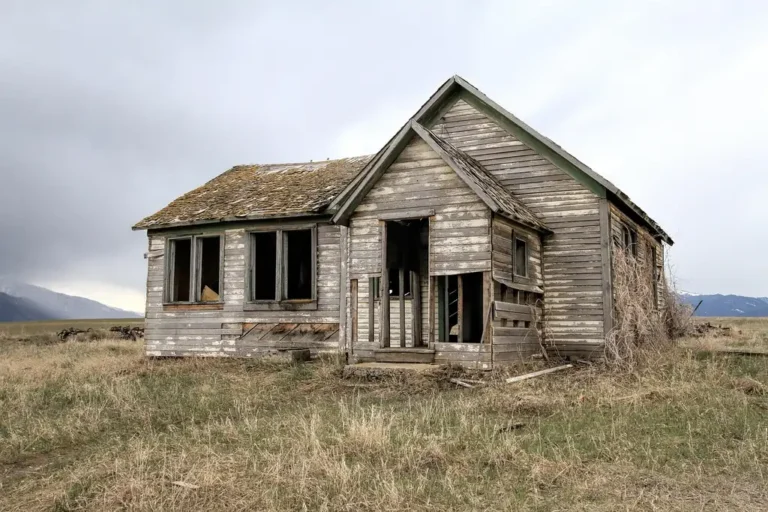
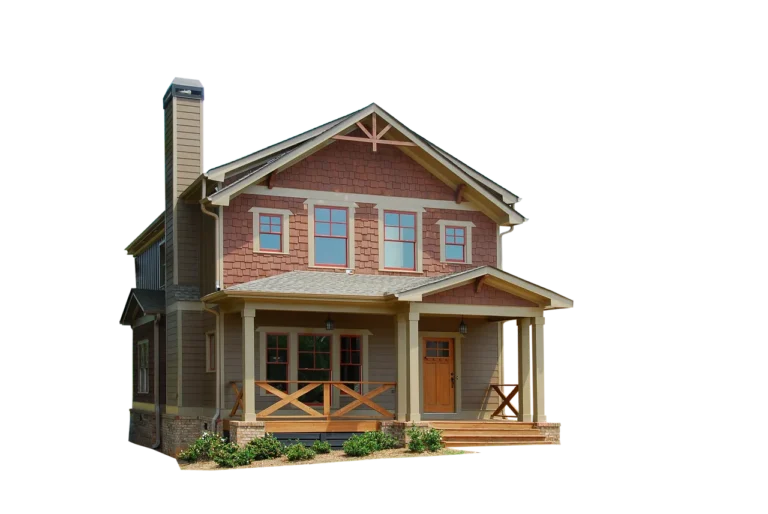
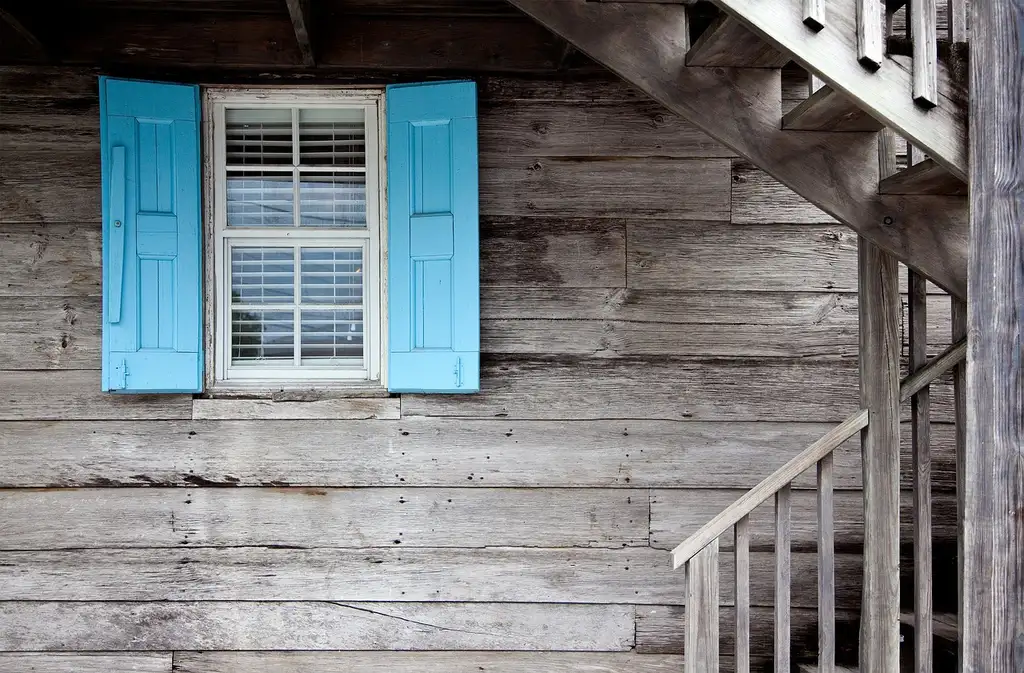
Wood siding is the classic cabin look. It can last from 10 to 30 years, depending on maintenance and installation quality, and pine and fir are typically on the lower end of wood siding cost. Cedar is the common premium choice because it is a good long-term, popular option and resists rot better than many woods, but it still needs periodic re-staining and careful detailing.
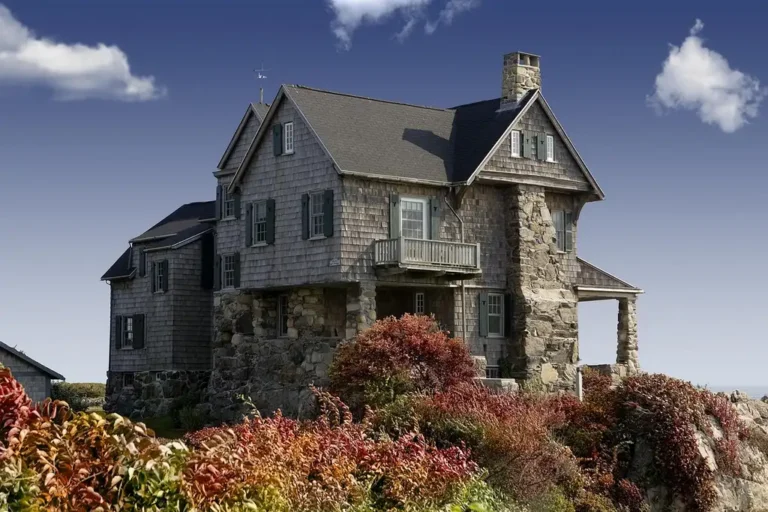
Shake siding usually brings the most layered texture. It is typically made of cedar and uses overlapping pieces, which creates depth but also more places for water to linger if the wall is poorly detailed. Shingles are sawn instead of split, so they have a smoother texture and cleaner edges, and they are often easier to keep visually tidy on a smaller cabin.
Fiber cement is the practical alternative when upkeep has to stay low. It resists rot and insects, can mimic wood textures, and works well on cabin-like exteriors in damp climates. Vinyl wood-look siding is another lower-maintenance option when real wood upkeep is too high, especially for owners who want the cabin feel without regular staining or sealing.
📊 Only 4% of new homes completed in 2021 were made with wood siding. Source: Familyhandyman.
What is the best exterior siding for a cabin?
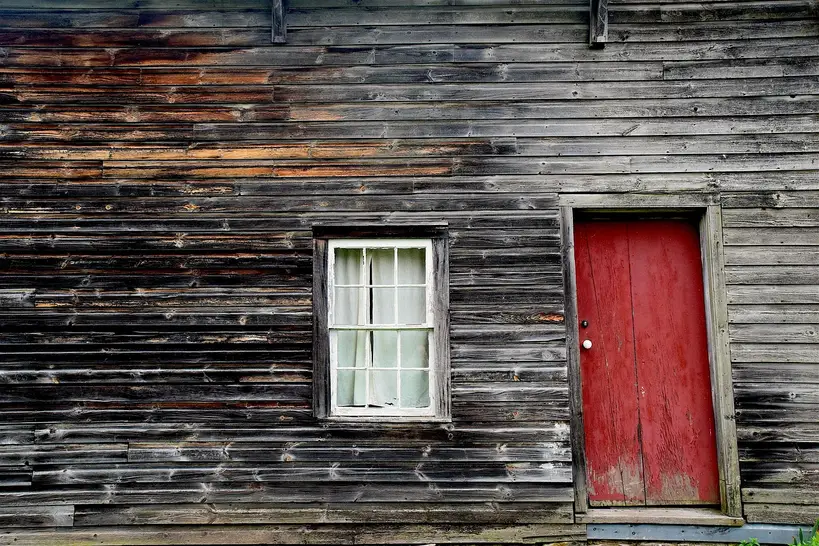
The best exterior siding for a cabin depends on how wet the site is, how much snow piles against the walls, and how often you can maintain it. For year-round homes in harsher weather, fiber cement on the main walls often makes sense. For vacation cabins with regular care, cedar or wood can be a strong choice.
Mixed materials usually beat a single-material exterior on cabins with real weather exposure. Use fiber cement or cedar on the main walls, vertical siding on gables, and stone skirting or treated trim at the base. That split sends the toughest work to tougher materials and keeps the exterior looking grounded and purposeful.
By cabin use case
A year-round residence usually benefits from lower-maintenance siding on the most exposed walls. A vacation cabin can handle more real wood if someone can inspect it regularly and recoat it on schedule. A rental cabin needs durable details and easy patching, because turnover and guest use often mean less time for small repairs.
Suppose a 1,200-square-foot lakeside cabin has splashback on the lower walls and deep shade on the north side. Fiber cement on the main walls and cedar on the gables gives you the look without putting the most vulnerable areas in a high-maintenance material.
What siding looks most natural on a cabin?
Wood siding and cedar look most natural on a cabin because they read as familiar, warm, and tied to the setting. Darker stains and matte finishes suit a woodland mood better than glossy coatings. Keep the palette tight: no more than two main colors plus a small accent color.
Texture changes the mood
Board-and-batten gives cabins a crisp vertical rhythm, which helps smaller cabins feel taller and works well on tall gables and second stories. It can also pair with horizontal lap on the main walls. That mix keeps the cabin from looking too boxy while still feeling simple.
Shake siding adds the most old-world texture. Use it where you want depth, not everywhere. Too much shake can make a compact cabin feel busy, especially when the roofline is already complex. Shingles offer a cleaner version of that texture and can be a better fit when you want the cabin to feel quieter from the road.
Which siding lasts longest in wet weather?
Fiber cement lasts longest in wet weather among the options here, especially when it is detailed with proper clearances, flashing, and sealed cut edges. Real wood can still work in wet climates, but joints, end grain, and lower edges need more attention, and the finish schedule matters more.
Shake siding is the most moisture-sensitive of the wood looks because the overlapping layers can trap moisture if the wall cannot dry. That does not make it wrong for a cabin. It means it belongs in more sheltered zones or in places where you can inspect it often.
What to watch in wet zones
- Keep siding above the roofline, grade, and deck surfaces with proper clearances.
- Use flashing at windows, corners, and any horizontal transition.
- Keep splashback areas in tougher materials or protected by skirting.
- Avoid tight joints that hold debris, snow melt, or repeated splash.
How should you use siding by cabin zone?
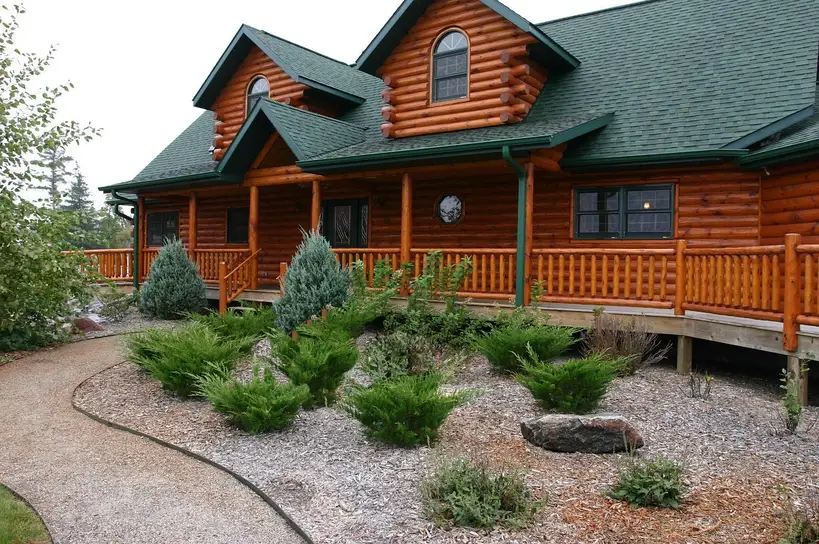
Use the wall area that gets the hardest weather for the most durable material you can afford to maintain. Main walls take the most visual space, gables often need help with scale, and the base should handle splashback and snow. Treat each zone differently instead of forcing one product to do everything.
Main walls
Main walls are the best place for lap siding, shingle siding, fiber cement, or cedar, depending on the climate and maintenance plan. A cabin in a damp forest edge often does best with fiber cement on the broad faces, while a more sheltered woodland retreat can use cedar or wood for a warmer look.
Gables and dormers
Gables and dormers are where board-and-batten shines as a profile. Vertical lines pull the eye upward and help a low cabin read taller. On an A-frame cabin, vertical or diagonal siding can work visually, but the deciding factor is still the wall assembly and the weather exposure on the long roof slopes.
Base and skirting
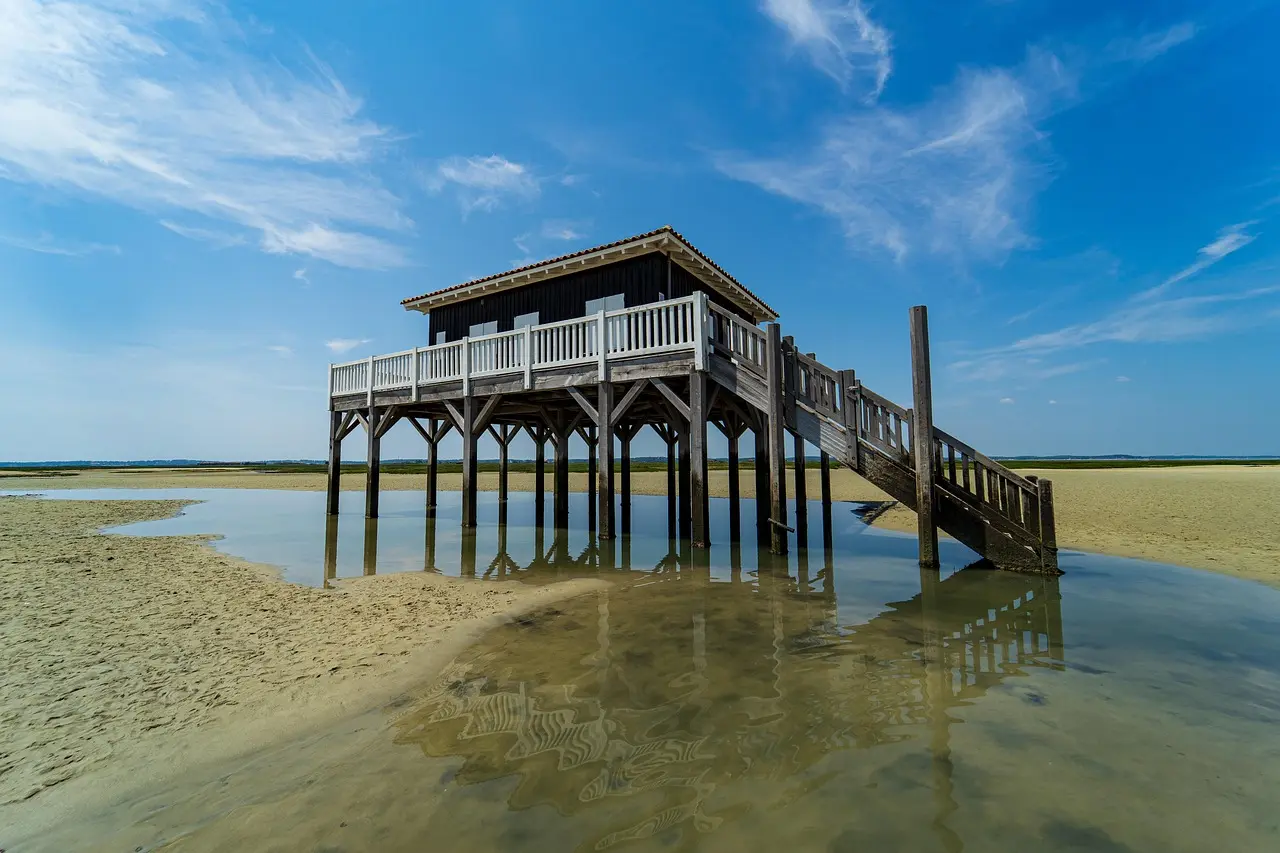
Stone skirting or wainscot belongs below the wall line, not as a full-wall siding choice. It adds visual weight and helps on sloped lots or raised foundations. Stone skirting can be especially useful where snow piles up along the walls, because that lower band takes the worst contact.
Trim matters just as much. High-contrast trim frames windows, beams, and porch posts, and it helps define the massing of the cabin. Keep the trim palette tight so the siding mix feels deliberate instead of random.
What should you avoid on exposed cabin walls?
Avoid putting the most maintenance-heavy wood details on the hottest, wettest, or hardest-to-reach walls. High sun can dry and fade finishes fast. Repeated splashback can shorten the life of wood siding. Any profile with crowded joints, weak flashing, or little drainage can fail early even if the material itself is sound.
A common first-timer mistake is choosing a beautiful shake wall for a low overhang at the base of a cabin. That area gets rain rebound, snow melt, and dirt buildup. A tougher lower course, such as stone skirting or another durable base material, usually makes more sense there.
Maintenance by material
Real wood needs the most attention. Plan on periodic re-staining or repainting, with shorter intervals on sunny or exposed sides and longer intervals on sheltered walls. Fiber cement usually has the lowest upkeep burden among the options here. Vinyl wood-look siding reduces staining and sealing work, but it will not give the same depth as real wood.
For a high-turnover rental cabin, that difference matters. If a guest bumps a corner or a winter storm drives water into one area, a repairable product with readily available pieces is easier to manage than a wall system that needs careful matching and frequent refinishing.
How much maintenance does cabin siding need?
Cabin siding maintenance ranges from seasonal inspection to recurring refinishing. Real wood generally needs the most work, especially on sunny walls, exposed corners, and lower courses that see splashback. Fiber cement usually needs the least routine attention, while cedar sits in the middle with better durability than many woods but still a finish schedule.
Practical maintenance rhythm
- Inspect spring and fall for failed caulk, lifted edges, peeling finish, and water stains.
- Wash dust, pollen, and debris before it holds moisture against the wall.
- Recoat real wood before the finish breaks down to bare wood on the most exposed sides.
- Check base details after snow season for splash damage and trapped debris.
Wood siding can last from 10 to 30 years, but that range only makes sense when the finish, flashing, and wall details are maintained. The look is worth it for many cabins, but the upkeep should be part of the decision, not an afterthought.
Frequently asked questions
Is wood siding good for a cabin exterior?
Yes. Wood siding is the classic cabin choice and can look excellent on walls, gables, and accents. It does need periodic re-staining or painting, and it is more vulnerable to rot and pests than lower-maintenance products. It works best when you can keep up with inspections and recoating.
Should I use board and batten or lap siding on a cabin?
Use board and batten on gables, second stories, or places where you want more vertical emphasis. Use lap siding on broad main walls when you want a calmer read. Many cabins use both: vertical on the upper portions and horizontal on the main walls for balance and scale.
What siding is best for a cabin in snowy regions?
Fiber cement on the main walls, paired with stone skirting or another durable base detail, is often the strongest choice in snowy regions. Snow piles up at the walls, so the lower zone needs extra protection. Wood can still work above that zone if the details are strong and the finish is maintained.
What siding works best for an A-frame cabin?
On an A-frame cabin, the best siding is usually the one that handles the long roof slopes, steep angles, and hard-to-reach upper surfaces with the least fuss. Fiber cement or another low-maintenance product often makes sense. Vertical or diagonal layouts can suit the form, but drainage and flashing matter more than the pattern.
Can I use fiber cement on a cabin and still keep the rustic look?
Yes. Fiber cement can mimic wood textures and still read as rustic when you use the right profile, a muted color, and a mixed-material layout. Pair it with wood trim, stone skirting, or vertical gables, and avoid bright gloss. That combination keeps the cabin feel without the same upkeep burden.
What siding should I avoid on a cabin in high sun or moisture?
Avoid putting the most maintenance-heavy wood details in the hottest or wettest exposure zones. Shake siding can trap moisture if the assembly is not detailed well, and any wood finish can fail faster under strong sun. For those areas, choose more durable materials and keep the wood for sheltered accents.
What is the best exterior siding for a house?
For a standard house, the best siding still depends on climate, maintenance tolerance, and local exposure. Fiber cement is a common low-maintenance pick, while wood and cedar offer more character with more upkeep. The same rule applies to cabins: match the siding to the wall, not just to the style you want.
Sponsored / affiliate links. As an Amazon Associate I earn from qualifying purchases. I may earn additional commission from eligible campaigns.