Best Shed Siding Options (2026): We Compared
The best exterior siding for a shed is usually a structural panel system for the walls, or a low-maintenance skin over sheathing if you want the simplest install; choose based on whether the siding carries structure, sheds water, or only protects the wall. Pick the wrong assembly and you can end up with rot, leaks, swollen panels, and repairs that cost far more than better materials. This guide compares shed siding by assembly type, then helps you choose the best option for durability, upkeep, and installation effort.
Quick comparison
| Product | Badge | Best for | Price | ||
|---|---|---|---|---|---|
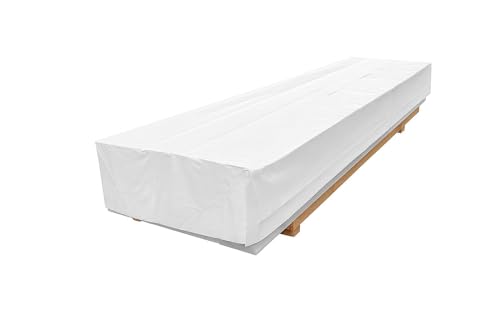 |
LP® SmartSide® Unit Covers, Used for Primed andSMARTSIDE | Our pick | $199.99
Price as of 22 Oct 2026
|
View | |
 |
Hangers for Hardie Board Siding Tools Fit 5/16-Inch FiberJYINCPED | Also great | $13.32
Price as of 22 Oct 2026
|
View | |
 |
64 Pcs Briwoody Western Red Cedar Shingles, 18 Inch RoofBriwooody | Also great | 64 shingles · 20-25 sq ft · Western red cedar | $265.99
Price as of 22 Oct 2026
|
View |
 |
NeatiEase 10 Pcs Metal Roofing Panels, 8.1 Feet CorrugatedNeatiEase | Budget pick | 10 panels · 8.1 ft each · Galvanized steel with screws | $209.99
Price as of 22 Oct 2026
|
View |
The comparison below separates first cost from long-term upkeep, because those are not the same decision. It also shows whether a siding option can act as the wall skin or needs full backing behind it.
Use that distinction first. A decorative skin can look good and still fail fast if the wall assembly underneath is wrong.
How we chose
The best shed siding depends on budget, climate, appearance, and how much maintenance you want to do. Moisture resistance comes first, then rot risk, DIY difficulty, and whether the siding can take a structural role or only finish an already sheathed wall.
We compared options by first cost, maintenance cadence, wall-system role, and climate fit. We also weighed trim, WRB, and flashing compatibility, because those details decide whether a shed stays dry at cut edges and joints.
| Siding option | First cost | DIY difficulty | Moisture resistance | Rot risk | Maintenance cadence | Structural role | Climate fit |
|---|---|---|---|---|---|---|---|
| Vinyl siding | Low | Easy | High | Low | Low | Decorative skin only | Best in mild to wet climates; weaker in cold if insulation is limited |
| Bevel siding | Medium | Medium | Medium | Medium | Medium to high | Decorative cladding over sheathing | Good where you want a traditional look and can repaint or restain |
| T1-11 plywood siding | Low | Easy | Medium | Medium to high at cut edges | Medium | Can be wall skin in simple sheds | Best in dry to moderate climates with careful edge sealing |
| LP SmartSide vertical panel siding | Medium | Medium | High | Low to medium if details are correct | Low | Can form the continuous exterior wall skin in qualifying installations | Strong all-around fit, especially for workshop sheds |
| DuraTemp wood siding | Medium | Medium | Medium to high | Medium | Medium | Structural exterior wall skin in some assemblies | Good where you want a rough-sawn look without full log-cabin upkeep |
| Board-and-batten siding | Medium | Medium | Medium | Medium | Medium | Applied cladding over sheathing | Good for tall, narrow sheds and modern backyard styles |
| Metal siding panels | Medium to high | Medium | High | Low | Low | Can be part of the exterior skin system, but still needs correct backing and trim | Best for wet, windy, or low-maintenance sites |
| Exterior-grade plywood sheathing under cladding | Medium | Medium | Depends on finish layer | Depends on finish layer | Depends on cladding | Structural backing under applied cladding | Best as the base for vinyl, board-and-batten, or similar skins |
Vinyl siding: best for budget storage sheds
Vinyl siding is a strong choice for a basic storage shed when you want low upkeep, water resistance, and easy DIY installation. It is durable and water resistant, and it comes in horizontal and vertical styles. Its main weakness is limited insulation value in cold climates.
For a simple garden shed or lawn-equipment shed, vinyl keeps the wall dry with little painting or staining. It also pairs well with a neat trim package, which matters if the shed sits near the house.
Horizontal versus vertical vinyl styles
Horizontal panels look most familiar and blend well with many homes. Vertical vinyl can fit taller sheds or a modern backyard style, but either way the fasteners, corner trim, and starter strips need to be set straight.
Say your 8-by-10 storage shed sits in a damp side yard and you want the least maintenance possible. Vinyl can work well there, but you still need a flat, dry wall behind it and proper trim around openings so water does not get behind the skin.
Cold-climate limits and trim details
Vinyl is not a cure for a thin wall. In cold climates, the siding itself offers limited insulation, so the wall assembly underneath still matters. Use compatible corner posts, J-channel, and flashing at doors and windows, then follow the manufacturer’s fastening pattern.
LP SmartSide vertical panel siding: best for workshop sheds
LP SmartSide vertical panel siding fits workshop sheds because it can form the continuous exterior wall skin in qualifying installations. That means it can do more than decorate the wall. It gives you a clean vertical look and can simplify the assembly when the shed needs a tougher shell.
It is a good middle ground if you want a more finished look than raw plywood but do not want the upkeep of a fully painted wood-clapboard shell. It also handles the vertical board look well on taller walls.
Fasteners, sealing, and edge protection
Even strong engineered wood needs disciplined detailing. Seal cut edges, keep the bottom edge clear of splashback, and flash openings so water cannot sit in grooves or joints. The failure mode to watch is edge swelling, usually where cuts were left unsealed or trim was too tight to drain.
Most buyers choose this type for a workshop because it balances appearance and function. It is not maintenance-free, but it reduces the constant repaint cycle that comes with more traditional wood siding.
What siding lasts longest on a shed?
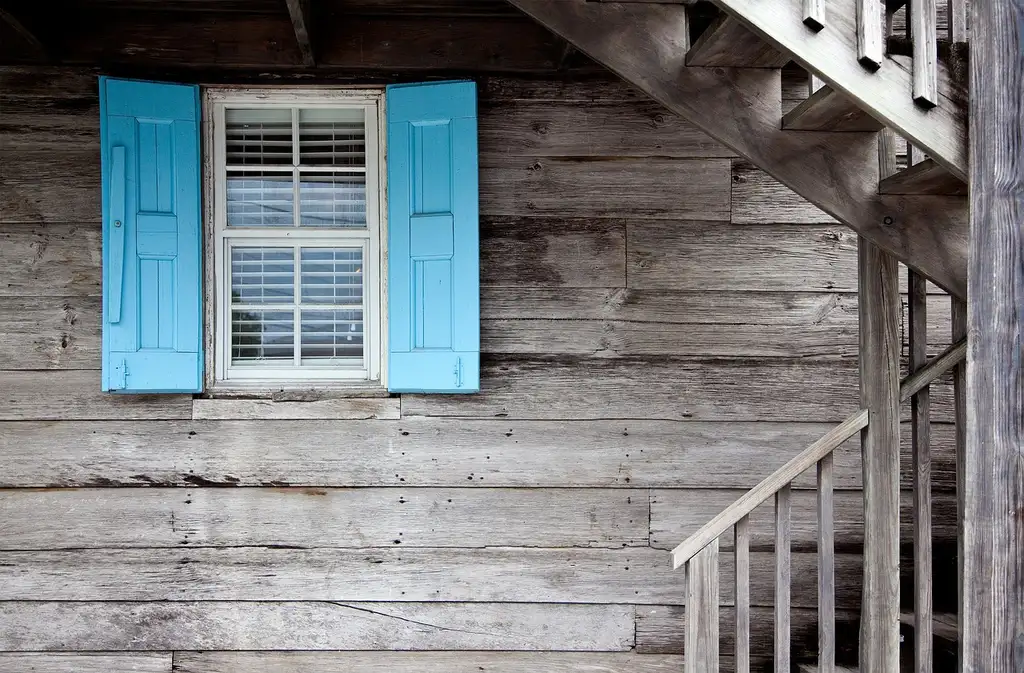
Metal siding panels usually last longest when the site is wet, windy, or exposed and you want the lowest maintenance burden. Galvanized steel resists corrosion well, and interlocking profiles are made to keep water out. LP SmartSide vertical panel siding is also a strong long-life choice when you want a warmer, more finished look.
Metal siding panels: best for wet or windy sites
Metal siding panels are a practical answer for exposed sheds because they shed water fast and need little routine care. The drawback is detail sensitivity: edges, fasteners, and trim have to be right or leaks can show up at penetrations and overlaps.
Backyard Escape Studios describes corrugated steel with a 7/8-inch corrugated profile, and that profile is a common reason people choose it for sheds and outbuildings. The look is utilitarian, so it suits storage sheds better than a house-adjacent decorative build.
Fasteners and sealing at the joints
For metal roofing and siding, use self-tapping screws with EPDM washers. A common fastener spec for metal roofing and siding is about 1.5 inches long with a 1/4-inch hex drive. Those washers help seal against leaks, but only if the screws are driven straight and not overtightened.
Picture a shed on an open lot where wind pushes rain at the side wall. Metal can handle that better than many wood-based options, but the fastener pattern and trim at corners will decide whether the wall stays dry.
What can I use for shed siding?
You can use vinyl, bevel siding, T1-11 plywood siding, LP SmartSide vertical panel siding, DuraTemp wood siding, board-and-batten, or metal panels. The right choice depends on whether you want a structural wall skin, a decorative finish over sheathing, or the lowest-maintenance shell possible.
Bevel siding: best for a traditional look
Bevel siding, also called clapboards, is installed horizontally with overlapping courses. It is commonly milled from Western red cedar or redwood, and it can also be found in spruce, cypress, or pine. Paint the smooth side out; stain the rough side out if you want that finish path.
This is the best choice when you want a shed to echo a house with traditional siding details. The tradeoff is upkeep. Paint and stain need renewal, and exposed end grain can fail if you leave it unsealed.
T1-11 plywood siding: best for fast, economical coverage
T1-11 plywood siding usually comes in 4×8-foot sheets and is described here as 5/8 inch thick with grooved patterns. It gives economical coverage and speeds up installation on small sheds. Lancaster Barns lists Painted DuraTemp T1-11 as an economy option.
This is often the cheapest exterior siding for a shed when you want to get closed in fast. Its weak point is moisture at cut edges and seams, so you need careful priming, flashing, and a drip detail at the bottom edge.
Board-and-batten siding: best for vertical shadow lines
Board-and-batten creates deep shadow lines and a strong vertical look. It is usually applied over sheathing, so the wall underneath still needs to be built correctly. The same source lists board-and-batten as a shed siding option, which fits its popularity for backyard sheds.
Use it when the shed should look more finished than a plain utility box. It is more labor-intensive than a single-panel skin, and the battens add places where water control must be correct.
DuraTemp wood siding: best for rough-sawn character
DuraTemp wood siding is a plywood-based panel with structural exterior wall skin potential and a rough-sawn character. That makes it useful when you want a panel shed that still looks closer to traditional wood construction than vinyl or plain metal.
The drawback is the same one that follows most wood-based panels: cut edges and penetrations need sealing. If water gets into the wrong edge, swelling and paint failure can start there first.
Exterior-grade plywood sheathing under applied cladding
When you choose applied cladding, start with exterior-grade plywood sheathing under it. Appalachian Sheds specifies full 1/2-inch exterior-grade plywood for some wall systems. That layer matters because it gives the wall stiffness, supports fasteners, and works with WRB and flashing details.
Do not treat the cladding as the whole wall if it is only a skin. The sheathing, WRB, and flashing sequence should be planned together so window heads, doors, corners, and the bottom edge all drain properly.
- Build the wall frame and sheath it with exterior-grade plywood where required.
- Install the WRB in the correct shingle-lap order.
- Flash openings before the siding goes up.
- Add starter strips, trim, and corner details.
- Install the siding and seal exposed cut edges as required by the manufacturer.
Which one should you buy?
Choose the cheapest first-cost option if the shed is basic storage and the site is sheltered. Choose the lowest-maintenance option if the shed is hard to reach, wet, or exposed. Choose the best-looking option near the house if the shed needs to match the home’s style.
Cheapest first-cost choice
T1-11 plywood siding usually wins on first cost and speed. It is the simplest way to close in a small shed, but it needs careful sealing, and its cut edges are a common failure point. If you want the lowest initial spend, this is the place to start.
Lowest maintenance choice
Metal siding panels are the best low-maintenance choice for many sheds. Vinyl is also low maintenance, but metal usually handles rougher weather better and avoids paint cycles. For a workshop or storage shed in an exposed lot, metal is hard to beat.
Best-looking choice near the house
Bevel siding or board-and-batten is often the best match when the shed sits near the main house. Both can look intentional instead of purely utilitarian. Bevel leans traditional; board-and-batten leans taller and more modern.
Best choice for a damp or exposed site
Metal siding panels are the best answer for wet or windy sites. LP SmartSide vertical panel siding is the next best fit when you want a more finished appearance and a wall skin that can do more than cover the frame. Either way, use proper flashing and keep fasteners and cut edges protected.
Common first-timer mistake: choosing by appearance alone. A decorative skin over a weak wall assembly can fail sooner than a plainer panel system with proper backing, trim, WRB, and flashing.
Frequently asked questions
What to use for shed siding?
Use vinyl for low-maintenance storage sheds, T1-11 for the cheapest fast cover, metal for exposed sites, and wood-based panels or board-and-batten when appearance matters more. Match the shed to the house or backyard style, but do not skip moisture control, flashing, and edge sealing.
Best wood siding for a shed
The best wood siding depends on the look you want and the maintenance you will accept. Bevel siding gives the classic clapboard look, while LP SmartSide and DuraTemp give panel convenience with a wood appearance. Cedar and redwood are common for traditional bevel and shingle looks.
Cheapest exterior siding for shed
T1-11 plywood siding is usually the cheapest exterior siding for a shed when first cost matters most. It comes in 4×8-foot sheets and covers fast. The tradeoff is edge protection, because exposed cuts and poorly flashed joints are where failure starts.
Is vinyl siding good for a shed?
Yes, vinyl siding is a good shed choice if you want low maintenance and easy DIY installation. It is water resistant and available in horizontal and vertical styles. Its main limit is that it offers little insulation value in cold climates, so the wall behind it still matters.
Should shed siding be structural or decorative?
It should be structural when the product and assembly are designed for that role, and decorative when it is installed over sheathing. Structural panels can simplify the wall, while decorative cladding gives more design options. The wrong choice can change cost, labor, and moisture control.
What siding is easiest to install on a shed?
Vinyl siding and T1-11 plywood siding are among the easiest for many DIY owners. Vinyl is easy when the trim package is straightforward, and T1-11 covers large areas quickly. Metal panels are also manageable, but the fastener pattern and trim need close attention.
Sponsored / affiliate links. As an Amazon Associate I earn from qualifying purchases. I may earn additional commission from eligible campaigns.