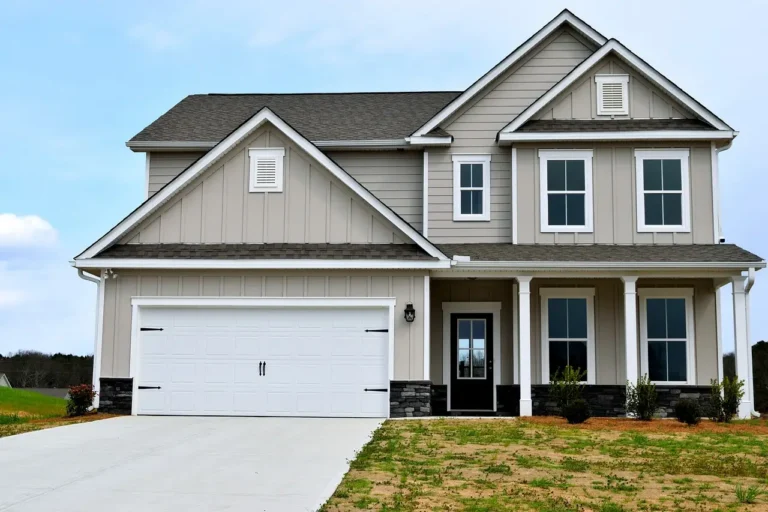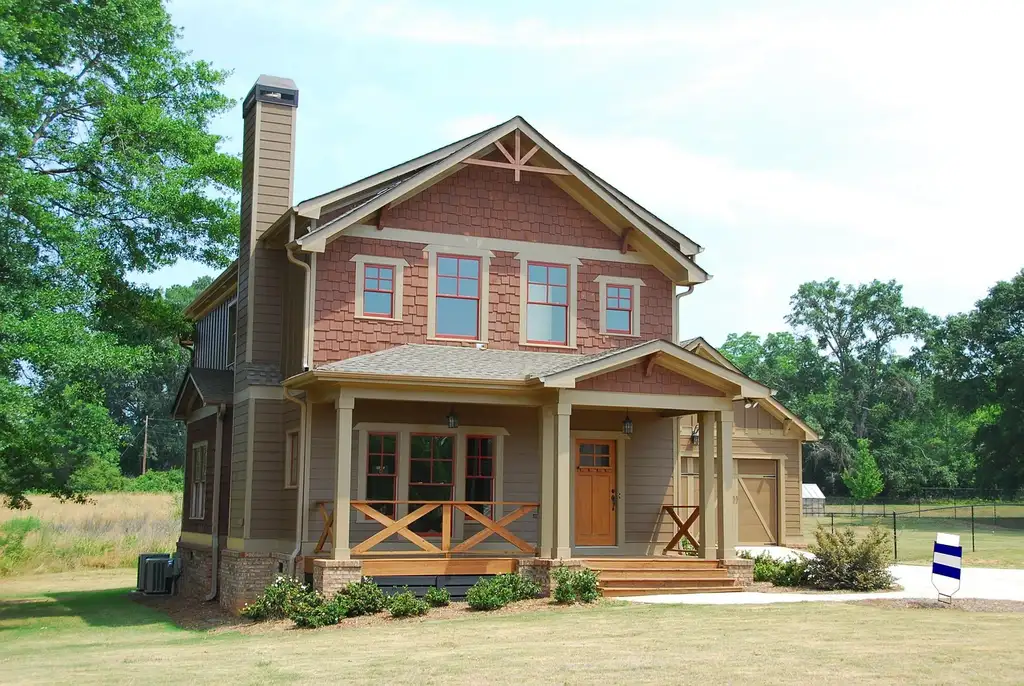
Is Engineered Wood Siding Worth It?
Engineered wood siding can make sense when you want a wood look for less than solid wood, and you can follow the install details and repaint it about every 5–10 years. Skip those steps, and swelling, edge failure, and repair costs can wipe out the savings. This guide compares engineered wood with vinyl, fiber cement, and solid wood so you can weigh the tradeoffs plainly.
How Engineered wood siding is built and finished
Engineered wood siding is a wood-based cladding category made from wood chips or strands bound together by resin, with wax and treatment layers that help with moisture control. It comes in lap, panel, and trim profiles, and many products are sold with primer or a moisture-resistant overlay from the factory. It is combustible wood-based cladding, so fire exposure matters.
Materials and construction
The core material is wood strand, fiber, or chip stock pressed with resin. LP SmartSide uses wood strands coated with a resin binder and compressed into boards, and competitor descriptions commonly note zinc borate treatment for termite and rot protection. That treatment is built into the manufacturing process, not added on site.
The practical difference from solid wood is consistency. You get more uniform boards and fewer knots, but you still have a wood-based product that needs the same edge and clearance discipline as other wood claddings.
Profiles and factory finishes
Most buyers will see lap siding first, but panel siding and trim boards are common too. Factory primer is standard on many products, and some lines use a moisture-resistant overlay instead. Either way, field cuts, joints, and penetrations still need attention after delivery.
Where the wood-based category fits
It usually sits between vinyl and fiber cement on price and performance, and it is often priced at roughly half the cost of real wood. That middle position is its main selling point. You are paying for a wood look and better consistency than natural boards, not for the lowest maintenance exterior possible.
Engineered wood siding decision matrix
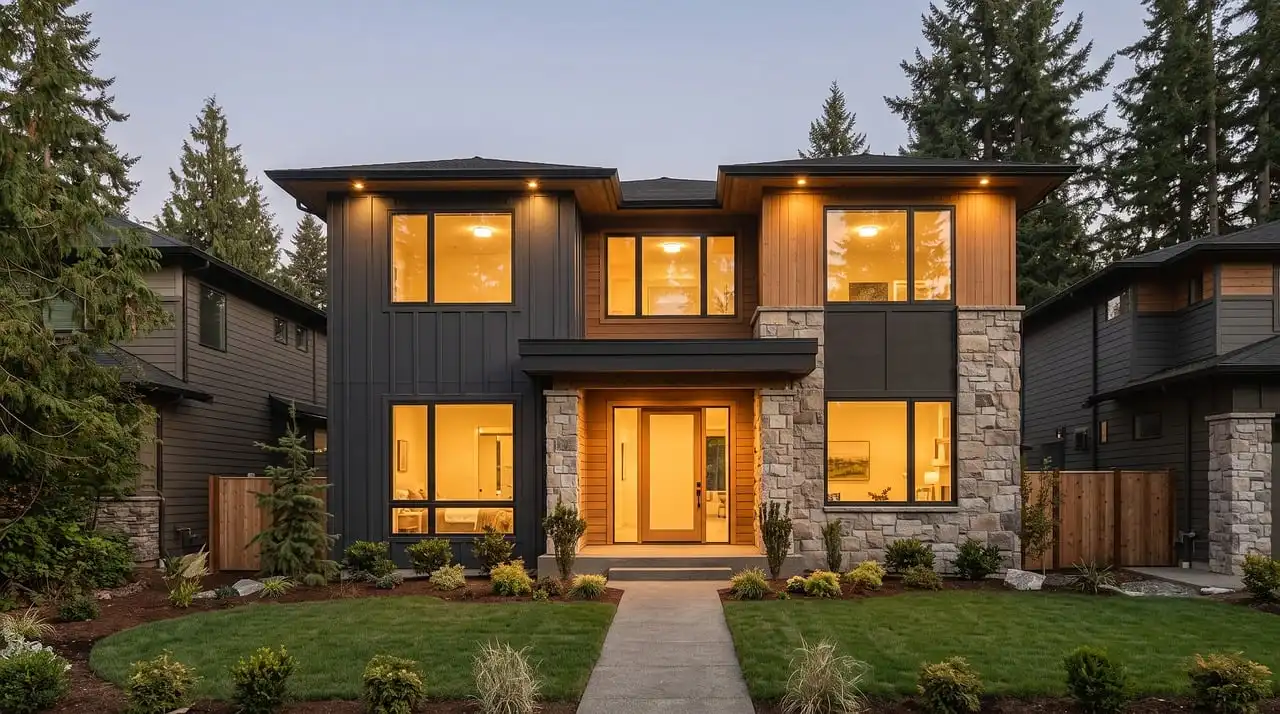
This material makes sense for some owners and not others. The table below scores the common options in the areas that change the decision most: upfront cost, realism, moisture sensitivity, pest resistance, fire performance, maintenance burden, and install difficulty. Lower scores are not always bad; they often mean lower cost or easier upkeep.
| Material | Upfront cost | Wood realism | Moisture sensitivity | Pest resistance | Fire performance | Maintenance burden | Install difficulty |
|---|---|---|---|---|---|---|---|
| Engineered wood | 3 | 4 | 3 | 4 | 2 | 3 | 3 |
| Vinyl | 5 | 2 | 4 | 5 | 3 | 5 | 4 |
| Fiber cement | 2 | 4 | 4 | 5 | 5 | 4 | 2 |
| Solid wood | 1 | 5 | 2 | 2 | 2 | 2 | 3 |
| Worth it if… | You want a wood look without full solid-wood cost, can keep up with repainting, and have a crew that will follow the fastening, sealing, and clearance rules. | ||||||
| Skip it if… | You want the lowest-maintenance exterior, have repeated water exposure details to solve, or need the strongest fire-resistant option. | ||||||
Upfront cost and wood realism
Engineered wood usually gives you a better wood look than vinyl, and it tends to cost less than solid wood. Vinyl still wins on budget, but it reads less like wood at close range. Fiber cement can mimic wood grain well, though it usually costs more to install and is harder to cut than wood.
A common first-timer mistake is judging engineered wood siding by the quote alone instead of factoring in upkeep, labor, and how long it should last. If a product needs repainting on a cycle the owner will not follow, the cheapest board can become the most expensive wall.
Moisture, pests, and fire
Engineered wood holds up better than natural wood against pests when it includes zinc borate treatment, but moisture control still matters. It is classified as combustible under IBC Chapter 14, so it is not the right answer for every high-risk fire setting. Fiber cement does better here because it is positioned as moisture-resistant and fire-resistant.
Maintenance and install difficulty
Compared with solid wood, engineered wood cuts easier and is lighter. LP and Collins products are sold in 16-foot boards for fewer seams and less waste, and a standard 16-foot engineered wood lap board weighs about 40 percent less than an equivalent fiber cement board. That helps installers, but it does not remove the need for careful detailing.
Say your house needs 2,000 square feet of new siding and the walls have lots of corners, windows, and trim returns. A longer board can reduce seams, but only if the crew still seals cut edges and keeps clearances correct. Without that discipline, fewer seams do not solve the moisture problem.
How does engineered wood compare with vinyl siding?
Vinyl costs less and needs less upkeep. Engineered wood looks more like painted wood and usually feels more substantial, but vinyl is easier to live with if you want to avoid repainting. The call comes down to whether appearance matters more than simple care and long-term upkeep.
Price and upkeep
Vinyl is the budget alternative and usually needs less maintenance over time. Engineered wood costs more, but it stays closer to the look of painted wood and can fit better on homes where the exterior is part of the design. If you want the least upkeep possible, vinyl usually wins.
Appearance and realism
Engineered wood is the stronger choice when you want the surface to read as painted wood from the street and at the porch. Vinyl can imitate wood grain, but it usually looks less convincing at close range. That gap matters more on front elevations than on rear or utility walls.
Best use case
Choose vinyl when budget and low maintenance drive the decision. Choose engineered wood when you want a more wood-like look and are willing to keep up with coating care. If curb appeal is the main reason for replacing siding, engineered wood can justify its middle position.
How does engineered wood compare with fiber cement siding?
Fiber cement is the premium durability benchmark in this comparison. It resists moisture and fire better than engineered wood, but it is harder to cut and usually tougher to install. Engineered wood is easier to handle and often less expensive than fiber cement, but it asks more from the owner on paint care.
Durability and fire resistance
Fiber cement has the stronger position where heat, embers, or long wet exposure are the main concerns. Engineered wood can last a long time, but only when the details are right and the finish is maintained. If fire performance matters most, fiber cement is usually the better call.
Cutting and installation
Fiber cement is harder to cut than wood, and that usually means slower installation and more dust control. Engineered wood is lighter and more carpenter-friendly. That can reduce labor friction, especially on houses with multiple stories or complicated gables.
When fiber cement is the better call
Pick fiber cement if you want the stronger durability profile and can accept a heavier, more demanding install. Pick engineered wood if you want easier handling, a closer wood look, and a lower midpoint cost. On a house exposed to frequent splash or harsh weather, fiber cement often earns the nod.
How does engineered wood compare with real wood?
Solid wood still has the deepest wood appearance and the widest range of traditional profiles, but it also brings more rot, pest, and repainting risk. Engineered wood lowers some of that burden and usually costs about half the price of real wood, yet it is still a wood-based product that needs active maintenance.
Rot, pests, and repainting
Natural wood is the most vulnerable of the three when upkeep slips. Engineered wood improves pest resistance and often does better with moisture than untreated solid boards, but it still depends on finish condition and edge protection. If the repainting cycle will be missed, solid wood is the worst fit.
Look and feel
Solid wood wins on authenticity. Engineered wood is close enough for many homes, especially when painted, but it cannot fully match the depth and variation of real lumber. The question is whether that difference matters enough to justify the extra cost and care of solid wood.
When solid wood still makes sense
Solid wood can still make sense on historic homes, custom work, or projects where traditional material character matters more than maintenance. It is a poor fit when the owner wants a low-fuss exterior. In those cases, the extra upkeep usually outweighs the look.
Installation details that decide performance
Installed performance depends as much on the wall details as on the siding itself. The weather-resistive barrier, fastening pattern, edge sealing, and clearance from grade all affect whether moisture stays out or gets trapped. Many failures blamed on product quality are really installation failures.
Weather-resistive barrier behind the siding
A weather-resistive barrier, such as housewrap or building paper, belongs behind engineered wood siding. It helps manage water that gets past the face of the cladding. Without it, the wall has fewer chances to dry and more chances to trap moisture at seams and openings.
Fasteners, edge sealing, and grade clearance
Manufacturer-specific fastener schedules matter because overdriving or underfastening can create edge stress and water entry. Cut edges should be sealed, and the International Residential Code requires a minimum 6-inch clearance between siding and grade. That clearance is not optional if you want to reduce splashback and rot risk.
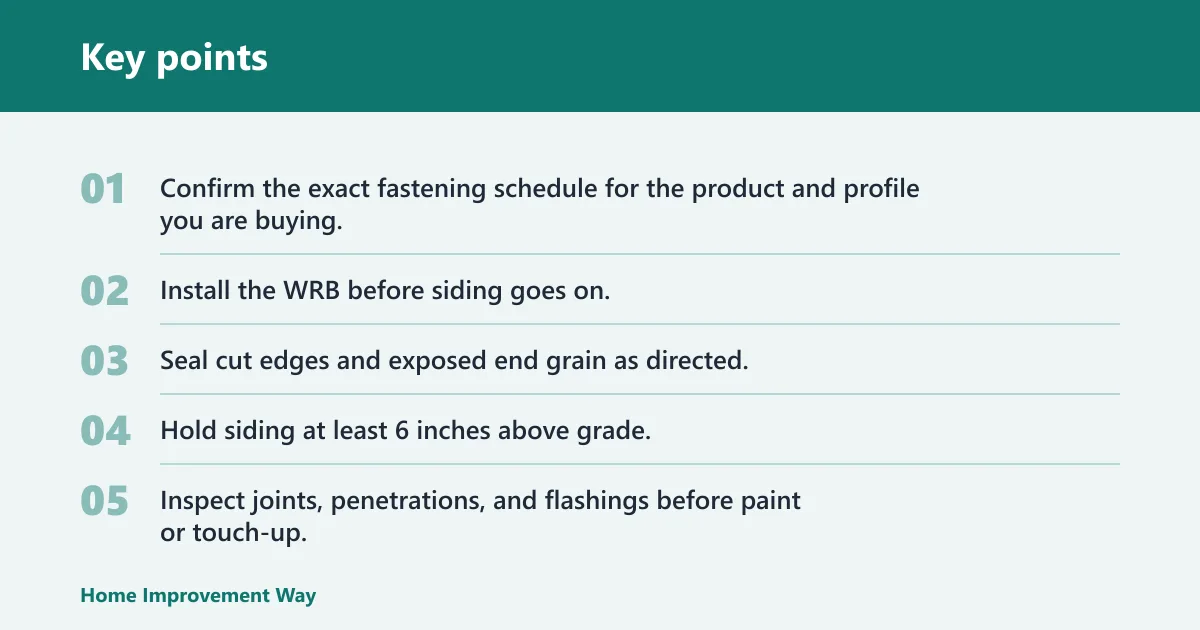
- Confirm the exact fastening schedule for the product and profile you are buying.
- Install the WRB before siding goes on.
- Seal cut edges and exposed end grain as directed.
- Hold siding at least 6 inches above grade.
- Inspect joints, penetrations, and flashings before paint or touch-up.
Why moisture failures are often installation failures
Engineered wood usually fails first at exposed edges, tight clearances, or weak flashing details. The board may be fine. The wall behind it may not be. That is why two houses can use the same product and get very different results.
Picture a 24-foot wall on a side yard where the siding ends only a few inches above soil. Water splashes back after storms, the lower course stays damp, and the paint blisters at the cut edge. The material gets blamed, but the problem started with clearance and detailing.
Warranty and brand signals to check
Warranty language can point to value, but it is only useful if the installation rules are followed. Some engineered siding products carry 30-year transferable warranties, and LP SmartSide adds a seven-year labor and replacement warranty. Those terms can matter, but the fine print matters more.
LP SmartSide and zinc borate treatment
LP SmartSide is a common reference point because competitors compare against it. Its product descriptions note SmartGuard zinc-borate treatment for termite and rot protection, and the line includes 16-foot boards that can reduce seams and waste. That makes it a strong benchmark for the engineered wood category.
What transferable warranties may cover
A transferable warranty can help resale value, but it does not automatically cover poor installation or ignored maintenance. Some warranties cover materials only. Others include labor or replacement terms. You need to know which parts are covered, for how long, and whether transfer steps are required.
What to verify before you buy
Check the exact profile, the finish system, the fastening requirements, and whether cut edges need specific sealant or primer touch-up. Confirm whether the warranty requires professional installation, annual maintenance, or a registered transfer. If those items are unclear, ask for the product listing before you sign the contract.
Frequently asked questions
Is engineered wood siding worth it?
Yes, if you want a wood look at a lower price than solid wood and can keep up with install discipline and repainting. It is less attractive if you want the lowest-maintenance exterior, need the strongest fire resistance, or expect the siding to survive sloppy detailing without consequence.
How long does engineered wood siding last?
There is no single lifespan that applies to every product. Longevity depends on product quality, climate exposure, installation quality, and how consistently you maintain the finish. Well-detailed walls can last a long time; poor clearances, unsealed cuts, and neglected paint can shorten service life fast.
Engineered wood vs vinyl siding
Vinyl is usually the cheaper and easier-to-maintain choice. Engineered wood looks more like painted wood and can suit a home better when appearance matters. If the priority is low upkeep, vinyl leads. If the priority is a more convincing wood look, engineered wood usually wins.
Engineered wood vs fiber cement siding
Fiber cement is the stronger option for fire resistance and moisture resistance, and it is often the durability benchmark. Engineered wood is lighter and easier to install, with a closer wood feel for some buyers. Choose fiber cement for tougher exposure; choose engineered wood for easier handling and a softer price.
Engineered wood vs wood
Engineered wood usually costs about half the price of real wood and offers better consistency and pest resistance. Solid wood still wins on authenticity and traditional character, but it needs more maintenance and is more vulnerable to rot and pests. If upkeep tolerance is low, engineered wood is usually the better trade.
Is wood siding good?
Wood siding can be good when you value natural appearance and are willing to maintain it. It is less appealing when moisture exposure, pest risk, or repainting burden are major concerns. On many houses, the question is not whether wood is good, but whether the upkeep fits the owner.
Sponsored / affiliate links. As an Amazon Associate I earn from qualifying purchases. I may earn additional commission from eligible campaigns.