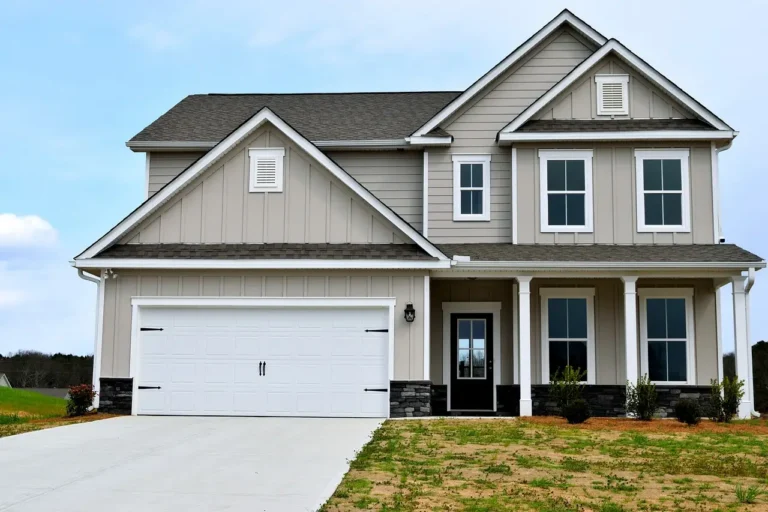
Is Fiber Cement Siding Worth the Cost?
Fiber cement siding is worth the cost if you plan to stay in the home 10 to 20 years, or if the house sits in a wet, fire-prone, or high-wind area where paint life, rot resistance, and lower replacement risk can offset a higher upfront price. Skip the math, and you can end up paying more through repainting, repairs, or early replacement. This guide breaks down upfront cost, maintenance cadence, failure risk, and the home types where fiber cement pays back its premium.
What fiber cement siding
Fiber cement siding is made from cement, sand, and cellulose fibers. It comes as planks, panels, or shingles, and it is built for exterior use where fire resistance, moisture resistance, pest resistance, and UV resistance matter more than the lowest opening price.
How the material is made and where it fits
The material is dense and hard, so it holds paint well and resists rot better than wood in many settings. It is also heavier than vinyl, which affects handling and installation cost. That is one reason pro installation is the normal recommendation.
Fiber cement usually lands in the middle of the siding market. It costs more than vinyl siding, but it often costs less than high-end wood systems over time if you count repainting, repairs, and replacement risk.
Planks, panels, and shingles
Plank products mimic lap or clapboard siding. Panels cover larger wall sections, and shingles or strips are used where a shake-like look is wanted. The format matters because labor and waste change with the shape of the wall, the trim layout, and the amount of cutting required.
Planks cost $0.70–$6 per square foot. Panels cost $2.50–$15 per square foot. Shingles cost $2–$6 per square foot, but they usually take more labor than planks because the install is more piece-by-piece.
📊 Average fiber cement siding project cost is $14,674. Source: Thisoldhouse.
How much fiber cement siding costs
Fiber cement siding costs $5–$14 per square foot, and labor typically runs $2–$8 per square foot. A full project often lands in the range of $9 to $23 per square foot installed, with the higher end showing up on two-story homes, complex trim layouts, and jobs that need more cutting or scaffold time. (Thisoldhouse)
Material and labor cost drivers
Material cost varies by style and brand, and prepainted or preprimed options can change the price as well. Labor rises when the house is tall, the corners are busy, or the crew needs more time for flashing, joints, and careful fastening. Professional installation is recommended because the material is heavy and less forgiving than vinyl.
Fiber cement can also cost $5 to $13 per square foot in material and $4 to $10 installed labor, depending on the source and product mix. That is why two quotes for the same house can differ a lot even when both are reasonable.
Why complex homes cost more
A simple ranch with long, open walls is easier to cover than a two-story home with dormers, gables, returns, and lots of trim. More corners mean more cuts. More cuts mean more waste, more time, and a higher chance of installation error if the crew is rushed.
Suppose a 2,000-square-foot exterior has multiple bump-outs and two stories. The siding itself may not change much from a simpler house, but scaffold time, flashing details, and labor for cuts can push the price well above the base range.
Fiber cement siding cost comparison
For a 1,500-square-foot facade, fiber cement usually costs more on day one than vinyl and often more than wood trim-level projects, but its maintenance pattern is different. The key question is not only what you pay to install it, but what you keep paying for paint, repairs, and replacement over 20 years.
| Material | Upfront install cost | Repaint cycle cost | Estimated 20-year maintenance cost | Worth it if |
|---|---|---|---|---|
| Vinyl | $6,000–$18,000 | $0 | $1,000–$3,000 | You want the lowest upfront price and do not need a premium look or higher heat and fire resistance. |
| Wood | $12,000–$24,000 | $6,000–$15,000 | $10,000–$25,000 | You want the look of wood and accept more upkeep, repainting, and higher rot risk. |
| Fiber cement | $13,500–$34,500 | $4,500–$10,500 | $5,500–$13,500 | You expect to stay put, want better fire and moisture resistance, and can justify the premium with lower replacement risk. |
The table is a planning tool, not a quote. It shows the pattern that matters: vinyl wins on upfront cost, wood usually loses on upkeep, and fiber cement often sits between them on total lifetime spend when repainting is included.
Does fiber cement need repainting?
Yes. Repainting is usually needed every 10–15 years, but the real interval depends on climate, finish, and sun exposure. Prepainted and preprimed products can change the first paint cycle, yet they do not remove it.
What changes the repaint cycle
Strong sun shortens finish life. Coastal air, heavy rain, and wide temperature swings can also shorten the time between paint jobs. South- and west-facing walls often age faster because they take more UV exposure.
That maintenance is why fiber cement should not be sold as maintenance-free. It is lower-maintenance than wood in many cases, but finish upkeep is still part of the lifecycle cost.
Finish options and upkeep planning
Preprimed siding lets you choose the topcoat later. Prepainted siding lowers the amount of finish work at the start, but the homeowner still needs to budget for a repaint cycle later. If you are comparing bids, ask whether painting is included and what prep is assumed.
A common first-timer mistake is to assume a budget fiber cement finish will never need repainting or touch-ups. It is not. The substrate may last for decades, but the finish will still wear and need attention.
What are the main drawbacks?
The biggest drawbacks are weight, cracking risk, installation complexity, and dust. Fiber cement is durable after it is installed correctly, but it is less forgiving than vinyl when it comes to handling, cutting, fastening, and sealing.
Weight and cracking risk
The material is heavy, and that extra mass matters on the wall and on the truck. Cuts and edges can crack if the boards are handled roughly or fastened poorly. That is why the product’s strength is tied closely to the quality of the install.
This Old House says fiber cement is five times thicker than vinyl, which helps explain both the durability and the handling demands. Thickness is useful only when the details behind it are done right.
Special tools, dust, and flashing details
Fiber cement often needs special saw blades and careful dust control. Cutting creates dust concerns, so crews should follow the manufacturer’s directions and basic safety practices. Fastening, clearance above grade, and flashing around openings matter because moisture intrusion can erase the value of the material.
Paint and siding can fail for simple reasons: no gap where the siding meets roofing or trim, poor sealant use, or skipped flashing. Those mistakes are especially costly on a product that is supposed to reduce rot risk.
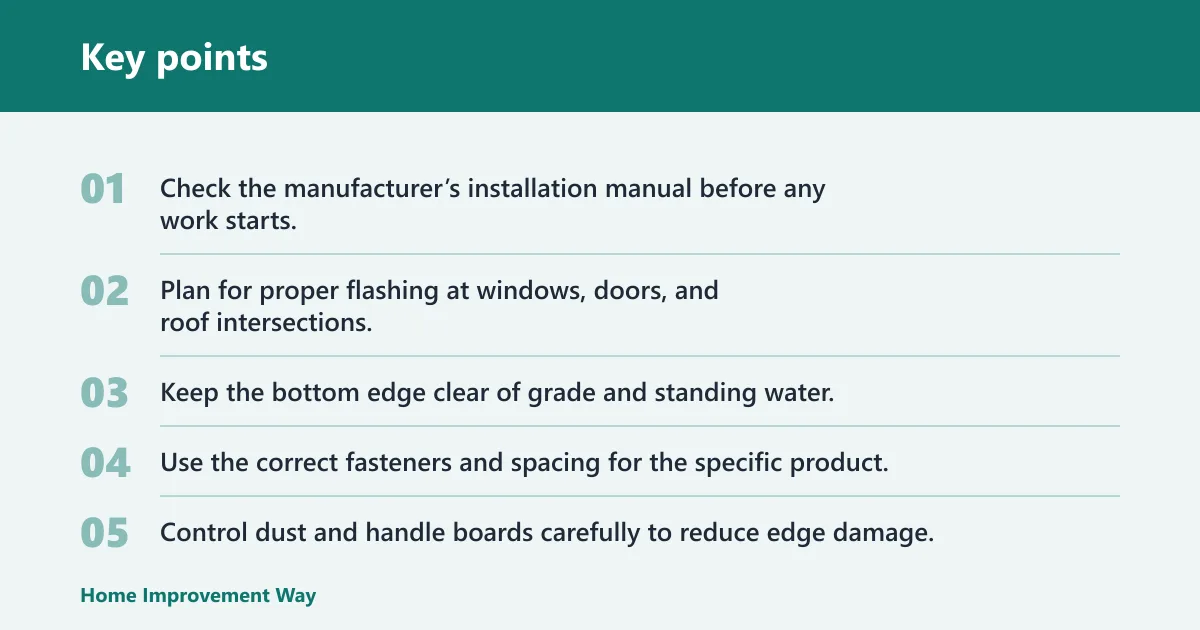
- Check the manufacturer’s installation manual before any work starts.
- Plan for proper flashing at windows, doors, and roof intersections.
- Keep the bottom edge clear of grade and standing water.
- Use the correct fasteners and spacing for the specific product.
- Control dust and handle boards carefully to reduce edge damage.
Fiber cement vs vinyl and wood
Vinyl is usually cheaper up front. Wood usually costs more to maintain over time. Fiber cement sits between them: it costs more to install than vinyl, but it can narrow the gap if you count repainting, moisture resistance, and lower replacement risk in tough climates.
Fiber cement siding vs vinyl cost: which is cheaper long term?
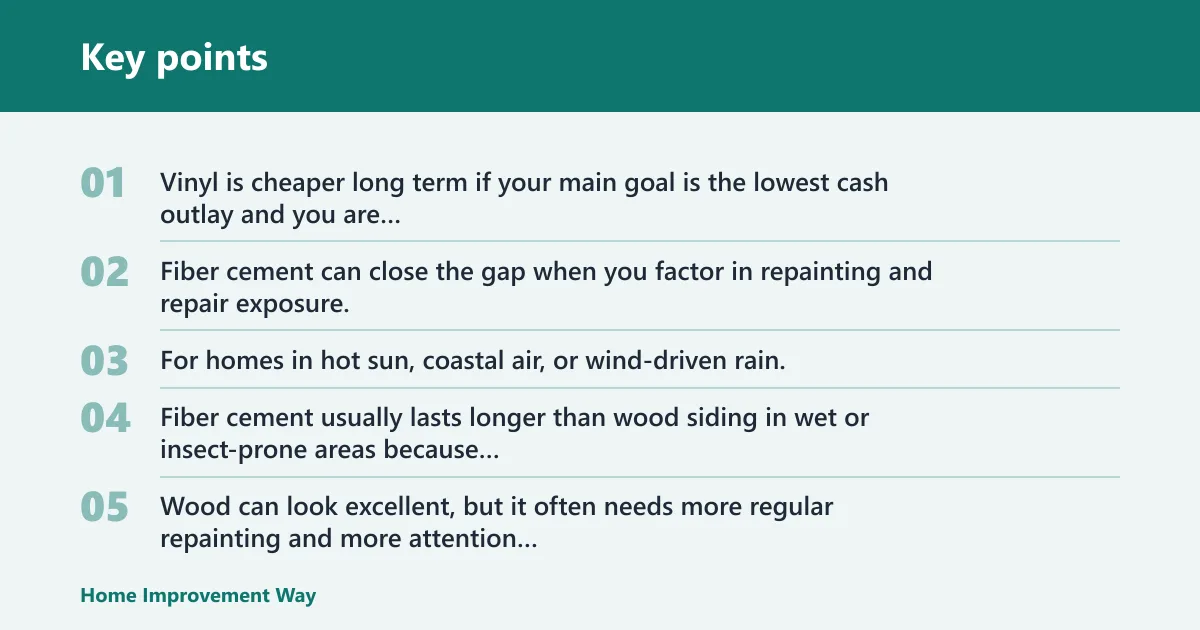
Vinyl is cheaper long term if your main goal is the lowest cash outlay and you are comfortable with its look and durability limits. Fiber cement can close the gap when you factor in repainting and repair exposure, but it rarely beats vinyl on first cost.
For homes in hot sun, coastal air, or wind-driven rain, the gap can narrow further because fiber cement tends to hold up better than low-end vinyl in those conditions. That does not make it cheaper automatically. It makes the tradeoff more defensible.
Fiber cement siding vs wood siding: which lasts longer?
Fiber cement usually lasts longer than wood siding in wet or insect-prone areas because it resists rot and pests better. Wood can look excellent, but it often needs more regular repainting and more attention to moisture details if you want it to last.
If the house has wide roof overhangs and strong paint maintenance, wood can still be a good fit. If the wall sees more weather, fiber cement is usually the safer durability choice.
How it compares with composite, metal, and stucco
Composite and engineered siding can compete on appearance and maintenance, but pricing and performance vary by brand, so the best comparison is bid by bid. Metal siding can make sense in high-fire areas or for a more modern look, especially where maintenance access is difficult. Stucco can fit some climates and budgets, but it depends heavily on the wall system behind it.
For similar budgets, the choice often comes down to what failure mode you want to avoid. Fiber cement is strong against fire, pests, and many weather issues. Metal shifts the equation toward dent resistance and fire performance. Stucco and composite need their own moisture and detailing checks.
When fiber cement is worth it
Fiber cement is most likely to earn back its premium on homes that face hard weather, have a long expected hold period, or need a better balance of durability and curb appeal than vinyl can provide. It is a stronger value in humid, wet, coastal, and high-sun regions than in mild places where the cheapest cladding will do.
Best-fit home types and climates
It tends to make the most sense on two-story homes, homes with fire exposure, and houses where wood would need frequent repainting. It also fits well where pests, splashback, or wind-driven rain make rot risk a bigger concern.
Picture a coastal two-story with complex trim and strong afternoon sun. Vinyl may cost less to install, but a fiber cement system can make more sense if the owner wants a tougher finish and is willing to pay for the labor that a careful install requires.
When vinyl still makes more sense
Vinyl is still the better choice when the budget is tight, the home is simple, and long-term maintenance concerns are low. If the house is a short-term hold or a rental where appearance matters less than immediate cost control, vinyl often wins.
That same logic can apply to a starter home in a mild climate. If the owner plans to move before the first repaint cycle is due, the long-term case for fiber cement weakens.
Why professional installation matters
Professional installation is recommended because the material is heavy, the cuts are unforgiving, and the install details affect both lifespan and warranty protection. The wrong clearance, fastener pattern, or flashing detail can create moisture problems that undo the reason for choosing fiber cement in the first place.
If you are comparing bids, ask the contractor how they handle flashing, cut edges, and finish work. A lower price is not a bargain if it raises the chance of cracking, water intrusion, or premature repainting.
Frequently asked questions
Is fiber cement siding worth the cost?
It is worth the cost when you expect to own the home for 10 to 20 years, or when the house faces wet weather, fire exposure, or strong sun. The premium makes more sense when repainting, rot risk, and early replacement are part of the comparison.
How much is fiber cement siding per square foot?
Fiber cement siding costs $5–$14 per square foot. Installed pricing is often higher once labor is included, and the final number can move up on two-story homes, complex layouts, or jobs that need more cutting and scaffold time.
What does fiber cement siding cost to install?
Labor typically runs $2–$8 per square foot. A full installed project often lands in the $9 to $23 per square foot range, depending on the product style, house height, trim complexity, and how much prep the crew has to do.
Does fiber cement siding need repainting?
Yes. Repainting is usually needed every 10–15 years, and sun exposure, finish quality, and climate can shorten or lengthen that window. Prepainted and preprimed products change the starting point, but they do not remove finish maintenance.
Can I install fiber cement siding myself?
DIY is possible for some skilled owners, but it is not the best fit for most projects. The boards are heavy, dust control matters, and the installation details affect moisture performance. Follow the manufacturer’s manual, and hire a pro if the wall is tall or complex.
How does fiber cement compare with composite or metal siding?
Composite and metal can be good alternatives, but they solve different problems. Metal is often attractive in fire-prone areas, while composite can offer a different look and maintenance profile. The best choice depends on climate, budget, and the wall details behind the cladding.
Sponsored / affiliate links. As an Amazon Associate I earn from qualifying purchases. I may earn additional commission from eligible campaigns.